Balanced Breakfast for Sustained Muscle Growth and Energy

Learn how to build a balanced breakfast for sustained muscle growth, steady energy, and recovery using simple, protein-rich whole foods.

You can train hard, hit your protein goals, and still feel like something is missing. Often, the problem is not effort — it is timing and balance. A strong breakfast does more than “start your day.” It signals recovery, stabilizes energy, supports hormone function, and gives your muscles the nutrients they need after an overnight fast.

For people focused on lean muscle growth, strength, and long-term health, breakfast becomes especially important. The goal is not just calories. It is creating a meal that combines protein, healthy fats, complex carbohydrates, and micronutrients in a way your body can actually use.

A balanced breakfast can improve:

  • Workout performance
  • Recovery
  • Focus and mood
  • Appetite control later in the day
  • Consistency with nutrition goals

The good news is that it does not need to be complicated.


Why Breakfast Matters for Muscle Growth

After sleeping, your body has gone hours without protein intake. Muscle protein synthesis — the process that repairs and builds muscle tissue — benefits from receiving high-quality protein early in the day.

Research also suggests that spreading protein intake throughout the day may support muscle growth more effectively than eating most of it at dinner.

A strong breakfast helps:

  • Reduce muscle breakdown
  • Replenish energy stores
  • Support stable blood sugar
  • Improve training readiness

For active adults, aiming for roughly 25–40 grams of protein at breakfast is often a practical target.


The Four Components of a Muscle-Building Breakfast

1. High-Quality Protein

Protein is the foundation.

Good breakfast protein sources include:

  • Eggs
  • Greek yogurt
  • Cottage cheese
  • Smoked salmon
  • Chicken sausage
  • Protein smoothies
  • Tofu or tempeh
  • Protein oats

Protein provides amino acids, especially leucine, which helps trigger muscle repair and growth.

2. Complex Carbohydrates

Carbs are not the enemy of a lean physique. In fact, they help fuel performance and recovery.

Good options include:

  • Oats
  • Ezekiel bread
  • Whole grain toast
  • Sweet potatoes
  • Berries
  • Bananas

Complex carbs provide steady energy rather than a quick spike and crash.

3. Healthy Fats

Healthy fats help with:

  • Hormone production
  • Satiety
  • Brain function
  • Joint health

Good sources:

  • Avocado
  • Natural peanut butter
  • Nuts and seeds
  • Olive oil
  • Chia seeds

4. Micronutrients and Fiber

Muscle growth is not just about protein. Vitamins, minerals, hydration, and digestion all matter.

Add:

  • Berries
  • Spinach
  • Tomatoes
  • Kale
  • Citrus
  • Seeds

These support recovery, immunity, and long-term health.


A Simple Balanced Breakfast Formula

An easy structure looks like this:

Protein + Smart Carb + Healthy Fat + Produce

Examples:

  • Eggs + Ezekiel toast + avocado + berries
  • Greek yogurt + oats + walnuts + blueberries
  • Cottage cheese + banana + peanut butter + chia seeds
  • Smoked salmon + whole grain toast + spinach + tomato

This balance helps prevent energy crashes while supporting muscle repair.


A Realistic Muscle-Building Breakfast Example

Here is a practical breakfast that works well for lean muscle goals:

Example Plate

  • 2 eggs
  • 1/2 cup cottage cheese
  • 2 slices Ezekiel toast
  • Natural peanut butter or half an avocado
  • Mixed berries
  • Coffee or tea
  • Water with electrolytes if training early

This combination provides:

  • Complete protein
  • Fiber
  • Slow-digesting carbs
  • Healthy fats
  • Micronutrients for recovery

It is also sustainable, which matters more than perfection.


Should You Eat More Protein at Breakfast?

For many people, yes.

A light breakfast with minimal protein may leave recovery and energy on the table, especially if you are strength training regularly.

Increasing breakfast protein can help:

  • Improve fullness
  • Reduce overeating later
  • Support strength gains
  • Preserve lean muscle during fat loss

This does not mean enormous meals. Even small upgrades help:

  • Add cottage cheese
  • Include Greek yogurt
  • Use higher-protein bread
  • Add smoked salmon
  • Blend a protein smoothie

Consistency matters more than extremes.


Best Breakfasts for Different Training Goals

For Lean Muscle Growth

Focus on balanced meals with moderate carbs and high protein.

Example:

  • Eggs
  • Oats
  • Fruit
  • Greek yogurt

For Fat Loss While Preserving Muscle

Prioritize protein and fiber.

Example:

  • Cottage cheese bowl
  • Berries
  • Chia seeds
  • Nuts

For High-Intensity Training Days

Increase carbohydrates slightly.

Example:

  • Oatmeal
  • Banana
  • Eggs
  • Peanut butter toast

For Busy Mornings

Keep it simple.

Example:

  • Protein shake
  • Banana
  • Greek yogurt
  • Handful of nuts

The best breakfast is the one you can consistently maintain.


Common Breakfast Mistakes

Skipping Protein

Toast alone is not enough for muscle recovery.

Eating Only Fast Carbs

Sugary cereals and pastries often lead to crashes.

Undereating

If you train hard, a tiny breakfast may hurt recovery and energy.

Overcomplicating Everything

You do not need a perfect biohacking routine. Simple whole foods work remarkably well.


Practical Takeaways

  • Aim for 25–40g of protein at breakfast
  • Include complex carbs for steady energy
  • Add healthy fats for satiety and hormone support
  • Include fruit or vegetables daily
  • Spread protein intake throughout the day
  • Build breakfasts you can realistically repeat

Small improvements done consistently often outperform “perfect” nutrition plans that are impossible to maintain.


Related Articles


If you enjoy practical wellness and performance articles grounded in psychology and long-term health, consider giving this a like and subscribing to the Mindful Explorer newsletter.


10 Reasons Why Quality Sleep Is Essential for Health and Focus

Discover 10 science-backed reasons why quality sleep improves health, focus, mood, and longevity—and how to start sleeping better tonight.

You already know sleep matters—but most people still treat it like it’s optional. Late nights, screens, stress, and inconsistent routines quietly erode something essential: your ability to think clearly, feel balanced, and function at your best.

If you’ve ever felt foggy, irritable, or unmotivated, poor sleep may be the hidden cause. The truth is, quality sleep isn’t just rest—it’s active restoration for your brain and body.

In this article, we’ll explore 10 powerful reasons why sleep is one of the most important habits you can build—and how it affects nearly every part of your life.

1. Sleep Strengthens Brain Function

During sleep, your brain processes information, consolidates memories, and clears out metabolic waste.

Without enough quality sleep:

Focus declines Reaction time slows Learning becomes harder

Think of sleep as your brain’s nightly reset.

2. It Regulates Mood and Emotional Stability

Sleep deprivation is closely linked to anxiety and irritability.

When you’re well-rested:

You respond instead of react Emotional resilience improves Stress feels more manageable

Even one poor night can amplify negative emotions.

3. Sleep Supports Physical Recovery

Your body repairs muscle tissue, releases growth hormone, and reduces inflammation while you sleep.

This is especially important if you:

Exercise regularly Lift weights Are recovering from injury

No recovery = no progress.

4. It Improves Immune Function

Consistent, quality sleep strengthens your immune system.

Poor sleep is associated with:

Increased risk of illness Slower recovery Higher inflammation

In simple terms: sleep helps your body fight back.

5. Sleep Enhances Memory and Learning

Your brain organizes and stores new information during deep sleep cycles.

Students, musicians, and professionals benefit from:

Better retention Faster skill acquisition Improved creativity

Sleep is a learning multiplier.

6. It Helps Maintain a Healthy Weight

Sleep regulates hormones like ghrelin (hunger) and leptin (fullness).

When sleep is lacking:

Cravings increase (especially for sugar) Appetite rises Metabolism becomes less efficient

This is why poor sleep often leads to overeating.

7. Sleep Supports Heart Health

Chronic sleep deprivation is linked to:

High blood pressure Increased heart disease risk Elevated stress hormones

Your cardiovascular system needs rest just as much as your muscles do.

8. It Improves Focus and Productivity

After a good night’s sleep:

You think more clearly You make better decisions You complete tasks faster

Sleep is one of the most underrated productivity tools.

9. Sleep Promotes Longevity

Long-term sleep quality is associated with a longer, healthier life.

Poor sleep patterns over time can increase risk of:

Chronic disease Cognitive decline Early mortality

Sleep is an investment in your future self.

10. It Supports Creativity and Problem-Solving

During REM sleep, your brain makes new connections between ideas.

This leads to:

Creative breakthroughs Improved problem-solving Better insight and intuition

Many “aha” moments come after rest—not effort.

Practical Takeaways: How to Improve Your Sleep

Here are simple, research-backed steps you can start tonight:

Keep a consistent sleep schedule (even on weekends) Limit screen time 60 minutes before bed Create a cool, dark sleeping environment Avoid caffeine 6–8 hours before sleep Try a wind-down routine (reading, stretching, breathing) Get morning sunlight to regulate your internal clock

Consistency matters more than perfection.

If you found this helpful, consider exploring more practical wellness insights on Mindful Explorer

The Power of Gratitude: How It Transforms Your Mind and Life

Discover the science-backed benefits of gratitude and how a simple daily practice can improve your mood, relationships, and overall well-being.


What if one of the most powerful tools for improving your mental health, relationships, and daily happiness was already available to you—right now?

Gratitude often sounds simple, even cliché. But beneath that simplicity lies something deeply transformative. In a world wired for stress, comparison, and constant striving, gratitude shifts your attention toward what is already meaningful.

This article matters because gratitude isn’t just a “feel-good” idea—it’s a proven psychological practice that can rewire how you experience life.


What Gratitude Really Is (Beyond Saying “Thank You”)

Gratitude is more than politeness. It’s a way of seeing.

At its core, gratitude is the intentional recognition of value—especially in things we usually overlook.

This can include:

  • A conversation that made you feel understood
  • Your body carrying you through the day
  • A quiet moment without distraction
  • Food, shelter, or safety

Gratitude doesn’t ignore hardship. It expands your awareness so that difficulty isn’t the only thing you notice.


The Psychology Behind Gratitude

From a psychological perspective, gratitude works because it reshapes attention.

Your brain has a built-in negativity bias—it naturally scans for problems, threats, and what’s missing. This helped humans survive, but it can also make modern life feel constantly insufficient.

Gratitude interrupts that pattern.

Research in positive psychology shows that practicing gratitude can:

  • Increase baseline happiness
  • Reduce symptoms of anxiety and depression
  • Improve sleep quality
  • Strengthen emotional resilience

Why?

Because what you repeatedly focus on becomes your experience. Gratitude gently trains your mind to notice what is working, not just what is broken.


Gratitude and the Nervous System

Gratitude doesn’t just change thoughts—it affects your body.

When you intentionally reflect on something meaningful or appreciated, your nervous system can shift out of stress mode (fight-or-flight) and into a calmer, more regulated state.

This is often associated with:

  • Slower heart rate
  • Reduced cortisol (stress hormone)
  • Increased feelings of safety

In simple terms, gratitude signals: “Right now, there is something okay here.”

That message alone can be powerful.


Why Gratitude Feels Difficult Sometimes

If gratitude is so beneficial, why doesn’t it always come naturally?

Because it can feel forced—especially during stress, loss, or frustration.

Common barriers include:

  • Comparison: Focusing on what others have
  • Adaptation: Quickly getting used to good things
  • Emotional overwhelm: When problems feel too big

Gratitude is not about denying these realities.

Instead, it’s about holding two truths at once:

  • Something is difficult
  • Something is still meaningful

That balance is where real resilience grows.


Simple Ways to Practice Gratitude (That Actually Work)

You don’t need a complicated routine. What matters is consistency and sincerity.

1. The “Three Noticings” Practice

At the end of the day, write or reflect on three things you noticed and appreciated.

They should be specific:

  • Not “my family”
  • But “the way we laughed at dinner”

Specificity deepens the emotional impact.


2. Gratitude Walks

Take a walk and intentionally notice things you usually ignore:

  • The texture of trees
  • The rhythm of your steps
  • The feeling of fresh air

This combines mindfulness with appreciation.


3. Express It to Someone

Tell someone what you appreciate about them—clearly and directly.

This not only strengthens relationships but reinforces your own sense of connection.


4. Reframing Challenges

Ask yourself:

“Is there anything in this situation that is helping me grow, learn, or pause?”

This isn’t about forcing positivity—it’s about widening perspective.


The Long-Term Impact of Gratitude

Over time, gratitude becomes less of a practice and more of a lens.

You may begin to notice:

  • More patience in stressful situations
  • Greater satisfaction with everyday life
  • Stronger relationships
  • A quieter, steadier mind

Life doesn’t suddenly become perfect.

But your relationship to life changes—and that makes all the difference.


Practical Takeaways

  • Gratitude is a skill, not a personality trait
  • It works by shifting attention, not denying reality
  • Small, consistent practices are more effective than big gestures
  • Specificity makes gratitude more powerful
  • It supports both mental and physical well-being


If this resonated with you, consider building a small daily gratitude practice this week—and notice what changes.

Or explore our deeper guide on mindfulness to strengthen your awareness even further.


Top Ohio Waterfall Hikes Worth Exploring (Beginner to Advanced)

Discover the best waterfall hikes in Ohio, from hidden forest cascades to dramatic gorges. Perfect trails for nature lovers of all skill levels.


🌿 Opening Hook

If you think you need to travel far to see beautiful waterfalls, Ohio might surprise you. Tucked into forests, sandstone gorges, and state parks across the state are dozens of waterfalls—some easy to reach, others rewarding you after a quiet hike.

Whether you’re looking for a peaceful solo walk, a weekend adventure, or a scenic spot to reset your mind, these waterfall hikes offer something deeper than just views—they offer stillness, perspective, and a reminder of how powerful small landscapes can be.


🥾 1. Old Man’s Cave → Cedar Falls Loop (Hocking Hills)

  • Location: Hocking Hills State Park
  • Distance: ~2–3 miles loop
  • Difficulty: Moderate

This is the most iconic waterfall hike in Ohio—and for good reason. You’ll pass through narrow gorges, stone staircases, and shaded forest before reaching Cedar Falls, one of the most powerful waterfalls in the state.

Why it stands out:

  • Multiple waterfalls in one hike
  • Dramatic cliffs and rock formations
  • Feels immersive and almost otherworldly

👉 Best after rainfall when the waterfalls are strongest.


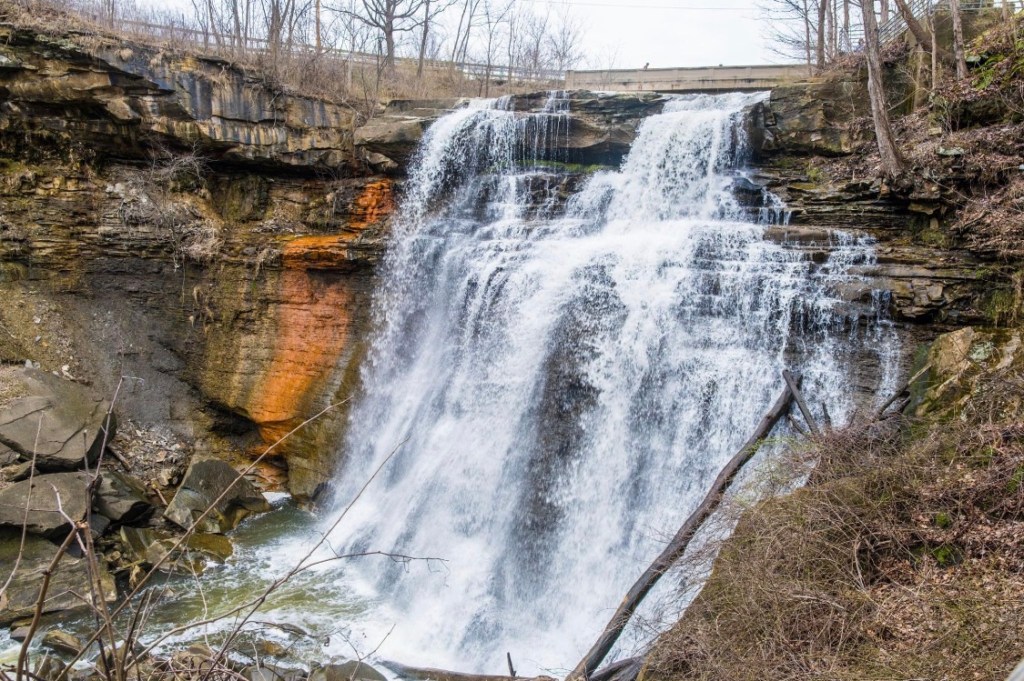
🌲 2. Brandywine Falls Trail (Cuyahoga Valley)

  • Location: Cuyahoga Valley National Park
  • Distance: 1.5 miles loop
  • Difficulty: Easy

At 65 feet tall, Brandywine Falls is one of Ohio’s most impressive waterfalls—and it’s incredibly accessible thanks to a boardwalk trail.

Why it stands out:

  • Perfect for a quick nature reset
  • Accessible viewpoints
  • Stunning in all seasons (especially fall and winter ice formations)

🌄 3. Ash Cave Gorge Trail (Hocking Hills)

  • Location: Ash Cave
  • Distance: 0.5 miles (one way, paved)
  • Difficulty: Easy

A massive natural recess cave with a seasonal waterfall dripping from its rim. Even when the flow is light, the scale of the cave makes this place unforgettable.

Why it stands out:

  • One of the largest recess caves in the U.S.
  • Fully accessible trail
  • Feels quiet and reflective

🌿 4. Clifton Gorge State Nature Preserve

  • Location: Clifton Gorge State Nature Preserve
  • Distance: 2–4 miles depending on route
  • Difficulty: Moderate

While not a single large waterfall, Clifton Gorge offers a series of cascading rapids and mini waterfalls along the Little Miami River.

Why it stands out:

  • Less crowded than Hocking Hills
  • Powerful water flow after rain
  • Great mix of geology + movement

🌊 5. Hayden Falls (Columbus Area)

  • Location: Hayden Falls
  • Distance: 0.2 miles
  • Difficulty: Very easy

One of the easiest waterfalls to access in Ohio, just steps from a parking area. Despite its convenience, it still feels tucked away.

Why it stands out:

  • Quick stop with big visual payoff
  • Great for sunrise or quiet moments
  • Perfect add-on to a city day

🌲 6. Charleston Falls Preserve (Dayton Area)

  • Location: Charleston Falls Preserve
  • Distance: ~2 miles
  • Difficulty: Easy to moderate

A quieter trail system with a scenic waterfall and multiple loops through prairie and forest.

Why it stands out:

  • Educational nature preserve
  • Peaceful, less tourist-heavy
  • Great for birdwatching

🌿 7. Indian Run Falls (Dublin, Ohio)

  • Location: Indian Run Falls
  • Distance: ~1 mile
  • Difficulty: Easy

A tiered waterfall hidden in a suburban park setting.

Why it stands out:

  • Unique layered waterfall structure
  • Easy walking trails
  • Surprisingly scenic for its location

🧭 Practical Takeaways

If you’re planning your own waterfall hikes in Ohio:

  • Go after rain: Waterfalls are much stronger and more rewarding
  • Visit early morning or weekdays: Avoid crowds, especially in Hocking Hills
  • Wear proper footwear: Trails can be muddy and slippery
  • Season matters:
    • Spring = strongest flow
    • Fall = best colors
    • Winter = frozen waterfall magic

🌱 A Mindful Perspective

Waterfalls invite a different kind of attention. You don’t rush past them—you pause.

There’s something grounding about watching water move continuously over rock. It’s a quiet reminder: change is constant, but it doesn’t have to be chaotic. It can be steady, rhythmic—even calming.


If you want more ideas like this—simple ways to reconnect with nature and yourself—consider exploring another article or subscribing to the Mindful Explorer newsletter.


Natural Laundry Fresheners: Safe Ways to Make Clothes Smell Clean

Discover natural laundry fresheners that keep clothes smelling clean without chemicals. Simple, effective, and budget-friendly solutions.

You’ve probably noticed it—most laundry products smell “clean,” but come loaded with synthetic fragrances and chemicals you can’t pronounce. If you’re trying to live a little more mindfully, even something as simple as your laundry routine starts to matter. What you wear sits on your skin all day. So what if your laundry could smell fresh without relying on artificial scents?

Natural laundry fresheners aren’t just healthier—they’re often cheaper, simpler, and surprisingly more effective. Let’s explore how to make your clothes smell clean in a way that actually is clean.

Why Switch to Natural Laundry Fresheners?

Most conventional detergents and dryer sheets rely on synthetic fragrance blends that can irritate skin, trigger headaches, or linger in ways that feel overwhelming rather than refreshing.

Natural alternatives focus on two things:

Neutralizing odor (not masking it) Using subtle, plant-based scents

From a mindful living perspective, this shift is about reducing unnecessary inputs—simplifying what touches your body daily.

1. White Vinegar: The Simplest Odor Neutralizer

White vinegar is one of the most effective natural laundry fresheners—and one of the most overlooked.

How it works

Vinegar breaks down odor-causing bacteria and residue trapped in fabrics.

How to use it

Add ½ to 1 cup to the rinse cycle Safe for most fabrics (avoid delicate silks)

What to expect

Clothes come out odor-free, not vinegar-smelling Helps soften fabrics naturally

2. Baking Soda: Deep Freshness Booster

Baking soda enhances your detergent and tackles stubborn odors.

Why it works

Balances pH levels in water Helps remove sweat, mildew, and musty smells

How to use it

Add ½ cup directly into the drum

Best for

Gym clothes Towels Clothes left in the washer too long

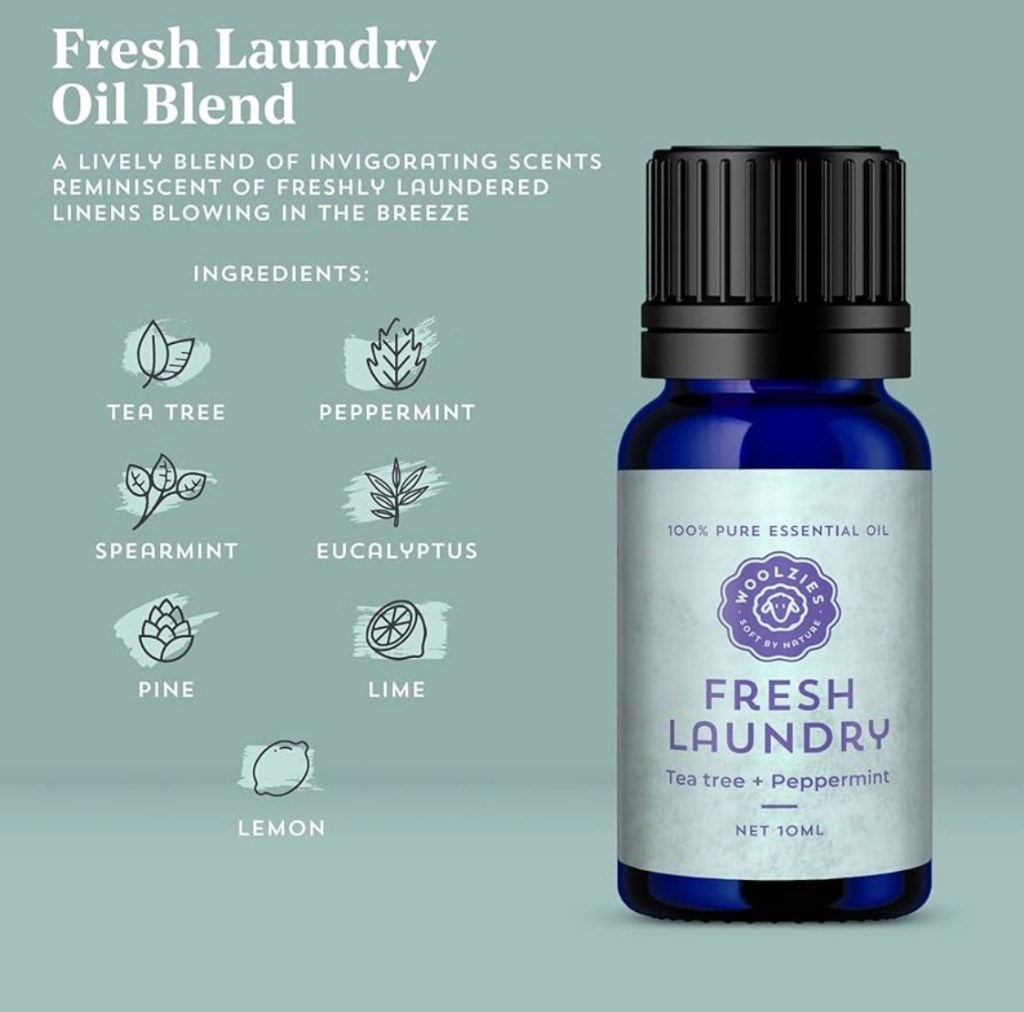
3. Essential Oils: Light, Natural Scent

If you still want a pleasant scent, essential oils offer a clean alternative.

Popular options

Lavender (calming) Eucalyptus (fresh, crisp) Lemon (bright, energizing)

How to use

Add 5–10 drops to: Wool dryer balls A damp cloth in the dryer

⚠️ Avoid adding oils directly to the washer without dilution—they can stain.

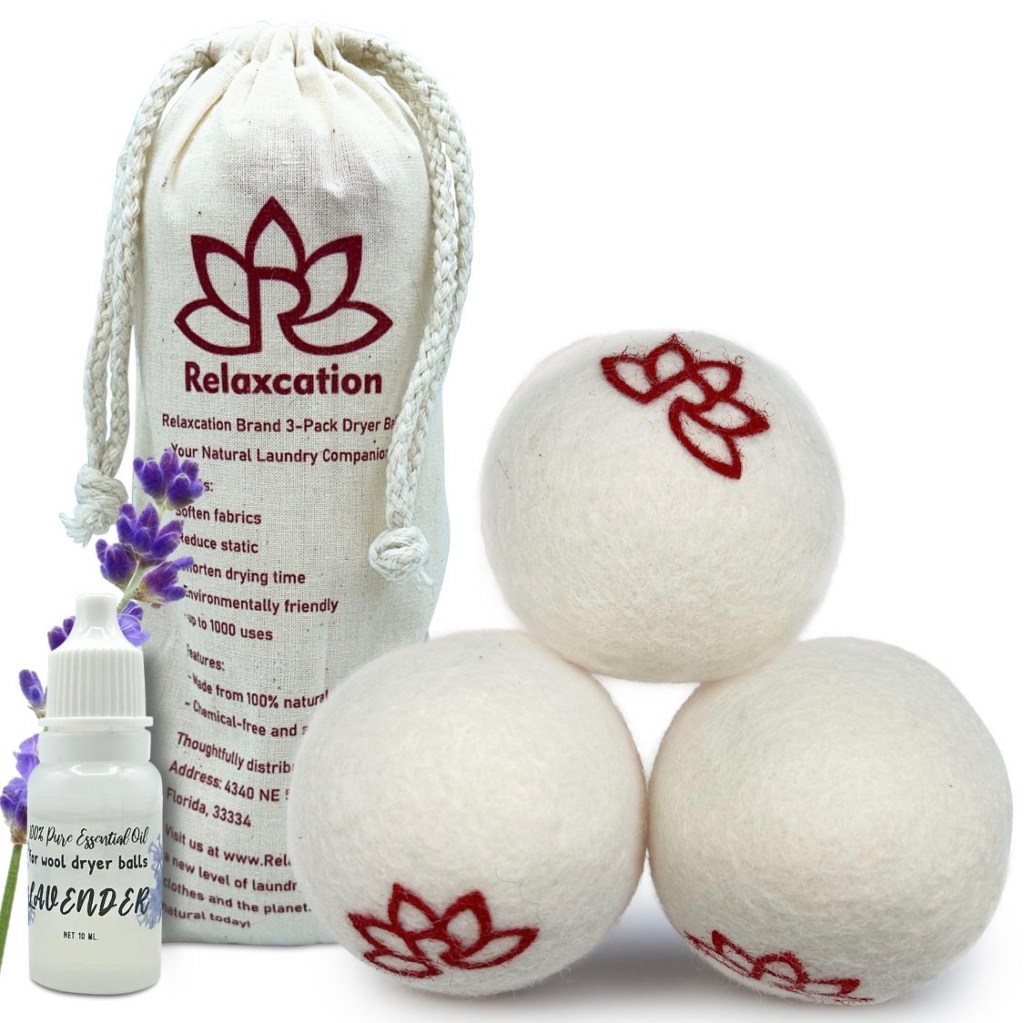
4. Wool Dryer Balls: Replace Dryer Sheets

Dryer sheets often contain synthetic chemicals that coat fabrics.

Why wool dryer balls work

Reduce drying time Soften clothes naturally Help distribute scent evenly

Bonus tip

Add essential oils to create a subtle fragrance without residue.

5. Sunlight: The Original Freshener

Before machines, sunlight was the ultimate laundry solution—and it still works.

Benefits

UV rays help kill bacteria Leaves a naturally clean, airy scent Saves energy

When to use

Sheets and towels especially benefit Great during warmer months

The Psychology of “Clean Smell”

Interestingly, what we think of as “clean” is often learned. Many people associate strong synthetic scents with cleanliness simply because that’s what products have trained us to expect.

But natural freshness is different:

It’s subtle It fades naturally It doesn’t overwhelm your senses

This shift is part of mindful living—retraining your perception to value authentic signals over artificial ones.

Practical Takeaways

If you want to simplify your laundry routine starting today:

Use vinegar in the rinse cycle to eliminate odors Add baking soda for deep cleaning power Switch to wool dryer balls instead of dryer sheets Use essential oils sparingly for light scent Dry clothes outside when possible

Start with just one change—you don’t need to overhaul everything at once.

Shadow Cell by Andrew Bustamante: A Deep Dive Into the Psychology of Espionage and Influence

A thoughtful review of Shadow Cell by Andrew Bustamante, exploring CIA psychology, influence, emotional control, and ethical gray areas.

Book Review for Mindful Explorer

Get it on Amazon here!

Andrew Bustamante’s Shadow Cell pulls readers behind the curtain of modern intelligence work—far beyond the glamorized spy tropes of Hollywood. Written by a former CIA intelligence officer, the book blends memoir, psychology, and practical insight into how power, influence, and perception truly operate in high-stakes environments.

This is not just a spy book. It’s a study of human behavior under pressure—and that’s what makes it especially compelling for readers interested in psychology, leadership, and mindful self-mastery.

Overview of the Book

Shadow Cell explores Bustamante’s experiences working in covert operations, focusing on how intelligence agencies recruit, assess, and manipulate human assets. Rather than revealing classified tactics, the book emphasizes:

Psychological profiling Trust-building and deception Decision-making under uncertainty Emotional regulation in dangerous environments

Bustamante frames intelligence work as a human system, not a technological one—where understanding motivations, fears, and incentives matters more than gadgets or brute force.

Key Themes and Takeaways

1. Espionage Is About People, Not Secrets

One of the strongest themes in Shadow Cell is that intelligence work revolves around relationships. Information flows through people, and people are driven by emotions—fear, pride, loyalty, desperation.

Bustamante makes it clear that mastering interpersonal dynamics is far more powerful than memorizing tactics.

2. Influence Is a Teachable Skill

The book repeatedly reinforces that influence isn’t manipulation—it’s understanding incentives. Intelligence officers don’t force people to act; they align opportunities with existing motivations.

This insight applies directly to:

Leadership Teaching Negotiation Personal relationships

For readers of Mindful Explorer, this connects strongly to psychological awareness and intentional living.

3. Emotional Control Under Pressure

Bustamante highlights the importance of self-regulation—remaining calm, observant, and deliberate when stress is high. Emotional reactions are liabilities in intelligence work.

This mirrors principles found in:

Stoicism Mindfulness practices High-performance psychology

The book subtly argues that emotional mastery is a form of freedom.

4. Ethics in the Gray Zone

Shadow Cell doesn’t shy away from moral ambiguity. Bustamante reflects on the ethical complexity of intelligence work—where choices are rarely clean and consequences ripple outward.

Rather than offering simple answers, the book invites readers to sit with discomfort and think critically about:

National security Personal responsibility The cost of secrecy

Writing Style and Accessibility

Bustamante writes in a clear, conversational, and confident tone. The book is accessible to general readers—no prior knowledge of intelligence agencies is required.

Strengths of the writing:

Engaging real-world anecdotes Clear explanations of complex ideas Practical lessons without jargon

At times, readers looking for explosive revelations may find the book more reflective than sensational—but that restraint adds credibility.

Who Should Read Shadow Cell?

This book is especially well-suited for readers interested in:

Psychology and human behavior Leadership and influence Mindfulness and emotional intelligence Ethics and decision-making Realistic depictions of intelligence work

If you enjoy books that challenge how you see power, trust, and perception, Shadow Cell delivers.

Final Verdict

Shadow Cell is a thoughtful, grounded, and psychologically rich look at espionage—not as fantasy, but as a disciplined practice of understanding people. Andrew Bustamante succeeds in turning intelligence work into a mirror for everyday life: how we influence others, manage ourselves, and navigate moral gray areas.

For Mindful Explorer readers, this book fits squarely at the intersection of psychology, self-awareness, and strategic thinking.

What would change in your life if you approached conversations and decisions with the same calm awareness described in Shadow Cell?

— Mindful Explorer (mindfulexplorer.blog)

Long-Term Investing for Retirement: A Simple, Evidence-Based Guide

Learn how to invest for retirement with a simple, long-term strategy backed by psychology and evidence—without stress, guessing, or constant market watching.

If you’ve ever felt overwhelmed by investing advice—stocks, crypto, timing the market, “hot tips”—you’re not alone.

The truth is, most successful retirement investors aren’t doing anything flashy. They’re doing something much harder in today’s world: they’re staying consistent, patient, and boring.

This article matters because retirement investing isn’t about winning today—it’s about building a system that quietly works for decades, even when motivation fades or markets get messy.

Why Long-Term Investing Actually Works

At its core, long-term investing relies on one powerful idea:

👉 Compounding

Money earns returns, and those returns earn more returns.

Over time, this creates a snowball effect.

What this means practically:

Early years feel slow Later years accelerate dramatically Consistency matters more than timing

This is why someone investing modestly for 30 years often outperforms someone trying to “trade” for 10.

The Psychology of Successful Investors

Long-term investing is less about intelligence—and more about behavior.

The biggest mistakes aren’t technical—they’re emotional:

Panic selling during downturns Chasing trends (AI, crypto hype, etc.) Trying to “time” the market Constantly checking and reacting

A better mindset:

Think in decades, not days Accept that downturns are normal Focus on your system, not the news

The goal isn’t to avoid volatility—it’s to outlast it.

The Simplest Retirement Portfolio (That Actually Works)

You don’t need complexity.

A simple, diversified approach is consistently effective:

Core building blocks:

Total U.S. Stock Market Index Fund International Stock Index Fund Bond Fund (optional, increases with age)

Example structure (early/mid career):

70–85% stocks 15–30% bonds

Why this works:

Diversification reduces risk Low fees preserve returns No guessing required

This is the strategy used by many target-date retirement funds.

Where to Invest (Tax-Advantaged First)

Before picking investments, where you invest matters more than what you invest in.

Priority order:

Employer retirement plan (401k / 403b) Especially if there’s a match (free money) Roth IRA Tax-free growth and withdrawals Ideal if you expect higher future income Traditional IRA or brokerage account For additional investing beyond limits

Consistency Beats Everything

The most important habit:

👉 Invest regularly, no matter what

This is called dollar-cost averaging.

Why it works:

You buy more when prices are low You remove emotional decision-making You stay invested through cycles

Even $100/month can become powerful over time.

How Much Do You Actually Need for Retirement?

A common guideline:

👉 The 4% Rule

Withdraw ~4% of your portfolio annually Designed to last ~30 years

Example:

$1,000,000 → ~$40,000/year $750,000 → ~$30,000/year

This isn’t perfect—but it gives a clear target.

Common Mistakes to Avoid

1. Waiting too long to start

Time matters more than amount.

2. Overcomplicating your strategy

More funds ≠ better results.

3. Checking your portfolio constantly

This increases anxiety and bad decisions.

4. Ignoring fees

Even 1% extra fees can cost hundreds of thousands over decades.

A Mindful Approach to Wealth

Retirement investing isn’t just financial—it’s psychological.

Ask yourself:

What kind of life am I actually building toward? How much is “enough”? Am I trading peace today for hypothetical wealth later?

The goal isn’t just to retire—it’s to live well along the way.

Practical Takeaways

Start now—even small amounts matter Use simple index funds (no guessing required) Automate your contributions Focus on tax-advantaged accounts first Think in decades, not months Reduce fees whenever possible Avoid reacting to market noise

If this helped simplify investing for you, consider exploring more topics like this on Mindful Explorer—or subscribe for practical, grounded insights each week.

7 Stress Relieving Activities That Actually Calm Your Mind

Discover 7 science-backed stress relieving activities that calm your nervous system, improve focus, and help you feel grounded in daily life.

You don’t need another productivity hack.

You need your nervous system to settle.

Stress isn’t just a feeling—it’s a biological state. Your heart rate shifts. Your breathing tightens. Your attention narrows. Over time, chronic stress quietly reshapes your mood, focus, digestion, sleep, and even decision-making.

The good news? Your body already knows how to calm itself.

In this article, we’ll explore stress relieving activities that actually work, why they work, and how to integrate them into real life—whether you’re teaching, working, parenting, or juggling too many tabs in your mind.

1. Slow Breathing (The 4–6 Reset)

When stress rises, breathing becomes shallow and fast.

If you slow your breath, your nervous system follows.

Try this:

Inhale for 4 seconds Exhale for 6 seconds Repeat for 3–5 minutes

Longer exhales activate the parasympathetic nervous system—the “rest and digest” mode.

Research consistently shows that slow breathing:

Lowers heart rate Reduces cortisol Improves emotional regulation

This is one of the simplest tools you can use between classes, before a meeting, or before sleep.

2. Walking in Nature (Even 15 Minutes Counts)

Nature is not just “nice.” It is neurologically restorative.

Studies on attention restoration theory show that natural environments:

Reduce mental fatigue Improve working memory Lower rumination

Even 15–20 minutes in a park can reduce stress markers.

If you’re balancing teaching, music work, or job searching, try:

A short walk after lunch Grading papers outside Practicing guitar near an open window with natural light

For more on this, see:

[Internal link: How Nature Improves Mental Health]

3. Strength Training (Regulated Stress)

This might surprise you.

Exercise doesn’t eliminate stress—it teaches your body to handle it better.

Strength training:

Improves stress resilience Enhances mood via endorphins Builds long-term metabolic stability

If your goals include mobility, strength, and general health (as many of ours do), this is not just fitness—it’s nervous system training.

Start simple:

2–3 sessions per week Compound movements (squats, pushups, rows) Moderate intensity

The key is consistency, not exhaustion.

4. Creative Flow (Music, Writing, Art)

When you enter creative flow, the stress loop quiets.

Flow states:

Reduce self-referential thinking Improve dopamine balance Increase meaning and motivation

For musicians, this might be:

Playing repertoire slowly and intentionally Improvising without judgment Writing a short musical idea daily

For non-musicians:

Journaling Sketching Cooking something new

If creativity feels “unproductive,” remember: restoration is productive.

Related read:

[Internal link: Why Creative Practice Improves Mental Health]

5. Reducing Digital Overload

Not all stress comes from workload.

Some comes from fragmentation.

Excessive scrolling and constant notifications:

Disrupt dopamine regulation Increase anxiety Decrease sustained attention

Try:

Phone in another room during deep work No scrolling 30 minutes before bed One tech-free evening per week

If you’ve ever wondered about the cognitive effects of constant scrolling, we explore that here:

[Internal link: Does Excessive Smartphone Use Affect Your Brain?]

6. Social Connection Without Alcohol

Many social spaces revolve around drinking. But alcohol often increases next-day anxiety.

Alternative stress-relieving social ideas:

Board game nights Group hikes Open mic nights Book clubs Volunteer events

Connection regulates the nervous system. Isolation amplifies stress.

The key isn’t more people. It’s safe, meaningful interaction.

7. Sleep Protection (The Quiet Foundation)

No strategy works if sleep collapses.

Chronic stress and poor sleep reinforce each other. Protecting sleep means:

Consistent bedtime Dark, cool room No intense news or emails late at night A 10-minute wind-down ritual

Think of sleep not as leftover time—but as neurological maintenance.

For more on sleep, read our article on Lucid Dreaming

Practical Weekly Stress Reset Plan

If you prefer structure, try this simple rhythm:

Daily

3–5 minutes slow breathing 10–20 minutes movement Reduce evening scrolling

Weekly

2 strength sessions 1 longer nature walk 1 creative session purely for enjoyment

Nothing extreme. Just steady.

The Deeper Truth About Stress

Stress isn’t always the enemy.

It becomes harmful when:

It’s constant It lacks recovery It feels meaningless

The goal isn’t to eliminate stress.

It’s to build recovery into your life.

That’s how resilience forms—not from intensity, but from rhythm.

Lake Titicaca: Exploring the Sacred Lake of the Andes

Discover the history, culture, wildlife, and mysteries of Lake Titicaca — the highest navigable lake in the world and a sacred gem of the Andes.

Lake Titicaca is one of those places that feels like it exists between worlds — part ancient legend, part natural wonder, and part living culture. Straddling the border of Peru and Bolivia, this high-altitude lake has inspired civilizations for thousands of years, offering breathtaking beauty, unique wildlife, and a window into Indigenous Andean traditions.

In this Mindful Explorer guide, we take you on a journey across the shimmering blue waters of Lake Titicaca to uncover its stories, science, and deep spiritual significance.

What Makes Lake Titicaca Special?

At 12,500 feet (3,810 meters) above sea level, Lake Titicaca holds the title of the world’s highest navigable lake. But altitude is only part of its legend:

It’s the birthplace of the Inca civilization, according to Andean mythology. It’s home to the floating Uros Islands, hand-woven from totora reeds. Its waters support unique wildlife found nowhere else on Earth. It holds a cultural and spiritual importance that continues today.
A Landscape of Blue and Gold

The lake stretches across 3,200 square miles of deep blue water framed by golden reed beds and the snow-capped Andes. The high elevation creates crisp, clear air, making every color feel more intense.

Visitors often remark that the horizon looks unreal, as if sky and water blur together.

The Uros Floating Islands

One of Lake Titicaca’s most fascinating features is the Uros Islands, made entirely from woven reeds that naturally grow in the lake.

How are the islands built?

Layers of totora reeds are woven and stacked. As the bottom layers rot, new reeds are added on top. Islands must be rebuilt or reinforced roughly every 3–6 months.

The Uros people have lived this way for centuries, originally building the islands as a defensive strategy. Today, the islands remain a thriving, culturally rich community that shares its traditions with visitors.

Taquile: A UNESCO-Recognized Textile Culture

Taquile Island is known for its peaceful landscapes and its people’s extraordinary weaving skills. In fact, UNESCO recognizes Taquile’s textile art as part of the world’s intangible cultural heritage.

Here, clothing is not just clothing — it communicates:

Marital status Community role Social identity

This island experience is slower, quieter, and deeply connected to tradition.

Wildlife of Lake Titicaca

Because of its isolation and altitude, Lake Titicaca hosts species found nowhere else, including:

The Titicaca water frog — one of the world’s largest aquatic frogs The Titicaca grebe, a flightless bird Native killifish and catfish Diverse waterbirds and migratory species

Sadly, many are now endangered, making conservation efforts vital.

The Spiritual Heart of the Andes

For Andean cultures, Lake Titicaca isn’t just water — it’s sacred.

In Inca tradition, the lake is believed to be:

The birthplace of Manco Cápac and Mama Ocllo, founders of the Inca Empire A gateway between the earthly world and the spiritual realm A symbol of life, fertility, and cosmic balance

Isla del Sol (Island of the Sun) and Isla de la Luna (Island of the Moon) still host ancient temples dedicated to these myths.

Travel Tips for Visiting Lake Titicaca

If you plan to explore this high-altitude wonder:

1. Prepare for Altitude

The air is thin — stay hydrated and acclimate slowly.

2. Spend Time on Multiple Islands

Each offers a different cultural experience.

3. Support Local Communities

Choose Indigenous-run tours and buy handmade crafts directly from artisans.

4. Visit from Both Countries

Peru offers easy access from Puno; Bolivia offers more traditional, less crowded island life.

Conclusion: A Lake of Legends and Living Culture

Lake Titicaca is more than a scenic destination — it’s a living story. From floating islands to ancient myths, from unique wildlife to stunning landscapes, the lake captures the spirit of the Andes in one breathtaking place.

If you ever needed a reminder that the world still holds magic, Lake Titicaca is waiting.

What part of its story fascinated you most?

Shinrin-Yoku: How Forest Bathing Improves Mental Health

Shinrin-yoku, or forest bathing, is a Japanese practice shown to reduce stress, improve mood, and support immune health—no hiking required.

Modern life keeps your nervous system on high alert—screens, schedules, noise, and constant decision-making. Many people try to “relax” by staying busy in different ways, yet still feel tense and scattered. Shinrin-yoku, often translated as forest bathing, offers a radically simple alternative: slow down and immerse your senses in a natural environment. No fitness goal. No destination. Just presence.

This article explores what shinrin-yoku actually is, what science suggests about its benefits, and how you can practice it—whether you live near deep woods or a small city park.

What Is Shinrin-Yoku?

Shinrin-yoku (森林浴) literally means “taking in the forest atmosphere.” The term was coined in the early 1980s in Japan as a public-health response to rising stress, burnout, and lifestyle-related illness.

Unlike hiking or outdoor exercise, shinrin-yoku emphasizes:

Slow movement Sensory awareness Non-goal-oriented time in nature

You are not trying to reach a viewpoint, track steps, or improve performance. You are simply being with the forest.

The Psychology Behind Forest Bathing

Stress Reduction and the Nervous System

One of the most consistent findings in shinrin-yoku research is its effect on the stress response. Time spent in forests is associated with:

Lower cortisol (the primary stress hormone) Reduced heart rate Lower blood pressure

From a psychological standpoint, this reflects a shift from sympathetic nervous system dominance (fight-or-flight) toward parasympathetic activation (rest-and-digest).

In practical terms: your body gets the signal that it is safe to relax.

Attention Restoration Theory

Psychologists describe something called Attention Restoration Theory (ART). The idea is simple:

Urban life demands directed attention (focus, inhibition, constant choice) Nature engages soft fascination (gentle, effortless attention)

When you walk through a forest, your attention is held by:

Leaves moving in the wind Variations of light and shadow Birdsong and natural textures

This allows the brain’s executive systems to rest, often leading to:

Improved concentration afterward Reduced mental fatigue A calmer, clearer mental state

Physical Health Benefits (Beyond Relaxation)

Immune Support and Phytoncides

Trees release natural compounds called phytoncides—aromatic oils that help protect plants from insects and pathogens. When humans inhale these compounds, studies suggest they may:

Increase activity of natural killer (NK) cells Support immune regulation Reduce inflammation markers

While shinrin-yoku is not a medical treatment, it appears to support the body’s baseline resilience.

Sleep and Mood

Regular exposure to natural environments is linked to:

Better sleep quality Reduced symptoms of anxiety and depression Improved overall mood stability

Importantly, these effects often persist for days after a forest-bathing session—especially when practiced consistently.

How to Practice Shinrin-Yoku (Step by Step)

1. Choose the Right Setting

Ideal locations include:

Forest preserves Nature reserves Botanical gardens Quiet parks with dense trees

The space does not need to be remote or wild. What matters most is relative quiet and greenery.

2. Slow Down—A Lot

Move at about half your normal walking speed. If you feel impatient, that’s a sign it’s working.

Pause often. Sit if you feel drawn to it.

3. Engage the Senses

Instead of thinking about nature, experience it directly:

Sight: textures, colors, depth Sound: wind, birds, leaves Smell: soil, bark, greenery Touch: tree bark, stones, air temperature

There is no need to label or analyze what you notice.

4. Leave the Phone Behind

Photos and tracking apps shift attention outward again. If safety requires a phone, keep it on silent and out of reach.

5. Aim for 20–40 Minutes

Research suggests benefits begin around 20 minutes, with deeper effects as sessions approach 40–60 minutes.

Common Misconceptions

“It Only Works in Wild Forests”

False. Even modest green spaces can provide benefits—especially if visited regularly.

“It’s Just a Walk”

Not quite. The intention and attentional quality are what distinguish shinrin-yoku from exercise.

“You Have to Believe in It”

No belief required. Many effects occur at the physiological level, regardless of expectations.

Practical Takeaways

Schedule one forest-bathing session per week if possible Pair it with journaling or quiet reflection afterward Treat it as mental hygiene, not a productivity tool Think of nature as a regulator, not an escape

Small, consistent exposure often matters more than occasional long trips.

If this approach resonates with you, consider subscribing to the Mindful Explorer newsletter for calm, research-grounded reflections on psychology, nature, and intentional living.