
10 Reasons Why Quality Sleep Is Essential for Health and Focus

Discover 10 science-backed reasons why quality sleep improves health, focus, mood, and longevity—and how to start sleeping better tonight.

You already know sleep matters—but most people still treat it like it’s optional. Late nights, screens, stress, and inconsistent routines quietly erode something essential: your ability to think clearly, feel balanced, and function at your best.

If you’ve ever felt foggy, irritable, or unmotivated, poor sleep may be the hidden cause. The truth is, quality sleep isn’t just rest—it’s active restoration for your brain and body.

In this article, we’ll explore 10 powerful reasons why sleep is one of the most important habits you can build—and how it affects nearly every part of your life.

1. Sleep Strengthens Brain Function

During sleep, your brain processes information, consolidates memories, and clears out metabolic waste.

Without enough quality sleep:

Focus declines Reaction time slows Learning becomes harder

Think of sleep as your brain’s nightly reset.

2. It Regulates Mood and Emotional Stability

Sleep deprivation is closely linked to anxiety and irritability.

When you’re well-rested:

You respond instead of react Emotional resilience improves Stress feels more manageable

Even one poor night can amplify negative emotions.

3. Sleep Supports Physical Recovery

Your body repairs muscle tissue, releases growth hormone, and reduces inflammation while you sleep.

This is especially important if you:

Exercise regularly Lift weights Are recovering from injury

No recovery = no progress.

4. It Improves Immune Function

Consistent, quality sleep strengthens your immune system.

Poor sleep is associated with:

Increased risk of illness Slower recovery Higher inflammation

In simple terms: sleep helps your body fight back.

5. Sleep Enhances Memory and Learning

Your brain organizes and stores new information during deep sleep cycles.

Students, musicians, and professionals benefit from:

Better retention Faster skill acquisition Improved creativity

Sleep is a learning multiplier.

6. It Helps Maintain a Healthy Weight

Sleep regulates hormones like ghrelin (hunger) and leptin (fullness).

When sleep is lacking:

Cravings increase (especially for sugar) Appetite rises Metabolism becomes less efficient

This is why poor sleep often leads to overeating.

7. Sleep Supports Heart Health

Chronic sleep deprivation is linked to:

High blood pressure Increased heart disease risk Elevated stress hormones

Your cardiovascular system needs rest just as much as your muscles do.

8. It Improves Focus and Productivity

After a good night’s sleep:

You think more clearly You make better decisions You complete tasks faster

Sleep is one of the most underrated productivity tools.

9. Sleep Promotes Longevity

Long-term sleep quality is associated with a longer, healthier life.

Poor sleep patterns over time can increase risk of:

Chronic disease Cognitive decline Early mortality

Sleep is an investment in your future self.

10. It Supports Creativity and Problem-Solving

During REM sleep, your brain makes new connections between ideas.

This leads to:

Creative breakthroughs Improved problem-solving Better insight and intuition

Many “aha” moments come after rest—not effort.

Practical Takeaways: How to Improve Your Sleep

Here are simple, research-backed steps you can start tonight:

Keep a consistent sleep schedule (even on weekends) Limit screen time 60 minutes before bed Create a cool, dark sleeping environment Avoid caffeine 6–8 hours before sleep Try a wind-down routine (reading, stretching, breathing) Get morning sunlight to regulate your internal clock

Consistency matters more than perfection.

If you found this helpful, consider exploring more practical wellness insights on Mindful Explorer
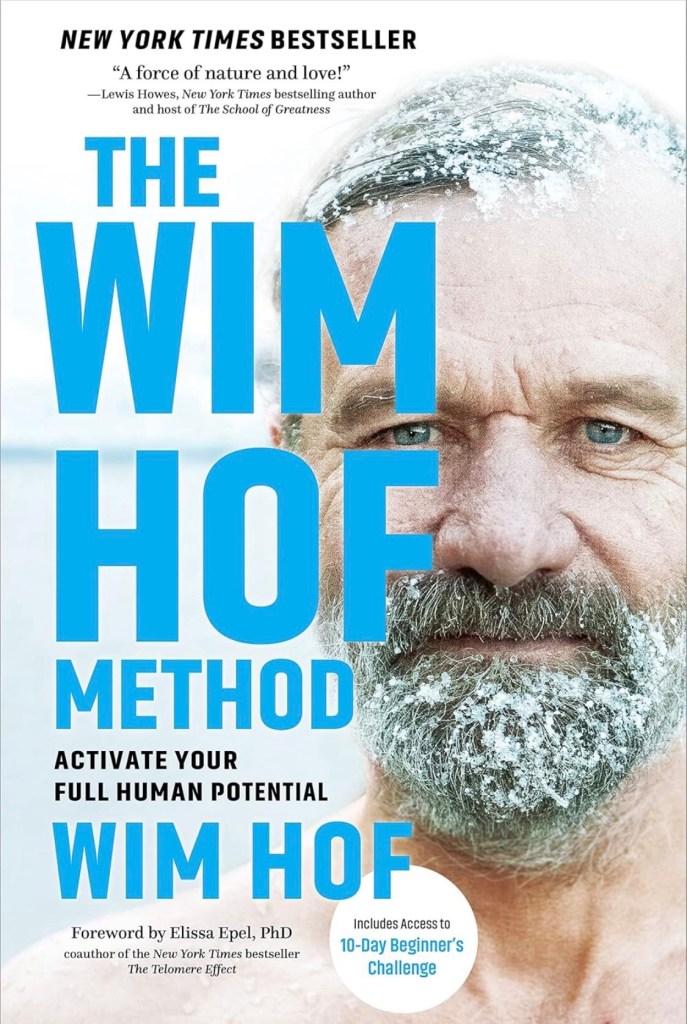

The Wim Hof Method Summary & Review: Does It Really Work?

A clear, practical review of The Wim Hof Method. Learn how breathing, cold exposure, and mindset can improve energy, stress, and resilience.

You’ve probably heard of cold plunges, ice baths, or breathing techniques that claim to unlock something deeper in the body. Maybe you’ve even wondered: Is this real science—or just another wellness trend?

The Wim Hof Method sits right at that intersection.

In this article, we’ll break down what the method actually is, what the book teaches, and whether it’s worth your time—especially if you’re interested in performance, recovery, or mental resilience.

What Is The Wim Hof Method?

The Wim Hof Method by Wim Hof introduces a system built on three core pillars:

1. Breathing

A controlled breathing technique involving:

Deep inhalations Passive exhalations Breath retention

This is designed to influence oxygen and CO₂ levels, creating a temporary stress response that can strengthen the nervous system.

2. Cold Exposure

Gradual exposure to cold through:

Cold showers Ice baths Outdoor exposure

The idea is that controlled cold stress:

Improves circulation Builds resilience Reduces inflammation

3. Mindset & Commitment

This is the often-overlooked piece:

Focus Consistency Willingness to embrace discomfort

The method emphasizes that transformation happens when you intentionally step outside your comfort zone.

Key Ideas from the Book

Stress Can Be Trained—Not Just Managed

The book reframes stress as something useful.

Instead of avoiding stress, Hof suggests:

Controlled stress (like cold or breath holds) Leads to better emotional regulation over time

This aligns with modern psychology around hormetic stress—small doses of challenge that make you stronger.

You Have More Control Than You Think

One of the bold claims:

You can influence your:

Immune system Inflammation Energy levels

Some research cited in the book suggests trained practitioners can alter physiological responses typically considered automatic.

The Body and Mind Are Not Separate

The method bridges:

Physical practices (cold, breathing) Mental outcomes (clarity, calm, focus)

This holistic approach resonates with both ancient practices and modern neuroscience.

What the Science Says (In Plain Terms)

The book references studies showing that practitioners can:

Activate the sympathetic nervous system voluntarily Reduce inflammatory markers

In simpler terms:

You may be able to train your body to handle stress better.

However:

Not all claims are universally accepted More long-term research is still needed

Benefits People Commonly Report

From both the book and broader user experiences:

Increased energy Improved mood Better stress tolerance Faster recovery after workouts Stronger mental discipline

Criticisms & Limitations

A grounded review wouldn’t skip these:

1. Some Claims Are Overstated

While impressive, certain benefits may be:

Individual-dependent Not guaranteed

2. Risk If Done Improperly

Breathwork can cause dizziness Cold exposure can be dangerous if rushed

The book does emphasize gradual progression—but readers sometimes skip that part.

3. Repetition in the Book

The content could be shorter:

Some sections repeat ideas It leans motivational at times

Who This Book Is Best For

This book is a strong fit if you:

Are interested in mental toughness Want natural ways to improve recovery Are open to cold exposure and breathwork Enjoy hands-on practices, not just theory

Less ideal if you prefer:

Purely scientific, data-heavy books Passive or low-effort lifestyle changes

Practical Takeaways (You Can Try Today)

1. Start with Breathing (Safely)

30 deep breaths Hold on exhale Repeat 2–3 rounds

👉 Always seated or lying down

2. End Your Shower Cold

Start with 15–30 seconds Build gradually over weeks

3. Reframe Discomfort

Instead of avoiding it, try:

Viewing discomfort as training Not punishment

This mental shift alone is powerful.

Final Verdict

The Wim Hof Method is not just a book—it’s a practice.

At its core, it teaches something simple but powerful:

You can train your response to stress—physically and mentally.

It’s not magic. It’s not effortless.

But if you’re willing to engage with it, the method offers a direct, experiential way to build resilience in both body and mind.

Grab the book here and embrace the benefits of the cold! The Wim Hof Method