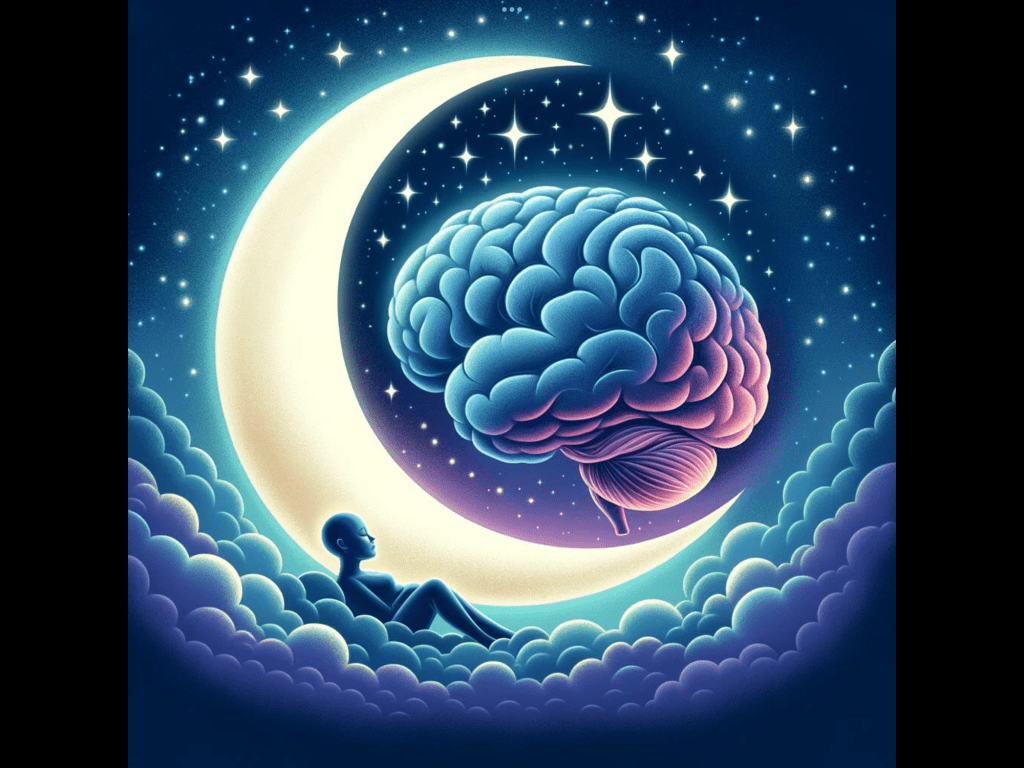
10 Reasons Why Quality Sleep Is Essential for Health and Focus

Discover 10 science-backed reasons why quality sleep improves health, focus, mood, and longevity—and how to start sleeping better tonight.

You already know sleep matters—but most people still treat it like it’s optional. Late nights, screens, stress, and inconsistent routines quietly erode something essential: your ability to think clearly, feel balanced, and function at your best.

If you’ve ever felt foggy, irritable, or unmotivated, poor sleep may be the hidden cause. The truth is, quality sleep isn’t just rest—it’s active restoration for your brain and body.

In this article, we’ll explore 10 powerful reasons why sleep is one of the most important habits you can build—and how it affects nearly every part of your life.

1. Sleep Strengthens Brain Function

During sleep, your brain processes information, consolidates memories, and clears out metabolic waste.

Without enough quality sleep:

Focus declines Reaction time slows Learning becomes harder

Think of sleep as your brain’s nightly reset.

2. It Regulates Mood and Emotional Stability

Sleep deprivation is closely linked to anxiety and irritability.

When you’re well-rested:

You respond instead of react Emotional resilience improves Stress feels more manageable

Even one poor night can amplify negative emotions.

3. Sleep Supports Physical Recovery

Your body repairs muscle tissue, releases growth hormone, and reduces inflammation while you sleep.

This is especially important if you:

Exercise regularly Lift weights Are recovering from injury

No recovery = no progress.

4. It Improves Immune Function

Consistent, quality sleep strengthens your immune system.

Poor sleep is associated with:

Increased risk of illness Slower recovery Higher inflammation

In simple terms: sleep helps your body fight back.

5. Sleep Enhances Memory and Learning

Your brain organizes and stores new information during deep sleep cycles.

Students, musicians, and professionals benefit from:

Better retention Faster skill acquisition Improved creativity

Sleep is a learning multiplier.

6. It Helps Maintain a Healthy Weight

Sleep regulates hormones like ghrelin (hunger) and leptin (fullness).

When sleep is lacking:

Cravings increase (especially for sugar) Appetite rises Metabolism becomes less efficient

This is why poor sleep often leads to overeating.

7. Sleep Supports Heart Health

Chronic sleep deprivation is linked to:

High blood pressure Increased heart disease risk Elevated stress hormones

Your cardiovascular system needs rest just as much as your muscles do.

8. It Improves Focus and Productivity

After a good night’s sleep:

You think more clearly You make better decisions You complete tasks faster

Sleep is one of the most underrated productivity tools.

9. Sleep Promotes Longevity

Long-term sleep quality is associated with a longer, healthier life.

Poor sleep patterns over time can increase risk of:

Chronic disease Cognitive decline Early mortality

Sleep is an investment in your future self.

10. It Supports Creativity and Problem-Solving

During REM sleep, your brain makes new connections between ideas.

This leads to:

Creative breakthroughs Improved problem-solving Better insight and intuition

Many “aha” moments come after rest—not effort.

Practical Takeaways: How to Improve Your Sleep

Here are simple, research-backed steps you can start tonight:

Keep a consistent sleep schedule (even on weekends) Limit screen time 60 minutes before bed Create a cool, dark sleeping environment Avoid caffeine 6–8 hours before sleep Try a wind-down routine (reading, stretching, breathing) Get morning sunlight to regulate your internal clock

Consistency matters more than perfection.

If you found this helpful, consider exploring more practical wellness insights on Mindful Explorer


The Power of Gratitude: How It Transforms Your Mind and Life

Discover the science-backed benefits of gratitude and how a simple daily practice can improve your mood, relationships, and overall well-being.


What if one of the most powerful tools for improving your mental health, relationships, and daily happiness was already available to you—right now?

Gratitude often sounds simple, even cliché. But beneath that simplicity lies something deeply transformative. In a world wired for stress, comparison, and constant striving, gratitude shifts your attention toward what is already meaningful.

This article matters because gratitude isn’t just a “feel-good” idea—it’s a proven psychological practice that can rewire how you experience life.


What Gratitude Really Is (Beyond Saying “Thank You”)

Gratitude is more than politeness. It’s a way of seeing.

At its core, gratitude is the intentional recognition of value—especially in things we usually overlook.

This can include:

  • A conversation that made you feel understood
  • Your body carrying you through the day
  • A quiet moment without distraction
  • Food, shelter, or safety

Gratitude doesn’t ignore hardship. It expands your awareness so that difficulty isn’t the only thing you notice.


The Psychology Behind Gratitude

From a psychological perspective, gratitude works because it reshapes attention.

Your brain has a built-in negativity bias—it naturally scans for problems, threats, and what’s missing. This helped humans survive, but it can also make modern life feel constantly insufficient.

Gratitude interrupts that pattern.

Research in positive psychology shows that practicing gratitude can:

  • Increase baseline happiness
  • Reduce symptoms of anxiety and depression
  • Improve sleep quality
  • Strengthen emotional resilience

Why?

Because what you repeatedly focus on becomes your experience. Gratitude gently trains your mind to notice what is working, not just what is broken.


Gratitude and the Nervous System

Gratitude doesn’t just change thoughts—it affects your body.

When you intentionally reflect on something meaningful or appreciated, your nervous system can shift out of stress mode (fight-or-flight) and into a calmer, more regulated state.

This is often associated with:

  • Slower heart rate
  • Reduced cortisol (stress hormone)
  • Increased feelings of safety

In simple terms, gratitude signals: “Right now, there is something okay here.”

That message alone can be powerful.


Why Gratitude Feels Difficult Sometimes

If gratitude is so beneficial, why doesn’t it always come naturally?

Because it can feel forced—especially during stress, loss, or frustration.

Common barriers include:

  • Comparison: Focusing on what others have
  • Adaptation: Quickly getting used to good things
  • Emotional overwhelm: When problems feel too big

Gratitude is not about denying these realities.

Instead, it’s about holding two truths at once:

  • Something is difficult
  • Something is still meaningful

That balance is where real resilience grows.


Simple Ways to Practice Gratitude (That Actually Work)

You don’t need a complicated routine. What matters is consistency and sincerity.

1. The “Three Noticings” Practice

At the end of the day, write or reflect on three things you noticed and appreciated.

They should be specific:

  • Not “my family”
  • But “the way we laughed at dinner”

Specificity deepens the emotional impact.


2. Gratitude Walks

Take a walk and intentionally notice things you usually ignore:

  • The texture of trees
  • The rhythm of your steps
  • The feeling of fresh air

This combines mindfulness with appreciation.


3. Express It to Someone

Tell someone what you appreciate about them—clearly and directly.

This not only strengthens relationships but reinforces your own sense of connection.


4. Reframing Challenges

Ask yourself:

“Is there anything in this situation that is helping me grow, learn, or pause?”

This isn’t about forcing positivity—it’s about widening perspective.


The Long-Term Impact of Gratitude

Over time, gratitude becomes less of a practice and more of a lens.

You may begin to notice:

  • More patience in stressful situations
  • Greater satisfaction with everyday life
  • Stronger relationships
  • A quieter, steadier mind

Life doesn’t suddenly become perfect.

But your relationship to life changes—and that makes all the difference.


Practical Takeaways

  • Gratitude is a skill, not a personality trait
  • It works by shifting attention, not denying reality
  • Small, consistent practices are more effective than big gestures
  • Specificity makes gratitude more powerful
  • It supports both mental and physical well-being


If this resonated with you, consider building a small daily gratitude practice this week—and notice what changes.

Or explore our deeper guide on mindfulness to strengthen your awareness even further.


Why Starting Over Is a Superpower (Not a Failure)

Starting over can feel like failure—but it’s actually a powerful reset. Learn how beginning again builds resilience, clarity, and long-term success

At some point, almost everyone faces a moment where life doesn’t go as planned.

A job ends. A relationship shifts. A dream quietly dissolves.

And with it comes a heavy thought: “I’m back at square one.”

But what if that idea is wrong?

What if starting over isn’t a setback—but a hidden advantage?

This article explores why beginning again is not only normal, but one of the most powerful moves you can make for your growth, identity, and future.

Why We Fear Starting Over

Starting over feels uncomfortable because it challenges two deep psychological needs:

Stability – We want things to stay predictable Identity – We attach our worth to what we’ve built

When something ends, it can feel like losing part of yourself—not just your situation.

There’s also a cultural layer:

We’re taught that success is linear.

That progress should only move forward.

That going “backward” means failure.

But real life doesn’t work that way.

Growth is cyclical. And sometimes, progress requires a reset.

The Hidden Power of a Fresh Start

Starting over clears space in a way nothing else can.

When you’re no longer tied to what was, you gain:

1. Clarity You Didn’t Have Before

Experience changes how you see things.

You now know:

What you actually enjoy What drains your energy What matters long-term

You’re not starting from zero—you’re starting from insight.

2. Freedom to Choose Differently

When you begin again, you’re no longer bound by:

Old expectations Outdated goals Other people’s definitions of success

This is your chance to rebuild intentionally.

3. Increased Resilience

Psychologically, overcoming disruption strengthens your ability to adapt.

Each time you start over, you prove something to yourself:

“I can rebuild.”

That belief becomes a quiet form of confidence that no one can take away.

Starting Over Is How Growth Actually Works

If you zoom out, life is full of restarts:

Students graduate and start new careers Athletes reinvent their training after injury Musicians refine their sound after failure People relocate, pivot, rebuild, and evolve

Even nature operates this way.

Seasons as a Model:

Fall: Letting go Winter: Stillness and uncertainty Spring: Renewal Summer: Growth

You’re not off track—you’re in a different season.

The Psychology of Reinvention

Research in behavioral psychology shows that “fresh start effects” can actually improve motivation.

Moments like:

A new year A move A career change

…create a mental separation from the past.

This makes it easier to:

Break old habits Set new goals Redefine identity

Instead of carrying past mistakes forward, you mentally reset your baseline.

What Holds People Back From Starting Over

Even when a reset is needed, many people stay stuck because of:

1. Fear of Judgment

“What will people think?”

But most people are too focused on their own lives to judge yours deeply.

2. Sunk Cost Thinking

“I’ve already invested so much time.”

This is a cognitive bias. Past effort doesn’t justify staying in something that no longer serves you.

3. Ego Attachment

Admitting something didn’t work can feel like failure.

But in reality, it’s a sign of awareness.

How to Start Over—Without Losing Yourself

Starting over doesn’t mean erasing your past.

It means using it wisely.

Here’s a grounded approach:

1. Extract Lessons First

Before moving on, ask:

What worked? What didn’t? What would I do differently?

Write it down. This is your blueprint.

2. Start Small, Not Perfect

You don’t need a complete life overhaul.

Begin with:

A new routine One meaningful goal A small daily habit

Momentum matters more than perfection.

3. Redefine Success

Instead of focusing on outcomes, focus on:

Alignment Consistency Energy

If it feels more right, you’re on the right path.

4. Build Identity Through Action

Don’t wait to feel like the “new version” of yourself.

Act like it first.

Want to be healthier? Move daily Want to be creative? Create regularly Want to be disciplined? Show up consistently

Identity follows behavior.

A Quiet Truth Most People Miss

Starting over isn’t a sign that you failed.

It’s a sign that you refused to stay stuck.

That takes awareness.

That takes courage.

That takes growth.

Most people don’t start over when they should.

They settle.

Practical Takeaways

Starting over is not zero—it’s experience plus clarity Growth often requires letting go of what no longer fits Fresh starts can boost motivation and break old habits Fear of judgment and sunk cost bias are the biggest blockers Small, consistent actions rebuild identity faster than big plans

If this resonated with you, explore another article on Mindful Explorer that helps you rebuild with intention and clarity.

How Local Parks Improve Mental Health: Science-Backed Benefits

Discover how local parks improve mental health through stress reduction, mood boosts, and focus. Learn simple ways to use nature for daily well-being.

You don’t need a retreat—just a nearby park

You might think improving your mental health requires big changes: therapy, travel, or a full lifestyle overhaul. But what if one of the most powerful tools is already close to you?

Local parks—those simple green spaces you pass every day—quietly offer something profound. They regulate stress, restore attention, and reconnect you with a slower, more grounded rhythm of life.

This isn’t just poetic thinking. It’s backed by psychology, neuroscience, and decades of research. Let’s explore how something as ordinary as a park can reshape your mental well-being.

🌿 The Science of Nature and the Mind

Psychologists often refer to two key theories when explaining why nature helps us:

1. Attention Restoration Theory (ART)

Modern life demands constant focus—notifications, screens, deadlines.

Nature, by contrast:

Gently captures your attention (rustling leaves, birds, wind) Requires no effort to process Allows your brain to “reset”

This restores your ability to concentrate and think clearly.

2. Stress Reduction Theory

Natural environments signal safety to the brain.

This leads to:

Lower cortisol (stress hormone) Reduced heart rate Improved emotional regulation

Even 10–20 minutes in a park can produce measurable effects.

🧠 5 Mental Health Benefits of Local Parks

1. Reduced Anxiety and Stress

Walking through a park shifts your nervous system from “fight-or-flight” to “rest-and-digest.”

You may notice:

Slower breathing Less mental tension A feeling of spaciousness in your thoughts

2. Improved Mood and Emotional Balance

Exposure to greenery has been linked to:

Increased serotonin activity Reduced rumination (overthinking)

In simple terms: parks help interrupt negative thought loops.

3. Better Focus and Cognitive Function

If you feel mentally drained, a park visit can act like a reset button.

Studies show:

Improved memory after nature walks Better task performance Increased creativity

This is especially useful if your work involves thinking, teaching, or creating.

4. Increased Physical Activity (Without Pressure)

Unlike gyms, parks invite movement without structure.

You might:

Walk longer without noticing Stretch or sit freely Engage in light, natural exercise

This lowers resistance to staying active—which indirectly boosts mental health.

5. Social Connection and Belonging

Parks are subtle social spaces.

Even without direct interaction:

Seeing others reduces feelings of isolation Shared public space builds a sense of community Casual conversations happen more naturally

🌎 Why Local Parks Matter More Than You Think

You don’t need a national park or remote wilderness.

In fact, nearby, accessible nature is often more impactful because:

You can visit consistently It becomes part of your routine Familiarity builds emotional attachment

This concept is sometimes called “everyday nature”—and it’s one of the most powerful forms of mental health support.

🧭 How to Use Parks for Mental Health (Practical Guide)

You don’t need to “optimize” your park visit. But a few intentional habits can deepen the benefits:

Simple Practices to Try

10-Minute Reset Walk No phone. Just walk and observe. Sit Spot Practice Return to the same bench or tree regularly. Notice subtle changes. Sensory Awareness Ask yourself: What do I hear? What do I feel? What’s moving? Journaling Outdoors Even 5 minutes of writing in nature can clarify thoughts. Stack It With Habits Pair park time with: Morning coffee Post-work decompression Light stretching

⚠️ A Realistic Note: Parks Aren’t a Cure-All

Nature helps—but it’s not a replacement for deeper support when needed.

Think of parks as:

A daily stabilizer A mental reset tool A foundation habit

Not a substitute for therapy, but a powerful complement.

🌱 Final Thought

Local parks don’t demand anything from you.

They don’t track your progress. They don’t ask you to perform.

They simply offer space—mental, emotional, and physical.

And in a world that constantly pulls your attention outward, that quiet space might be exactly what your mind needs.

If this resonated with you, consider building a simple weekly ritual around your nearest park—and explore more ideas on mindful living here on Mindful Explorer.

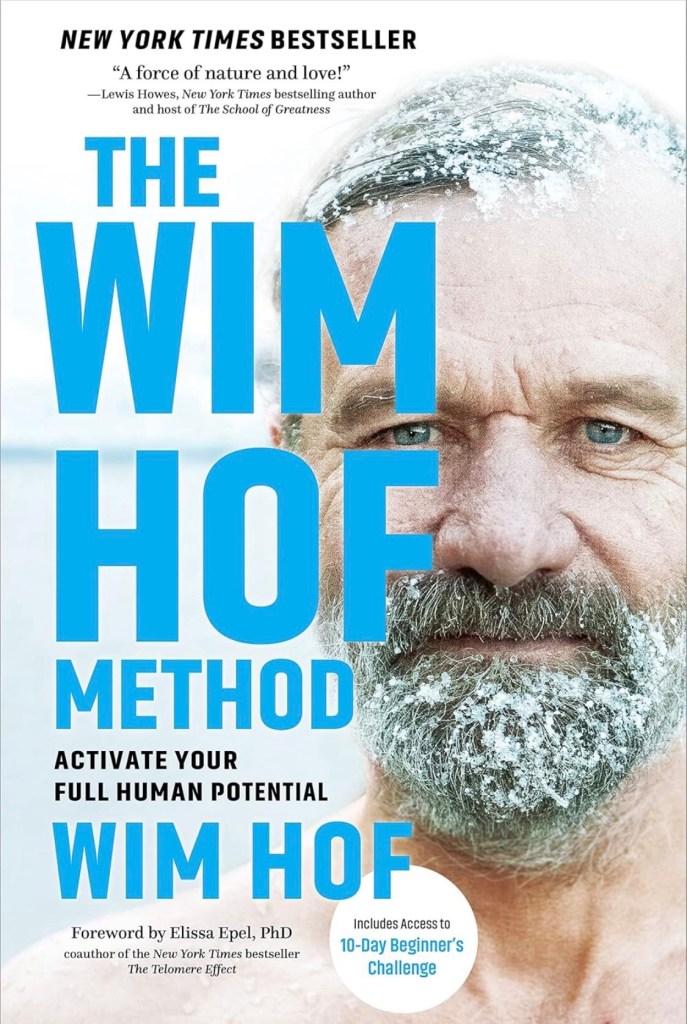
The Wim Hof Method Summary & Review: Does It Really Work?

A clear, practical review of The Wim Hof Method. Learn how breathing, cold exposure, and mindset can improve energy, stress, and resilience.

You’ve probably heard of cold plunges, ice baths, or breathing techniques that claim to unlock something deeper in the body. Maybe you’ve even wondered: Is this real science—or just another wellness trend?

The Wim Hof Method sits right at that intersection.

In this article, we’ll break down what the method actually is, what the book teaches, and whether it’s worth your time—especially if you’re interested in performance, recovery, or mental resilience.

What Is The Wim Hof Method?

The Wim Hof Method by Wim Hof introduces a system built on three core pillars:

1. Breathing

A controlled breathing technique involving:

Deep inhalations Passive exhalations Breath retention

This is designed to influence oxygen and CO₂ levels, creating a temporary stress response that can strengthen the nervous system.

2. Cold Exposure

Gradual exposure to cold through:

Cold showers Ice baths Outdoor exposure

The idea is that controlled cold stress:

Improves circulation Builds resilience Reduces inflammation

3. Mindset & Commitment

This is the often-overlooked piece:

Focus Consistency Willingness to embrace discomfort

The method emphasizes that transformation happens when you intentionally step outside your comfort zone.

Key Ideas from the Book

Stress Can Be Trained—Not Just Managed

The book reframes stress as something useful.

Instead of avoiding stress, Hof suggests:

Controlled stress (like cold or breath holds) Leads to better emotional regulation over time

This aligns with modern psychology around hormetic stress—small doses of challenge that make you stronger.

You Have More Control Than You Think

One of the bold claims:

You can influence your:

Immune system Inflammation Energy levels

Some research cited in the book suggests trained practitioners can alter physiological responses typically considered automatic.

The Body and Mind Are Not Separate

The method bridges:

Physical practices (cold, breathing) Mental outcomes (clarity, calm, focus)

This holistic approach resonates with both ancient practices and modern neuroscience.

What the Science Says (In Plain Terms)

The book references studies showing that practitioners can:

Activate the sympathetic nervous system voluntarily Reduce inflammatory markers

In simpler terms:

You may be able to train your body to handle stress better.

However:

Not all claims are universally accepted More long-term research is still needed

Benefits People Commonly Report

From both the book and broader user experiences:

Increased energy Improved mood Better stress tolerance Faster recovery after workouts Stronger mental discipline

Criticisms & Limitations

A grounded review wouldn’t skip these:

1. Some Claims Are Overstated

While impressive, certain benefits may be:

Individual-dependent Not guaranteed

2. Risk If Done Improperly

Breathwork can cause dizziness Cold exposure can be dangerous if rushed

The book does emphasize gradual progression—but readers sometimes skip that part.

3. Repetition in the Book

The content could be shorter:

Some sections repeat ideas It leans motivational at times

Who This Book Is Best For

This book is a strong fit if you:

Are interested in mental toughness Want natural ways to improve recovery Are open to cold exposure and breathwork Enjoy hands-on practices, not just theory

Less ideal if you prefer:

Purely scientific, data-heavy books Passive or low-effort lifestyle changes

Practical Takeaways (You Can Try Today)

1. Start with Breathing (Safely)

30 deep breaths Hold on exhale Repeat 2–3 rounds

👉 Always seated or lying down

2. End Your Shower Cold

Start with 15–30 seconds Build gradually over weeks

3. Reframe Discomfort

Instead of avoiding it, try:

Viewing discomfort as training Not punishment

This mental shift alone is powerful.

Final Verdict

The Wim Hof Method is not just a book—it’s a practice.

At its core, it teaches something simple but powerful:

You can train your response to stress—physically and mentally.

It’s not magic. It’s not effortless.

But if you’re willing to engage with it, the method offers a direct, experiential way to build resilience in both body and mind.

Grab the book here and embrace the benefits of the cold! The Wim Hof Method

What Is the Rainforest Alliance and Why It Matters Today

Learn what the Rainforest Alliance is, how its certification works, and why it plays a key role in protecting forests, workers, and sustainable food systems.

You’ve probably seen the little green frog on coffee, chocolate, or bananas—but what does it actually mean? In a world where “eco-friendly” labels are everywhere and greenwashing is common, understanding which certifications genuinely matter has become a form of modern mindfulness. The Rainforest Alliance is one of the most visible sustainability organizations in the world, but its importance goes far beyond a logo. This article explores what the Rainforest Alliance is, how it works, and why it plays a meaningful—if imperfect—role in protecting ecosystems, workers, and the long-term health of our food systems.

What Is the Rainforest Alliance?

The Rainforest Alliance is an international nonprofit organization founded in 1987 with a mission to protect forests, improve rural livelihoods, and promote sustainable land use.

Rather than focusing only on conservation in isolation, the Rainforest Alliance works at the intersection of:

Environmental protection Social justice for workers and farmers Economic sustainability for producers

Their core belief is practical: forests won’t survive unless the people who depend on them can also survive.

How the Rainforest Alliance Works

Certification as a Tool, Not a Goal

The Rainforest Alliance is best known for its certification program, which applies to farms, forests, and supply chains. Certification is not about perfection—it’s about continuous improvement.

To earn certification, producers must meet standards related to:

Environmental protection Preventing deforestation Protecting biodiversity and wildlife habitat Conserving water and soil health Social responsibility Prohibiting child labor and forced labor Improving workplace safety Respecting workers’ rights Economic resilience Improving farm productivity Reducing long-term climate risk Supporting farmer training and knowledge

Independent auditors verify compliance, and standards are updated regularly based on new science and feedback.

The Frog Seal Explained

The Rainforest Alliance’s green frog seal is intentionally symbolic. Frogs are considered indicator species—their health reflects the health of entire ecosystems.

When you see the frog seal, it means:

Ingredients were sourced from certified farms or forests Environmental and labor standards were applied The supply chain met traceability requirements

It does not mean the product is carbon-neutral, perfectly ethical, or immune from global market pressures—but it does indicate a higher baseline of responsibility than conventional production.

Why the Rainforest Alliance Is Important

1. It Protects Forests Where It Counts

Agriculture is the leading driver of global deforestation. Rainforest Alliance certification directly targets this problem by:

Requiring zero deforestation in certified areas Encouraging shade-grown and agroforestry systems Supporting land-use planning that preserves ecosystems

Instead of separating “nature” and “food,” the model integrates them.

2. It Improves Conditions for Farmers and Workers

Many smallholder farmers live in poverty despite producing global commodities. The Rainforest Alliance:

Provides training in sustainable farming practices Improves safety standards and labor protections Helps farmers adapt to climate change

While it doesn’t guarantee wealth, it reduces vulnerability—and that matters in a warming world.

3. It Addresses Climate Change Practically

Rather than abstract climate pledges, the Rainforest Alliance focuses on:

Climate-smart agriculture Soil carbon retention Reduced chemical dependency Resilient crop systems

These are quiet, unglamorous changes—but they scale.

4. It Creates Accountability in Supply Chains

Large corporations dominate global food systems. Rainforest Alliance certification:

Forces transparency Applies third-party verification Makes sustainability measurable rather than symbolic

It’s not anti-capitalist—but it does apply pressure where consumers alone cannot.

Common Criticisms (and Why They Matter)

Mindful consumption means understanding limitations, not ignoring them.

“Certification Doesn’t Fix Everything”

True. Certification cannot solve:

Global inequality Commodity price volatility Structural poverty

But it can improve conditions within those constraints.

“Standards Aren’t Enforced Everywhere”

Enforcement quality varies by region. This is a valid concern—and one the organization openly acknowledges by revising audit systems and grievance mechanisms.

“Farmers Don’t Always Earn More”

Rainforest Alliance certification focuses on conditions and resilience, not guaranteed price premiums (unlike Fair Trade). This makes it more scalable, but also more incremental.

Rainforest Alliance vs Other Labels

USDA Organic → Focuses on chemical inputs, not labor Fair Trade → Focuses on pricing and premiums, less on ecosystems Rainforest Alliance → Focuses on whole systems: land, labor, climate

No single label is sufficient. Together, they form a partial map—not a destination.

Practical Takeaways for Everyday Life

If you’re trying to live more intentionally without becoming overwhelmed:

Use Rainforest Alliance as a baseline, not a badge of moral purity Prioritize it for high-impact products: Coffee Chocolate Tea Bananas Combine certification awareness with: Reduced consumption Local sourcing when possible Curiosity about supply chains

Mindfulness isn’t about buying the “right” thing—it’s about paying attention.

If this kind of clarity helps you navigate everyday decisions with less noise and more intention, consider subscribing to the Mindful Explorer newsletter—quiet insights for curious minds.

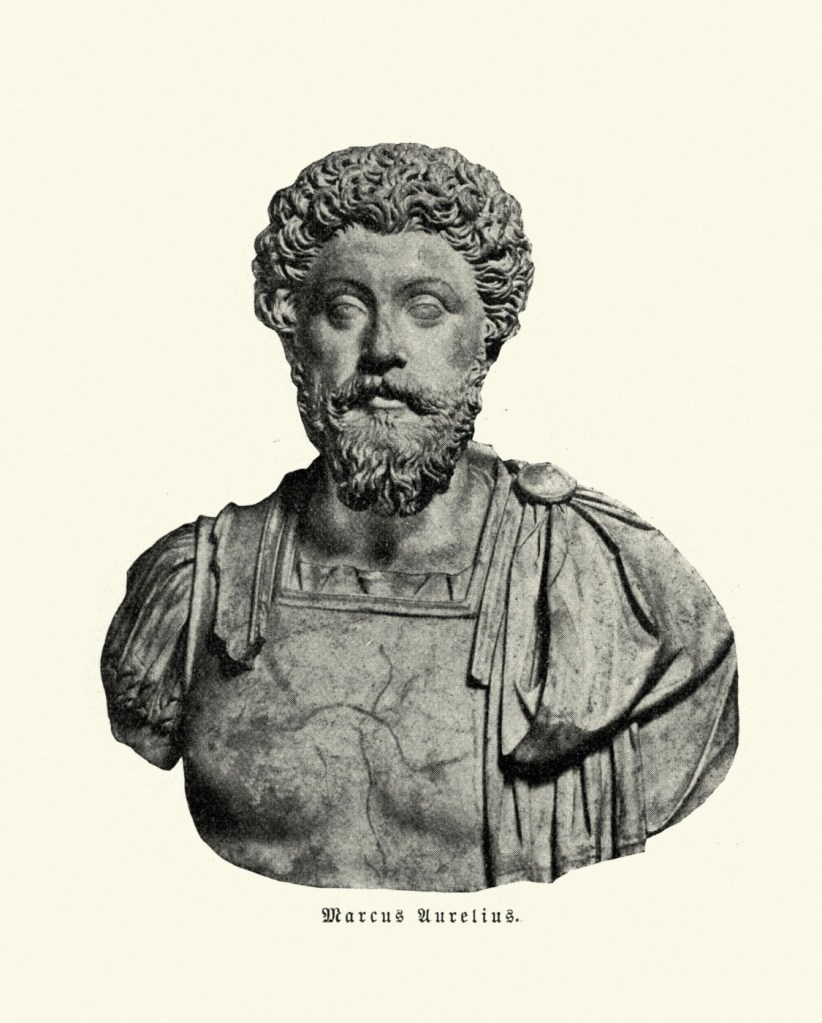
Marcus Aurelius: Stoic Wisdom for a Noisy Modern World

Explore Marcus Aurelius’ Stoic philosophy and how his quiet wisdom helps modern readers build resilience, clarity, and inner peace.

If you’ve ever felt overwhelmed by noise—notifications, opinions, constant urgency—you’re not alone. Two thousand years ago, a Roman emperor faced war, plague, betrayal, and political pressure on a scale most of us can’t imagine. And yet, he wrote reminders to himself about patience, humility, and inner calm.

That man was Marcus Aurelius.

What makes Marcus Aurelius extraordinary isn’t just that he ruled an empire. It’s that he used philosophy not to escape responsibility, but to meet it with steadiness. His private journal, later published as Meditations, has become one of the most enduring guides to mindful living—precisely because it was never meant to impress anyone.

This article explores who Marcus Aurelius was, what he believed, and why his Stoic wisdom still matters in the modern world.

Who Was Marcus Aurelius?

Marcus Aurelius Antoninus (121–180 CE) was the last of Rome’s “Five Good Emperors.” He ruled during a turbulent period marked by military conflict, economic strain, and the Antonine Plague.

Despite his power, Marcus never saw himself as exceptional.

He was:

A reluctant ruler rather than a glory-seeker A student of philosophy before a politician A deeply reflective person living in an unreflective world

Unlike many philosophers, Marcus did not write abstract treatises. Meditations is a collection of personal notes—self-reminders written during military campaigns, often at night, in tents near the front lines.

That intimacy is what gives the text its power.

Stoicism in Plain Language

Stoicism is often misunderstood as emotional suppression. In reality, it’s about emotional clarity.

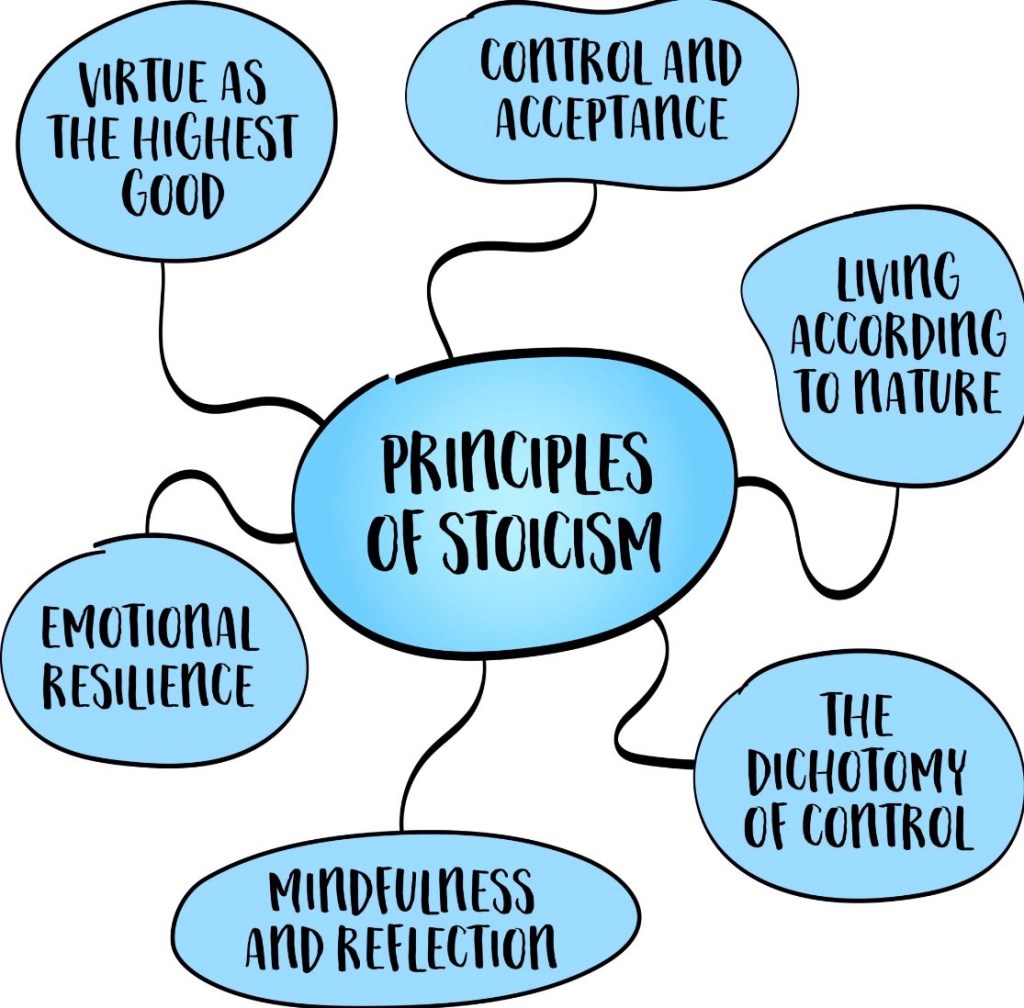
At its core, Stoicism teaches:

Focus on what you can control Accept what you cannot Act with virtue regardless of circumstance

Marcus returned to these ideas repeatedly—not because he mastered them, but because he struggled with them like anyone else.

The Dichotomy of Control

One of Marcus’ most practical insights is simple:

Some things are up to us. Some things are not.

He reminds himself that:

Other people’s opinions are not under his control The past and future are not under his control His judgments, intentions, and actions are

This distinction becomes a powerful antidote to anxiety. Much of our stress comes from trying to manage outcomes instead of responses.

Power Without Ego

What’s remarkable about Marcus Aurelius is how often he warns himself against arrogance.

He writes reminders like:

You are temporary You are no more important than others Praise and blame vanish quickly

This is not false humility—it’s realism.

Marcus understood that power amplifies character. Without inner discipline, authority leads to cruelty or excess. With discipline, it becomes service.

In a modern context—leadership roles, teaching, parenting, community work—this mindset remains deeply relevant.

Nature as a Moral Teacher

Marcus frequently uses nature as a grounding reference.

He observes:

Everything follows natural processes Decay and death are not failures but transitions Resistance to reality causes suffering

Rather than romanticizing nature, he treats it as a teacher of impermanence and cooperation.

This perspective aligns closely with modern ideas in mindfulness and ecological psychology: when we see ourselves as part of a larger system, our anxieties shrink to scale.

Why Meditations Still Resonates Today

Marcus Aurelius never intended Meditations to be published. That’s why it feels honest.

He writes about:

Anger he’s trying to restrain Fatigue from dealing with difficult people The temptation to avoid responsibility

These struggles feel strikingly modern.

In an age of personal branding and public performance, Marcus offers something rare: philosophy without an audience.

Practical Takeaways for Modern Life

Marcus Aurelius doesn’t offer hacks. He offers habits of thought.

Here are a few ways his wisdom translates today:

1. Start the Day with Mental Framing

Marcus reminded himself each morning that he would encounter difficult people—and that this was normal.

Try this: Before checking your phone, name three likely challenges of the day and how you intend to meet them calmly.

2. Shorten the Feedback Loop

He often notes how quickly fame, insult, and praise disappear.

Try this: When you feel reactive, ask: Will this matter in a year? A month? A week?

3. Practice Quiet Virtue

Marcus believed right action didn’t require recognition.

Try this: Do one helpful act each day without telling anyone.

4. Remember Impermanence—Gently

Rather than fearing death, Marcus used mortality to sharpen gratitude.

Try this: Notice one ordinary moment—walking, cooking, listening—and fully inhabit it.

Internal Links (Related Reading)

[Internal link: Stoicism and modern mental health] [Internal link: Mindfulness practices for everyday stress] [Internal link: Nature, impermanence, and meaning]

A Quiet Legacy

Marcus Aurelius never claimed enlightenment. He simply tried—again and again—to live with integrity under pressure.

That’s why his work endures.

In a culture obsessed with speed, outrage, and certainty, Marcus offers something slower and sturdier: attention, restraint, and responsibility.

You don’t need to be an emperor to benefit from that.

Soft Call-to-Action

If this kind of reflective philosophy resonates with you, consider subscribing to the Mindful Explorer newsletter for thoughtful essays on psychology, nature, and meaning—delivered calmly, not constantly.

For an easy yet thought provoking read on Stoic philosophy check out The Daily Stoic.

If you’re looking for something more in depth, pick up a copy of Meditations written by Marcus Aurelius himself.

📱 Why Smartphone Boundaries Are an Act of Self-Respect

Why smartphone boundaries are essential for attention, creativity, and mental clarity. A mindful approach to technology that restores agency and depth.

We don’t lack discipline—we lack boundaries

The modern smartphone is a marvel: a map, a library, a studio, a marketplace, and a social space all in one. But without boundaries, it quietly becomes something else—a habitat instead of a tool.

And when we live inside our phones, we slowly abandon the places where meaning actually forms: silence, boredom, nature, deep focus, and unbroken thought.

Smartphone boundaries aren’t about rejection or technophobia.

They’re about self-respect.

Attention is a finite natural resource

We talk about time management, but time isn’t the real currency—attention is.

Attention fuels:

creativity emotional regulation learning memory long-term life design

Smartphones fragment attention by design. Notifications, infinite scroll, and variable rewards train the brain toward constant novelty and reactivity.

The result isn’t laziness.

It’s shallowness without intention.

Creativity doesn’t disappear from lack of effort—it disappears from interruption.

The nervous system cost of constant connection

Even “neutral” phone use keeps the nervous system lightly activated:

shallow breathing background anxiety impatience reduced tolerance for stillness

This low-grade stimulation prevents the mental exhale required for insight, reflection, and emotional depth.

Boundaries restore rhythm.

Boredom is not the enemy

Boredom has been unfairly maligned.

In reality, boredom is the threshold state where:

melodies emerge essays begin forming clarity about life decisions appears

Smartphones eliminate boredom instantly—and with it, the quiet conditions that generate original thought.

When boredom disappears, creativity follows.

Boundaries are not restriction—they’re alignment

Healthy smartphone boundaries aren’t about using your phone less.

They’re about using it in alignment with your values.

Instead of asking:

“Should I be on my phone right now?”

Try asking:

“Is my phone helping me become the person I’m trying to be?”

Boundaries shift the phone from default behavior to intentional choice.

Simple boundaries with outsized impact

You don’t need a digital detox or a monk’s discipline.

A few structural shifts create disproportionate benefits.

High-leverage boundaries:

No phone for the first hour after waking Phone-free deep work blocks Designated check-in windows for email and social media No scrolling during nature time Phone charging outside the bedroom

These are not rules—they’re protective containers for attention.

Nature is the ultimate counterbalance

Time outdoors without a phone recalibrates perception.

Colors sharpen.

Thoughts slow.

Perspective widens.

This is not accidental—humans evolved to regulate attention through landscape, not screens. Protecting phone-free nature time is one of the most powerful mental health practices available.

A quiet truth

Most people aren’t addicted to their phones.

They’re disconnected from meaning, and phones offer a constant substitute.

Boundaries don’t remove technology—they restore agency.

A mindful closing practice

Before unlocking your phone, pause and ask:

“What am I hoping this will give me?”

If the answer is unclear, don’t unlock it.

That single pause is the beginning of intentional living.

Final reflection

Smartphone boundaries are not about control.

They are about care.

Care for attention.

Care for creativity.

Care for the inner landscape where a meaningful life is shaped.

Shinrin-Yoku: How Forest Bathing Improves Mental Health

Shinrin-yoku, or forest bathing, is a Japanese practice shown to reduce stress, improve mood, and support immune health—no hiking required.

Modern life keeps your nervous system on high alert—screens, schedules, noise, and constant decision-making. Many people try to “relax” by staying busy in different ways, yet still feel tense and scattered. Shinrin-yoku, often translated as forest bathing, offers a radically simple alternative: slow down and immerse your senses in a natural environment. No fitness goal. No destination. Just presence.

This article explores what shinrin-yoku actually is, what science suggests about its benefits, and how you can practice it—whether you live near deep woods or a small city park.

What Is Shinrin-Yoku?

Shinrin-yoku (森林浴) literally means “taking in the forest atmosphere.” The term was coined in the early 1980s in Japan as a public-health response to rising stress, burnout, and lifestyle-related illness.

Unlike hiking or outdoor exercise, shinrin-yoku emphasizes:

Slow movement Sensory awareness Non-goal-oriented time in nature

You are not trying to reach a viewpoint, track steps, or improve performance. You are simply being with the forest.

The Psychology Behind Forest Bathing

Stress Reduction and the Nervous System

One of the most consistent findings in shinrin-yoku research is its effect on the stress response. Time spent in forests is associated with:

Lower cortisol (the primary stress hormone) Reduced heart rate Lower blood pressure

From a psychological standpoint, this reflects a shift from sympathetic nervous system dominance (fight-or-flight) toward parasympathetic activation (rest-and-digest).

In practical terms: your body gets the signal that it is safe to relax.

Attention Restoration Theory

Psychologists describe something called Attention Restoration Theory (ART). The idea is simple:

Urban life demands directed attention (focus, inhibition, constant choice) Nature engages soft fascination (gentle, effortless attention)

When you walk through a forest, your attention is held by:

Leaves moving in the wind Variations of light and shadow Birdsong and natural textures

This allows the brain’s executive systems to rest, often leading to:

Improved concentration afterward Reduced mental fatigue A calmer, clearer mental state

Physical Health Benefits (Beyond Relaxation)

Immune Support and Phytoncides

Trees release natural compounds called phytoncides—aromatic oils that help protect plants from insects and pathogens. When humans inhale these compounds, studies suggest they may:

Increase activity of natural killer (NK) cells Support immune regulation Reduce inflammation markers

While shinrin-yoku is not a medical treatment, it appears to support the body’s baseline resilience.

Sleep and Mood

Regular exposure to natural environments is linked to:

Better sleep quality Reduced symptoms of anxiety and depression Improved overall mood stability

Importantly, these effects often persist for days after a forest-bathing session—especially when practiced consistently.

How to Practice Shinrin-Yoku (Step by Step)

1. Choose the Right Setting

Ideal locations include:

Forest preserves Nature reserves Botanical gardens Quiet parks with dense trees

The space does not need to be remote or wild. What matters most is relative quiet and greenery.

2. Slow Down—A Lot

Move at about half your normal walking speed. If you feel impatient, that’s a sign it’s working.

Pause often. Sit if you feel drawn to it.

3. Engage the Senses

Instead of thinking about nature, experience it directly:

Sight: textures, colors, depth Sound: wind, birds, leaves Smell: soil, bark, greenery Touch: tree bark, stones, air temperature

There is no need to label or analyze what you notice.

4. Leave the Phone Behind

Photos and tracking apps shift attention outward again. If safety requires a phone, keep it on silent and out of reach.

5. Aim for 20–40 Minutes

Research suggests benefits begin around 20 minutes, with deeper effects as sessions approach 40–60 minutes.

Common Misconceptions

“It Only Works in Wild Forests”

False. Even modest green spaces can provide benefits—especially if visited regularly.

“It’s Just a Walk”

Not quite. The intention and attentional quality are what distinguish shinrin-yoku from exercise.

“You Have to Believe in It”

No belief required. Many effects occur at the physiological level, regardless of expectations.

Practical Takeaways

Schedule one forest-bathing session per week if possible Pair it with journaling or quiet reflection afterward Treat it as mental hygiene, not a productivity tool Think of nature as a regulator, not an escape

Small, consistent exposure often matters more than occasional long trips.

If this approach resonates with you, consider subscribing to the Mindful Explorer newsletter for calm, research-grounded reflections on psychology, nature, and intentional living.

Quantum Immortality: What the Thought Experiment Really Says About Life

Quantum immortality suggests you never experience your own death. Explore what this idea really means, where it comes from, and why it matters psychologically.

Have you ever wondered—quietly, maybe late at night—what it would be like to never experience your own death? Not to live forever in a fantasy sense, but to never encounter the moment where everything stops?

The idea of quantum immortality claims something strange: that from your own perspective, consciousness always continues. Death happens in some versions of reality—but not the one you experience.

This thought experiment sits at the intersection of physics, philosophy, and psychology. And while it’s often misunderstood (or sensationalized), it raises deeply human questions about fear, meaning, and how we relate to mortality.

This article unpacks what quantum immortality actually is—and why it’s far more about how we live than whether we can escape death.

What Is Quantum Immortality? (In Plain Language)

Quantum immortality is a thought experiment, not a proven scientific theory. It grows out of a particular interpretation of quantum mechanics called the Many-Worlds Interpretation.

The simplified idea goes like this:

Every time a truly random quantum event occurs, reality splits into multiple outcomes. In some versions of reality, you survive. In others, you do not. Conscious experience, the argument goes, can only continue in the branches where you remain alive.

From inside consciousness, death is never experienced—only survival.

This leads to the unsettling claim: you always find yourself alive, no matter how unlikely survival becomes.

Where the Idea Comes From: Schrödinger’s Cat, Revisited

Quantum immortality is closely related to the famous Schrödinger’s Cat thought experiment.

In that scenario:

A cat is placed in a box with a quantum-triggered poison. Until observed, the cat is both alive and dead. Observation collapses the outcome.

Quantum immortality replaces the cat with you.

Instead of the universe choosing one outcome, all outcomes exist simultaneously. From the inside, consciousness only “tracks” the timelines where it continues.

Important distinction:

This does not mean you are physically immortal.

It means that subjective experience might never include the moment of non-experience.

Why Scientists Don’t Take It Literally

Physicists generally view quantum immortality with skepticism—and for good reasons.

Key problems with the idea

Unfalsifiable: There’s no way to test whether consciousness “jumps” timelines. Biology still fails: Survival doesn’t guarantee health, coherence, or quality of life. Anthropic bias: We only observe realities compatible with observation—this doesn’t imply immortality.

Most physicists see quantum immortality as an interesting philosophical edge case, not a description of reality.

The Psychological Pull: Why This Idea Grabs Us

Quantum immortality is compelling not because it’s true—but because it speaks directly to human fear.

What it emotionally offers

A sense of continuity Relief from death anxiety A feeling of cosmic significance

Psychologically, it mirrors older ideas:

Eternal soul Reincarnation Afterlife persistence

But instead of religion, it uses the language of physics—making it feel modern, rational, and safe.

The Hidden Danger: How the Idea Can Be Misused

Some online discussions dangerously misinterpret quantum immortality as a reason to take reckless risks.

This is a misunderstanding.

Even within the thought experiment:

Countless versions of you suffer, deteriorate, or die Survival does not imply well-being Consciousness could persist in increasingly fragile states

From a mental health perspective, the idea should never be used to justify harm or risk-taking.

A More Useful Interpretation: Mortality Shapes Meaning

Seen more carefully, quantum immortality points to something quieter and more grounded:

We never experience non-existence—only existence.

This is already true, without quantum mechanics.

Every moment you experience is a moment before death. The unknown isn’t what death feels like—it’s what living well feels like right now.

Instead of asking:

“Will I survive in some universe?”

A more helpful question is:

“How present am I in this one?”

What Quantum Immortality Teaches Us (Without Taking It Literally)

Here’s the grounded takeaway—no metaphysics required:

You only ever experience being alive Meaning is constructed moment by moment Fear of death often distracts from attention to life

Psychologically, this aligns with research showing that:

Acceptance of mortality increases life satisfaction Mindfulness reduces death anxiety Meaning grows from engagement, not permanence

Practical Takeaways for Everyday Life

You don’t need to believe in quantum immortality to learn from it.

Try this instead

Notice moments where you’re fully present Treat attention as finite and valuable Choose actions that improve this timeline

Ask yourself:

What am I postponing because I assume “later”? Where am I numbing instead of engaging? What version of myself am I actively reinforcing?

A Gentle Closing Thought

Quantum immortality doesn’t promise eternal life. What it quietly suggests is something more human:

You are always alive until you aren’t.

And that makes this moment—not some hypothetical universe—the one that matters.