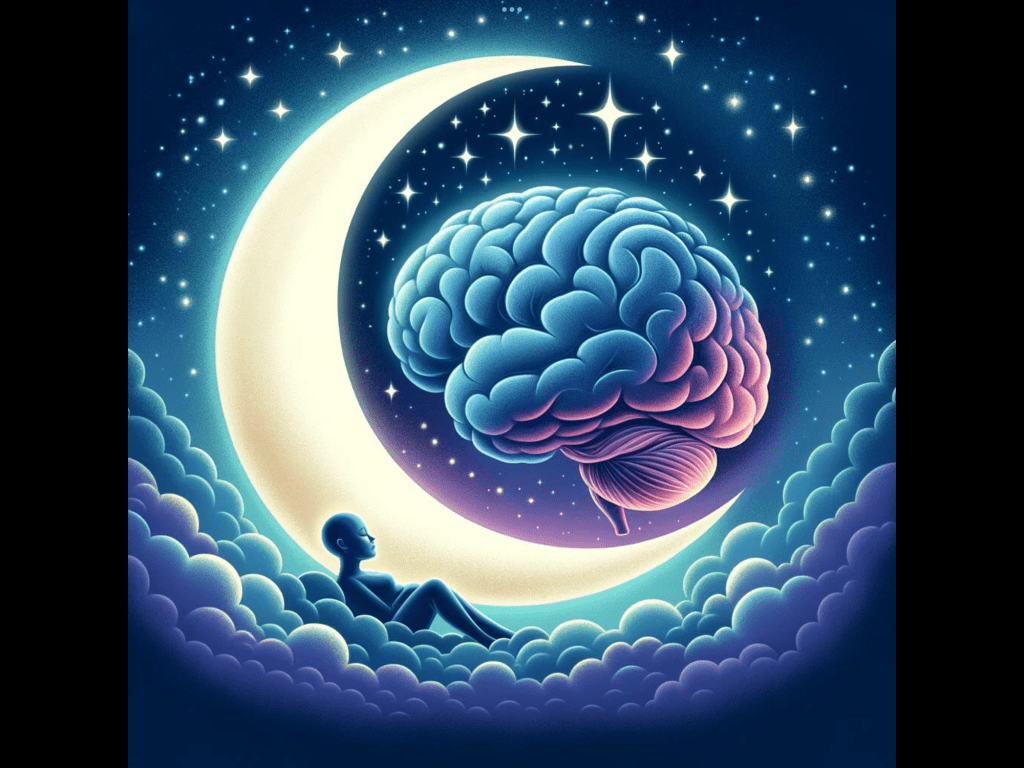
You already know sleep matters—but most people still treat it like it’s optional. Late nights, screens, stress, and inconsistent routines quietly erode something essential: your ability to think clearly, feel balanced, and function at your best.
If you’ve ever felt foggy, irritable, or unmotivated, poor sleep may be the hidden cause. The truth is, quality sleep isn’t just rest—it’s active restoration for your brain and body.
In this article, we’ll explore 10 powerful reasons why sleep is one of the most important habits you can build—and how it affects nearly every part of your life.
1. Sleep Strengthens Brain Function
During sleep, your brain processes information, consolidates memories, and clears out metabolic waste.
Without enough quality sleep:
Focus declines Reaction time slows Learning becomes harder
Think of sleep as your brain’s nightly reset.
2. It Regulates Mood and Emotional Stability
Sleep deprivation is closely linked to anxiety and irritability.
When you’re well-rested:
You respond instead of react Emotional resilience improves Stress feels more manageable
Even one poor night can amplify negative emotions.
3. Sleep Supports Physical Recovery
Your body repairs muscle tissue, releases growth hormone, and reduces inflammation while you sleep.
This is especially important if you:
Exercise regularly Lift weights Are recovering from injury
No recovery = no progress.
4. It Improves Immune Function
Consistent, quality sleep strengthens your immune system.
Poor sleep is associated with:
Increased risk of illness Slower recovery Higher inflammation
In simple terms: sleep helps your body fight back.
5. Sleep Enhances Memory and Learning

Your brain organizes and stores new information during deep sleep cycles.
Students, musicians, and professionals benefit from:
Better retention Faster skill acquisition Improved creativity
Sleep is a learning multiplier.
6. It Helps Maintain a Healthy Weight
Sleep regulates hormones like ghrelin (hunger) and leptin (fullness).
When sleep is lacking:
Cravings increase (especially for sugar) Appetite rises Metabolism becomes less efficient
This is why poor sleep often leads to overeating.
7. Sleep Supports Heart Health
Chronic sleep deprivation is linked to:
High blood pressure Increased heart disease risk Elevated stress hormones
Your cardiovascular system needs rest just as much as your muscles do.
8. It Improves Focus and Productivity
After a good night’s sleep:
You think more clearly You make better decisions You complete tasks faster
Sleep is one of the most underrated productivity tools.
9. Sleep Promotes Longevity
Long-term sleep quality is associated with a longer, healthier life.
Poor sleep patterns over time can increase risk of:
Chronic disease Cognitive decline Early mortality
Sleep is an investment in your future self.
10. It Supports Creativity and Problem-Solving
During REM sleep, your brain makes new connections between ideas.
This leads to:
Creative breakthroughs Improved problem-solving Better insight and intuition
Many “aha” moments come after rest—not effort.
Practical Takeaways: How to Improve Your Sleep
Here are simple, research-backed steps you can start tonight:
Keep a consistent sleep schedule (even on weekends) Limit screen time 60 minutes before bed Create a cool, dark sleeping environment Avoid caffeine 6–8 hours before sleep Try a wind-down routine (reading, stretching, breathing) Get morning sunlight to regulate your internal clock

Consistency matters more than perfection.
If you found this helpful, consider exploring more practical wellness insights on Mindful Explorer

