Music and the Brain: How Sound Shapes Memory, Emotion, and Growth

Discover how music affects the brain, emotions, memory, and creativity—and why listening or playing music can improve mental well-being and focus.

You’ve probably felt it before. A song comes on, and suddenly you’re transported to another moment in your life. Maybe it reminds you of a summer drive, a difficult breakup, or a childhood memory you hadn’t thought about in years. Music has a unique power over the human mind—one that scientists, psychologists, and musicians are still trying to fully understand.

But music is more than entertainment. Research increasingly shows that music changes the brain in measurable ways. It can improve memory, reduce stress, strengthen emotional resilience, and even reshape neural pathways over time.

Whether you’re a lifelong musician or someone who simply listens on the way to work, understanding the connection between music and the brain can deepen your appreciation for one of humanity’s oldest art forms.


Why Music Affects Us So Deeply

Unlike many activities that activate one area of the brain, music engages multiple systems simultaneously.

When you listen to music, your brain processes:

  • Rhythm
  • Melody
  • Harmony
  • Emotion
  • Memory
  • Pattern recognition
  • Prediction
  • Movement

This widespread activation is one reason music feels so immersive. It’s not just heard—it’s experienced throughout the body and mind.

Neuroscientists have found that music activates regions connected to:

  • Emotional regulation
  • Reward and pleasure
  • Motor coordination
  • Language processing
  • Attention
  • Long-term memory

In some ways, music acts like a full-brain workout.


The Emotional Power of Music

One of music’s most fascinating effects is its ability to influence emotion almost instantly.

A slow piano melody can calm the nervous system. A fast drumbeat can energize the body. A familiar song can trigger nostalgia so intensely that it feels physical.

This happens partly because music interacts with the brain’s dopamine system—the same reward network involved in motivation, pleasure, and anticipation.

Music also helps people process difficult emotions safely. Many people use music to:

  • Cope with grief
  • Manage anxiety
  • Process heartbreak
  • Improve mood
  • Regulate stress

This emotional processing is one reason music therapy has become increasingly respected in hospitals, mental health settings, and rehabilitation programs.


Music and Memory

Music’s connection to memory is extraordinary.

People with dementia or Alzheimer’s disease may struggle to remember names or recent conversations, yet still recall songs from decades earlier. Music often accesses emotional and autobiographical memories that remain deeply stored in the brain.

Researchers believe this happens because musical memories are distributed across multiple neural networks rather than stored in a single location.

Music can also improve learning and retention by:

  • Increasing attention
  • Enhancing emotional engagement
  • Creating rhythmic structure
  • Supporting repetition

This is why children often learn the alphabet through song before they can memorize it through speech alone.


Learning Music Changes the Brain

Listening to music is powerful—but learning music may have even greater neurological benefits.

Studies show that musicians often develop stronger connections between the brain’s hemispheres due to the coordination required between:

  • Hearing
  • Movement
  • Timing
  • Reading
  • Memory
  • Emotional interpretation

Learning an instrument also trains delayed gratification and deep focus in a world increasingly filled with distraction.

Over time, musical practice strengthens skills that transfer into everyday life:

Pattern Recognition

Music trains the brain to recognize structure and relationships.

Attention Control

Playing an instrument requires sustained concentration.

Emotional Awareness

Musicians learn to communicate feeling nonverbally.

Neuroplasticity

Repeated practice strengthens neural pathways and adaptability.

This is one reason music education remains so valuable—not because every student becomes a professional musician, but because music develops the mind itself.


Rhythm and the Human Body

Humans are naturally rhythmic creatures.

Your:

  • Heartbeat
  • Breathing
  • Walking pace
  • Sleep cycles

—all follow rhythmic patterns.

Music interacts directly with these systems.

Fast rhythms can increase alertness and movement. Slow rhythms may help calm breathing and reduce tension. This phenomenon, known as entrainment, explains why certain music can support exercise, meditation, or sleep.

Drumming traditions across cultures may also reflect music’s social and biological role in synchronizing groups emotionally and physically.

When people sing or move together, feelings of connection often increase.


Music, Creativity, and Meaning

Music also provides something harder to measure scientifically: meaning.

For many people, music becomes:

  • A form of identity
  • A spiritual experience
  • A creative outlet
  • A source of belonging

Psychologist Carl Jung believed symbolic and emotional expression were essential parts of psychological health. Music often reaches layers of human experience that language alone cannot fully capture.

This may explain why music remains central to nearly every culture in human history.

Even in the modern world of algorithms and productivity, music still gives people moments of transcendence, reflection, and emotional honesty.


Can Music Improve Mental Health?

Music is not a cure-all, but it can meaningfully support mental well-being when used intentionally.

Healthy musical habits may include:

Active Listening

Instead of passive background noise, sit and fully engage with an album or composition.

Learning an Instrument

Even beginner practice improves attention and cognitive flexibility.

Singing

Singing regulates breathing and may reduce stress hormones.

Nature + Music

Listening to calming instrumental music during walks or hikes can deepen relaxation.

Reducing Overstimulation

Not all music is calming. Constant high-intensity audio input can increase mental fatigue for some people.

The key is awareness. Music shapes emotional states more than many people realize.


Practical Takeaways

If you want to use music more intentionally in daily life:

  • Create playlists for different mental states (focus, relaxation, exercise, reflection)
  • Spend time listening without multitasking
  • Learn basic music skills—even simple rhythm exercises help
  • Use instrumental music during deep work
  • Protect quiet moments too; the brain also needs silence
  • Explore unfamiliar genres to stimulate curiosity and creativity

You don’t need to be a professional musician to benefit from music deeply.


Final Thoughts

Music is one of the few human experiences that connects emotion, memory, movement, creativity, and meaning all at once.

It can energize us, comfort us, challenge us, and reconnect us with forgotten parts of ourselves.

In a distracted and fast-moving world, music offers something increasingly rare: sustained attention and emotional presence.

Perhaps that’s why humans have carried music with them for thousands of years. Not simply because it sounds good—but because it helps us feel fully alive.


10 Reasons Why Quality Sleep Is Essential for Health and Focus

Discover 10 science-backed reasons why quality sleep improves health, focus, mood, and longevity—and how to start sleeping better tonight.

You already know sleep matters—but most people still treat it like it’s optional. Late nights, screens, stress, and inconsistent routines quietly erode something essential: your ability to think clearly, feel balanced, and function at your best.

If you’ve ever felt foggy, irritable, or unmotivated, poor sleep may be the hidden cause. The truth is, quality sleep isn’t just rest—it’s active restoration for your brain and body.

In this article, we’ll explore 10 powerful reasons why sleep is one of the most important habits you can build—and how it affects nearly every part of your life.

1. Sleep Strengthens Brain Function

During sleep, your brain processes information, consolidates memories, and clears out metabolic waste.

Without enough quality sleep:

Focus declines Reaction time slows Learning becomes harder

Think of sleep as your brain’s nightly reset.

2. It Regulates Mood and Emotional Stability

Sleep deprivation is closely linked to anxiety and irritability.

When you’re well-rested:

You respond instead of react Emotional resilience improves Stress feels more manageable

Even one poor night can amplify negative emotions.

3. Sleep Supports Physical Recovery

Your body repairs muscle tissue, releases growth hormone, and reduces inflammation while you sleep.

This is especially important if you:

Exercise regularly Lift weights Are recovering from injury

No recovery = no progress.

4. It Improves Immune Function

Consistent, quality sleep strengthens your immune system.

Poor sleep is associated with:

Increased risk of illness Slower recovery Higher inflammation

In simple terms: sleep helps your body fight back.

5. Sleep Enhances Memory and Learning

Your brain organizes and stores new information during deep sleep cycles.

Students, musicians, and professionals benefit from:

Better retention Faster skill acquisition Improved creativity

Sleep is a learning multiplier.

6. It Helps Maintain a Healthy Weight

Sleep regulates hormones like ghrelin (hunger) and leptin (fullness).

When sleep is lacking:

Cravings increase (especially for sugar) Appetite rises Metabolism becomes less efficient

This is why poor sleep often leads to overeating.

7. Sleep Supports Heart Health

Chronic sleep deprivation is linked to:

High blood pressure Increased heart disease risk Elevated stress hormones

Your cardiovascular system needs rest just as much as your muscles do.

8. It Improves Focus and Productivity

After a good night’s sleep:

You think more clearly You make better decisions You complete tasks faster

Sleep is one of the most underrated productivity tools.

9. Sleep Promotes Longevity

Long-term sleep quality is associated with a longer, healthier life.

Poor sleep patterns over time can increase risk of:

Chronic disease Cognitive decline Early mortality

Sleep is an investment in your future self.

10. It Supports Creativity and Problem-Solving

During REM sleep, your brain makes new connections between ideas.

This leads to:

Creative breakthroughs Improved problem-solving Better insight and intuition

Many “aha” moments come after rest—not effort.

Practical Takeaways: How to Improve Your Sleep

Here are simple, research-backed steps you can start tonight:

Keep a consistent sleep schedule (even on weekends) Limit screen time 60 minutes before bed Create a cool, dark sleeping environment Avoid caffeine 6–8 hours before sleep Try a wind-down routine (reading, stretching, breathing) Get morning sunlight to regulate your internal clock

Consistency matters more than perfection.

If you found this helpful, consider exploring more practical wellness insights on Mindful Explorer

The Power of Gratitude: How It Transforms Your Mind and Life

Discover the science-backed benefits of gratitude and how a simple daily practice can improve your mood, relationships, and overall well-being.


What if one of the most powerful tools for improving your mental health, relationships, and daily happiness was already available to you—right now?

Gratitude often sounds simple, even cliché. But beneath that simplicity lies something deeply transformative. In a world wired for stress, comparison, and constant striving, gratitude shifts your attention toward what is already meaningful.

This article matters because gratitude isn’t just a “feel-good” idea—it’s a proven psychological practice that can rewire how you experience life.


What Gratitude Really Is (Beyond Saying “Thank You”)

Gratitude is more than politeness. It’s a way of seeing.

At its core, gratitude is the intentional recognition of value—especially in things we usually overlook.

This can include:

  • A conversation that made you feel understood
  • Your body carrying you through the day
  • A quiet moment without distraction
  • Food, shelter, or safety

Gratitude doesn’t ignore hardship. It expands your awareness so that difficulty isn’t the only thing you notice.


The Psychology Behind Gratitude

From a psychological perspective, gratitude works because it reshapes attention.

Your brain has a built-in negativity bias—it naturally scans for problems, threats, and what’s missing. This helped humans survive, but it can also make modern life feel constantly insufficient.

Gratitude interrupts that pattern.

Research in positive psychology shows that practicing gratitude can:

  • Increase baseline happiness
  • Reduce symptoms of anxiety and depression
  • Improve sleep quality
  • Strengthen emotional resilience

Why?

Because what you repeatedly focus on becomes your experience. Gratitude gently trains your mind to notice what is working, not just what is broken.


Gratitude and the Nervous System

Gratitude doesn’t just change thoughts—it affects your body.

When you intentionally reflect on something meaningful or appreciated, your nervous system can shift out of stress mode (fight-or-flight) and into a calmer, more regulated state.

This is often associated with:

  • Slower heart rate
  • Reduced cortisol (stress hormone)
  • Increased feelings of safety

In simple terms, gratitude signals: “Right now, there is something okay here.”

That message alone can be powerful.


Why Gratitude Feels Difficult Sometimes

If gratitude is so beneficial, why doesn’t it always come naturally?

Because it can feel forced—especially during stress, loss, or frustration.

Common barriers include:

  • Comparison: Focusing on what others have
  • Adaptation: Quickly getting used to good things
  • Emotional overwhelm: When problems feel too big

Gratitude is not about denying these realities.

Instead, it’s about holding two truths at once:

  • Something is difficult
  • Something is still meaningful

That balance is where real resilience grows.


Simple Ways to Practice Gratitude (That Actually Work)

You don’t need a complicated routine. What matters is consistency and sincerity.

1. The “Three Noticings” Practice

At the end of the day, write or reflect on three things you noticed and appreciated.

They should be specific:

  • Not “my family”
  • But “the way we laughed at dinner”

Specificity deepens the emotional impact.


2. Gratitude Walks

Take a walk and intentionally notice things you usually ignore:

  • The texture of trees
  • The rhythm of your steps
  • The feeling of fresh air

This combines mindfulness with appreciation.


3. Express It to Someone

Tell someone what you appreciate about them—clearly and directly.

This not only strengthens relationships but reinforces your own sense of connection.


4. Reframing Challenges

Ask yourself:

“Is there anything in this situation that is helping me grow, learn, or pause?”

This isn’t about forcing positivity—it’s about widening perspective.


The Long-Term Impact of Gratitude

Over time, gratitude becomes less of a practice and more of a lens.

You may begin to notice:

  • More patience in stressful situations
  • Greater satisfaction with everyday life
  • Stronger relationships
  • A quieter, steadier mind

Life doesn’t suddenly become perfect.

But your relationship to life changes—and that makes all the difference.


Practical Takeaways

  • Gratitude is a skill, not a personality trait
  • It works by shifting attention, not denying reality
  • Small, consistent practices are more effective than big gestures
  • Specificity makes gratitude more powerful
  • It supports both mental and physical well-being


If this resonated with you, consider building a small daily gratitude practice this week—and notice what changes.

Or explore our deeper guide on mindfulness to strengthen your awareness even further.


Why Starting Over Is a Superpower (Not a Failure)

Starting over can feel like failure—but it’s actually a powerful reset. Learn how beginning again builds resilience, clarity, and long-term success

At some point, almost everyone faces a moment where life doesn’t go as planned.

A job ends. A relationship shifts. A dream quietly dissolves.

And with it comes a heavy thought: “I’m back at square one.”

But what if that idea is wrong?

What if starting over isn’t a setback—but a hidden advantage?

This article explores why beginning again is not only normal, but one of the most powerful moves you can make for your growth, identity, and future.

Why We Fear Starting Over

Starting over feels uncomfortable because it challenges two deep psychological needs:

Stability – We want things to stay predictable Identity – We attach our worth to what we’ve built

When something ends, it can feel like losing part of yourself—not just your situation.

There’s also a cultural layer:

We’re taught that success is linear.

That progress should only move forward.

That going “backward” means failure.

But real life doesn’t work that way.

Growth is cyclical. And sometimes, progress requires a reset.

The Hidden Power of a Fresh Start

Starting over clears space in a way nothing else can.

When you’re no longer tied to what was, you gain:

1. Clarity You Didn’t Have Before

Experience changes how you see things.

You now know:

What you actually enjoy What drains your energy What matters long-term

You’re not starting from zero—you’re starting from insight.

2. Freedom to Choose Differently

When you begin again, you’re no longer bound by:

Old expectations Outdated goals Other people’s definitions of success

This is your chance to rebuild intentionally.

3. Increased Resilience

Psychologically, overcoming disruption strengthens your ability to adapt.

Each time you start over, you prove something to yourself:

“I can rebuild.”

That belief becomes a quiet form of confidence that no one can take away.

Starting Over Is How Growth Actually Works

If you zoom out, life is full of restarts:

Students graduate and start new careers Athletes reinvent their training after injury Musicians refine their sound after failure People relocate, pivot, rebuild, and evolve

Even nature operates this way.

Seasons as a Model:

Fall: Letting go Winter: Stillness and uncertainty Spring: Renewal Summer: Growth

You’re not off track—you’re in a different season.

The Psychology of Reinvention

Research in behavioral psychology shows that “fresh start effects” can actually improve motivation.

Moments like:

A new year A move A career change

…create a mental separation from the past.

This makes it easier to:

Break old habits Set new goals Redefine identity

Instead of carrying past mistakes forward, you mentally reset your baseline.

What Holds People Back From Starting Over

Even when a reset is needed, many people stay stuck because of:

1. Fear of Judgment

“What will people think?”

But most people are too focused on their own lives to judge yours deeply.

2. Sunk Cost Thinking

“I’ve already invested so much time.”

This is a cognitive bias. Past effort doesn’t justify staying in something that no longer serves you.

3. Ego Attachment

Admitting something didn’t work can feel like failure.

But in reality, it’s a sign of awareness.

How to Start Over—Without Losing Yourself

Starting over doesn’t mean erasing your past.

It means using it wisely.

Here’s a grounded approach:

1. Extract Lessons First

Before moving on, ask:

What worked? What didn’t? What would I do differently?

Write it down. This is your blueprint.

2. Start Small, Not Perfect

You don’t need a complete life overhaul.

Begin with:

A new routine One meaningful goal A small daily habit

Momentum matters more than perfection.

3. Redefine Success

Instead of focusing on outcomes, focus on:

Alignment Consistency Energy

If it feels more right, you’re on the right path.

4. Build Identity Through Action

Don’t wait to feel like the “new version” of yourself.

Act like it first.

Want to be healthier? Move daily Want to be creative? Create regularly Want to be disciplined? Show up consistently

Identity follows behavior.

A Quiet Truth Most People Miss

Starting over isn’t a sign that you failed.

It’s a sign that you refused to stay stuck.

That takes awareness.

That takes courage.

That takes growth.

Most people don’t start over when they should.

They settle.

Practical Takeaways

Starting over is not zero—it’s experience plus clarity Growth often requires letting go of what no longer fits Fresh starts can boost motivation and break old habits Fear of judgment and sunk cost bias are the biggest blockers Small, consistent actions rebuild identity faster than big plans

If this resonated with you, explore another article on Mindful Explorer that helps you rebuild with intention and clarity.

Natural Laundry Fresheners: Safe Ways to Make Clothes Smell Clean

Discover natural laundry fresheners that keep clothes smelling clean without chemicals. Simple, effective, and budget-friendly solutions.

You’ve probably noticed it—most laundry products smell “clean,” but come loaded with synthetic fragrances and chemicals you can’t pronounce. If you’re trying to live a little more mindfully, even something as simple as your laundry routine starts to matter. What you wear sits on your skin all day. So what if your laundry could smell fresh without relying on artificial scents?

Natural laundry fresheners aren’t just healthier—they’re often cheaper, simpler, and surprisingly more effective. Let’s explore how to make your clothes smell clean in a way that actually is clean.

Why Switch to Natural Laundry Fresheners?

Most conventional detergents and dryer sheets rely on synthetic fragrance blends that can irritate skin, trigger headaches, or linger in ways that feel overwhelming rather than refreshing.

Natural alternatives focus on two things:

Neutralizing odor (not masking it) Using subtle, plant-based scents

From a mindful living perspective, this shift is about reducing unnecessary inputs—simplifying what touches your body daily.

1. White Vinegar: The Simplest Odor Neutralizer

White vinegar is one of the most effective natural laundry fresheners—and one of the most overlooked.

How it works

Vinegar breaks down odor-causing bacteria and residue trapped in fabrics.

How to use it

Add ½ to 1 cup to the rinse cycle Safe for most fabrics (avoid delicate silks)

What to expect

Clothes come out odor-free, not vinegar-smelling Helps soften fabrics naturally

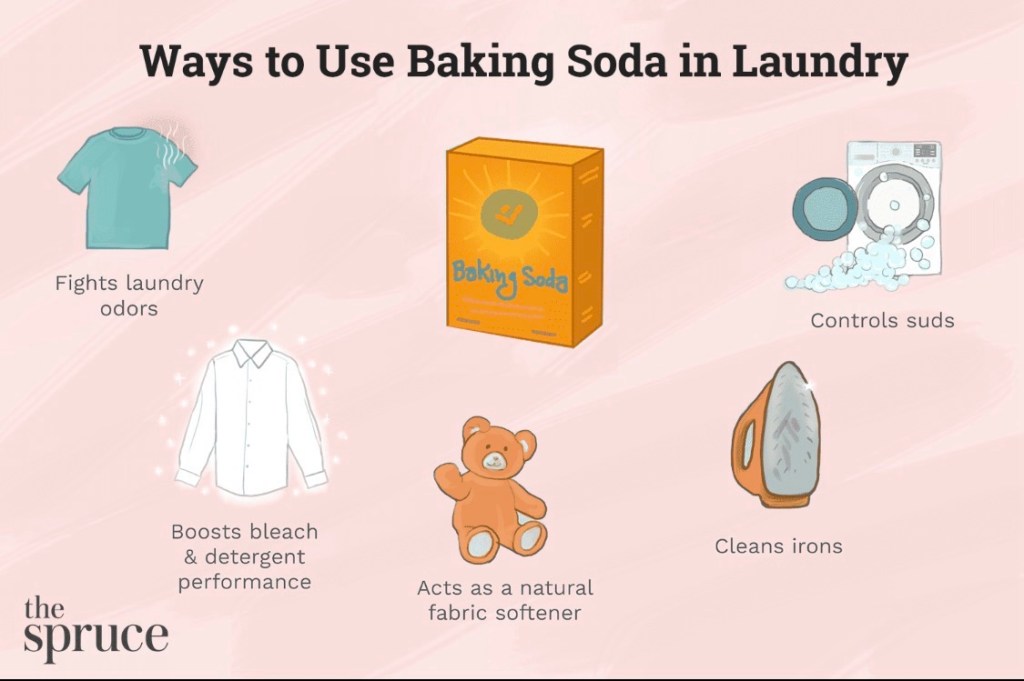
2. Baking Soda: Deep Freshness Booster

Baking soda enhances your detergent and tackles stubborn odors.

Why it works

Balances pH levels in water Helps remove sweat, mildew, and musty smells

How to use it

Add ½ cup directly into the drum

Best for

Gym clothes Towels Clothes left in the washer too long

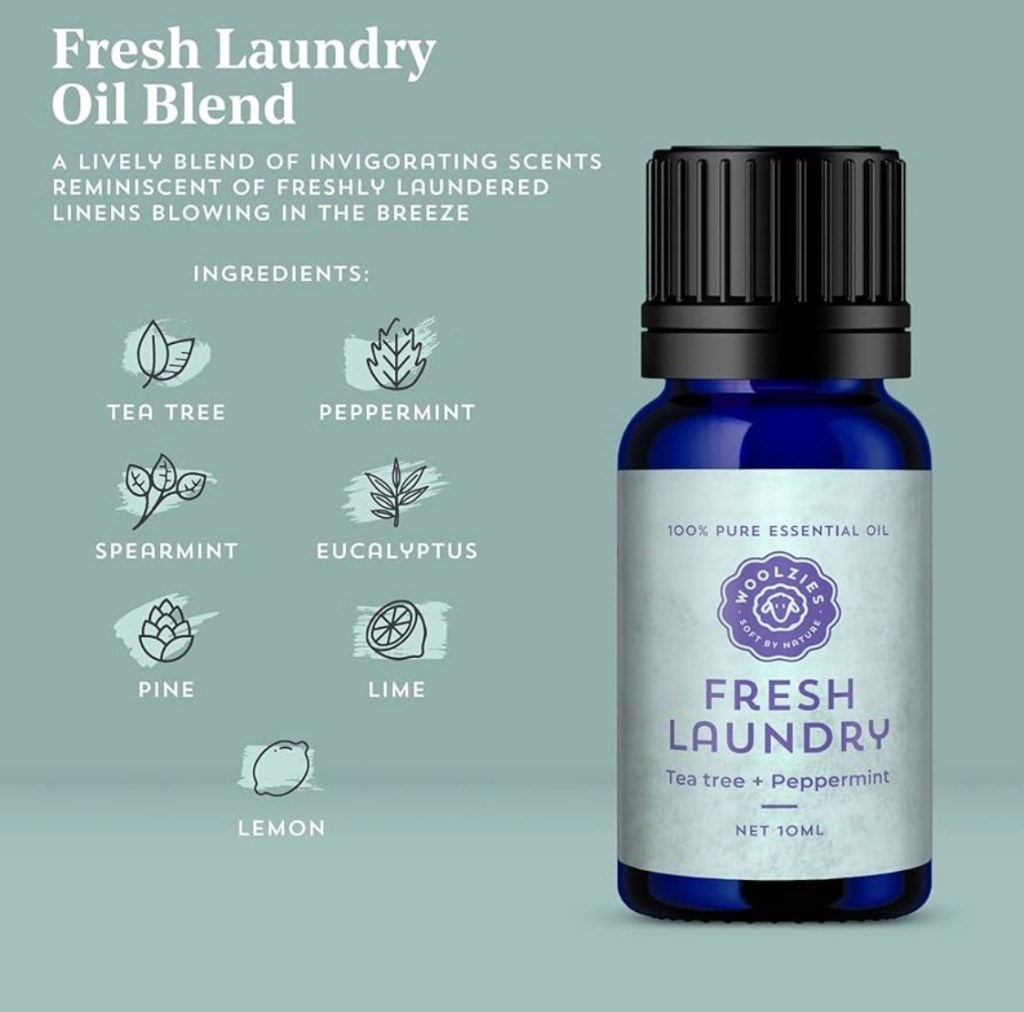
3. Essential Oils: Light, Natural Scent

If you still want a pleasant scent, essential oils offer a clean alternative.

Popular options

Lavender (calming) Eucalyptus (fresh, crisp) Lemon (bright, energizing)

How to use

Add 5–10 drops to: Wool dryer balls A damp cloth in the dryer

⚠️ Avoid adding oils directly to the washer without dilution—they can stain.

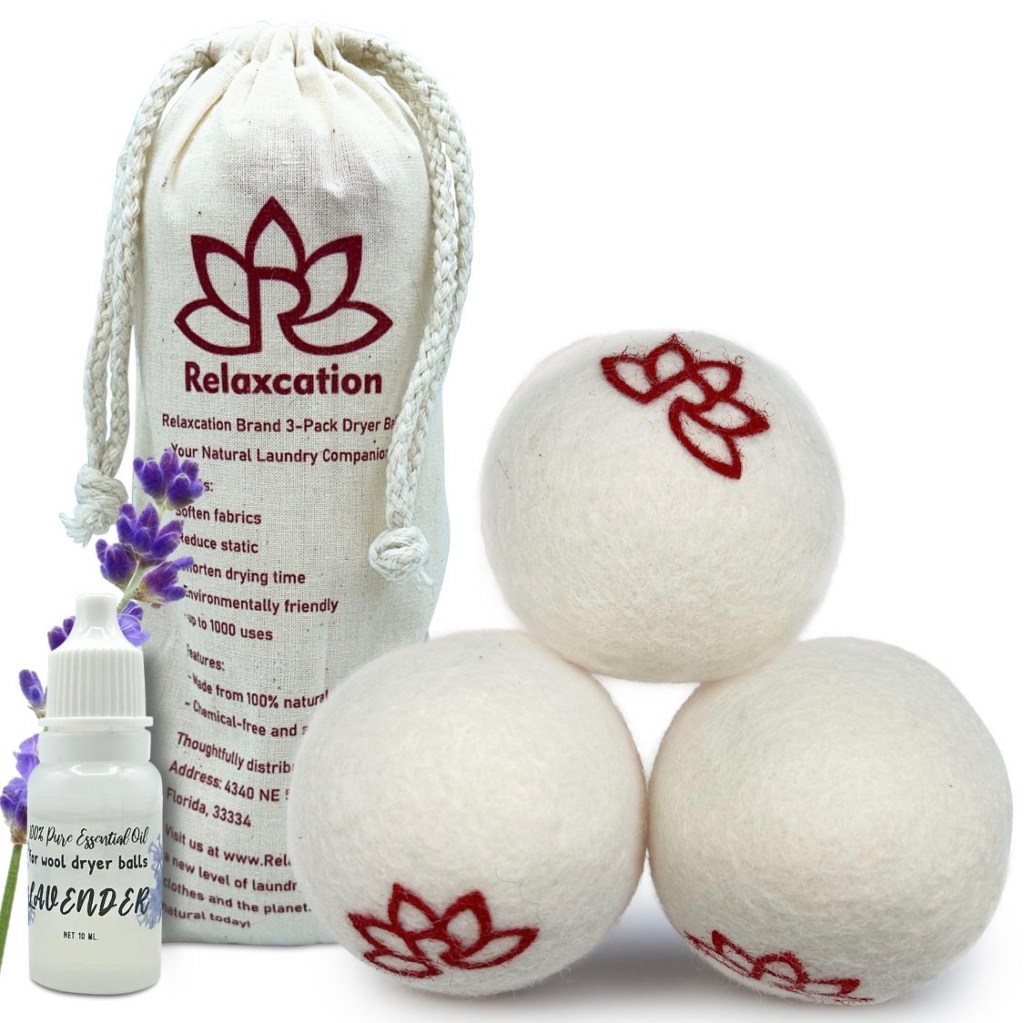
4. Wool Dryer Balls: Replace Dryer Sheets

Dryer sheets often contain synthetic chemicals that coat fabrics.

Why wool dryer balls work

Reduce drying time Soften clothes naturally Help distribute scent evenly

Bonus tip

Add essential oils to create a subtle fragrance without residue.

5. Sunlight: The Original Freshener

Before machines, sunlight was the ultimate laundry solution—and it still works.

Benefits

UV rays help kill bacteria Leaves a naturally clean, airy scent Saves energy

When to use

Sheets and towels especially benefit Great during warmer months

The Psychology of “Clean Smell”

Interestingly, what we think of as “clean” is often learned. Many people associate strong synthetic scents with cleanliness simply because that’s what products have trained us to expect.

But natural freshness is different:

It’s subtle It fades naturally It doesn’t overwhelm your senses

This shift is part of mindful living—retraining your perception to value authentic signals over artificial ones.

Practical Takeaways

If you want to simplify your laundry routine starting today:

Use vinegar in the rinse cycle to eliminate odors Add baking soda for deep cleaning power Switch to wool dryer balls instead of dryer sheets Use essential oils sparingly for light scent Dry clothes outside when possible

Start with just one change—you don’t need to overhaul everything at once.

How Local Parks Improve Mental Health: Science-Backed Benefits

Discover how local parks improve mental health through stress reduction, mood boosts, and focus. Learn simple ways to use nature for daily well-being.

You don’t need a retreat—just a nearby park

You might think improving your mental health requires big changes: therapy, travel, or a full lifestyle overhaul. But what if one of the most powerful tools is already close to you?

Local parks—those simple green spaces you pass every day—quietly offer something profound. They regulate stress, restore attention, and reconnect you with a slower, more grounded rhythm of life.

This isn’t just poetic thinking. It’s backed by psychology, neuroscience, and decades of research. Let’s explore how something as ordinary as a park can reshape your mental well-being.

🌿 The Science of Nature and the Mind

Psychologists often refer to two key theories when explaining why nature helps us:

1. Attention Restoration Theory (ART)

Modern life demands constant focus—notifications, screens, deadlines.

Nature, by contrast:

Gently captures your attention (rustling leaves, birds, wind) Requires no effort to process Allows your brain to “reset”

This restores your ability to concentrate and think clearly.

2. Stress Reduction Theory

Natural environments signal safety to the brain.

This leads to:

Lower cortisol (stress hormone) Reduced heart rate Improved emotional regulation

Even 10–20 minutes in a park can produce measurable effects.

🧠 5 Mental Health Benefits of Local Parks

1. Reduced Anxiety and Stress

Walking through a park shifts your nervous system from “fight-or-flight” to “rest-and-digest.”

You may notice:

Slower breathing Less mental tension A feeling of spaciousness in your thoughts

2. Improved Mood and Emotional Balance

Exposure to greenery has been linked to:

Increased serotonin activity Reduced rumination (overthinking)

In simple terms: parks help interrupt negative thought loops.

3. Better Focus and Cognitive Function

If you feel mentally drained, a park visit can act like a reset button.

Studies show:

Improved memory after nature walks Better task performance Increased creativity

This is especially useful if your work involves thinking, teaching, or creating.

4. Increased Physical Activity (Without Pressure)

Unlike gyms, parks invite movement without structure.

You might:

Walk longer without noticing Stretch or sit freely Engage in light, natural exercise

This lowers resistance to staying active—which indirectly boosts mental health.

5. Social Connection and Belonging

Parks are subtle social spaces.

Even without direct interaction:

Seeing others reduces feelings of isolation Shared public space builds a sense of community Casual conversations happen more naturally

🌎 Why Local Parks Matter More Than You Think

You don’t need a national park or remote wilderness.

In fact, nearby, accessible nature is often more impactful because:

You can visit consistently It becomes part of your routine Familiarity builds emotional attachment

This concept is sometimes called “everyday nature”—and it’s one of the most powerful forms of mental health support.

🧭 How to Use Parks for Mental Health (Practical Guide)

You don’t need to “optimize” your park visit. But a few intentional habits can deepen the benefits:

Simple Practices to Try

10-Minute Reset Walk No phone. Just walk and observe. Sit Spot Practice Return to the same bench or tree regularly. Notice subtle changes. Sensory Awareness Ask yourself: What do I hear? What do I feel? What’s moving? Journaling Outdoors Even 5 minutes of writing in nature can clarify thoughts. Stack It With Habits Pair park time with: Morning coffee Post-work decompression Light stretching

⚠️ A Realistic Note: Parks Aren’t a Cure-All

Nature helps—but it’s not a replacement for deeper support when needed.

Think of parks as:

A daily stabilizer A mental reset tool A foundation habit

Not a substitute for therapy, but a powerful complement.

🌱 Final Thought

Local parks don’t demand anything from you.

They don’t track your progress. They don’t ask you to perform.

They simply offer space—mental, emotional, and physical.

And in a world that constantly pulls your attention outward, that quiet space might be exactly what your mind needs.

If this resonated with you, consider building a simple weekly ritual around your nearest park—and explore more ideas on mindful living here on Mindful Explorer.

The Wim Hof Method Summary & Review: Does It Really Work?

A clear, practical review of The Wim Hof Method. Learn how breathing, cold exposure, and mindset can improve energy, stress, and resilience.

You’ve probably heard of cold plunges, ice baths, or breathing techniques that claim to unlock something deeper in the body. Maybe you’ve even wondered: Is this real science—or just another wellness trend?

The Wim Hof Method sits right at that intersection.

In this article, we’ll break down what the method actually is, what the book teaches, and whether it’s worth your time—especially if you’re interested in performance, recovery, or mental resilience.

What Is The Wim Hof Method?

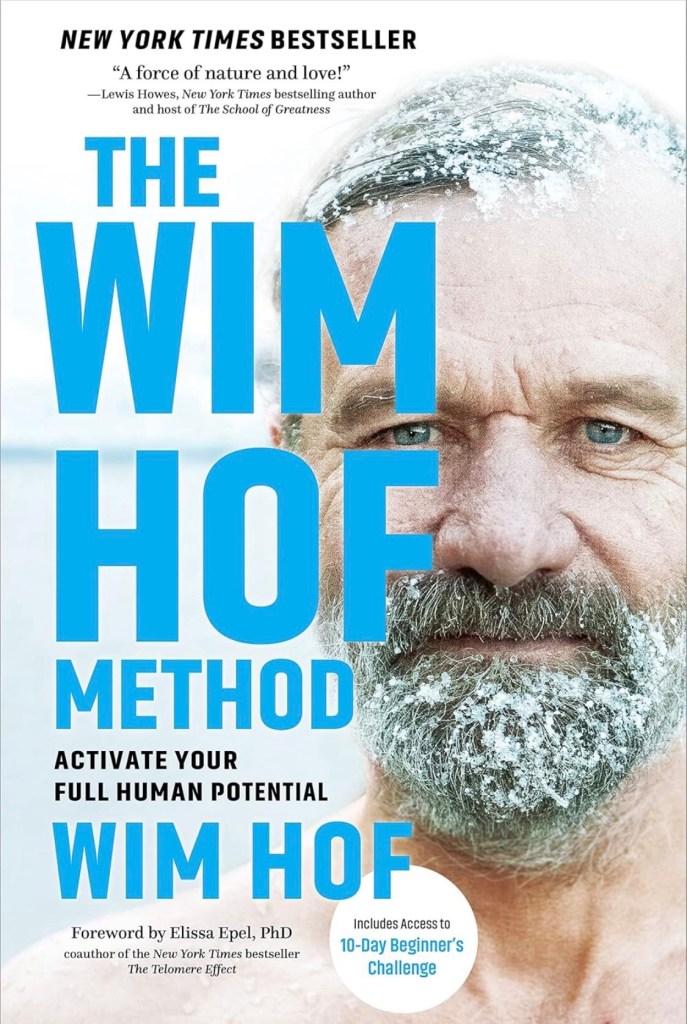
The Wim Hof Method by Wim Hof introduces a system built on three core pillars:

1. Breathing

A controlled breathing technique involving:

Deep inhalations Passive exhalations Breath retention

This is designed to influence oxygen and CO₂ levels, creating a temporary stress response that can strengthen the nervous system.

2. Cold Exposure

Gradual exposure to cold through:

Cold showers Ice baths Outdoor exposure

The idea is that controlled cold stress:

Improves circulation Builds resilience Reduces inflammation

3. Mindset & Commitment

This is the often-overlooked piece:

Focus Consistency Willingness to embrace discomfort

The method emphasizes that transformation happens when you intentionally step outside your comfort zone.

Key Ideas from the Book

Stress Can Be Trained—Not Just Managed

The book reframes stress as something useful.

Instead of avoiding stress, Hof suggests:

Controlled stress (like cold or breath holds) Leads to better emotional regulation over time

This aligns with modern psychology around hormetic stress—small doses of challenge that make you stronger.

You Have More Control Than You Think

One of the bold claims:

You can influence your:

Immune system Inflammation Energy levels

Some research cited in the book suggests trained practitioners can alter physiological responses typically considered automatic.

The Body and Mind Are Not Separate

The method bridges:

Physical practices (cold, breathing) Mental outcomes (clarity, calm, focus)

This holistic approach resonates with both ancient practices and modern neuroscience.

What the Science Says (In Plain Terms)

The book references studies showing that practitioners can:

Activate the sympathetic nervous system voluntarily Reduce inflammatory markers

In simpler terms:

You may be able to train your body to handle stress better.

However:

Not all claims are universally accepted More long-term research is still needed

Benefits People Commonly Report

From both the book and broader user experiences:

Increased energy Improved mood Better stress tolerance Faster recovery after workouts Stronger mental discipline

Criticisms & Limitations

A grounded review wouldn’t skip these:

1. Some Claims Are Overstated

While impressive, certain benefits may be:

Individual-dependent Not guaranteed

2. Risk If Done Improperly

Breathwork can cause dizziness Cold exposure can be dangerous if rushed

The book does emphasize gradual progression—but readers sometimes skip that part.

3. Repetition in the Book

The content could be shorter:

Some sections repeat ideas It leans motivational at times

Who This Book Is Best For

This book is a strong fit if you:

Are interested in mental toughness Want natural ways to improve recovery Are open to cold exposure and breathwork Enjoy hands-on practices, not just theory

Less ideal if you prefer:

Purely scientific, data-heavy books Passive or low-effort lifestyle changes

Practical Takeaways (You Can Try Today)

1. Start with Breathing (Safely)

30 deep breaths Hold on exhale Repeat 2–3 rounds

👉 Always seated or lying down

2. End Your Shower Cold

Start with 15–30 seconds Build gradually over weeks

3. Reframe Discomfort

Instead of avoiding it, try:

Viewing discomfort as training Not punishment

This mental shift alone is powerful.

Final Verdict

The Wim Hof Method is not just a book—it’s a practice.

At its core, it teaches something simple but powerful:

You can train your response to stress—physically and mentally.

It’s not magic. It’s not effortless.

But if you’re willing to engage with it, the method offers a direct, experiential way to build resilience in both body and mind.

Grab the book here and embrace the benefits of the cold! The Wim Hof Method

Long-Term Investing for Retirement: A Simple, Evidence-Based Guide

Learn how to invest for retirement with a simple, long-term strategy backed by psychology and evidence—without stress, guessing, or constant market watching.

If you’ve ever felt overwhelmed by investing advice—stocks, crypto, timing the market, “hot tips”—you’re not alone.

The truth is, most successful retirement investors aren’t doing anything flashy. They’re doing something much harder in today’s world: they’re staying consistent, patient, and boring.

This article matters because retirement investing isn’t about winning today—it’s about building a system that quietly works for decades, even when motivation fades or markets get messy.

Why Long-Term Investing Actually Works

At its core, long-term investing relies on one powerful idea:

👉 Compounding

Money earns returns, and those returns earn more returns.

Over time, this creates a snowball effect.

What this means practically:

Early years feel slow Later years accelerate dramatically Consistency matters more than timing

This is why someone investing modestly for 30 years often outperforms someone trying to “trade” for 10.

The Psychology of Successful Investors

Long-term investing is less about intelligence—and more about behavior.

The biggest mistakes aren’t technical—they’re emotional:

Panic selling during downturns Chasing trends (AI, crypto hype, etc.) Trying to “time” the market Constantly checking and reacting

A better mindset:

Think in decades, not days Accept that downturns are normal Focus on your system, not the news

The goal isn’t to avoid volatility—it’s to outlast it.

The Simplest Retirement Portfolio (That Actually Works)

You don’t need complexity.

A simple, diversified approach is consistently effective:

Core building blocks:

Total U.S. Stock Market Index Fund International Stock Index Fund Bond Fund (optional, increases with age)

Example structure (early/mid career):

70–85% stocks 15–30% bonds

Why this works:

Diversification reduces risk Low fees preserve returns No guessing required

This is the strategy used by many target-date retirement funds.

Where to Invest (Tax-Advantaged First)

Before picking investments, where you invest matters more than what you invest in.

Priority order:

Employer retirement plan (401k / 403b) Especially if there’s a match (free money) Roth IRA Tax-free growth and withdrawals Ideal if you expect higher future income Traditional IRA or brokerage account For additional investing beyond limits

Consistency Beats Everything

The most important habit:

👉 Invest regularly, no matter what

This is called dollar-cost averaging.

Why it works:

You buy more when prices are low You remove emotional decision-making You stay invested through cycles

Even $100/month can become powerful over time.

How Much Do You Actually Need for Retirement?

A common guideline:

👉 The 4% Rule

Withdraw ~4% of your portfolio annually Designed to last ~30 years

Example:

$1,000,000 → ~$40,000/year $750,000 → ~$30,000/year

This isn’t perfect—but it gives a clear target.

Common Mistakes to Avoid

1. Waiting too long to start

Time matters more than amount.

2. Overcomplicating your strategy

More funds ≠ better results.

3. Checking your portfolio constantly

This increases anxiety and bad decisions.

4. Ignoring fees

Even 1% extra fees can cost hundreds of thousands over decades.

A Mindful Approach to Wealth

Retirement investing isn’t just financial—it’s psychological.

Ask yourself:

What kind of life am I actually building toward? How much is “enough”? Am I trading peace today for hypothetical wealth later?

The goal isn’t just to retire—it’s to live well along the way.

Practical Takeaways

Start now—even small amounts matter Use simple index funds (no guessing required) Automate your contributions Focus on tax-advantaged accounts first Think in decades, not months Reduce fees whenever possible Avoid reacting to market noise

If this helped simplify investing for you, consider exploring more topics like this on Mindful Explorer—or subscribe for practical, grounded insights each week.

Best Breakfast Burrito Meal Prep for Energy and Focus!

Learn how to meal prep healthy breakfast burritos for busy mornings. High-protein, freezer-friendly recipes to boost energy and focus.

You don’t need to skip breakfast—or settle for something rushed

If your mornings feel chaotic, breakfast is often the first thing sacrificed. But what you eat early in the day directly affects your energy, focus, and mood.

A well-made breakfast burrito solves this problem.

It’s portable, balanced, and—when prepped ahead—requires almost no effort during the week. The key is building one that supports your body, not just fills you up.

This guide will show you how to create nutrient-dense, freezer-friendly breakfast burritos that actually improve your mornings.

Why breakfast burritos are ideal for meal prep

Breakfast burritos work because they combine everything your body needs into one simple format:

Protein → keeps you full and supports muscle repair Healthy fats → stabilize energy and reduce cravings Complex carbs → provide steady fuel for your brain Fiber → supports digestion and gut health

Unlike sugary breakfasts, they prevent the mid-morning crash.

The anatomy of a healthy breakfast burrito

Think of your burrito like a system, not a recipe.

1. Protein (foundation)

Aim for 20–30g per burrito:

Eggs or egg whites Turkey sausage or chicken Black beans (plant-based option) Greek yogurt (on the side or as a sauce)

2. Vegetables (volume + nutrients)

Spinach Bell peppers Onions Mushrooms Zucchini

These add fiber and micronutrients without excess calories.

3. Smart carbs (energy source)

Whole wheat tortillas Low-carb/high-fiber wraps Roasted potatoes or sweet potatoes

4. Healthy fats (satiety + brain function)

Avocado Cheese (moderate) Olive oil (used in cooking)

A simple, high-performance meal prep recipe

Ingredients (makes 6 burritos)

10 eggs 1 lb turkey sausage (or plant-based alternative) 1 cup diced bell peppers 1 cup spinach 1 cup roasted potatoes 1/2 cup shredded cheese 6 whole wheat tortillas

Instructions

Cook protein Brown the turkey sausage in a pan Add vegetables Toss in peppers and spinach until softened Scramble eggs separately Cook until just set (don’t overcook—they’ll reheat later) Assemble burritos Layer eggs, sausage mix, potatoes, and cheese Wrap tightly Fold sides in, roll, and wrap in foil or parchment Store Refrigerate (3–4 days) or freeze (up to 2 months)

How to reheat (without ruining texture)

Microwave (fast): Wrap in paper towel → 1–2 minutes Oven (best texture): 350°F for 15–20 minutes Air fryer (crisp option): 350°F for 8–10 minutes

Psychology of meal prep: why this actually works

Meal prep isn’t just about food—it’s about reducing decision fatigue.

When your morning requires fewer decisions:

You conserve mental energy You’re more consistent You avoid impulsive, low-quality food choices

This aligns with habit research: make the good choice the easy choice.

Variations to keep things interesting

High-protein athlete version

Add extra egg whites Include quinoa or extra beans Use low-fat cheese

Low-carb version

Use egg wraps or low-carb tortillas Skip potatoes, add more veggies

Vegetarian version

Black beans + sautéed mushrooms Add avocado after reheating

Gourmet version (for weekends or guests)

Add salsa verde or chimichurri Use roasted sweet potatoes Finish with fresh herbs

Common mistakes to avoid

Overfilling → leads to tearing and messy reheating Watery vegetables → cook off moisture first Overcooking eggs → they become rubbery later Not wrapping tightly → causes freezer burn

Practical takeaways

Prep once or twice per week, not daily Aim for protein-first construction Keep ingredients simple and repeatable Store burritos individually for grab-and-go ease Rotate flavors weekly to avoid burnout

Internal links

Build a full routine with [Internal link: morning habits for energy and focus] Pair with [Internal link: healthiest high-protein foods for daily nutrition] Explore [Internal link: simple meal prep strategies for busy professionals]

Final thought

A good breakfast doesn’t need to be complicated—it needs to be intentional.

When you prepare food ahead of time, you’re not just saving time.

You’re shaping your day before it begins.

If you found this helpful, explore more practical strategies with the Mindful Explorer

Why a Water Pick Is the Best Upgrade to Your Daily Oral Hygiene

Discover why a water pick can improve gum health, reduce plaque, and make daily oral hygiene easier—especially if flossing feels like a chore.

Most people brush their teeth twice a day—and still feel like something’s missing. Gums bleed occasionally. Food gets stuck. Flossing feels tedious or uncomfortable, so it gets skipped more often than we admit.

This is where the water pick quietly changes the game. Often dismissed as a “luxury gadget,” a water pick (also called a water flosser) is one of the most effective and practical upgrades you can make to your daily hygiene routine.

If you care about long-term health, ease, and consistency—not just doing things “the traditional way”—this article explains why a water pick may be one of the smartest, most mindful habits you can adopt.

What Is a Water Pick, Really?

A water pick uses a focused stream of pulsating water to clean between teeth and along the gumline. Instead of scraping mechanically like string floss, it flushes out debris and bacteria using water pressure.

Think of it less as a replacement toothbrush and more as a precision rinse for the places brushing can’t reach.

Water picks have been recommended for decades by dental professionals, especially for people with:

Gum sensitivity or bleeding Crowded teeth Braces, retainers, or implants Difficulty using traditional floss consistently

Why Traditional Flossing Often Fails in Real Life

Flossing is effective—when people actually do it. The problem isn’t knowledge. It’s friction.

Common barriers include:

Gum pain or bleeding Awkward hand positioning Difficulty reaching back teeth Time pressure at night Forgetting altogether

Behavioral psychology shows that habits succeed when they reduce effort, not increase it. A water pick lowers the activation energy of flossing. You turn it on. You aim. You’re done.

Consistency beats perfection every time.

The Science-Backed Benefits of Using a Water Pick

1. Improved Gum Health

Water flossers are particularly effective at reducing gingivitis and gum inflammation. The pulsating water stimulates blood flow while removing bacteria that irritate the gums.

Many users notice:

Less bleeding within days Reduced tenderness Healthier-looking gum tissue over time

Healthy gums aren’t just cosmetic—they’re linked to heart health and systemic inflammation.

2. Better Plaque Removal in Hard-to-Reach Areas

Plaque doesn’t just sit neatly between teeth. It collects under the gumline and around dental work—places floss often misses.

Water picks excel at:

Flushing periodontal pockets Cleaning around crowns and bridges Reaching awkward tooth angles

This makes them especially valuable as we age and dental complexity increases.

3. Ideal for Braces, Retainers, and Implants

If you’ve ever tried flossing with braces or a permanent retainer, you already know the frustration.

Water picks:

Eliminate threading floss Clean around wires and brackets Reduce plaque buildup around implants

For orthodontic or post-dental-work care, they’re not just convenient—they’re often necessary.

4. Gentler Than String Floss

For people with sensitive gums, arthritis, or dexterity challenges, traditional floss can feel harsh or inaccessible.

I like the water pic with a tank, but you can also try a more portable option.

Water picks offer:

Adjustable pressure settings No scraping or sawing motion A more comfortable daily experience

Comfort increases compliance—and compliance drives results.

Why a Water Pick Fits a Mindful Living Approach

Mindful living isn’t about doing more. It’s about doing things in ways that respect your body and your attention.

A water pick aligns with mindful hygiene because it:

Reduces daily friction Encourages consistency Creates a small ritual rather than a chore Supports long-term health with minimal effort

It’s a subtle shift—from forcing discipline to designing systems that work with you.

Common Myths About Water Picks

“They Replace Brushing”

No. Brushing removes surface plaque; water picks clean between and below. They work best together.

“They’re Only for People With Dental Problems”

Preventive care is the point. Waiting for gum disease is like waiting for pain before stretching.

“They’re Messy”

Modern designs are far more controlled than older models. With a little practice, it’s no messier than rinsing.

How to Use a Water Pick Effectively

For best results:

Use once daily, ideally at night Start on a low pressure and increase gradually Aim along the gumline, pausing between teeth Lean over the sink and keep lips slightly closed

Total time: about 60 seconds.

That’s it.

Practical Takeaways

A water pick makes flossing easier, gentler, and more consistent It significantly improves gum health when used daily It’s especially valuable for braces, implants, and sensitive gums Habit design—not willpower—is the real benefit

If you’ve struggled to floss regularly, the water pick isn’t a shortcut—it’s a smarter path.