Inspiration is an invaluable tool for the essential minds (like yours) that will shape the future of humanity. It has been learned that the smallest ideas or actions have had monumental effects on the world in which we live. As a lover of metaphysics, psychology, arts, exercise, and education, I have created this blog to inspire readers and promote global change for the better. It is my goal to give readers points of inspiration and the knowledge they need to make excellent changes in their lives and the lives of their acquaintances. I invite you to use this blog as a jumping point. Beginning at the substratum, leaping up through the stratosphere. Let this page be a foundation that you can continuously check back with as a resource for better living.
I encourage thoughtful conversation and would like to hear the voices of my readers (yes I mean you!). If there is a particular topic you would like to hear about, do not hesitate to ask!
Discover why a water pick can improve gum health, reduce plaque, and make daily oral hygiene easier—especially if flossing feels like a chore.
Most people brush their teeth twice a day—and still feel like something’s missing. Gums bleed occasionally. Food gets stuck. Flossing feels tedious or uncomfortable, so it gets skipped more often than we admit.
This is where the water pick quietly changes the game. Often dismissed as a “luxury gadget,” a water pick (also called a water flosser) is one of the most effective and practical upgrades you can make to your daily hygiene routine.
If you care about long-term health, ease, and consistency—not just doing things “the traditional way”—this article explains why a water pick may be one of the smartest, most mindful habits you can adopt.
What Is a Water Pick, Really?
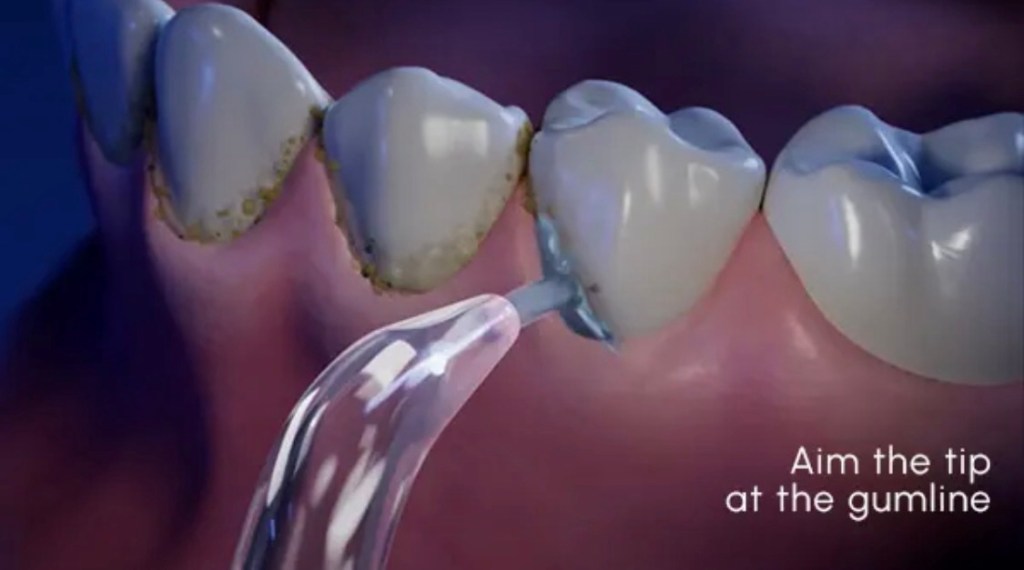
A water pick uses a focused stream of pulsating water to clean between teeth and along the gumline. Instead of scraping mechanically like string floss, it flushes out debris and bacteria using water pressure.
Think of it less as a replacement toothbrush and more as a precision rinse for the places brushing can’t reach.
Water picks have been recommended for decades by dental professionals, especially for people with:
Gum sensitivity or bleeding Crowded teeth Braces, retainers, or implants Difficulty using traditional floss consistently
Why Traditional Flossing Often Fails in Real Life
Flossing is effective—when people actually do it. The problem isn’t knowledge. It’s friction.
Common barriers include:
Gum pain or bleeding Awkward hand positioning Difficulty reaching back teeth Time pressure at night Forgetting altogether
Behavioral psychology shows that habits succeed when they reduce effort, not increase it. A water pick lowers the activation energy of flossing. You turn it on. You aim. You’re done.
Consistency beats perfection every time.
The Science-Backed Benefits of Using a Water Pick
1. Improved Gum Health
Water flossers are particularly effective at reducing gingivitis and gum inflammation. The pulsating water stimulates blood flow while removing bacteria that irritate the gums.
Many users notice:
Less bleeding within days Reduced tenderness Healthier-looking gum tissue over time
Healthy gums aren’t just cosmetic—they’re linked to heart health and systemic inflammation.
2. Better Plaque Removal in Hard-to-Reach Areas
Plaque doesn’t just sit neatly between teeth. It collects under the gumline and around dental work—places floss often misses.
Water picks excel at:
Flushing periodontal pockets Cleaning around crowns and bridges Reaching awkward tooth angles
This makes them especially valuable as we age and dental complexity increases.
3. Ideal for Braces, Retainers, and Implants
If you’ve ever tried flossing with braces or a permanent retainer, you already know the frustration.
Water picks:
Eliminate threading floss Clean around wires and brackets Reduce plaque buildup around implants
For orthodontic or post-dental-work care, they’re not just convenient—they’re often necessary.
4. Gentler Than String Floss
For people with sensitive gums, arthritis, or dexterity challenges, traditional floss can feel harsh or inaccessible.
Mindful living isn’t about doing more. It’s about doing things in ways that respect your body and your attention.
A water pick aligns with mindful hygiene because it:
Reduces daily friction Encourages consistency Creates a small ritual rather than a chore Supports long-term health with minimal effort
It’s a subtle shift—from forcing discipline to designing systems that work with you.
Common Myths About Water Picks
“They Replace Brushing”
No. Brushing removes surface plaque; water picks clean between and below. They work best together.
“They’re Only for People With Dental Problems”
Preventive care is the point. Waiting for gum disease is like waiting for pain before stretching.
“They’re Messy”
Modern designs are far more controlled than older models. With a little practice, it’s no messier than rinsing.
How to Use a Water Pick Effectively
For best results:
Use once daily, ideally at night Start on a low pressure and increase gradually Aim along the gumline, pausing between teeth Lean over the sink and keep lips slightly closed
Total time: about 60 seconds.
That’s it.
Practical Takeaways
A water pick makes flossing easier, gentler, and more consistent It significantly improves gum health when used daily It’s especially valuable for braces, implants, and sensitive gums Habit design—not willpower—is the real benefit
If you’ve struggled to floss regularly, the water pick isn’t a shortcut—it’s a smarter path.
Discover 7 science-backed stress relieving activities that calm your nervous system, improve focus, and help you feel grounded in daily life.
You don’t need another productivity hack.
You need your nervous system to settle.
Stress isn’t just a feeling—it’s a biological state. Your heart rate shifts. Your breathing tightens. Your attention narrows. Over time, chronic stress quietly reshapes your mood, focus, digestion, sleep, and even decision-making.
The good news? Your body already knows how to calm itself.
In this article, we’ll explore stress relieving activities that actually work, why they work, and how to integrate them into real life—whether you’re teaching, working, parenting, or juggling too many tabs in your mind.
1. Slow Breathing (The 4–6 Reset)
When stress rises, breathing becomes shallow and fast.
If you slow your breath, your nervous system follows.
Try this:
Inhale for 4 seconds Exhale for 6 seconds Repeat for 3–5 minutes
Longer exhales activate the parasympathetic nervous system—the “rest and digest” mode.
Learn what the Rainforest Alliance is, how its certification works, and why it plays a key role in protecting forests, workers, and sustainable food systems.
You’ve probably seen the little green frog on coffee, chocolate, or bananas—but what does it actually mean? In a world where “eco-friendly” labels are everywhere and greenwashing is common, understanding which certifications genuinely matter has become a form of modern mindfulness. The Rainforest Alliance is one of the most visible sustainability organizations in the world, but its importance goes far beyond a logo. This article explores what the Rainforest Alliance is, how it works, and why it plays a meaningful—if imperfect—role in protecting ecosystems, workers, and the long-term health of our food systems.
What Is the Rainforest Alliance?
The Rainforest Alliance is an international nonprofit organization founded in 1987 with a mission to protect forests, improve rural livelihoods, and promote sustainable land use.
Rather than focusing only on conservation in isolation, the Rainforest Alliance works at the intersection of:
Environmental protection Social justice for workers and farmers Economic sustainability for producers
Their core belief is practical: forests won’t survive unless the people who depend on them can also survive.
How the Rainforest Alliance Works
Certification as a Tool, Not a Goal
The Rainforest Alliance is best known for its certification program, which applies to farms, forests, and supply chains. Certification is not about perfection—it’s about continuous improvement.
To earn certification, producers must meet standards related to:
Environmental protection Preventing deforestation Protecting biodiversity and wildlife habitat Conserving water and soil health Social responsibility Prohibiting child labor and forced labor Improving workplace safety Respecting workers’ rights Economic resilience Improving farm productivity Reducing long-term climate risk Supporting farmer training and knowledge
Independent auditors verify compliance, and standards are updated regularly based on new science and feedback.
The Frog Seal Explained
The Rainforest Alliance’s green frog seal is intentionally symbolic. Frogs are considered indicator species—their health reflects the health of entire ecosystems.
When you see the frog seal, it means:
Ingredients were sourced from certified farms or forests Environmental and labor standards were applied The supply chain met traceability requirements
It does not mean the product is carbon-neutral, perfectly ethical, or immune from global market pressures—but it does indicate a higher baseline of responsibility than conventional production.
Why the Rainforest Alliance Is Important
1. It Protects Forests Where It Counts
Agriculture is the leading driver of global deforestation. Rainforest Alliance certification directly targets this problem by:
Requiring zero deforestation in certified areas Encouraging shade-grown and agroforestry systems Supporting land-use planning that preserves ecosystems
Instead of separating “nature” and “food,” the model integrates them.
2. It Improves Conditions for Farmers and Workers
Many smallholder farmers live in poverty despite producing global commodities. The Rainforest Alliance:
Provides training in sustainable farming practices Improves safety standards and labor protections Helps farmers adapt to climate change
While it doesn’t guarantee wealth, it reduces vulnerability—and that matters in a warming world.
3. It Addresses Climate Change Practically
Rather than abstract climate pledges, the Rainforest Alliance focuses on:
Climate-smart agriculture Soil carbon retention Reduced chemical dependency Resilient crop systems
These are quiet, unglamorous changes—but they scale.
4. It Creates Accountability in Supply Chains
Large corporations dominate global food systems. Rainforest Alliance certification:
Forces transparency Applies third-party verification Makes sustainability measurable rather than symbolic
It’s not anti-capitalist—but it does apply pressure where consumers alone cannot.
Common Criticisms (and Why They Matter)
Mindful consumption means understanding limitations, not ignoring them.
“Certification Doesn’t Fix Everything”
True. Certification cannot solve:
Global inequality Commodity price volatility Structural poverty
But it can improve conditions within those constraints.
“Standards Aren’t Enforced Everywhere”
Enforcement quality varies by region. This is a valid concern—and one the organization openly acknowledges by revising audit systems and grievance mechanisms.
“Farmers Don’t Always Earn More”
Rainforest Alliance certification focuses on conditions and resilience, not guaranteed price premiums (unlike Fair Trade). This makes it more scalable, but also more incremental.
Rainforest Alliance vs Other Labels
USDA Organic → Focuses on chemical inputs, not labor Fair Trade → Focuses on pricing and premiums, less on ecosystems Rainforest Alliance → Focuses on whole systems: land, labor, climate
No single label is sufficient. Together, they form a partial map—not a destination.
Practical Takeaways for Everyday Life
If you’re trying to live more intentionally without becoming overwhelmed:
Use Rainforest Alliance as a baseline, not a badge of moral purity Prioritize it for high-impact products: Coffee Chocolate Tea Bananas Combine certification awareness with: Reduced consumption Local sourcing when possible Curiosity about supply chains
Mindfulness isn’t about buying the “right” thing—it’s about paying attention.
If this kind of clarity helps you navigate everyday decisions with less noise and more intention, consider subscribing to the Mindful Explorer newsletter—quiet insights for curious minds.
Discover the history, culture, wildlife, and mysteries of Lake Titicaca — the highest navigable lake in the world and a sacred gem of the Andes.
Lake Titicaca is one of those places that feels like it exists between worlds — part ancient legend, part natural wonder, and part living culture. Straddling the border of Peru and Bolivia, this high-altitude lake has inspired civilizations for thousands of years, offering breathtaking beauty, unique wildlife, and a window into Indigenous Andean traditions.
In this Mindful Explorer guide, we take you on a journey across the shimmering blue waters of Lake Titicaca to uncover its stories, science, and deep spiritual significance.
What Makes Lake Titicaca Special?
At 12,500 feet (3,810 meters) above sea level, Lake Titicaca holds the title of the world’s highest navigable lake. But altitude is only part of its legend:
It’s the birthplace of the Inca civilization, according to Andean mythology. It’s home to the floating Uros Islands, hand-woven from totora reeds. Its waters support unique wildlife found nowhere else on Earth. It holds a cultural and spiritual importance that continues today.
A Landscape of Blue and Gold
The lake stretches across 3,200 square miles of deep blue water framed by golden reed beds and the snow-capped Andes. The high elevation creates crisp, clear air, making every color feel more intense.
Visitors often remark that the horizon looks unreal, as if sky and water blur together.
The Uros Floating Islands
One of Lake Titicaca’s most fascinating features is the Uros Islands, made entirely from woven reeds that naturally grow in the lake.
How are the islands built?
Layers of totora reeds are woven and stacked. As the bottom layers rot, new reeds are added on top. Islands must be rebuilt or reinforced roughly every 3–6 months.
The Uros people have lived this way for centuries, originally building the islands as a defensive strategy. Today, the islands remain a thriving, culturally rich community that shares its traditions with visitors.
Taquile: A UNESCO-Recognized Textile Culture
Taquile Island is known for its peaceful landscapes and its people’s extraordinary weaving skills. In fact, UNESCO recognizes Taquile’s textile art as part of the world’s intangible cultural heritage.
Here, clothing is not just clothing — it communicates:
Marital status Community role Social identity
This island experience is slower, quieter, and deeply connected to tradition.
Wildlife of Lake Titicaca
Because of its isolation and altitude, Lake Titicaca hosts species found nowhere else, including:
The Titicaca water frog — one of the world’s largest aquatic frogs The Titicaca grebe, a flightless bird Native killifish and catfish Diverse waterbirds and migratory species
Sadly, many are now endangered, making conservation efforts vital.
The Spiritual Heart of the Andes
For Andean cultures, Lake Titicaca isn’t just water — it’s sacred.
In Inca tradition, the lake is believed to be:
The birthplace of Manco Cápac and Mama Ocllo, founders of the Inca Empire A gateway between the earthly world and the spiritual realm A symbol of life, fertility, and cosmic balance
Isla del Sol (Island of the Sun) and Isla de la Luna (Island of the Moon) still host ancient temples dedicated to these myths.
Travel Tips for Visiting Lake Titicaca
If you plan to explore this high-altitude wonder:
1. Prepare for Altitude
The air is thin — stay hydrated and acclimate slowly.
2. Spend Time on Multiple Islands
Each offers a different cultural experience.
3. Support Local Communities
Choose Indigenous-run tours and buy handmade crafts directly from artisans.
4. Visit from Both Countries
Peru offers easy access from Puno; Bolivia offers more traditional, less crowded island life.
Conclusion: A Lake of Legends and Living Culture
Lake Titicaca is more than a scenic destination — it’s a living story. From floating islands to ancient myths, from unique wildlife to stunning landscapes, the lake captures the spirit of the Andes in one breathtaking place.
If you ever needed a reminder that the world still holds magic, Lake Titicaca is waiting.
Explore Marcus Aurelius’ Stoic philosophy and how his quiet wisdom helps modern readers build resilience, clarity, and inner peace.
If you’ve ever felt overwhelmed by noise—notifications, opinions, constant urgency—you’re not alone. Two thousand years ago, a Roman emperor faced war, plague, betrayal, and political pressure on a scale most of us can’t imagine. And yet, he wrote reminders to himself about patience, humility, and inner calm.
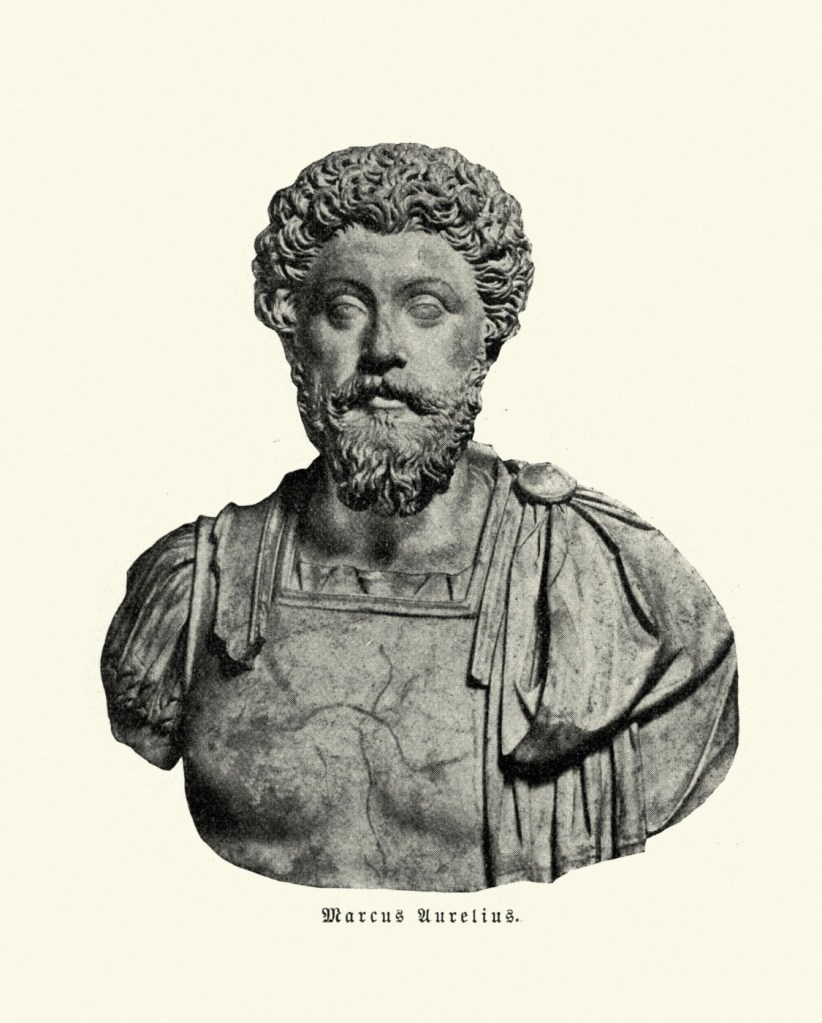
What makes Marcus Aurelius extraordinary isn’t just that he ruled an empire. It’s that he used philosophy not to escape responsibility, but to meet it with steadiness. His private journal, later published as Meditations, has become one of the most enduring guides to mindful living—precisely because it was never meant to impress anyone.
This article explores who Marcus Aurelius was, what he believed, and why his Stoic wisdom still matters in the modern world.
Who Was Marcus Aurelius?
Marcus Aurelius Antoninus (121–180 CE) was the last of Rome’s “Five Good Emperors.” He ruled during a turbulent period marked by military conflict, economic strain, and the Antonine Plague.
Despite his power, Marcus never saw himself as exceptional.
He was:
A reluctant ruler rather than a glory-seeker A student of philosophy before a politician A deeply reflective person living in an unreflective world
Unlike many philosophers, Marcus did not write abstract treatises. Meditations is a collection of personal notes—self-reminders written during military campaigns, often at night, in tents near the front lines.
That intimacy is what gives the text its power.
Stoicism in Plain Language
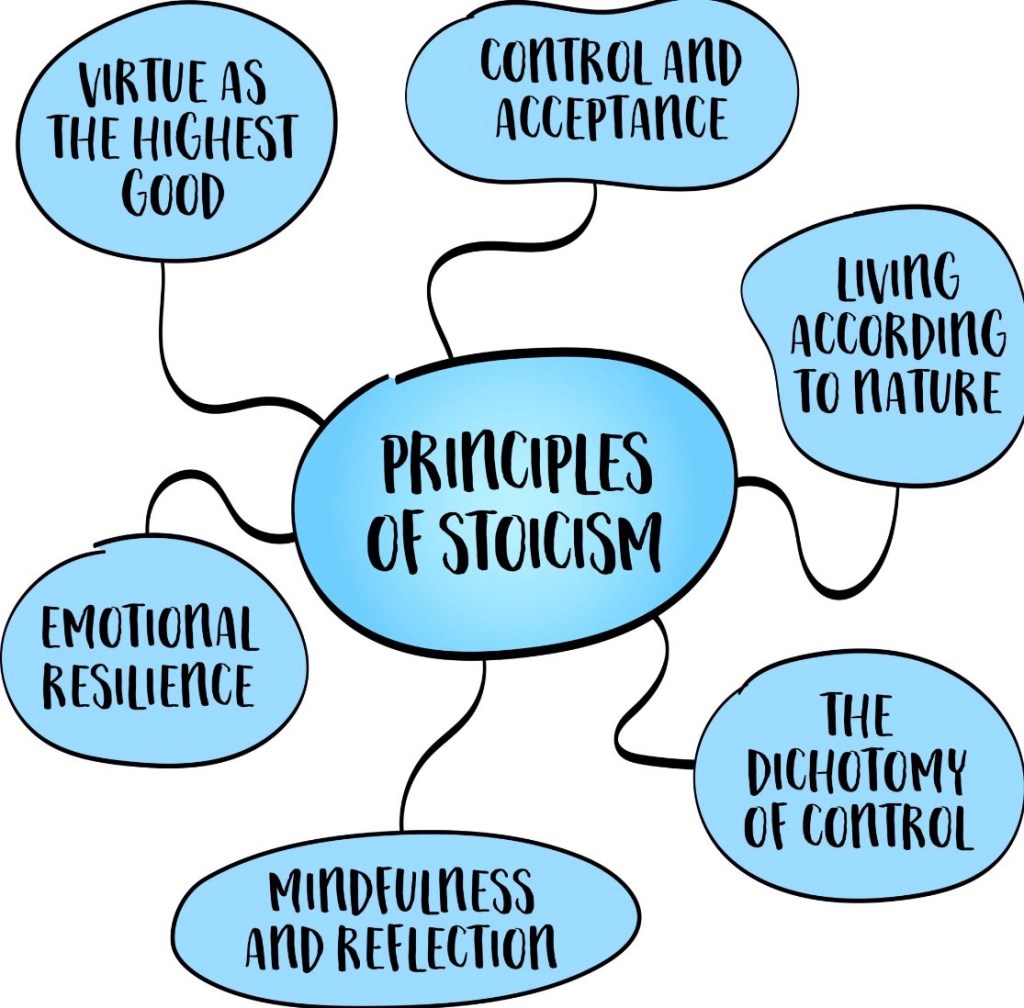
Stoicism is often misunderstood as emotional suppression. In reality, it’s about emotional clarity.
At its core, Stoicism teaches:
Focus on what you can control Accept what you cannot Act with virtue regardless of circumstance
Marcus returned to these ideas repeatedly—not because he mastered them, but because he struggled with them like anyone else.
The Dichotomy of Control
One of Marcus’ most practical insights is simple:
Some things are up to us. Some things are not.
He reminds himself that:
Other people’s opinions are not under his control The past and future are not under his control His judgments, intentions, and actions are
This distinction becomes a powerful antidote to anxiety. Much of our stress comes from trying to manage outcomes instead of responses.
Power Without Ego
What’s remarkable about Marcus Aurelius is how often he warns himself against arrogance.
He writes reminders like:
You are temporary You are no more important than others Praise and blame vanish quickly
This is not false humility—it’s realism.
Marcus understood that power amplifies character. Without inner discipline, authority leads to cruelty or excess. With discipline, it becomes service.
In a modern context—leadership roles, teaching, parenting, community work—this mindset remains deeply relevant.
Nature as a Moral Teacher
Marcus frequently uses nature as a grounding reference.
He observes:
Everything follows natural processes Decay and death are not failures but transitions Resistance to reality causes suffering
Rather than romanticizing nature, he treats it as a teacher of impermanence and cooperation.
This perspective aligns closely with modern ideas in mindfulness and ecological psychology: when we see ourselves as part of a larger system, our anxieties shrink to scale.
Why Meditations Still Resonates Today
Marcus Aurelius never intended Meditations to be published. That’s why it feels honest.
He writes about:
Anger he’s trying to restrain Fatigue from dealing with difficult people The temptation to avoid responsibility
These struggles feel strikingly modern.
In an age of personal branding and public performance, Marcus offers something rare: philosophy without an audience.
Practical Takeaways for Modern Life
Marcus Aurelius doesn’t offer hacks. He offers habits of thought.
Here are a few ways his wisdom translates today:
1. Start the Day with Mental Framing
Marcus reminded himself each morning that he would encounter difficult people—and that this was normal.
Try this: Before checking your phone, name three likely challenges of the day and how you intend to meet them calmly.
2. Shorten the Feedback Loop
He often notes how quickly fame, insult, and praise disappear.
Try this: When you feel reactive, ask: Will this matter in a year? A month? A week?
3. Practice Quiet Virtue
Marcus believed right action didn’t require recognition.
Try this: Do one helpful act each day without telling anyone.
4. Remember Impermanence—Gently
Rather than fearing death, Marcus used mortality to sharpen gratitude.
Try this: Notice one ordinary moment—walking, cooking, listening—and fully inhabit it.
Internal Links (Related Reading)
[Internal link: Stoicism and modern mental health] [Internal link: Mindfulness practices for everyday stress] [Internal link: Nature, impermanence, and meaning]
A Quiet Legacy
Marcus Aurelius never claimed enlightenment. He simply tried—again and again—to live with integrity under pressure.
That’s why his work endures.
In a culture obsessed with speed, outrage, and certainty, Marcus offers something slower and sturdier: attention, restraint, and responsibility.
You don’t need to be an emperor to benefit from that.
Soft Call-to-Action
If this kind of reflective philosophy resonates with you, consider subscribing to the Mindful Explorer newsletter for thoughtful essays on psychology, nature, and meaning—delivered calmly, not constantly.
For an easy yet thought provoking read on Stoic philosophy check out The Daily Stoic.
If you’re looking for something more in depth, pick up a copy of Meditations written by Marcus Aurelius himself.
Why smartphone boundaries are essential for attention, creativity, and mental clarity. A mindful approach to technology that restores agency and depth.
We don’t lack discipline—we lack boundaries
The modern smartphone is a marvel: a map, a library, a studio, a marketplace, and a social space all in one. But without boundaries, it quietly becomes something else—a habitat instead of a tool.
And when we live inside our phones, we slowly abandon the places where meaning actually forms: silence, boredom, nature, deep focus, and unbroken thought.
Smartphone boundaries aren’t about rejection or technophobia.
They’re about self-respect.
Attention is a finite natural resource
We talk about time management, but time isn’t the real currency—attention is.
Attention fuels:
creativity emotional regulation learning memory long-term life design
Smartphones fragment attention by design. Notifications, infinite scroll, and variable rewards train the brain toward constant novelty and reactivity.
The result isn’t laziness.
It’s shallowness without intention.
Creativity doesn’t disappear from lack of effort—it disappears from interruption.
The nervous system cost of constant connection
Even “neutral” phone use keeps the nervous system lightly activated:
shallow breathing background anxiety impatience reduced tolerance for stillness
This low-grade stimulation prevents the mental exhale required for insight, reflection, and emotional depth.
Boundaries restore rhythm.
Boredom is not the enemy
Boredom has been unfairly maligned.
In reality, boredom is the threshold state where:
melodies emerge essays begin forming clarity about life decisions appears
Smartphones eliminate boredom instantly—and with it, the quiet conditions that generate original thought.
When boredom disappears, creativity follows.
Boundaries are not restriction—they’re alignment
Healthy smartphone boundaries aren’t about using your phone less.
They’re about using it in alignment with your values.
Instead of asking:
“Should I be on my phone right now?”
Try asking:
“Is my phone helping me become the person I’m trying to be?”
Boundaries shift the phone from default behavior to intentional choice.
Simple boundaries with outsized impact
You don’t need a digital detox or a monk’s discipline.
A few structural shifts create disproportionate benefits.
High-leverage boundaries:
No phone for the first hour after waking Phone-free deep work blocks Designated check-in windows for email and social media No scrolling during nature time Phone charging outside the bedroom
These are not rules—they’re protective containers for attention.
Nature is the ultimate counterbalance
Time outdoors without a phone recalibrates perception.
Colors sharpen.
Thoughts slow.
Perspective widens.
This is not accidental—humans evolved to regulate attention through landscape, not screens. Protecting phone-free nature time is one of the most powerful mental health practices available.
A quiet truth
Most people aren’t addicted to their phones.
They’re disconnected from meaning, and phones offer a constant substitute.
Shinrin-yoku, or forest bathing, is a Japanese practice shown to reduce stress, improve mood, and support immune health—no hiking required.
Modern life keeps your nervous system on high alert—screens, schedules, noise, and constant decision-making. Many people try to “relax” by staying busy in different ways, yet still feel tense and scattered. Shinrin-yoku, often translated as forest bathing, offers a radically simple alternative: slow down and immerse your senses in a natural environment. No fitness goal. No destination. Just presence.
This article explores what shinrin-yoku actually is, what science suggests about its benefits, and how you can practice it—whether you live near deep woods or a small city park.
What Is Shinrin-Yoku?
Shinrin-yoku (森林浴) literally means “taking in the forest atmosphere.” The term was coined in the early 1980s in Japan as a public-health response to rising stress, burnout, and lifestyle-related illness.
Unlike hiking or outdoor exercise, shinrin-yoku emphasizes:
Slow movement Sensory awareness Non-goal-oriented time in nature
You are not trying to reach a viewpoint, track steps, or improve performance. You are simply being with the forest.
The Psychology Behind Forest Bathing
Stress Reduction and the Nervous System
One of the most consistent findings in shinrin-yoku research is its effect on the stress response. Time spent in forests is associated with:
From a psychological standpoint, this reflects a shift from sympathetic nervous system dominance (fight-or-flight) toward parasympathetic activation (rest-and-digest).
In practical terms: your body gets the signal that it is safe to relax.
Attention Restoration Theory
Psychologists describe something called Attention Restoration Theory (ART). The idea is simple:
When you walk through a forest, your attention is held by:
Leaves moving in the wind Variations of light and shadow Birdsong and natural textures
This allows the brain’s executive systems to rest, often leading to:
Improved concentration afterward Reduced mental fatigue A calmer, clearer mental state
Physical Health Benefits (Beyond Relaxation)
Immune Support and Phytoncides
Trees release natural compounds called phytoncides—aromatic oils that help protect plants from insects and pathogens. When humans inhale these compounds, studies suggest they may:
Increase activity of natural killer (NK) cells Support immune regulation Reduce inflammation markers
While shinrin-yoku is not a medical treatment, it appears to support the body’s baseline resilience.
Sleep and Mood
Regular exposure to natural environments is linked to:
Better sleep quality Reduced symptoms of anxiety and depression Improved overall mood stability
Importantly, these effects often persist for days after a forest-bathing session—especially when practiced consistently.
How to Practice Shinrin-Yoku (Step by Step)
1. Choose the Right Setting
Ideal locations include:
Forest preserves Nature reserves Botanical gardens Quiet parks with dense trees
The space does not need to be remote or wild. What matters most is relative quiet and greenery.
2. Slow Down—A Lot
Move at about half your normal walking speed. If you feel impatient, that’s a sign it’s working.
Pause often. Sit if you feel drawn to it.
3. Engage the Senses
Instead of thinking about nature, experience it directly:
Sight: textures, colors, depth Sound: wind, birds, leaves Smell: soil, bark, greenery Touch: tree bark, stones, air temperature
There is no need to label or analyze what you notice.
4. Leave the Phone Behind
Photos and tracking apps shift attention outward again. If safety requires a phone, keep it on silent and out of reach.
5. Aim for 20–40 Minutes
Research suggests benefits begin around 20 minutes, with deeper effects as sessions approach 40–60 minutes.
Common Misconceptions
“It Only Works in Wild Forests”
False. Even modest green spaces can provide benefits—especially if visited regularly.
“It’s Just a Walk”
Not quite. The intention and attentional quality are what distinguish shinrin-yoku from exercise.
“You Have to Believe in It”
No belief required. Many effects occur at the physiological level, regardless of expectations.
Practical Takeaways
Schedule one forest-bathing session per week if possible Pair it with journaling or quiet reflection afterward Treat it as mental hygiene, not a productivity tool Think of nature as a regulator, not an escape
Small, consistent exposure often matters more than occasional long trips.
If this approach resonates with you, consider subscribing to the Mindful Explorer newsletter for calm, research-grounded reflections on psychology, nature, and intentional living.
This nourishing bone broth breakfast with eggs, kale, and mushrooms supports joints, digestion, and energy—an easy savory ritual for mindful mornings.
A Better Way to Start the Day
If you’ve ever felt that breakfast choices swing between too heavy and not enough, you’re not alone. Many people start their day with sugar spikes, rushed meals, or habits that don’t truly support long-term health.
This bone broth breakfast soup offers a different approach. It’s warm, savory, grounding, and deeply nourishing—without being complicated. Built from bone broth, eggs, leafy greens, mushrooms, herbs, and healthy fats, this meal supports digestion, joint health, steady energy, and inflammation control. Most importantly, it’s realistic enough to eat almost every day.
This isn’t a trendy recipe. It’s a practical morning ritual.
The Default Bone Broth Breakfast Recipe
This is your base version—simple, flexible, and fast.
Ingredients (1 serving)
1½–2 cups low-sodium bone broth 1–2 eggs 1 cup chopped kale ½–¾ cup sliced mushrooms (cremini or shiitake work best) 1 teaspoon olive oil Black pepper, to taste Chili powder or chili flakes (optional) Dried oregano or basil Optional additions: fresh ginger, turmeric, sauerkraut (added at the end)
Simple Cooking Method
Bring the bone broth to a gentle simmer. Add sliced mushrooms and simmer for 4–6 minutes. Add kale and cook for 1–2 minutes until wilted. Crack eggs directly into the broth and poach for 2½–4 minutes, depending on how runny you like them. Remove from heat, drizzle with olive oil, season to taste, and enjoy.
Total time: about 10 minutes.
Why This Breakfast Works
Bone Broth as a Morning Foundation
Bone broth provides collagen, glycine, and minerals that support joint health, gut lining integrity, and hydration. Starting the day with a warm liquid also gently activates digestion, especially compared to cold or sugary breakfasts.
From a psychological perspective, warm savory foods tend to promote calm and focus rather than stimulation and crashes.
Eggs for Steady Energy
Eggs provide complete protein, choline for brain function, and fat-soluble vitamins that help you feel satisfied longer. Starting the day with protein has been shown to reduce mid-morning cravings and support better blood sugar regulation.
Mushrooms for Gut and Immune Support
Mushrooms contain beta-glucans that support immune balance and gut health. They also add natural umami flavor, making the meal satisfying without relying on excess salt or fat.
Cremini and shiitake mushrooms strike the best balance between nutrition, flavor, and cook time.
Kale Without the Digestive Stress
Lightly cooked kale delivers vitamins A, C, and K, along with minerals like calcium and magnesium. Cooking it briefly makes it easier to digest than raw greens while preserving most of its nutritional value.
Olive Oil: The Quiet Upgrade
Adding a small amount of olive oil improves nutrient absorption, supports cardiovascular health, and increases satiety. Just one teaspoon makes the meal feel complete without becoming heavy.
Thin slices cook more evenly and integrate better into the soup.
Smart Variations That Keep the Habit Alive
To avoid boredom, rotate one element at a time.
Flavor Variations
Add ginger and turmeric for anti-inflammatory support Stir in a small amount of miso for depth and probiotics Finish with lemon zest for brightness
Protein Adjustments
Add a second egg on active days Occasionally include shredded chicken or tofu
Fermented Add-Ons
Add sauerkraut only after cooking to preserve probiotics Start with 1–2 tablespoons to avoid digestive discomfort
Practical Takeaways for Long-Term Use
Use low-sodium broth so you control seasoning Eat this 4–6 days per week rather than every single day Pair with fruit if you need extra carbohydrates Keep portions consistent to reinforce habit formation Focus on repeatability, not perfection
This works best as a default breakfast, not a rigid rule.
A Gentle Invitation
If you enjoy practical, grounded approaches to everyday health, consider subscribing to the Mindful Explorer newsletter for thoughtful insights you can actually apply.
Quantum immortality suggests you never experience your own death. Explore what this idea really means, where it comes from, and why it matters psychologically.
Have you ever wondered—quietly, maybe late at night—what it would be like to never experience your own death? Not to live forever in a fantasy sense, but to never encounter the moment where everything stops?
The idea of quantum immortality claims something strange: that from your own perspective, consciousness always continues. Death happens in some versions of reality—but not the one you experience.
This thought experiment sits at the intersection of physics, philosophy, and psychology. And while it’s often misunderstood (or sensationalized), it raises deeply human questions about fear, meaning, and how we relate to mortality.
This article unpacks what quantum immortality actually is—and why it’s far more about how we live than whether we can escape death.
What Is Quantum Immortality? (In Plain Language)
Quantum immortality is a thought experiment, not a proven scientific theory. It grows out of a particular interpretation of quantum mechanics called the Many-Worlds Interpretation.
The simplified idea goes like this:
Every time a truly random quantum event occurs, reality splits into multiple outcomes. In some versions of reality, you survive. In others, you do not. Conscious experience, the argument goes, can only continue in the branches where you remain alive.
From inside consciousness, death is never experienced—only survival.
This leads to the unsettling claim: you always find yourself alive, no matter how unlikely survival becomes.
Where the Idea Comes From: Schrödinger’s Cat, Revisited
Quantum immortality is closely related to the famous Schrödinger’s Cat thought experiment.
In that scenario:
A cat is placed in a box with a quantum-triggered poison. Until observed, the cat is both alive and dead. Observation collapses the outcome.
Quantum immortality replaces the cat with you.
Instead of the universe choosing one outcome, all outcomes exist simultaneously. From the inside, consciousness only “tracks” the timelines where it continues.
Important distinction:
This does not mean you are physically immortal.
It means that subjective experience might never include the moment of non-experience.
Why Scientists Don’t Take It Literally
Physicists generally view quantum immortality with skepticism—and for good reasons.
Key problems with the idea
Unfalsifiable: There’s no way to test whether consciousness “jumps” timelines. Biology still fails: Survival doesn’t guarantee health, coherence, or quality of life. Anthropic bias: We only observe realities compatible with observation—this doesn’t imply immortality.
Most physicists see quantum immortality as an interesting philosophical edge case, not a description of reality.
The Psychological Pull: Why This Idea Grabs Us
Quantum immortality is compelling not because it’s true—but because it speaks directly to human fear.
What it emotionally offers
A sense of continuity Relief from death anxiety A feeling of cosmic significance
Psychologically, it mirrors older ideas:
Eternal soul Reincarnation Afterlife persistence
But instead of religion, it uses the language of physics—making it feel modern, rational, and safe.
The Hidden Danger: How the Idea Can Be Misused
Some online discussions dangerously misinterpret quantum immortality as a reason to take reckless risks.
This is a misunderstanding.
Even within the thought experiment:
Countless versions of you suffer, deteriorate, or die Survival does not imply well-being Consciousness could persist in increasingly fragile states
From a mental health perspective, the idea should never be used to justify harm or risk-taking.
A More Useful Interpretation: Mortality Shapes Meaning
Seen more carefully, quantum immortality points to something quieter and more grounded:
We never experience non-existence—only existence.
This is already true, without quantum mechanics.
Every moment you experience is a moment before death. The unknown isn’t what death feels like—it’s what living well feels like right now.
Instead of asking:
“Will I survive in some universe?”
A more helpful question is:
“How present am I in this one?”
What Quantum Immortality Teaches Us (Without Taking It Literally)
Here’s the grounded takeaway—no metaphysics required:
You only ever experience being alive Meaning is constructed moment by moment Fear of death often distracts from attention to life
Psychologically, this aligns with research showing that:
Acceptance of mortality increases life satisfaction Mindfulness reduces death anxiety Meaning grows from engagement, not permanence
Practical Takeaways for Everyday Life
You don’t need to believe in quantum immortality to learn from it.
Try this instead
Notice moments where you’re fully present Treat attention as finite and valuable Choose actions that improve this timeline
Ask yourself:
What am I postponing because I assume “later”? Where am I numbing instead of engaging? What version of myself am I actively reinforcing?
A Gentle Closing Thought
Quantum immortality doesn’t promise eternal life. What it quietly suggests is something more human:
You are always alive until you aren’t.
And that makes this moment—not some hypothetical universe—the one that matters.
Discover the timeless wisdom of The Hero with a Thousand Faces by Joseph Campbell — a journey through myth, psychology, and the universal path of transformation.
The Hero with a Thousand Faces by Joseph Campbell is one of the most influential books in mythology, psychology, and storytelling. It explores a universal narrative structure found across cultures — what Campbell famously called “The Hero’s Journey” or the “Monomyth.”
This framework reveals that myths from every era and region share a deep psychological pattern: a hero leaves home, faces trials, gains wisdom, and returns transformed. Campbell uses examples from ancient myths, religious stories, and modern literature to show how this timeless cycle reflects the human search for meaning.
The Structure of the Hero’s Journey
Campbell identifies three main stages of the hero’s journey — Departure, Initiation, and Return — each containing several symbolic steps.
1. Departure
The hero begins in the ordinary world before being called to adventure.
Call to Adventure: Something disrupts the hero’s normal life. Refusal of the Call: Fear or doubt may cause hesitation. Supernatural Aid: A mentor or guide offers wisdom or tools. Crossing the Threshold: The hero leaves the familiar world behind.
2. Initiation
The hero faces trials that lead to inner growth.
Road of Trials: A series of challenges test the hero’s strength and morality. Meeting with the Goddess / Temptation: The hero encounters love or temptation that tests devotion. Atonement with the Father: The hero reconciles inner conflict or authority figures. Apotheosis: The hero achieves enlightenment or transformation. The Ultimate Boon: The hero gains the prize — wisdom, knowledge, or a sacred object.
3. Return
Having transformed, the hero must bring their gift back to the world.
Refusal of the Return: The hero may want to remain in peace or bliss. Magic Flight / Rescue from Without: Obstacles arise on the way back. Crossing the Return Threshold: The hero reintegrates into society. Master of Two Worlds: Balance is found between the spiritual and material. Freedom to Live: The hero accepts life’s impermanence and lives freely.
Themes and Insights
1. Myths as Mirrors of the Mind
Campbell draws on Carl Jung’s idea of archetypes — universal symbols rooted in the collective unconscious. Myths, he argues, are psychological maps showing humanity’s shared inner journey.
2. The Journey Within
The hero’s outer adventure mirrors an inner transformation. Every trial represents a confrontation with fear, desire, or ego. Thus, myth is not only about gods and warriors — it’s about you.
3. Modern Relevance
Campbell believed that modern society’s myths — found in movies, books, and personal stories — continue to express the same ancient truths. His work profoundly influenced creators like George Lucas, who modeled Star Wars directly on the Hero’s Journey.
Why It Matters Today
In a world often fragmented by distractions and doubt, The Hero with a Thousand Faces reminds us that growth comes through struggle and self-discovery. Whether facing career change, grief, or personal evolution, we are each called to adventure — to leave comfort behind, face the unknown, and return wiser.
Campbell’s central message:
“Follow your bliss, and doors will open where there were none before.”
Personal Review
Campbell’s writing is dense but deeply rewarding. The book blends mythology, psychology, and philosophy with poetic language that feels timeless. It’s more than academic—it’s a spiritual guide to living courageously.
Pros:
Profound psychological depth Universal relevance across cultures Inspires creative storytelling and personal reflection
Cons:
Archaic language and complex references Requires patience and rereading for full understanding
Verdict:
⭐️⭐️⭐️⭐️⭐️ (5/5) — A life-changing classic that transforms how you see stories, religion, and yourself.
Conclusion
The Hero with a Thousand Faces teaches that myth is not ancient fantasy but a living roadmap for transformation. Every person who steps beyond fear, pursues meaning, and returns with wisdom becomes the hero — wearing one of the “thousand faces” of humanity.


























 Mindful Explorer