Natural Laundry Fresheners: Safe Ways to Make Clothes Smell Clean

Discover natural laundry fresheners that keep clothes smelling clean without chemicals. Simple, effective, and budget-friendly solutions.

You’ve probably noticed it—most laundry products smell “clean,” but come loaded with synthetic fragrances and chemicals you can’t pronounce. If you’re trying to live a little more mindfully, even something as simple as your laundry routine starts to matter. What you wear sits on your skin all day. So what if your laundry could smell fresh without relying on artificial scents?

Natural laundry fresheners aren’t just healthier—they’re often cheaper, simpler, and surprisingly more effective. Let’s explore how to make your clothes smell clean in a way that actually is clean.

Why Switch to Natural Laundry Fresheners?

Most conventional detergents and dryer sheets rely on synthetic fragrance blends that can irritate skin, trigger headaches, or linger in ways that feel overwhelming rather than refreshing.

Natural alternatives focus on two things:

Neutralizing odor (not masking it) Using subtle, plant-based scents

From a mindful living perspective, this shift is about reducing unnecessary inputs—simplifying what touches your body daily.

1. White Vinegar: The Simplest Odor Neutralizer

White vinegar is one of the most effective natural laundry fresheners—and one of the most overlooked.

How it works

Vinegar breaks down odor-causing bacteria and residue trapped in fabrics.

How to use it

Add ½ to 1 cup to the rinse cycle Safe for most fabrics (avoid delicate silks)

What to expect

Clothes come out odor-free, not vinegar-smelling Helps soften fabrics naturally

2. Baking Soda: Deep Freshness Booster

Baking soda enhances your detergent and tackles stubborn odors.

Why it works

Balances pH levels in water Helps remove sweat, mildew, and musty smells

How to use it

Add ½ cup directly into the drum

Best for

Gym clothes Towels Clothes left in the washer too long

3. Essential Oils: Light, Natural Scent

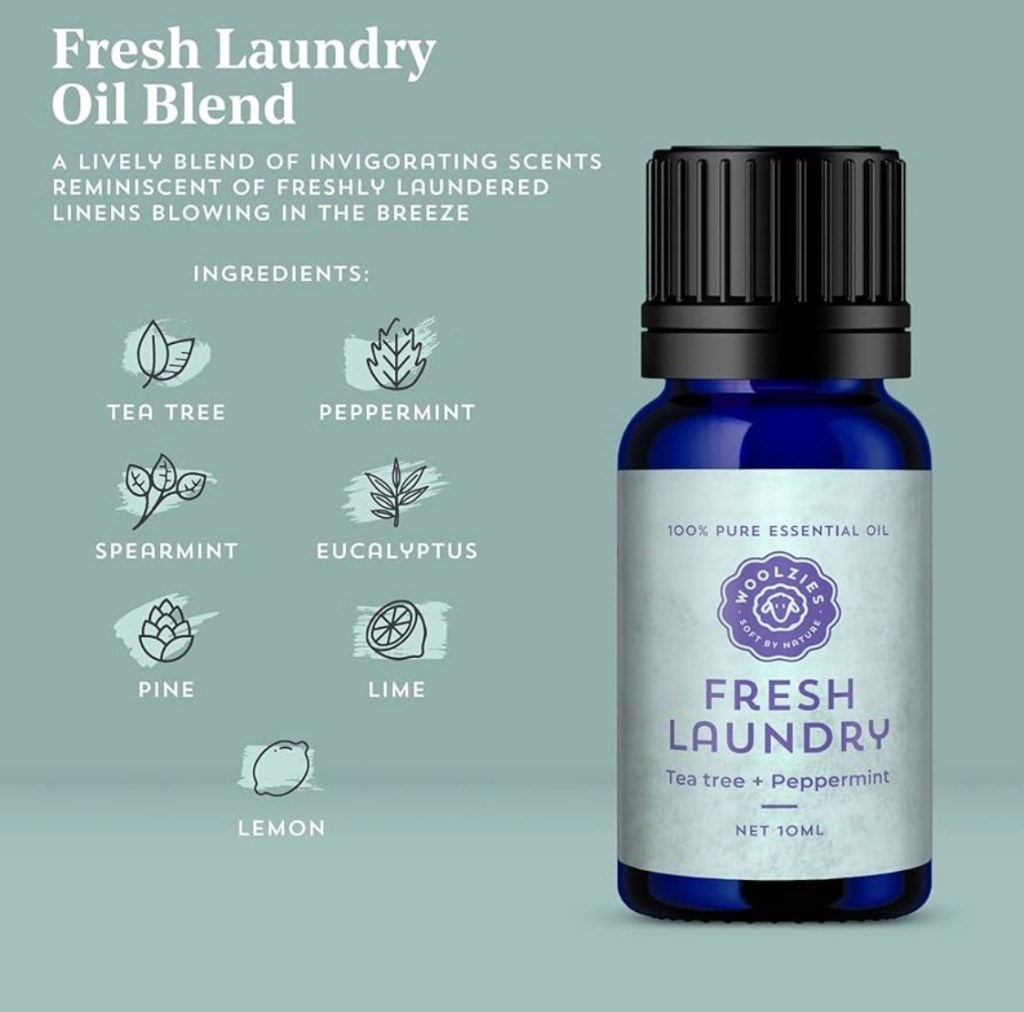
If you still want a pleasant scent, essential oils offer a clean alternative.

Popular options

Lavender (calming) Eucalyptus (fresh, crisp) Lemon (bright, energizing)

How to use

Add 5–10 drops to: Wool dryer balls A damp cloth in the dryer

⚠️ Avoid adding oils directly to the washer without dilution—they can stain.

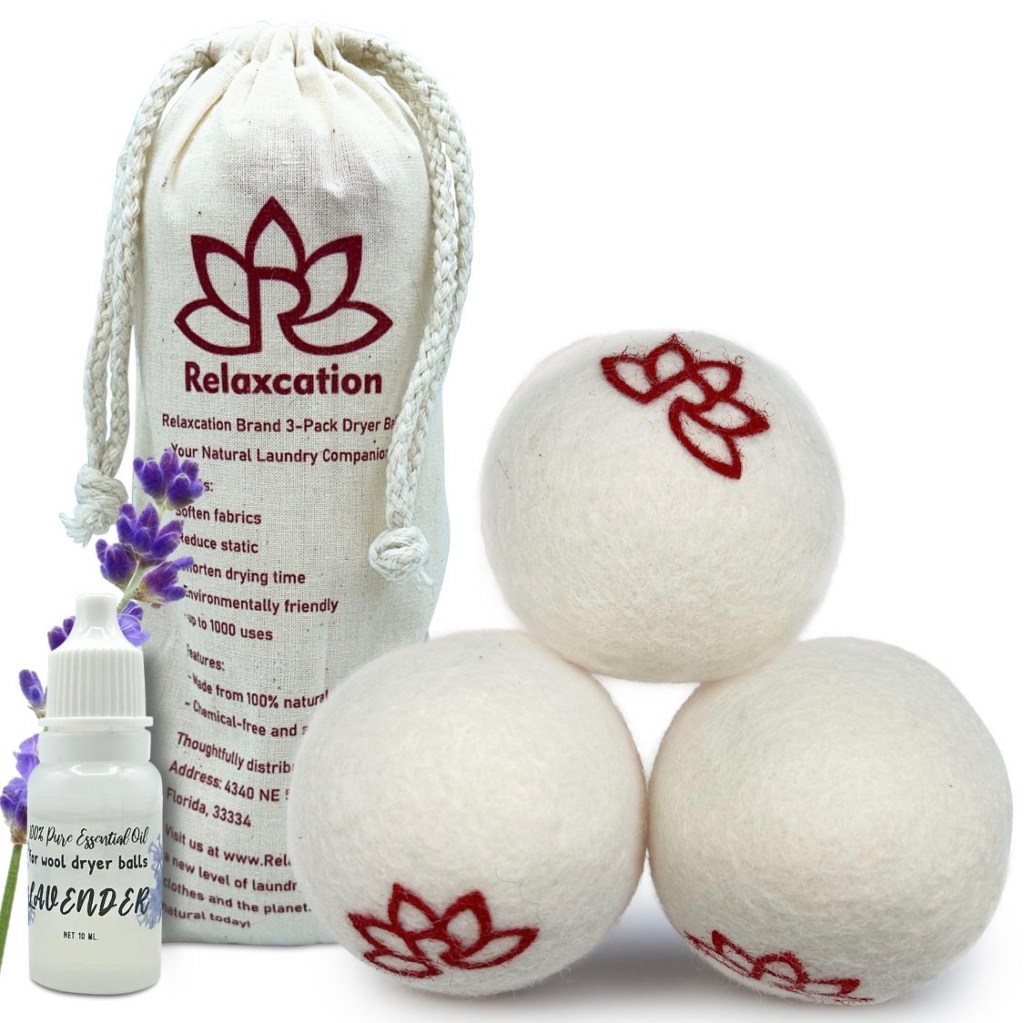
4. Wool Dryer Balls: Replace Dryer Sheets

Dryer sheets often contain synthetic chemicals that coat fabrics.

Why wool dryer balls work

Reduce drying time Soften clothes naturally Help distribute scent evenly

Bonus tip

Add essential oils to create a subtle fragrance without residue.

5. Sunlight: The Original Freshener

Before machines, sunlight was the ultimate laundry solution—and it still works.

Benefits

UV rays help kill bacteria Leaves a naturally clean, airy scent Saves energy

When to use

Sheets and towels especially benefit Great during warmer months

The Psychology of “Clean Smell”

Interestingly, what we think of as “clean” is often learned. Many people associate strong synthetic scents with cleanliness simply because that’s what products have trained us to expect.

But natural freshness is different:

It’s subtle It fades naturally It doesn’t overwhelm your senses

This shift is part of mindful living—retraining your perception to value authentic signals over artificial ones.

Practical Takeaways

If you want to simplify your laundry routine starting today:

Use vinegar in the rinse cycle to eliminate odors Add baking soda for deep cleaning power Switch to wool dryer balls instead of dryer sheets Use essential oils sparingly for light scent Dry clothes outside when possible

Start with just one change—you don’t need to overhaul everything at once.

How Local Parks Improve Mental Health: Science-Backed Benefits

Discover how local parks improve mental health through stress reduction, mood boosts, and focus. Learn simple ways to use nature for daily well-being.

You don’t need a retreat—just a nearby park

You might think improving your mental health requires big changes: therapy, travel, or a full lifestyle overhaul. But what if one of the most powerful tools is already close to you?

Local parks—those simple green spaces you pass every day—quietly offer something profound. They regulate stress, restore attention, and reconnect you with a slower, more grounded rhythm of life.

This isn’t just poetic thinking. It’s backed by psychology, neuroscience, and decades of research. Let’s explore how something as ordinary as a park can reshape your mental well-being.

🌿 The Science of Nature and the Mind

Psychologists often refer to two key theories when explaining why nature helps us:

1. Attention Restoration Theory (ART)

Modern life demands constant focus—notifications, screens, deadlines.

Nature, by contrast:

Gently captures your attention (rustling leaves, birds, wind) Requires no effort to process Allows your brain to “reset”

This restores your ability to concentrate and think clearly.

2. Stress Reduction Theory

Natural environments signal safety to the brain.

This leads to:

Lower cortisol (stress hormone) Reduced heart rate Improved emotional regulation

Even 10–20 minutes in a park can produce measurable effects.

🧠 5 Mental Health Benefits of Local Parks

1. Reduced Anxiety and Stress

Walking through a park shifts your nervous system from “fight-or-flight” to “rest-and-digest.”

You may notice:

Slower breathing Less mental tension A feeling of spaciousness in your thoughts

2. Improved Mood and Emotional Balance

Exposure to greenery has been linked to:

Increased serotonin activity Reduced rumination (overthinking)

In simple terms: parks help interrupt negative thought loops.

3. Better Focus and Cognitive Function

If you feel mentally drained, a park visit can act like a reset button.

Studies show:

Improved memory after nature walks Better task performance Increased creativity

This is especially useful if your work involves thinking, teaching, or creating.

4. Increased Physical Activity (Without Pressure)

Unlike gyms, parks invite movement without structure.

You might:

Walk longer without noticing Stretch or sit freely Engage in light, natural exercise

This lowers resistance to staying active—which indirectly boosts mental health.

5. Social Connection and Belonging

Parks are subtle social spaces.

Even without direct interaction:

Seeing others reduces feelings of isolation Shared public space builds a sense of community Casual conversations happen more naturally

🌎 Why Local Parks Matter More Than You Think

You don’t need a national park or remote wilderness.

In fact, nearby, accessible nature is often more impactful because:

You can visit consistently It becomes part of your routine Familiarity builds emotional attachment

This concept is sometimes called “everyday nature”—and it’s one of the most powerful forms of mental health support.

🧭 How to Use Parks for Mental Health (Practical Guide)

You don’t need to “optimize” your park visit. But a few intentional habits can deepen the benefits:

Simple Practices to Try

10-Minute Reset Walk No phone. Just walk and observe. Sit Spot Practice Return to the same bench or tree regularly. Notice subtle changes. Sensory Awareness Ask yourself: What do I hear? What do I feel? What’s moving? Journaling Outdoors Even 5 minutes of writing in nature can clarify thoughts. Stack It With Habits Pair park time with: Morning coffee Post-work decompression Light stretching

⚠️ A Realistic Note: Parks Aren’t a Cure-All

Nature helps—but it’s not a replacement for deeper support when needed.

Think of parks as:

A daily stabilizer A mental reset tool A foundation habit

Not a substitute for therapy, but a powerful complement.

🌱 Final Thought

Local parks don’t demand anything from you.

They don’t track your progress. They don’t ask you to perform.

They simply offer space—mental, emotional, and physical.

And in a world that constantly pulls your attention outward, that quiet space might be exactly what your mind needs.

If this resonated with you, consider building a simple weekly ritual around your nearest park—and explore more ideas on mindful living here on Mindful Explorer.

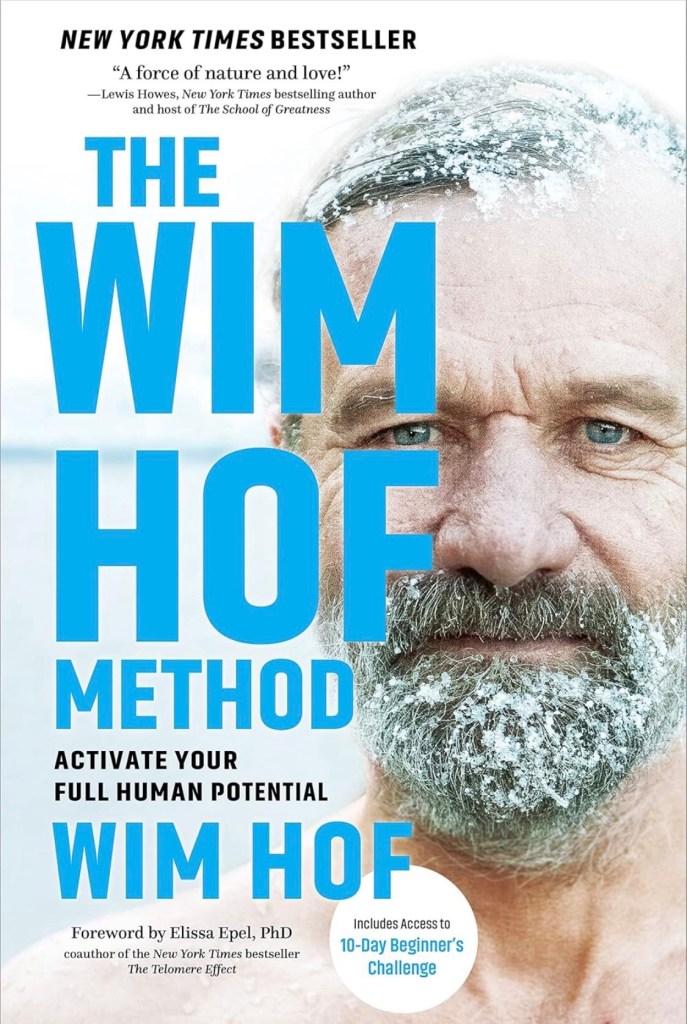
The Wim Hof Method Summary & Review: Does It Really Work?

A clear, practical review of The Wim Hof Method. Learn how breathing, cold exposure, and mindset can improve energy, stress, and resilience.

You’ve probably heard of cold plunges, ice baths, or breathing techniques that claim to unlock something deeper in the body. Maybe you’ve even wondered: Is this real science—or just another wellness trend?

The Wim Hof Method sits right at that intersection.

In this article, we’ll break down what the method actually is, what the book teaches, and whether it’s worth your time—especially if you’re interested in performance, recovery, or mental resilience.

What Is The Wim Hof Method?

The Wim Hof Method by Wim Hof introduces a system built on three core pillars:

1. Breathing

A controlled breathing technique involving:

Deep inhalations Passive exhalations Breath retention

This is designed to influence oxygen and CO₂ levels, creating a temporary stress response that can strengthen the nervous system.

2. Cold Exposure

Gradual exposure to cold through:

Cold showers Ice baths Outdoor exposure

The idea is that controlled cold stress:

Improves circulation Builds resilience Reduces inflammation

3. Mindset & Commitment

This is the often-overlooked piece:

Focus Consistency Willingness to embrace discomfort

The method emphasizes that transformation happens when you intentionally step outside your comfort zone.

Key Ideas from the Book

Stress Can Be Trained—Not Just Managed

The book reframes stress as something useful.

Instead of avoiding stress, Hof suggests:

Controlled stress (like cold or breath holds) Leads to better emotional regulation over time

This aligns with modern psychology around hormetic stress—small doses of challenge that make you stronger.

You Have More Control Than You Think

One of the bold claims:

You can influence your:

Immune system Inflammation Energy levels

Some research cited in the book suggests trained practitioners can alter physiological responses typically considered automatic.

The Body and Mind Are Not Separate

The method bridges:

Physical practices (cold, breathing) Mental outcomes (clarity, calm, focus)

This holistic approach resonates with both ancient practices and modern neuroscience.

What the Science Says (In Plain Terms)

The book references studies showing that practitioners can:

Activate the sympathetic nervous system voluntarily Reduce inflammatory markers

In simpler terms:

You may be able to train your body to handle stress better.

However:

Not all claims are universally accepted More long-term research is still needed

Benefits People Commonly Report

From both the book and broader user experiences:

Increased energy Improved mood Better stress tolerance Faster recovery after workouts Stronger mental discipline

Criticisms & Limitations

A grounded review wouldn’t skip these:

1. Some Claims Are Overstated

While impressive, certain benefits may be:

Individual-dependent Not guaranteed

2. Risk If Done Improperly

Breathwork can cause dizziness Cold exposure can be dangerous if rushed

The book does emphasize gradual progression—but readers sometimes skip that part.

3. Repetition in the Book

The content could be shorter:

Some sections repeat ideas It leans motivational at times

Who This Book Is Best For

This book is a strong fit if you:

Are interested in mental toughness Want natural ways to improve recovery Are open to cold exposure and breathwork Enjoy hands-on practices, not just theory

Less ideal if you prefer:

Purely scientific, data-heavy books Passive or low-effort lifestyle changes

Practical Takeaways (You Can Try Today)

1. Start with Breathing (Safely)

30 deep breaths Hold on exhale Repeat 2–3 rounds

👉 Always seated or lying down

2. End Your Shower Cold

Start with 15–30 seconds Build gradually over weeks

3. Reframe Discomfort

Instead of avoiding it, try:

Viewing discomfort as training Not punishment

This mental shift alone is powerful.

Final Verdict

The Wim Hof Method is not just a book—it’s a practice.

At its core, it teaches something simple but powerful:

You can train your response to stress—physically and mentally.

It’s not magic. It’s not effortless.

But if you’re willing to engage with it, the method offers a direct, experiential way to build resilience in both body and mind.

Grab the book here and embrace the benefits of the cold! The Wim Hof Method

Shadow Cell by Andrew Bustamante: A Deep Dive Into the Psychology of Espionage and Influence

A thoughtful review of Shadow Cell by Andrew Bustamante, exploring CIA psychology, influence, emotional control, and ethical gray areas.

Book Review for Mindful Explorer

Get it on Amazon here!

Andrew Bustamante’s Shadow Cell pulls readers behind the curtain of modern intelligence work—far beyond the glamorized spy tropes of Hollywood. Written by a former CIA intelligence officer, the book blends memoir, psychology, and practical insight into how power, influence, and perception truly operate in high-stakes environments.

This is not just a spy book. It’s a study of human behavior under pressure—and that’s what makes it especially compelling for readers interested in psychology, leadership, and mindful self-mastery.

Overview of the Book

Shadow Cell explores Bustamante’s experiences working in covert operations, focusing on how intelligence agencies recruit, assess, and manipulate human assets. Rather than revealing classified tactics, the book emphasizes:

Psychological profiling Trust-building and deception Decision-making under uncertainty Emotional regulation in dangerous environments

Bustamante frames intelligence work as a human system, not a technological one—where understanding motivations, fears, and incentives matters more than gadgets or brute force.

Key Themes and Takeaways

1. Espionage Is About People, Not Secrets

One of the strongest themes in Shadow Cell is that intelligence work revolves around relationships. Information flows through people, and people are driven by emotions—fear, pride, loyalty, desperation.

Bustamante makes it clear that mastering interpersonal dynamics is far more powerful than memorizing tactics.

2. Influence Is a Teachable Skill

The book repeatedly reinforces that influence isn’t manipulation—it’s understanding incentives. Intelligence officers don’t force people to act; they align opportunities with existing motivations.

This insight applies directly to:

Leadership Teaching Negotiation Personal relationships

For readers of Mindful Explorer, this connects strongly to psychological awareness and intentional living.

3. Emotional Control Under Pressure

Bustamante highlights the importance of self-regulation—remaining calm, observant, and deliberate when stress is high. Emotional reactions are liabilities in intelligence work.

This mirrors principles found in:

Stoicism Mindfulness practices High-performance psychology

The book subtly argues that emotional mastery is a form of freedom.

4. Ethics in the Gray Zone

Shadow Cell doesn’t shy away from moral ambiguity. Bustamante reflects on the ethical complexity of intelligence work—where choices are rarely clean and consequences ripple outward.

Rather than offering simple answers, the book invites readers to sit with discomfort and think critically about:

National security Personal responsibility The cost of secrecy

Writing Style and Accessibility

Bustamante writes in a clear, conversational, and confident tone. The book is accessible to general readers—no prior knowledge of intelligence agencies is required.

Strengths of the writing:

Engaging real-world anecdotes Clear explanations of complex ideas Practical lessons without jargon

At times, readers looking for explosive revelations may find the book more reflective than sensational—but that restraint adds credibility.

Who Should Read Shadow Cell?

This book is especially well-suited for readers interested in:

Psychology and human behavior Leadership and influence Mindfulness and emotional intelligence Ethics and decision-making Realistic depictions of intelligence work

If you enjoy books that challenge how you see power, trust, and perception, Shadow Cell delivers.

Final Verdict

Shadow Cell is a thoughtful, grounded, and psychologically rich look at espionage—not as fantasy, but as a disciplined practice of understanding people. Andrew Bustamante succeeds in turning intelligence work into a mirror for everyday life: how we influence others, manage ourselves, and navigate moral gray areas.

For Mindful Explorer readers, this book fits squarely at the intersection of psychology, self-awareness, and strategic thinking.

What would change in your life if you approached conversations and decisions with the same calm awareness described in Shadow Cell?

— Mindful Explorer (mindfulexplorer.blog)

Long-Term Investing for Retirement: A Simple, Evidence-Based Guide

Learn how to invest for retirement with a simple, long-term strategy backed by psychology and evidence—without stress, guessing, or constant market watching.

If you’ve ever felt overwhelmed by investing advice—stocks, crypto, timing the market, “hot tips”—you’re not alone.

The truth is, most successful retirement investors aren’t doing anything flashy. They’re doing something much harder in today’s world: they’re staying consistent, patient, and boring.

This article matters because retirement investing isn’t about winning today—it’s about building a system that quietly works for decades, even when motivation fades or markets get messy.

Why Long-Term Investing Actually Works

At its core, long-term investing relies on one powerful idea:

👉 Compounding

Money earns returns, and those returns earn more returns.

Over time, this creates a snowball effect.

What this means practically:

Early years feel slow Later years accelerate dramatically Consistency matters more than timing

This is why someone investing modestly for 30 years often outperforms someone trying to “trade” for 10.

The Psychology of Successful Investors

Long-term investing is less about intelligence—and more about behavior.

The biggest mistakes aren’t technical—they’re emotional:

Panic selling during downturns Chasing trends (AI, crypto hype, etc.) Trying to “time” the market Constantly checking and reacting

A better mindset:

Think in decades, not days Accept that downturns are normal Focus on your system, not the news

The goal isn’t to avoid volatility—it’s to outlast it.

The Simplest Retirement Portfolio (That Actually Works)

You don’t need complexity.

A simple, diversified approach is consistently effective:

Core building blocks:

Total U.S. Stock Market Index Fund International Stock Index Fund Bond Fund (optional, increases with age)

Example structure (early/mid career):

70–85% stocks 15–30% bonds

Why this works:

Diversification reduces risk Low fees preserve returns No guessing required

This is the strategy used by many target-date retirement funds.

Where to Invest (Tax-Advantaged First)

Before picking investments, where you invest matters more than what you invest in.

Priority order:

Employer retirement plan (401k / 403b) Especially if there’s a match (free money) Roth IRA Tax-free growth and withdrawals Ideal if you expect higher future income Traditional IRA or brokerage account For additional investing beyond limits

Consistency Beats Everything

The most important habit:

👉 Invest regularly, no matter what

This is called dollar-cost averaging.

Why it works:

You buy more when prices are low You remove emotional decision-making You stay invested through cycles

Even $100/month can become powerful over time.

How Much Do You Actually Need for Retirement?

A common guideline:

👉 The 4% Rule

Withdraw ~4% of your portfolio annually Designed to last ~30 years

Example:

$1,000,000 → ~$40,000/year $750,000 → ~$30,000/year

This isn’t perfect—but it gives a clear target.

Common Mistakes to Avoid

1. Waiting too long to start

Time matters more than amount.

2. Overcomplicating your strategy

More funds ≠ better results.

3. Checking your portfolio constantly

This increases anxiety and bad decisions.

4. Ignoring fees

Even 1% extra fees can cost hundreds of thousands over decades.

A Mindful Approach to Wealth

Retirement investing isn’t just financial—it’s psychological.

Ask yourself:

What kind of life am I actually building toward? How much is “enough”? Am I trading peace today for hypothetical wealth later?

The goal isn’t just to retire—it’s to live well along the way.

Practical Takeaways

Start now—even small amounts matter Use simple index funds (no guessing required) Automate your contributions Focus on tax-advantaged accounts first Think in decades, not months Reduce fees whenever possible Avoid reacting to market noise

If this helped simplify investing for you, consider exploring more topics like this on Mindful Explorer—or subscribe for practical, grounded insights each week.

Top 10 Zoos in the World: Where Conservation Meets Wonder

Discover the top 10 zoos in the world known for conservation, immersive habitats, and unforgettable wildlife experiences.

If you’ve ever walked through a great zoo, you know the feeling—it’s not just about seeing animals, it’s about stepping into a living ecosystem. But not all zoos are created equal. Some are redefining what it means to care for wildlife, blending conservation, education, and immersive design into something deeply meaningful.

Whether you’re a traveler, a nature lover, or someone thinking about conservation work, these top zoos represent the best of what modern wildlife institutions can be.

What Makes a Zoo Truly Exceptional?

Before diving into the list, it helps to understand what separates a good zoo from a world-class one.

Top zoos today prioritize:

Animal welfare with naturalistic habitats Conservation programs that protect endangered species Education that inspires environmental responsibility Scientific research that contributes to global biodiversity

These aren’t just places to visit—they’re active participants in protecting life on Earth.

1. San Diego Zoo — USA

Located in San Diego, this zoo is often considered the gold standard. It pioneered cageless exhibits and houses over 12,000 animals. Its global conservation efforts and massive biodiversity make it a benchmark for others.

2. Singapore Zoo — Singapore

Located in Singapore, this zoo is famous for its open-concept design. Animals roam in environments that closely mimic natural ecosystems, offering a deeply immersive experience.

3. Tiergarten Schönbrunn — Austria

In Vienna, this is the world’s oldest zoo, dating back to 1752. It blends historical elegance with modern animal care and is renowned for its giant panda program.

4. Bronx Zoo — USA

Located in New York City, the Bronx Zoo is one of the largest urban zoos in the world. Its immersive exhibits and conservation work make it a global leader.

5. Australia Zoo — Australia

Located in Beerwah and founded by Steve Irwin, this zoo emphasizes education and wildlife rescue, keeping Irwin’s legacy alive.

6. Beijing Zoo — China

In Beijing, this zoo is best known for its giant pandas and expansive grounds, blending traditional Chinese landscapes with animal exhibits.

7. Berlin Zoological Garden — Germany

Located in Berlin, this zoo has the most species of any zoo worldwide and includes a world-class aquarium.

8. Taronga Zoo — Australia

In Sydney, Taronga Zoo pairs breathtaking harbor views with strong conservation messaging and education programs.

9. Chester Zoo — UK

Located in Chester, this zoo is a leader in breeding endangered species and creating large, naturalistic habitats.

10. Zurich Zoo — Switzerland

In Zurich, Zurich Zoo focuses on entire ecosystems, with immersive environments like its indoor rainforest.

Practical Takeaways: How to Experience Zoos More Mindfully

If you visit any zoo—whether local or world-renowned—you can deepen the experience by shifting your mindset:

Observe behavior, not just animals Watch how animals interact with their environment rather than rushing exhibit to exhibit. Support conservation-focused institutions Choose zoos that reinvest in wildlife protection and ethical care. Learn one species deeply Instead of trying to see everything, focus on one animal and understand its ecosystem. Notice habitat design The best zoos are built like ecosystems, not displays.

Final Thought

The best zoos in the world remind us of something simple but powerful: humans are part of nature, not separate from it. When designed thoughtfully, zoos can reconnect us to that truth—and inspire us to protect what remains.

Best Breakfast Burrito Meal Prep for Energy and Focus!

Learn how to meal prep healthy breakfast burritos for busy mornings. High-protein, freezer-friendly recipes to boost energy and focus.

You don’t need to skip breakfast—or settle for something rushed

If your mornings feel chaotic, breakfast is often the first thing sacrificed. But what you eat early in the day directly affects your energy, focus, and mood.

A well-made breakfast burrito solves this problem.

It’s portable, balanced, and—when prepped ahead—requires almost no effort during the week. The key is building one that supports your body, not just fills you up.

This guide will show you how to create nutrient-dense, freezer-friendly breakfast burritos that actually improve your mornings.

Why breakfast burritos are ideal for meal prep

Breakfast burritos work because they combine everything your body needs into one simple format:

Protein → keeps you full and supports muscle repair Healthy fats → stabilize energy and reduce cravings Complex carbs → provide steady fuel for your brain Fiber → supports digestion and gut health

Unlike sugary breakfasts, they prevent the mid-morning crash.

The anatomy of a healthy breakfast burrito

Think of your burrito like a system, not a recipe.

1. Protein (foundation)

Aim for 20–30g per burrito:

Eggs or egg whites Turkey sausage or chicken Black beans (plant-based option) Greek yogurt (on the side or as a sauce)

2. Vegetables (volume + nutrients)

Spinach Bell peppers Onions Mushrooms Zucchini

These add fiber and micronutrients without excess calories.

3. Smart carbs (energy source)

Whole wheat tortillas Low-carb/high-fiber wraps Roasted potatoes or sweet potatoes

4. Healthy fats (satiety + brain function)

Avocado Cheese (moderate) Olive oil (used in cooking)

A simple, high-performance meal prep recipe

Ingredients (makes 6 burritos)

10 eggs 1 lb turkey sausage (or plant-based alternative) 1 cup diced bell peppers 1 cup spinach 1 cup roasted potatoes 1/2 cup shredded cheese 6 whole wheat tortillas

Instructions

Cook protein Brown the turkey sausage in a pan Add vegetables Toss in peppers and spinach until softened Scramble eggs separately Cook until just set (don’t overcook—they’ll reheat later) Assemble burritos Layer eggs, sausage mix, potatoes, and cheese Wrap tightly Fold sides in, roll, and wrap in foil or parchment Store Refrigerate (3–4 days) or freeze (up to 2 months)

How to reheat (without ruining texture)

Microwave (fast): Wrap in paper towel → 1–2 minutes Oven (best texture): 350°F for 15–20 minutes Air fryer (crisp option): 350°F for 8–10 minutes

Psychology of meal prep: why this actually works

Meal prep isn’t just about food—it’s about reducing decision fatigue.

When your morning requires fewer decisions:

You conserve mental energy You’re more consistent You avoid impulsive, low-quality food choices

This aligns with habit research: make the good choice the easy choice.

Variations to keep things interesting

High-protein athlete version

Add extra egg whites Include quinoa or extra beans Use low-fat cheese

Low-carb version

Use egg wraps or low-carb tortillas Skip potatoes, add more veggies

Vegetarian version

Black beans + sautéed mushrooms Add avocado after reheating

Gourmet version (for weekends or guests)

Add salsa verde or chimichurri Use roasted sweet potatoes Finish with fresh herbs

Common mistakes to avoid

Overfilling → leads to tearing and messy reheating Watery vegetables → cook off moisture first Overcooking eggs → they become rubbery later Not wrapping tightly → causes freezer burn

Practical takeaways

Prep once or twice per week, not daily Aim for protein-first construction Keep ingredients simple and repeatable Store burritos individually for grab-and-go ease Rotate flavors weekly to avoid burnout

Internal links

Build a full routine with [Internal link: morning habits for energy and focus] Pair with [Internal link: healthiest high-protein foods for daily nutrition] Explore [Internal link: simple meal prep strategies for busy professionals]

Final thought

A good breakfast doesn’t need to be complicated—it needs to be intentional.

When you prepare food ahead of time, you’re not just saving time.

You’re shaping your day before it begins.

If you found this helpful, explore more practical strategies with the Mindful Explorer

The History of Iran: From Ancient Empires to Modern Identity

Explore the history of Iran from ancient Persian empires to the Islamic Republic. Understand the key events, rulers, and ideas that shaped modern Iran.

Introduction: Why Iran’s History Still Matters

When most people hear “Iran,” they think of modern politics. But Iran’s story stretches back thousands of years — to some of the world’s first empires, philosophical traditions, and cultural achievements.

Understanding the history of Iran is not just about kings and revolutions. It’s about identity, religion, empire, reform, and resilience. It’s about how geography shaped destiny, and how ideas outlasted armies.

To understand today’s Iran, we have to begin long before the headlines — on the ancient Persian plateau.

The Ancient Foundations: Persia Emerges

Long before it was called Iran, the region was known as Persia, named after the province of Pars (modern Fars).

Early Civilizations

By 4000 BC, advanced settlements like Susa had already formed. These early societies developed irrigation, trade networks, and administrative systems — foundations of civilization itself.

The Achaemenid Empire (c. 550–330 BC)

Founded by Cyrus the Great, the Achaemenid Empire became the largest empire the world had yet seen.

It stretched from modern-day Turkey and Egypt to India.

What made it remarkable wasn’t just size — it was governance:

Local autonomy for conquered regions Infrastructure like the Royal Road Early models of human rights (often associated with the Cyrus Cylinder)

Later rulers like Darius I expanded administrative sophistication and monumental architecture, including Persepolis.

Zoroastrianism

Before Islam, the dominant religion was Zoroastrianism — a faith centered on moral dualism: good vs. evil, truth vs. chaos.

Its ethical framework influenced later Abrahamic religions and deeply shaped Persian culture.

Conquest and Transformation: The Islamic Era

In 651 AD, Arab Muslim forces defeated the last Sasanian ruler, ending the Sasanian Empire.

This marked a major transformation.

Islam and Persian Identity

Although Islam spread rapidly, Persian culture did not disappear. Instead, it adapted.

Persian scholars, poets, and scientists became central figures in the Islamic Golden Age. The Persian language re-emerged in new literary forms.

Figures like Rumi and Ferdowsi preserved cultural identity through poetry and storytelling.

The Mongol invasions of the 13th century brought devastation, but Iran once again rebuilt — culturally and politically.

The Safavid Revolution: Shi’a Iran

In 1501, the Safavid dynasty transformed Iran permanently.

Under Shah Abbas I, Iran became a centralized state — and Shi’a Islam became the official religion.

This decision still defines Iran today.

Isfahan flourished as a center of architecture, art, and trade. The famous Naqsh-e Jahan Square remains one of the architectural masterpieces of the Islamic world.

The Qajar and Pahlavi Periods: Modernization and Tension

By the 19th century, Iran faced growing pressure from Russia and Britain.

The Qajar Dynasty (1789–1925)

Territorial losses and foreign influence weakened the state. Public frustration led to the Constitutional Revolution (1905–1911), which established a parliament — one of the first in the region.

The Pahlavi Era (1925–1979)

The Pahlavi dynasty pursued rapid modernization.

Reza Shah and later Mohammad Reza Pahlavi promoted:

Secular education Industrialization Western-style reforms

But modernization came with political repression. Economic inequality and authoritarian control led to widespread unrest.

The 1979 Islamic Revolution

In 1979, mass protests culminated in the overthrow of the monarchy.

Led by Ruhollah Khomeini, Iran became an Islamic Republic.

This new system combined elected institutions with religious authority under a Supreme Leader.

Since then, Iran has navigated:

The Iran–Iraq War (1980–1988) Economic sanctions Internal reform movements Ongoing tensions with Western nations

Themes That Define Iranian History

Across millennia, several patterns emerge:

1. Resilience

Iran has endured conquest after conquest — yet its language, poetry, and identity persist.

2. Religion and State

From Zoroastrianism to Shi’a Islam, religion has repeatedly shaped governance.

3. Reform and Reaction

Moments of modernization are often followed by backlash. Iran’s history is cyclical in this sense.

4. Cultural Depth

Persian art, architecture, and literature remain globally influential.

Conclusion: A Civilization Beyond Headlines

Iran is not just a modern political story. It is one of the world’s oldest continuous civilizations.

From Cyrus the Great to the Islamic Republic, Iran’s history reveals a society constantly negotiating identity, faith, power, and modernity.

To understand Iran today, we must see it not as a single moment — but as a 2,500-year continuum.

Why a Water Pick Is the Best Upgrade to Your Daily Oral Hygiene

Discover why a water pick can improve gum health, reduce plaque, and make daily oral hygiene easier—especially if flossing feels like a chore.

Most people brush their teeth twice a day—and still feel like something’s missing. Gums bleed occasionally. Food gets stuck. Flossing feels tedious or uncomfortable, so it gets skipped more often than we admit.

This is where the water pick quietly changes the game. Often dismissed as a “luxury gadget,” a water pick (also called a water flosser) is one of the most effective and practical upgrades you can make to your daily hygiene routine.

If you care about long-term health, ease, and consistency—not just doing things “the traditional way”—this article explains why a water pick may be one of the smartest, most mindful habits you can adopt.

What Is a Water Pick, Really?

A water pick uses a focused stream of pulsating water to clean between teeth and along the gumline. Instead of scraping mechanically like string floss, it flushes out debris and bacteria using water pressure.

Think of it less as a replacement toothbrush and more as a precision rinse for the places brushing can’t reach.

Water picks have been recommended for decades by dental professionals, especially for people with:

Gum sensitivity or bleeding Crowded teeth Braces, retainers, or implants Difficulty using traditional floss consistently

Why Traditional Flossing Often Fails in Real Life

Flossing is effective—when people actually do it. The problem isn’t knowledge. It’s friction.

Common barriers include:

Gum pain or bleeding Awkward hand positioning Difficulty reaching back teeth Time pressure at night Forgetting altogether

Behavioral psychology shows that habits succeed when they reduce effort, not increase it. A water pick lowers the activation energy of flossing. You turn it on. You aim. You’re done.

Consistency beats perfection every time.

The Science-Backed Benefits of Using a Water Pick

1. Improved Gum Health

Water flossers are particularly effective at reducing gingivitis and gum inflammation. The pulsating water stimulates blood flow while removing bacteria that irritate the gums.

Many users notice:

Less bleeding within days Reduced tenderness Healthier-looking gum tissue over time

Healthy gums aren’t just cosmetic—they’re linked to heart health and systemic inflammation.

2. Better Plaque Removal in Hard-to-Reach Areas

Plaque doesn’t just sit neatly between teeth. It collects under the gumline and around dental work—places floss often misses.

Water picks excel at:

Flushing periodontal pockets Cleaning around crowns and bridges Reaching awkward tooth angles

This makes them especially valuable as we age and dental complexity increases.

3. Ideal for Braces, Retainers, and Implants

If you’ve ever tried flossing with braces or a permanent retainer, you already know the frustration.

Water picks:

Eliminate threading floss Clean around wires and brackets Reduce plaque buildup around implants

For orthodontic or post-dental-work care, they’re not just convenient—they’re often necessary.

4. Gentler Than String Floss

For people with sensitive gums, arthritis, or dexterity challenges, traditional floss can feel harsh or inaccessible.

I like the water pic with a tank, but you can also try a more portable option.

Water picks offer:

Adjustable pressure settings No scraping or sawing motion A more comfortable daily experience

Comfort increases compliance—and compliance drives results.

Why a Water Pick Fits a Mindful Living Approach

Mindful living isn’t about doing more. It’s about doing things in ways that respect your body and your attention.

A water pick aligns with mindful hygiene because it:

Reduces daily friction Encourages consistency Creates a small ritual rather than a chore Supports long-term health with minimal effort

It’s a subtle shift—from forcing discipline to designing systems that work with you.

Common Myths About Water Picks

“They Replace Brushing”

No. Brushing removes surface plaque; water picks clean between and below. They work best together.

“They’re Only for People With Dental Problems”

Preventive care is the point. Waiting for gum disease is like waiting for pain before stretching.

“They’re Messy”

Modern designs are far more controlled than older models. With a little practice, it’s no messier than rinsing.

How to Use a Water Pick Effectively

For best results:

Use once daily, ideally at night Start on a low pressure and increase gradually Aim along the gumline, pausing between teeth Lean over the sink and keep lips slightly closed

Total time: about 60 seconds.

That’s it.

Practical Takeaways

A water pick makes flossing easier, gentler, and more consistent It significantly improves gum health when used daily It’s especially valuable for braces, implants, and sensitive gums Habit design—not willpower—is the real benefit

If you’ve struggled to floss regularly, the water pick isn’t a shortcut—it’s a smarter path.

7 Stress Relieving Activities That Actually Calm Your Mind

Discover 7 science-backed stress relieving activities that calm your nervous system, improve focus, and help you feel grounded in daily life.

You don’t need another productivity hack.

You need your nervous system to settle.

Stress isn’t just a feeling—it’s a biological state. Your heart rate shifts. Your breathing tightens. Your attention narrows. Over time, chronic stress quietly reshapes your mood, focus, digestion, sleep, and even decision-making.

The good news? Your body already knows how to calm itself.

In this article, we’ll explore stress relieving activities that actually work, why they work, and how to integrate them into real life—whether you’re teaching, working, parenting, or juggling too many tabs in your mind.

1. Slow Breathing (The 4–6 Reset)

When stress rises, breathing becomes shallow and fast.

If you slow your breath, your nervous system follows.

Try this:

Inhale for 4 seconds Exhale for 6 seconds Repeat for 3–5 minutes

Longer exhales activate the parasympathetic nervous system—the “rest and digest” mode.

Research consistently shows that slow breathing:

Lowers heart rate Reduces cortisol Improves emotional regulation

This is one of the simplest tools you can use between classes, before a meeting, or before sleep.

2. Walking in Nature (Even 15 Minutes Counts)

Nature is not just “nice.” It is neurologically restorative.

Studies on attention restoration theory show that natural environments:

Reduce mental fatigue Improve working memory Lower rumination

Even 15–20 minutes in a park can reduce stress markers.

If you’re balancing teaching, music work, or job searching, try:

A short walk after lunch Grading papers outside Practicing guitar near an open window with natural light

For more on this, see:

[Internal link: How Nature Improves Mental Health]

3. Strength Training (Regulated Stress)

This might surprise you.

Exercise doesn’t eliminate stress—it teaches your body to handle it better.

Strength training:

Improves stress resilience Enhances mood via endorphins Builds long-term metabolic stability

If your goals include mobility, strength, and general health (as many of ours do), this is not just fitness—it’s nervous system training.

Start simple:

2–3 sessions per week Compound movements (squats, pushups, rows) Moderate intensity

The key is consistency, not exhaustion.

4. Creative Flow (Music, Writing, Art)

When you enter creative flow, the stress loop quiets.

Flow states:

Reduce self-referential thinking Improve dopamine balance Increase meaning and motivation

For musicians, this might be:

Playing repertoire slowly and intentionally Improvising without judgment Writing a short musical idea daily

For non-musicians:

Journaling Sketching Cooking something new

If creativity feels “unproductive,” remember: restoration is productive.

Related read:

[Internal link: Why Creative Practice Improves Mental Health]

5. Reducing Digital Overload

Not all stress comes from workload.

Some comes from fragmentation.

Excessive scrolling and constant notifications:

Disrupt dopamine regulation Increase anxiety Decrease sustained attention

Try:

Phone in another room during deep work No scrolling 30 minutes before bed One tech-free evening per week

If you’ve ever wondered about the cognitive effects of constant scrolling, we explore that here:

[Internal link: Does Excessive Smartphone Use Affect Your Brain?]

6. Social Connection Without Alcohol

Many social spaces revolve around drinking. But alcohol often increases next-day anxiety.

Alternative stress-relieving social ideas:

Board game nights Group hikes Open mic nights Book clubs Volunteer events

Connection regulates the nervous system. Isolation amplifies stress.

The key isn’t more people. It’s safe, meaningful interaction.

7. Sleep Protection (The Quiet Foundation)

No strategy works if sleep collapses.

Chronic stress and poor sleep reinforce each other. Protecting sleep means:

Consistent bedtime Dark, cool room No intense news or emails late at night A 10-minute wind-down ritual

Think of sleep not as leftover time—but as neurological maintenance.

For more on sleep, read our article on Lucid Dreaming

Practical Weekly Stress Reset Plan

If you prefer structure, try this simple rhythm:

Daily

3–5 minutes slow breathing 10–20 minutes movement Reduce evening scrolling

Weekly

2 strength sessions 1 longer nature walk 1 creative session purely for enjoyment

Nothing extreme. Just steady.

The Deeper Truth About Stress

Stress isn’t always the enemy.

It becomes harmful when:

It’s constant It lacks recovery It feels meaningless

The goal isn’t to eliminate stress.

It’s to build recovery into your life.

That’s how resilience forms—not from intensity, but from rhythm.