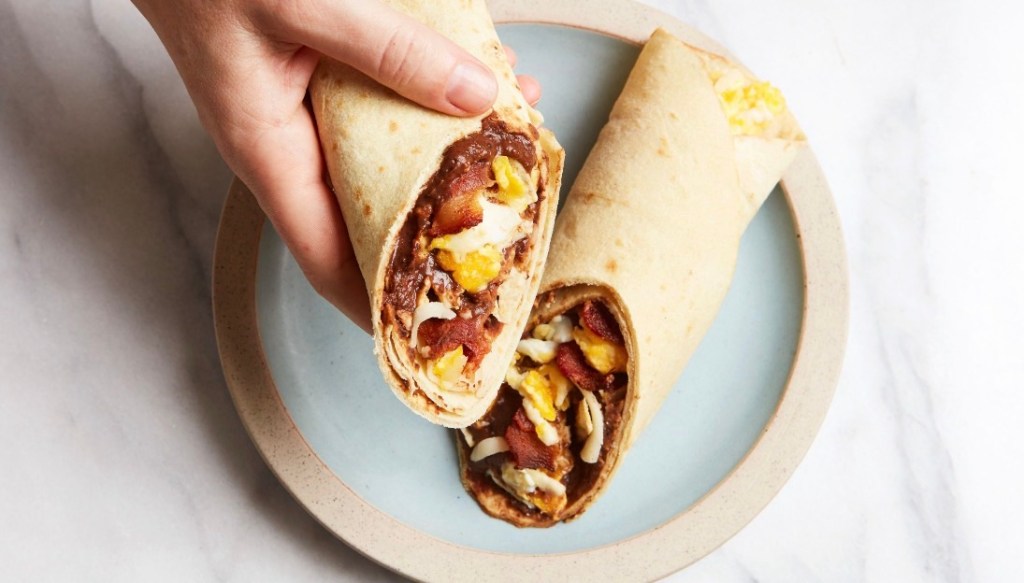
You can train hard, hit your protein goals, and still feel like something is missing. Often, the problem is not effort — it is timing and balance. A strong breakfast does more than “start your day.” It signals recovery, stabilizes energy, supports hormone function, and gives your muscles the nutrients they need after an overnight fast.
For people focused on lean muscle growth, strength, and long-term health, breakfast becomes especially important. The goal is not just calories. It is creating a meal that combines protein, healthy fats, complex carbohydrates, and micronutrients in a way your body can actually use.

A balanced breakfast can improve:
- Workout performance
- Recovery
- Focus and mood
- Appetite control later in the day
- Consistency with nutrition goals
The good news is that it does not need to be complicated.
Why Breakfast Matters for Muscle Growth
After sleeping, your body has gone hours without protein intake. Muscle protein synthesis — the process that repairs and builds muscle tissue — benefits from receiving high-quality protein early in the day.
Research also suggests that spreading protein intake throughout the day may support muscle growth more effectively than eating most of it at dinner.
A strong breakfast helps:
- Reduce muscle breakdown
- Replenish energy stores
- Support stable blood sugar
- Improve training readiness
For active adults, aiming for roughly 25–40 grams of protein at breakfast is often a practical target.
The Four Components of a Muscle-Building Breakfast
1. High-Quality Protein
Protein is the foundation.
Good breakfast protein sources include:
- Eggs
- Greek yogurt
- Cottage cheese
- Smoked salmon
- Chicken sausage
- Protein smoothies
- Tofu or tempeh
- Protein oats
Protein provides amino acids, especially leucine, which helps trigger muscle repair and growth.
2. Complex Carbohydrates
Carbs are not the enemy of a lean physique. In fact, they help fuel performance and recovery.
Good options include:
- Oats
- Ezekiel bread
- Whole grain toast
- Sweet potatoes
- Berries
- Bananas
Complex carbs provide steady energy rather than a quick spike and crash.
3. Healthy Fats
Healthy fats help with:
- Hormone production
- Satiety
- Brain function
- Joint health
Good sources:
- Avocado
- Natural peanut butter
- Nuts and seeds
- Olive oil
- Chia seeds
4. Micronutrients and Fiber
Muscle growth is not just about protein. Vitamins, minerals, hydration, and digestion all matter.
Add:
- Berries
- Spinach
- Tomatoes
- Kale
- Citrus
- Seeds
These support recovery, immunity, and long-term health.

A Simple Balanced Breakfast Formula
An easy structure looks like this:
Protein + Smart Carb + Healthy Fat + Produce
Examples:
- Eggs + Ezekiel toast + avocado + berries
- Greek yogurt + oats + walnuts + blueberries
- Cottage cheese + banana + peanut butter + chia seeds
- Smoked salmon + whole grain toast + spinach + tomato
This balance helps prevent energy crashes while supporting muscle repair.
A Realistic Muscle-Building Breakfast Example
Here is a practical breakfast that works well for lean muscle goals:
Example Plate
- 2 eggs
- 1/2 cup cottage cheese
- 2 slices Ezekiel toast
- Natural peanut butter or half an avocado
- Mixed berries
- Coffee or tea
- Water with electrolytes if training early
This combination provides:
- Complete protein
- Fiber
- Slow-digesting carbs
- Healthy fats
- Micronutrients for recovery
It is also sustainable, which matters more than perfection.
Should You Eat More Protein at Breakfast?
For many people, yes.
A light breakfast with minimal protein may leave recovery and energy on the table, especially if you are strength training regularly.
Increasing breakfast protein can help:
- Improve fullness
- Reduce overeating later
- Support strength gains
- Preserve lean muscle during fat loss
This does not mean enormous meals. Even small upgrades help:
- Add cottage cheese
- Include Greek yogurt
- Use higher-protein bread
- Add smoked salmon
- Blend a protein smoothie
Consistency matters more than extremes.
Best Breakfasts for Different Training Goals
For Lean Muscle Growth
Focus on balanced meals with moderate carbs and high protein.
Example:
- Eggs
- Oats
- Fruit
- Greek yogurt
For Fat Loss While Preserving Muscle
Prioritize protein and fiber.
Example:
- Cottage cheese bowl
- Berries
- Chia seeds
- Nuts
For High-Intensity Training Days
Increase carbohydrates slightly.
Example:
- Oatmeal
- Banana
- Eggs
- Peanut butter toast
For Busy Mornings
Keep it simple.
Example:
- Protein shake
- Banana
- Greek yogurt
- Handful of nuts
The best breakfast is the one you can consistently maintain.
Common Breakfast Mistakes
Skipping Protein
Toast alone is not enough for muscle recovery.
Eating Only Fast Carbs
Sugary cereals and pastries often lead to crashes.
Undereating
If you train hard, a tiny breakfast may hurt recovery and energy.
Overcomplicating Everything
You do not need a perfect biohacking routine. Simple whole foods work remarkably well.
Practical Takeaways
- Aim for 25–40g of protein at breakfast
- Include complex carbs for steady energy
- Add healthy fats for satiety and hormone support
- Include fruit or vegetables daily
- Spread protein intake throughout the day
- Build breakfasts you can realistically repeat
Small improvements done consistently often outperform “perfect” nutrition plans that are impossible to maintain.
Related Articles

If you enjoy practical wellness and performance articles grounded in psychology and long-term health, consider giving this a like and subscribing to the Mindful Explorer newsletter.