🌍 Earth Day: What It Means and Why It Still Matters

Discover the meaning of Earth Day, why it matters, and simple ways you can make a real impact starting today.


You don’t need to be a scientist, activist, or politician to care about the Earth—you just need to live here. And you do.

Earth Day is more than a date on the calendar—it’s a reminder that small, everyday choices shape the future of the planet. Whether it’s the air you breathe, the water you drink, or the parks you walk through, your life is deeply connected to the natural world.

This article isn’t about guilt or overwhelming responsibility. It’s about understanding Earth Day—and discovering realistic, meaningful ways you can make a difference.


🌱 What Is Earth Day?

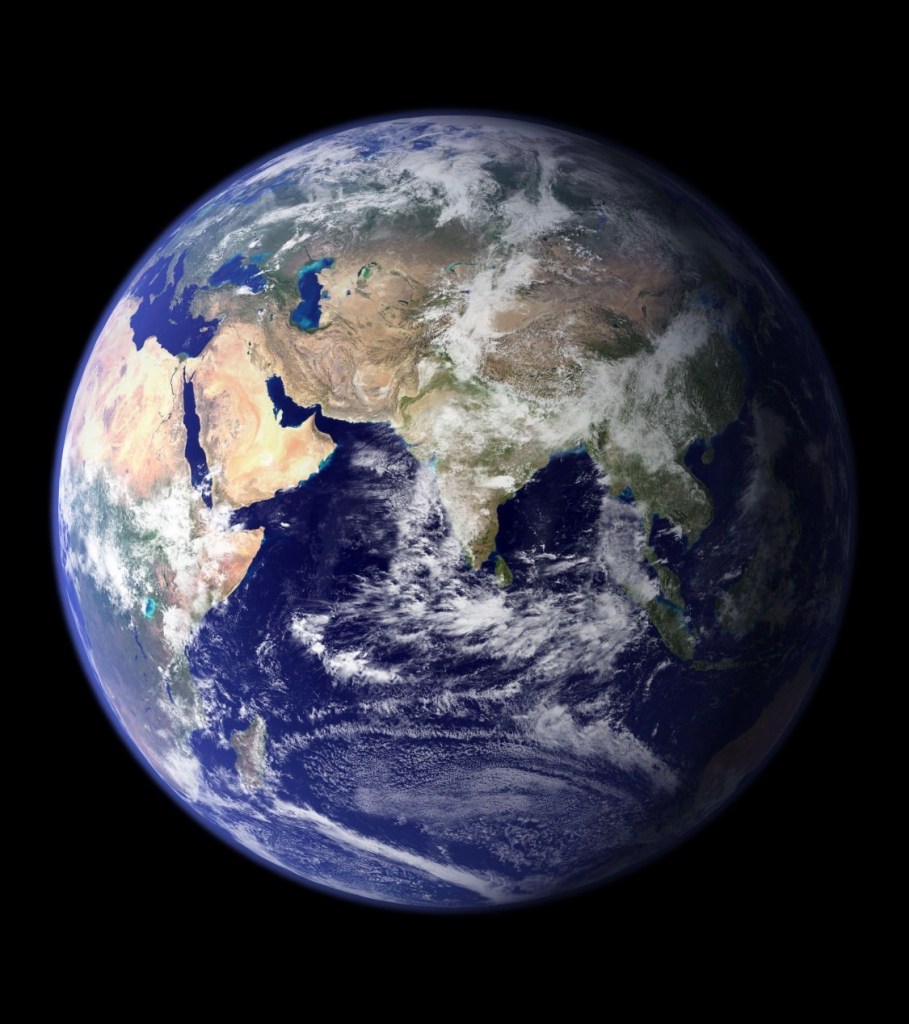
Earth Day is celebrated every year on April 22. It began in 1970 as a response to growing environmental concerns like pollution, oil spills, and habitat destruction.

What started as a grassroots movement has grown into a global event involving over 190 countries.

At its core, Earth Day is about:

  • Raising awareness about environmental issues
  • Encouraging sustainable habits
  • Inspiring collective action

🌿 Why Earth Day Still Matters

1. We’re More Connected to Nature Than We Think

Even if you live in a city, your well-being depends on ecosystems working behind the scenes:

  • Clean air from forests
  • Food from soil and pollinators
  • Water from natural cycles

When these systems are stressed, we feel it—physically and mentally.


2. Environmental Change Is Already Happening

Climate shifts, biodiversity loss, and pollution aren’t distant problems—they’re current realities.

But here’s the important part:
Human behavior caused much of this—and human behavior can improve it.


3. Small Actions Scale Over Time

One person using less plastic won’t change the world overnight.

But millions of people making slightly better choices?
That’s how real change happens.


🌎 Simple Ways to Celebrate Earth Day

You don’t need to overhaul your life. Start with one or two of these:

🌳 Get Outside (and Notice More)

  • Take a walk in a local park
  • Leave your phone in your pocket for part of it
  • Pay attention to sounds, textures, and patterns

This builds something powerful: connection → care → action


♻️ Reduce One Source of Waste

Pick one area and improve it:

  • Switch to reusable grocery bags
  • Use a refillable water bottle
  • Cut down on single-use plastics

🚲 Rethink One Habit

Ask yourself:

“What’s one thing I do daily that could be slightly more sustainable?”

Examples:

  • Drive less for short trips
  • Eat one plant-based meal
  • Turn off unused lights

🌱 Plant Something

Even a small act like planting herbs or flowers:

  • Supports pollinators
  • Improves local ecosystems
  • Creates a deeper sense of responsibility

🧠 The Psychology of Caring for the Earth

People don’t protect what they feel disconnected from.

Research in psychology shows that:

  • Time in nature reduces stress and improves mood
  • Feeling connected to nature increases pro-environmental behavior
  • Small wins build lasting habits

This means Earth Day isn’t just about the planet—
it’s also about your mental well-being.


🌍 Practical Takeaways

  • Start small: choose one sustainable habit this week
  • Spend intentional time outdoors—even 10 minutes matters
  • Replace one disposable item with a reusable option
  • Learn something new about your local environment
  • Talk about it—awareness spreads through conversation


🌿 Final Thought

Earth Day isn’t about being perfect—it’s about being aware.

The goal isn’t to live a zero-impact life overnight.
It’s to gradually shift toward a life that respects the systems that sustain you.

And that shift starts with noticing… and choosing differently.


Top Ohio Waterfall Hikes Worth Exploring (Beginner to Advanced)

Discover the best waterfall hikes in Ohio, from hidden forest cascades to dramatic gorges. Perfect trails for nature lovers of all skill levels.


🌿 Opening Hook

If you think you need to travel far to see beautiful waterfalls, Ohio might surprise you. Tucked into forests, sandstone gorges, and state parks across the state are dozens of waterfalls—some easy to reach, others rewarding you after a quiet hike.

Whether you’re looking for a peaceful solo walk, a weekend adventure, or a scenic spot to reset your mind, these waterfall hikes offer something deeper than just views—they offer stillness, perspective, and a reminder of how powerful small landscapes can be.


🥾 1. Old Man’s Cave → Cedar Falls Loop (Hocking Hills)

  • Location: Hocking Hills State Park
  • Distance: ~2–3 miles loop
  • Difficulty: Moderate

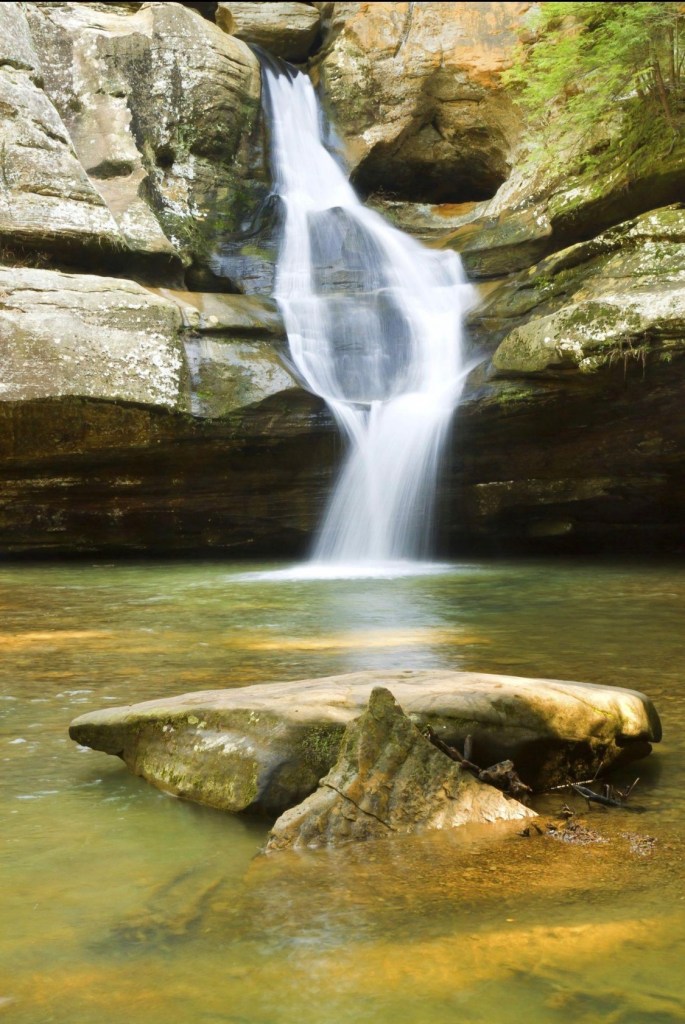
This is the most iconic waterfall hike in Ohio—and for good reason. You’ll pass through narrow gorges, stone staircases, and shaded forest before reaching Cedar Falls, one of the most powerful waterfalls in the state.

Why it stands out:

  • Multiple waterfalls in one hike
  • Dramatic cliffs and rock formations
  • Feels immersive and almost otherworldly

👉 Best after rainfall when the waterfalls are strongest.


🌲 2. Brandywine Falls Trail (Cuyahoga Valley)

  • Location: Cuyahoga Valley National Park
  • Distance: 1.5 miles loop
  • Difficulty: Easy

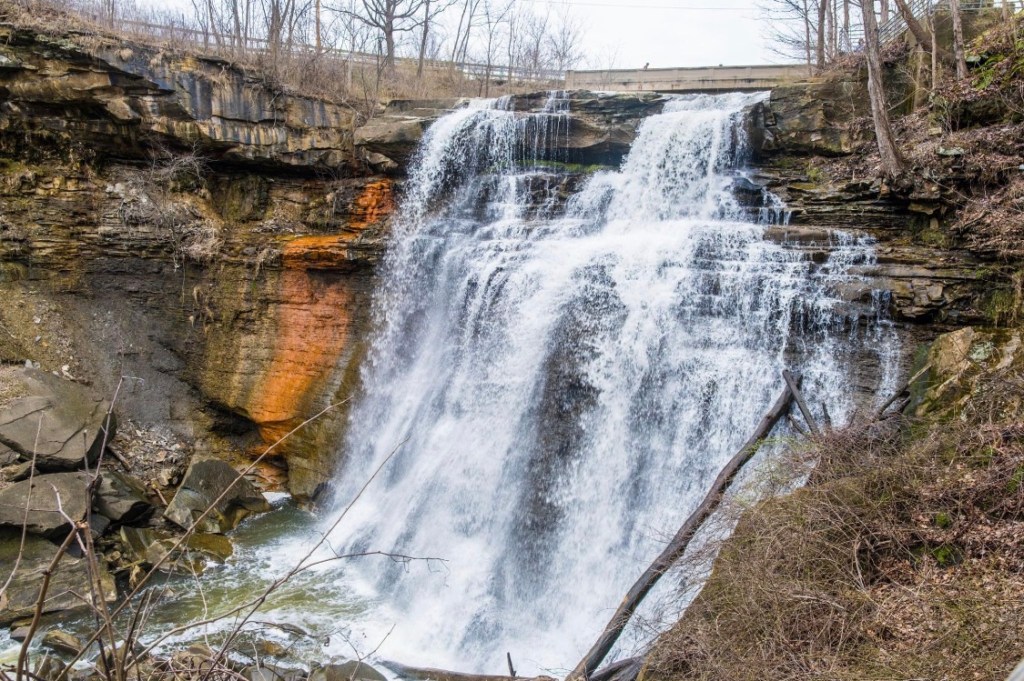
At 65 feet tall, Brandywine Falls is one of Ohio’s most impressive waterfalls—and it’s incredibly accessible thanks to a boardwalk trail.

Why it stands out:

  • Perfect for a quick nature reset
  • Accessible viewpoints
  • Stunning in all seasons (especially fall and winter ice formations)

🌄 3. Ash Cave Gorge Trail (Hocking Hills)

  • Location: Ash Cave
  • Distance: 0.5 miles (one way, paved)
  • Difficulty: Easy

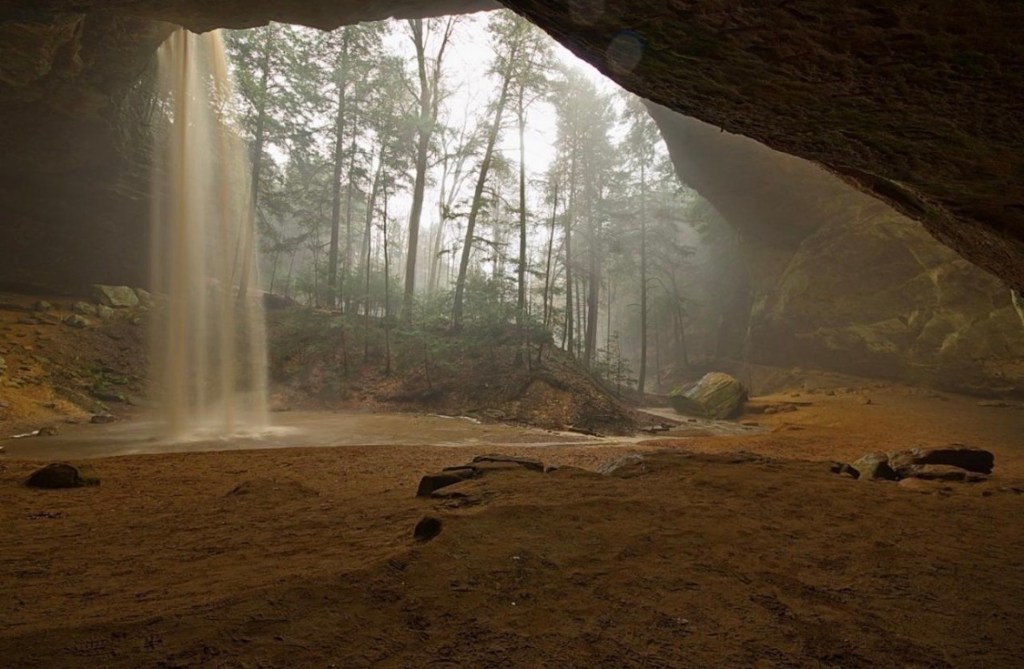
A massive natural recess cave with a seasonal waterfall dripping from its rim. Even when the flow is light, the scale of the cave makes this place unforgettable.

Why it stands out:

  • One of the largest recess caves in the U.S.
  • Fully accessible trail
  • Feels quiet and reflective

🌿 4. Clifton Gorge State Nature Preserve

  • Location: Clifton Gorge State Nature Preserve
  • Distance: 2–4 miles depending on route
  • Difficulty: Moderate

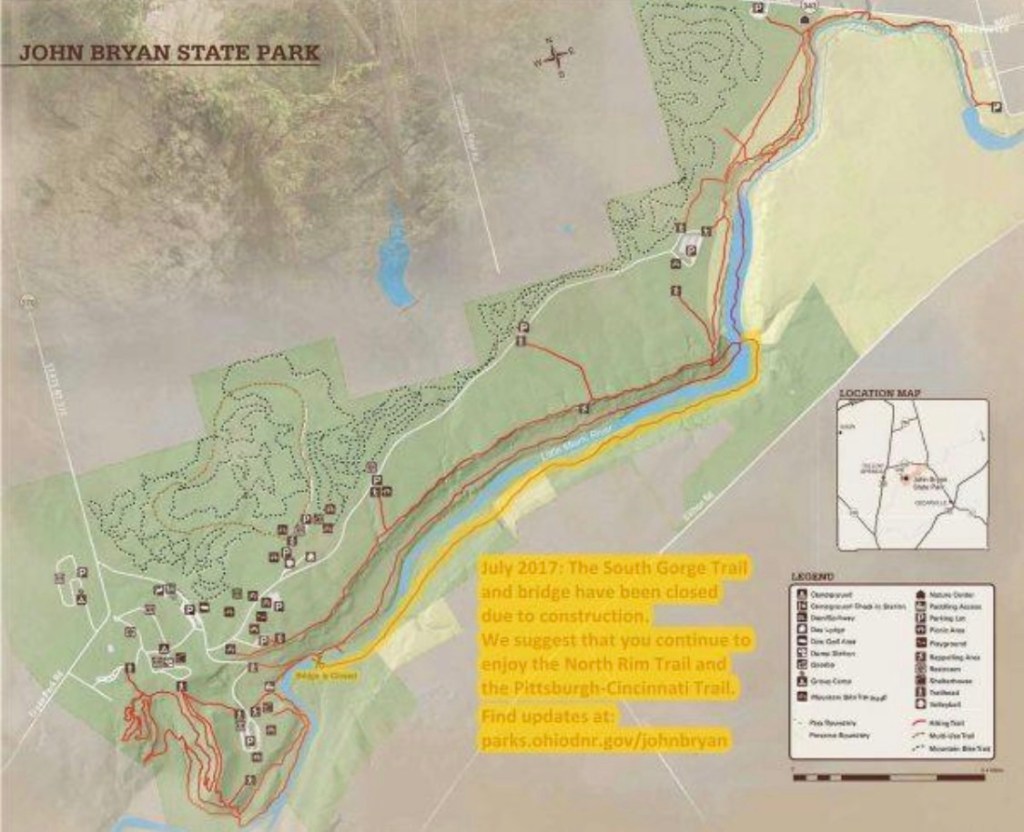
While not a single large waterfall, Clifton Gorge offers a series of cascading rapids and mini waterfalls along the Little Miami River.

Why it stands out:

  • Less crowded than Hocking Hills
  • Powerful water flow after rain
  • Great mix of geology + movement

🌊 5. Hayden Falls (Columbus Area)

  • Location: Hayden Falls
  • Distance: 0.2 miles
  • Difficulty: Very easy

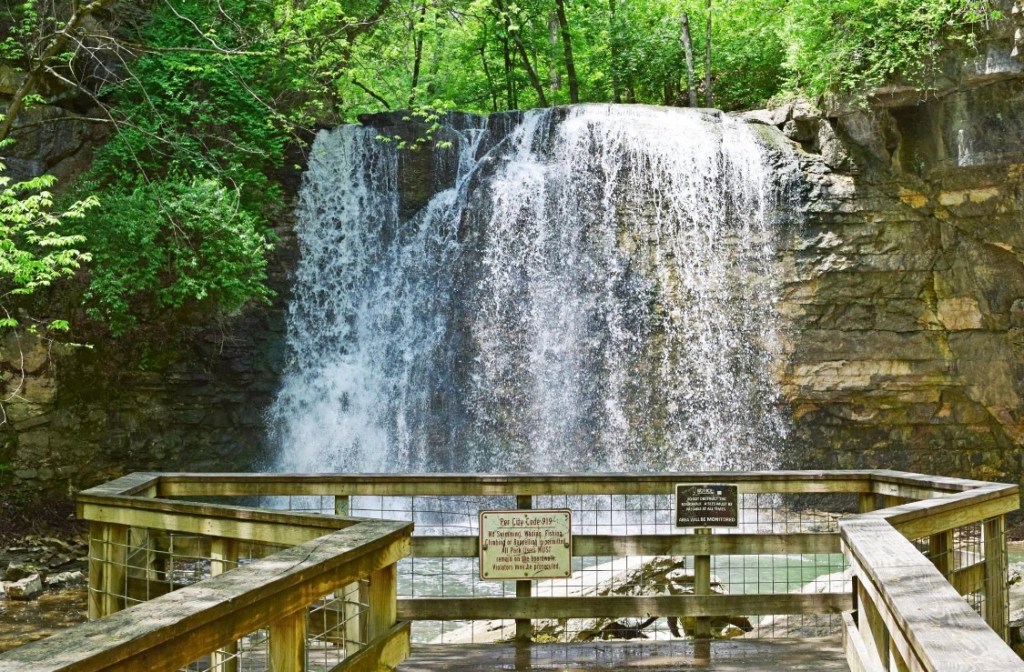
One of the easiest waterfalls to access in Ohio, just steps from a parking area. Despite its convenience, it still feels tucked away.

Why it stands out:

  • Quick stop with big visual payoff
  • Great for sunrise or quiet moments
  • Perfect add-on to a city day

🌲 6. Charleston Falls Preserve (Dayton Area)

  • Location: Charleston Falls Preserve
  • Distance: ~2 miles
  • Difficulty: Easy to moderate

A quieter trail system with a scenic waterfall and multiple loops through prairie and forest.

Why it stands out:

  • Educational nature preserve
  • Peaceful, less tourist-heavy
  • Great for birdwatching

🌿 7. Indian Run Falls (Dublin, Ohio)

  • Location: Indian Run Falls
  • Distance: ~1 mile
  • Difficulty: Easy

A tiered waterfall hidden in a suburban park setting.

Why it stands out:

  • Unique layered waterfall structure
  • Easy walking trails
  • Surprisingly scenic for its location

🧭 Practical Takeaways

If you’re planning your own waterfall hikes in Ohio:

  • Go after rain: Waterfalls are much stronger and more rewarding
  • Visit early morning or weekdays: Avoid crowds, especially in Hocking Hills
  • Wear proper footwear: Trails can be muddy and slippery
  • Season matters:
    • Spring = strongest flow
    • Fall = best colors
    • Winter = frozen waterfall magic

🌱 A Mindful Perspective

Waterfalls invite a different kind of attention. You don’t rush past them—you pause.

There’s something grounding about watching water move continuously over rock. It’s a quiet reminder: change is constant, but it doesn’t have to be chaotic. It can be steady, rhythmic—even calming.


If you want more ideas like this—simple ways to reconnect with nature and yourself—consider exploring another article or subscribing to the Mindful Explorer newsletter.


🌿 5 Edible Weeds You Can Forage for Free Nutrition

Discover 5 common edible weeds you can safely forage for free, nutrient-rich food—plus how to identify and use them in everyday meals.


What if part of your next meal was already growing in your yard—and you’ve been pulling it out as a “weed”?

Many of the plants we ignore or remove are actually some of the most nutrient-dense foods available. Foraging doesn’t require a forest expedition. It can begin right outside your door.

Learning to recognize edible weeds is more than a survival skill—it’s a shift in awareness. You start to see abundance where you once saw inconvenience. This article will introduce five common edible weeds, how to identify them, and simple ways to start using them safely.


🌱 1. Dandelion (Taraxacum officinale)

Dandelions are one of the most recognizable—and most overlooked—edible plants.

How to Identify

  • Bright yellow flower
  • Jagged, tooth-like leaves
  • Milky sap when broken

Why It’s Valuable

  • Rich in vitamins A, C, and K
  • Supports liver health
  • Entire plant is edible (roots, leaves, flowers)

How to Use

  • Add young leaves to salads (slightly bitter)
  • Brew roots into tea
  • Fry flowers into fritters

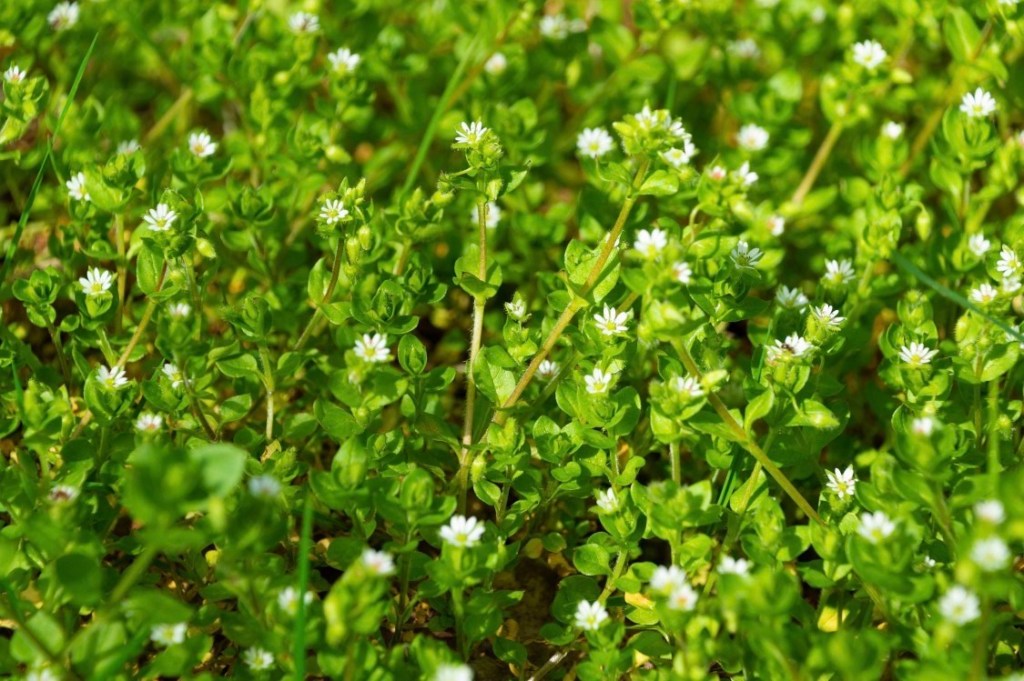
🌿 2. Chickweed (Stellaria media)

Chickweed is a delicate, mild-tasting green often found in gardens and shady patches.

How to Identify

  • Small white star-shaped flowers
  • Thin stems with a single line of hairs
  • Low-growing, spreading habit

Why It’s Valuable

  • High in vitamin C and minerals
  • Anti-inflammatory properties

How to Use

  • Toss fresh into salads
  • Blend into pesto
  • Add to sandwiches for a mild, fresh taste

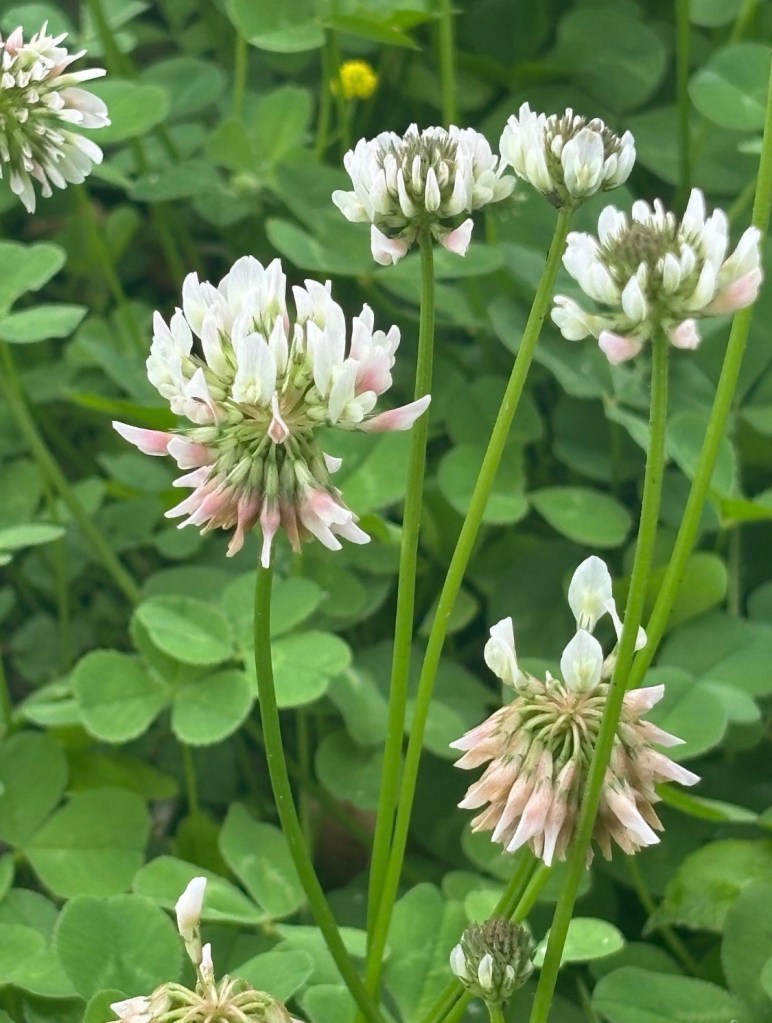
🍀 3. Clover (Trifolium species)

Often seen in lawns, clover is both edible and beneficial for soil health.

How to Identify

  • Three rounded leaflets
  • White or pinkish flower heads

Why It’s Valuable

  • Contains protein and trace minerals
  • Traditionally used for teas

How to Use

  • Dry flowers for tea
  • Add leaves sparingly to salads
  • Use flowers as garnish

🌿 4. Purslane (Portulaca oleracea)

Purslane is one of the most nutrient-dense wild plants you can find.

How to Identify

  • Thick, succulent leaves
  • Reddish stems
  • Grows low to the ground, often in cracks

Why It’s Valuable

  • Exceptionally high in omega-3 fatty acids
  • Contains antioxidants and magnesium

How to Use

  • Add to salads for a lemony crunch
  • Stir into soups
  • Sauté lightly as a side

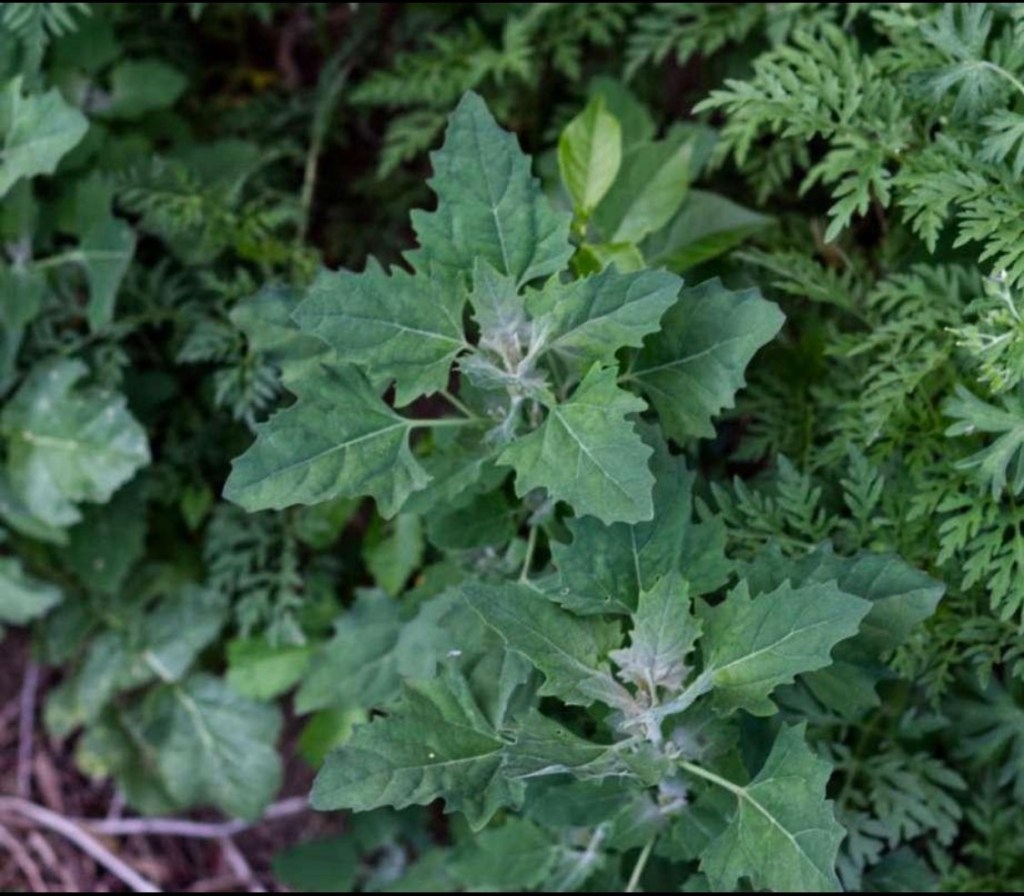
🌾 5. Lamb’s Quarters (Chenopodium album)

Sometimes called “wild spinach,” this plant is highly nutritious and easy to cook.

How to Identify

  • Diamond-shaped leaves
  • Powdery white coating on new growth
  • Upright growth habit

Why It’s Valuable

  • High in iron, calcium, and protein
  • Mild flavor similar to spinach

How to Use

  • Sauté like spinach
  • Add to soups or stews
  • Steam as a side dish

⚠️ Safety First: Foraging Guidelines

Before you start harvesting, keep these principles in mind:

  • Be 100% certain of identification
  • Avoid areas treated with pesticides or near roads
  • Start with small amounts to test tolerance
  • Use a field guide or app for confirmation

Foraging is as much about patience as it is about knowledge.


🌿 Practical Takeaways

  • Start by identifying just one plant in your yard this week
  • Taste small amounts and notice flavor and texture
  • Replace one store-bought green with a foraged option
  • Keep a simple journal of what you find and when

This practice builds awareness—not just of plants, but of your environment.


🌱 Final Reflection

When you begin to recognize edible weeds, your relationship with the landscape changes. What once looked like chaos becomes nourishment.

There’s something quietly powerful about stepping outside and finding food growing freely—no packaging, no cost, no noise. Just life offering itself.


How Local Parks Improve Mental Health: Science-Backed Benefits

Discover how local parks improve mental health through stress reduction, mood boosts, and focus. Learn simple ways to use nature for daily well-being.

You don’t need a retreat—just a nearby park

You might think improving your mental health requires big changes: therapy, travel, or a full lifestyle overhaul. But what if one of the most powerful tools is already close to you?

Local parks—those simple green spaces you pass every day—quietly offer something profound. They regulate stress, restore attention, and reconnect you with a slower, more grounded rhythm of life.

This isn’t just poetic thinking. It’s backed by psychology, neuroscience, and decades of research. Let’s explore how something as ordinary as a park can reshape your mental well-being.

🌿 The Science of Nature and the Mind

Psychologists often refer to two key theories when explaining why nature helps us:

1. Attention Restoration Theory (ART)

Modern life demands constant focus—notifications, screens, deadlines.

Nature, by contrast:

Gently captures your attention (rustling leaves, birds, wind) Requires no effort to process Allows your brain to “reset”

This restores your ability to concentrate and think clearly.

2. Stress Reduction Theory

Natural environments signal safety to the brain.

This leads to:

Lower cortisol (stress hormone) Reduced heart rate Improved emotional regulation

Even 10–20 minutes in a park can produce measurable effects.

🧠 5 Mental Health Benefits of Local Parks

1. Reduced Anxiety and Stress

Walking through a park shifts your nervous system from “fight-or-flight” to “rest-and-digest.”

You may notice:

Slower breathing Less mental tension A feeling of spaciousness in your thoughts

2. Improved Mood and Emotional Balance

Exposure to greenery has been linked to:

Increased serotonin activity Reduced rumination (overthinking)

In simple terms: parks help interrupt negative thought loops.

3. Better Focus and Cognitive Function

If you feel mentally drained, a park visit can act like a reset button.

Studies show:

Improved memory after nature walks Better task performance Increased creativity

This is especially useful if your work involves thinking, teaching, or creating.

4. Increased Physical Activity (Without Pressure)

Unlike gyms, parks invite movement without structure.

You might:

Walk longer without noticing Stretch or sit freely Engage in light, natural exercise

This lowers resistance to staying active—which indirectly boosts mental health.

5. Social Connection and Belonging

Parks are subtle social spaces.

Even without direct interaction:

Seeing others reduces feelings of isolation Shared public space builds a sense of community Casual conversations happen more naturally

🌎 Why Local Parks Matter More Than You Think

You don’t need a national park or remote wilderness.

In fact, nearby, accessible nature is often more impactful because:

You can visit consistently It becomes part of your routine Familiarity builds emotional attachment

This concept is sometimes called “everyday nature”—and it’s one of the most powerful forms of mental health support.

🧭 How to Use Parks for Mental Health (Practical Guide)

You don’t need to “optimize” your park visit. But a few intentional habits can deepen the benefits:

Simple Practices to Try

10-Minute Reset Walk No phone. Just walk and observe. Sit Spot Practice Return to the same bench or tree regularly. Notice subtle changes. Sensory Awareness Ask yourself: What do I hear? What do I feel? What’s moving? Journaling Outdoors Even 5 minutes of writing in nature can clarify thoughts. Stack It With Habits Pair park time with: Morning coffee Post-work decompression Light stretching

⚠️ A Realistic Note: Parks Aren’t a Cure-All

Nature helps—but it’s not a replacement for deeper support when needed.

Think of parks as:

A daily stabilizer A mental reset tool A foundation habit

Not a substitute for therapy, but a powerful complement.

🌱 Final Thought

Local parks don’t demand anything from you.

They don’t track your progress. They don’t ask you to perform.

They simply offer space—mental, emotional, and physical.

And in a world that constantly pulls your attention outward, that quiet space might be exactly what your mind needs.

If this resonated with you, consider building a simple weekly ritual around your nearest park—and explore more ideas on mindful living here on Mindful Explorer.

Top 10 Zoos in the World: Where Conservation Meets Wonder

Discover the top 10 zoos in the world known for conservation, immersive habitats, and unforgettable wildlife experiences.

If you’ve ever walked through a great zoo, you know the feeling—it’s not just about seeing animals, it’s about stepping into a living ecosystem. But not all zoos are created equal. Some are redefining what it means to care for wildlife, blending conservation, education, and immersive design into something deeply meaningful.

Whether you’re a traveler, a nature lover, or someone thinking about conservation work, these top zoos represent the best of what modern wildlife institutions can be.

What Makes a Zoo Truly Exceptional?

Before diving into the list, it helps to understand what separates a good zoo from a world-class one.

Top zoos today prioritize:

Animal welfare with naturalistic habitats Conservation programs that protect endangered species Education that inspires environmental responsibility Scientific research that contributes to global biodiversity

These aren’t just places to visit—they’re active participants in protecting life on Earth.

1. San Diego Zoo — USA

Located in San Diego, this zoo is often considered the gold standard. It pioneered cageless exhibits and houses over 12,000 animals. Its global conservation efforts and massive biodiversity make it a benchmark for others.

2. Singapore Zoo — Singapore

Located in Singapore, this zoo is famous for its open-concept design. Animals roam in environments that closely mimic natural ecosystems, offering a deeply immersive experience.

3. Tiergarten Schönbrunn — Austria

In Vienna, this is the world’s oldest zoo, dating back to 1752. It blends historical elegance with modern animal care and is renowned for its giant panda program.

4. Bronx Zoo — USA

Located in New York City, the Bronx Zoo is one of the largest urban zoos in the world. Its immersive exhibits and conservation work make it a global leader.

5. Australia Zoo — Australia

Located in Beerwah and founded by Steve Irwin, this zoo emphasizes education and wildlife rescue, keeping Irwin’s legacy alive.

6. Beijing Zoo — China

In Beijing, this zoo is best known for its giant pandas and expansive grounds, blending traditional Chinese landscapes with animal exhibits.

7. Berlin Zoological Garden — Germany

Located in Berlin, this zoo has the most species of any zoo worldwide and includes a world-class aquarium.

8. Taronga Zoo — Australia

In Sydney, Taronga Zoo pairs breathtaking harbor views with strong conservation messaging and education programs.

9. Chester Zoo — UK

Located in Chester, this zoo is a leader in breeding endangered species and creating large, naturalistic habitats.

10. Zurich Zoo — Switzerland

In Zurich, Zurich Zoo focuses on entire ecosystems, with immersive environments like its indoor rainforest.

Practical Takeaways: How to Experience Zoos More Mindfully

If you visit any zoo—whether local or world-renowned—you can deepen the experience by shifting your mindset:

Observe behavior, not just animals Watch how animals interact with their environment rather than rushing exhibit to exhibit. Support conservation-focused institutions Choose zoos that reinvest in wildlife protection and ethical care. Learn one species deeply Instead of trying to see everything, focus on one animal and understand its ecosystem. Notice habitat design The best zoos are built like ecosystems, not displays.

Final Thought

The best zoos in the world remind us of something simple but powerful: humans are part of nature, not separate from it. When designed thoughtfully, zoos can reconnect us to that truth—and inspire us to protect what remains.

What Is the Rainforest Alliance and Why It Matters Today

Learn what the Rainforest Alliance is, how its certification works, and why it plays a key role in protecting forests, workers, and sustainable food systems.

You’ve probably seen the little green frog on coffee, chocolate, or bananas—but what does it actually mean? In a world where “eco-friendly” labels are everywhere and greenwashing is common, understanding which certifications genuinely matter has become a form of modern mindfulness. The Rainforest Alliance is one of the most visible sustainability organizations in the world, but its importance goes far beyond a logo. This article explores what the Rainforest Alliance is, how it works, and why it plays a meaningful—if imperfect—role in protecting ecosystems, workers, and the long-term health of our food systems.

What Is the Rainforest Alliance?

The Rainforest Alliance is an international nonprofit organization founded in 1987 with a mission to protect forests, improve rural livelihoods, and promote sustainable land use.

Rather than focusing only on conservation in isolation, the Rainforest Alliance works at the intersection of:

Environmental protection Social justice for workers and farmers Economic sustainability for producers

Their core belief is practical: forests won’t survive unless the people who depend on them can also survive.

How the Rainforest Alliance Works

Certification as a Tool, Not a Goal

The Rainforest Alliance is best known for its certification program, which applies to farms, forests, and supply chains. Certification is not about perfection—it’s about continuous improvement.

To earn certification, producers must meet standards related to:

Environmental protection Preventing deforestation Protecting biodiversity and wildlife habitat Conserving water and soil health Social responsibility Prohibiting child labor and forced labor Improving workplace safety Respecting workers’ rights Economic resilience Improving farm productivity Reducing long-term climate risk Supporting farmer training and knowledge

Independent auditors verify compliance, and standards are updated regularly based on new science and feedback.

The Frog Seal Explained

The Rainforest Alliance’s green frog seal is intentionally symbolic. Frogs are considered indicator species—their health reflects the health of entire ecosystems.

When you see the frog seal, it means:

Ingredients were sourced from certified farms or forests Environmental and labor standards were applied The supply chain met traceability requirements

It does not mean the product is carbon-neutral, perfectly ethical, or immune from global market pressures—but it does indicate a higher baseline of responsibility than conventional production.

Why the Rainforest Alliance Is Important

1. It Protects Forests Where It Counts

Agriculture is the leading driver of global deforestation. Rainforest Alliance certification directly targets this problem by:

Requiring zero deforestation in certified areas Encouraging shade-grown and agroforestry systems Supporting land-use planning that preserves ecosystems

Instead of separating “nature” and “food,” the model integrates them.

2. It Improves Conditions for Farmers and Workers

Many smallholder farmers live in poverty despite producing global commodities. The Rainforest Alliance:

Provides training in sustainable farming practices Improves safety standards and labor protections Helps farmers adapt to climate change

While it doesn’t guarantee wealth, it reduces vulnerability—and that matters in a warming world.

3. It Addresses Climate Change Practically

Rather than abstract climate pledges, the Rainforest Alliance focuses on:

Climate-smart agriculture Soil carbon retention Reduced chemical dependency Resilient crop systems

These are quiet, unglamorous changes—but they scale.

4. It Creates Accountability in Supply Chains

Large corporations dominate global food systems. Rainforest Alliance certification:

Forces transparency Applies third-party verification Makes sustainability measurable rather than symbolic

It’s not anti-capitalist—but it does apply pressure where consumers alone cannot.

Common Criticisms (and Why They Matter)

Mindful consumption means understanding limitations, not ignoring them.

“Certification Doesn’t Fix Everything”

True. Certification cannot solve:

Global inequality Commodity price volatility Structural poverty

But it can improve conditions within those constraints.

“Standards Aren’t Enforced Everywhere”

Enforcement quality varies by region. This is a valid concern—and one the organization openly acknowledges by revising audit systems and grievance mechanisms.

“Farmers Don’t Always Earn More”

Rainforest Alliance certification focuses on conditions and resilience, not guaranteed price premiums (unlike Fair Trade). This makes it more scalable, but also more incremental.

Rainforest Alliance vs Other Labels

USDA Organic → Focuses on chemical inputs, not labor Fair Trade → Focuses on pricing and premiums, less on ecosystems Rainforest Alliance → Focuses on whole systems: land, labor, climate

No single label is sufficient. Together, they form a partial map—not a destination.

Practical Takeaways for Everyday Life

If you’re trying to live more intentionally without becoming overwhelmed:

Use Rainforest Alliance as a baseline, not a badge of moral purity Prioritize it for high-impact products: Coffee Chocolate Tea Bananas Combine certification awareness with: Reduced consumption Local sourcing when possible Curiosity about supply chains

Mindfulness isn’t about buying the “right” thing—it’s about paying attention.

If this kind of clarity helps you navigate everyday decisions with less noise and more intention, consider subscribing to the Mindful Explorer newsletter—quiet insights for curious minds.