🌍 Earth Day: What It Means and Why It Still Matters

Discover the meaning of Earth Day, why it matters, and simple ways you can make a real impact starting today.


You don’t need to be a scientist, activist, or politician to care about the Earth—you just need to live here. And you do.

Earth Day is more than a date on the calendar—it’s a reminder that small, everyday choices shape the future of the planet. Whether it’s the air you breathe, the water you drink, or the parks you walk through, your life is deeply connected to the natural world.

This article isn’t about guilt or overwhelming responsibility. It’s about understanding Earth Day—and discovering realistic, meaningful ways you can make a difference.


🌱 What Is Earth Day?

Earth Day is celebrated every year on April 22. It began in 1970 as a response to growing environmental concerns like pollution, oil spills, and habitat destruction.

What started as a grassroots movement has grown into a global event involving over 190 countries.

At its core, Earth Day is about:

  • Raising awareness about environmental issues
  • Encouraging sustainable habits
  • Inspiring collective action

🌿 Why Earth Day Still Matters

1. We’re More Connected to Nature Than We Think

Even if you live in a city, your well-being depends on ecosystems working behind the scenes:

  • Clean air from forests
  • Food from soil and pollinators
  • Water from natural cycles

When these systems are stressed, we feel it—physically and mentally.


2. Environmental Change Is Already Happening

Climate shifts, biodiversity loss, and pollution aren’t distant problems—they’re current realities.

But here’s the important part:
Human behavior caused much of this—and human behavior can improve it.


3. Small Actions Scale Over Time

One person using less plastic won’t change the world overnight.

But millions of people making slightly better choices?
That’s how real change happens.


🌎 Simple Ways to Celebrate Earth Day

You don’t need to overhaul your life. Start with one or two of these:

🌳 Get Outside (and Notice More)

  • Take a walk in a local park
  • Leave your phone in your pocket for part of it
  • Pay attention to sounds, textures, and patterns

This builds something powerful: connection → care → action


♻️ Reduce One Source of Waste

Pick one area and improve it:

  • Switch to reusable grocery bags
  • Use a refillable water bottle
  • Cut down on single-use plastics

🚲 Rethink One Habit

Ask yourself:

“What’s one thing I do daily that could be slightly more sustainable?”

Examples:

  • Drive less for short trips
  • Eat one plant-based meal
  • Turn off unused lights

🌱 Plant Something

Even a small act like planting herbs or flowers:

  • Supports pollinators
  • Improves local ecosystems
  • Creates a deeper sense of responsibility

🧠 The Psychology of Caring for the Earth

People don’t protect what they feel disconnected from.

Research in psychology shows that:

  • Time in nature reduces stress and improves mood
  • Feeling connected to nature increases pro-environmental behavior
  • Small wins build lasting habits

This means Earth Day isn’t just about the planet—
it’s also about your mental well-being.


🌍 Practical Takeaways

  • Start small: choose one sustainable habit this week
  • Spend intentional time outdoors—even 10 minutes matters
  • Replace one disposable item with a reusable option
  • Learn something new about your local environment
  • Talk about it—awareness spreads through conversation


🌿 Final Thought

Earth Day isn’t about being perfect—it’s about being aware.

The goal isn’t to live a zero-impact life overnight.
It’s to gradually shift toward a life that respects the systems that sustain you.

And that shift starts with noticing… and choosing differently.


🌿 5 Edible Weeds You Can Forage for Free Nutrition

Discover 5 common edible weeds you can safely forage for free, nutrient-rich food—plus how to identify and use them in everyday meals.


What if part of your next meal was already growing in your yard—and you’ve been pulling it out as a “weed”?

Many of the plants we ignore or remove are actually some of the most nutrient-dense foods available. Foraging doesn’t require a forest expedition. It can begin right outside your door.

Learning to recognize edible weeds is more than a survival skill—it’s a shift in awareness. You start to see abundance where you once saw inconvenience. This article will introduce five common edible weeds, how to identify them, and simple ways to start using them safely.


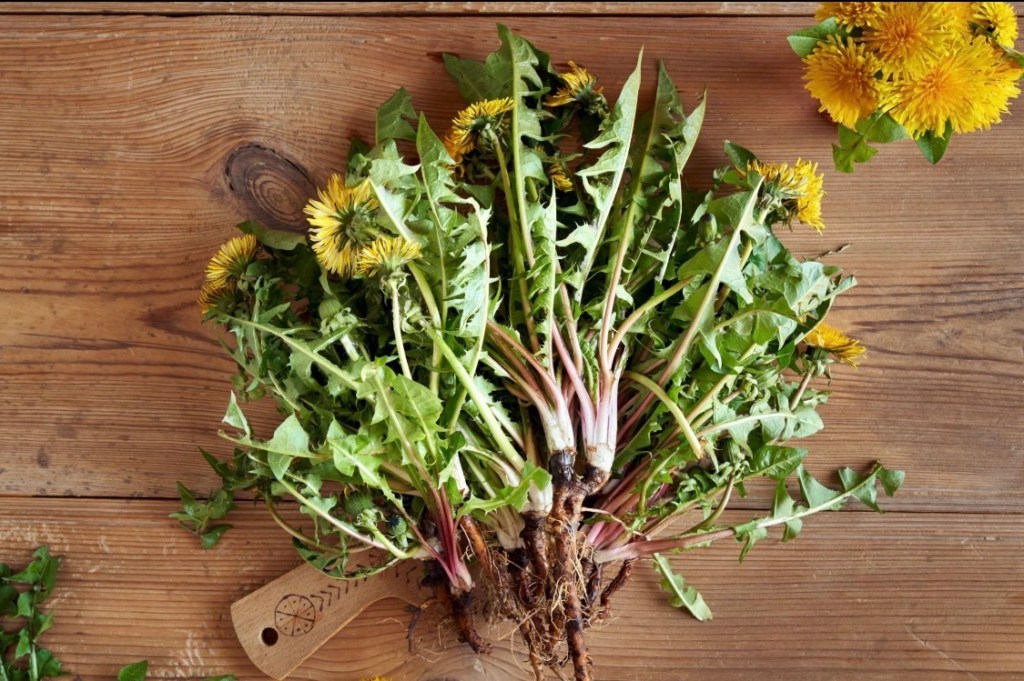
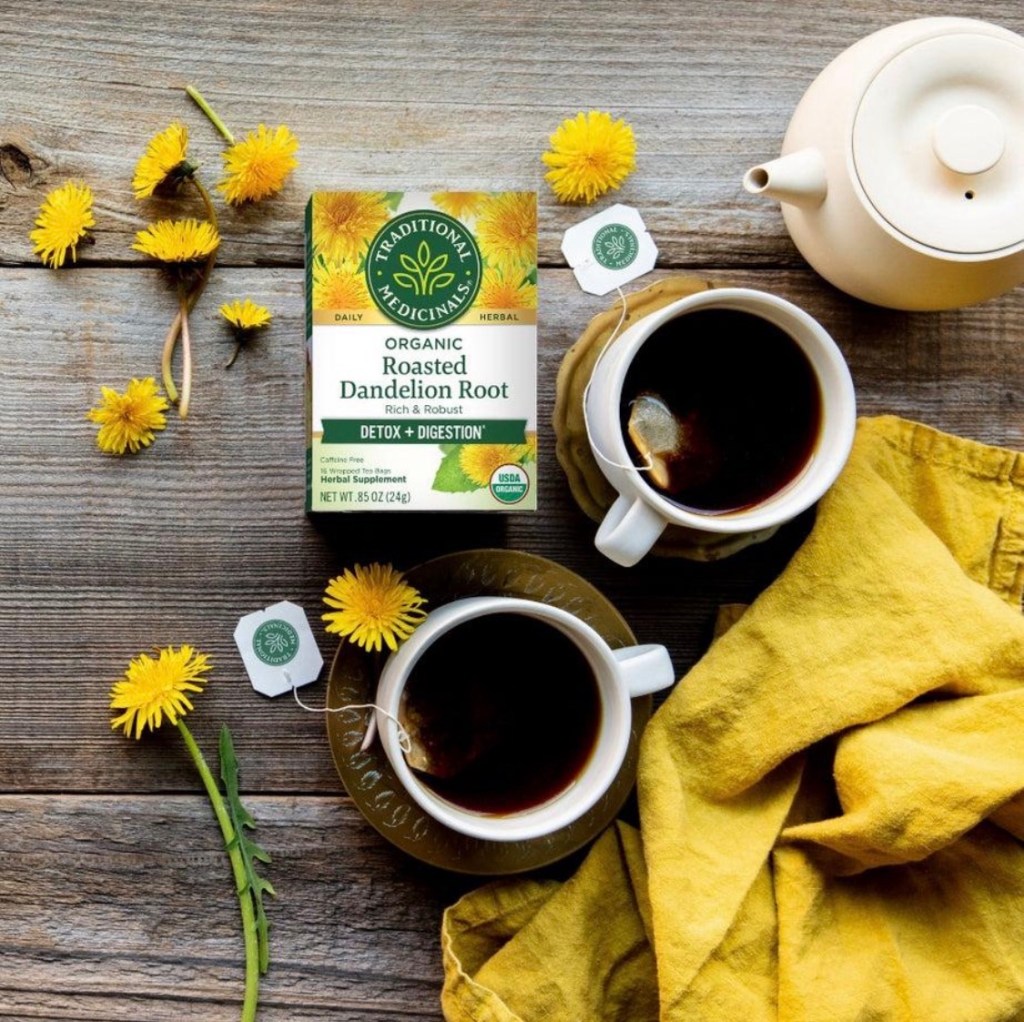
🌱 1. Dandelion (Taraxacum officinale)

Dandelions are one of the most recognizable—and most overlooked—edible plants.

How to Identify

  • Bright yellow flower
  • Jagged, tooth-like leaves
  • Milky sap when broken

Why It’s Valuable

  • Rich in vitamins A, C, and K
  • Supports liver health
  • Entire plant is edible (roots, leaves, flowers)

How to Use

  • Add young leaves to salads (slightly bitter)
  • Brew roots into tea
  • Fry flowers into fritters

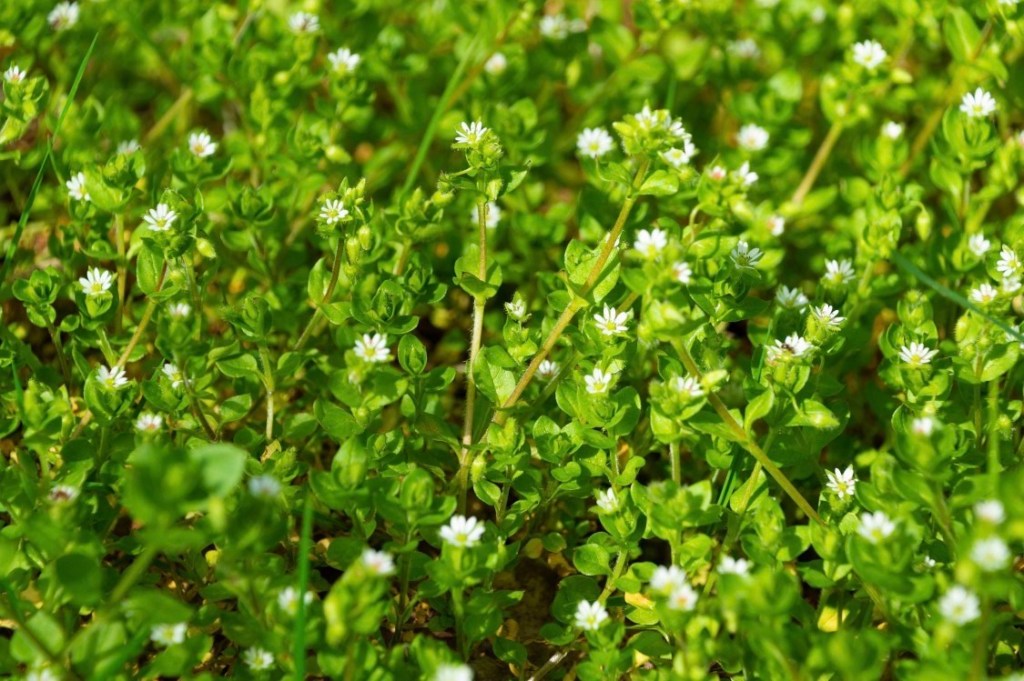
🌿 2. Chickweed (Stellaria media)

Chickweed is a delicate, mild-tasting green often found in gardens and shady patches.

How to Identify

  • Small white star-shaped flowers
  • Thin stems with a single line of hairs
  • Low-growing, spreading habit

Why It’s Valuable

  • High in vitamin C and minerals
  • Anti-inflammatory properties

How to Use

  • Toss fresh into salads
  • Blend into pesto
  • Add to sandwiches for a mild, fresh taste

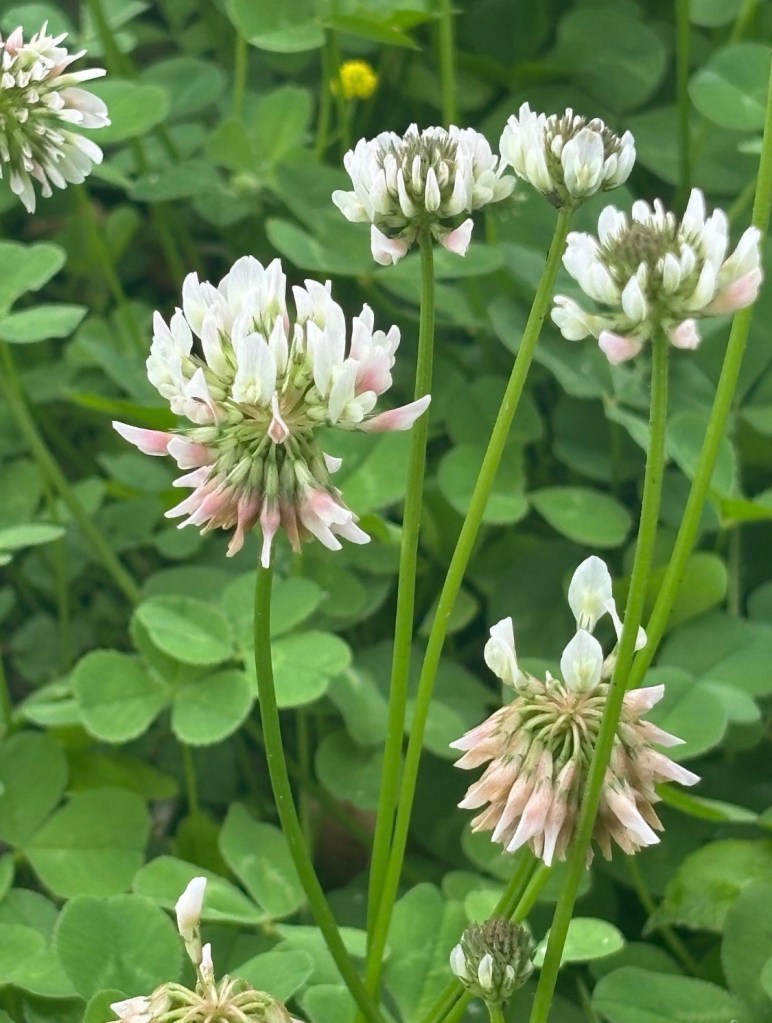
🍀 3. Clover (Trifolium species)

Often seen in lawns, clover is both edible and beneficial for soil health.

How to Identify

  • Three rounded leaflets
  • White or pinkish flower heads

Why It’s Valuable

  • Contains protein and trace minerals
  • Traditionally used for teas

How to Use

  • Dry flowers for tea
  • Add leaves sparingly to salads
  • Use flowers as garnish

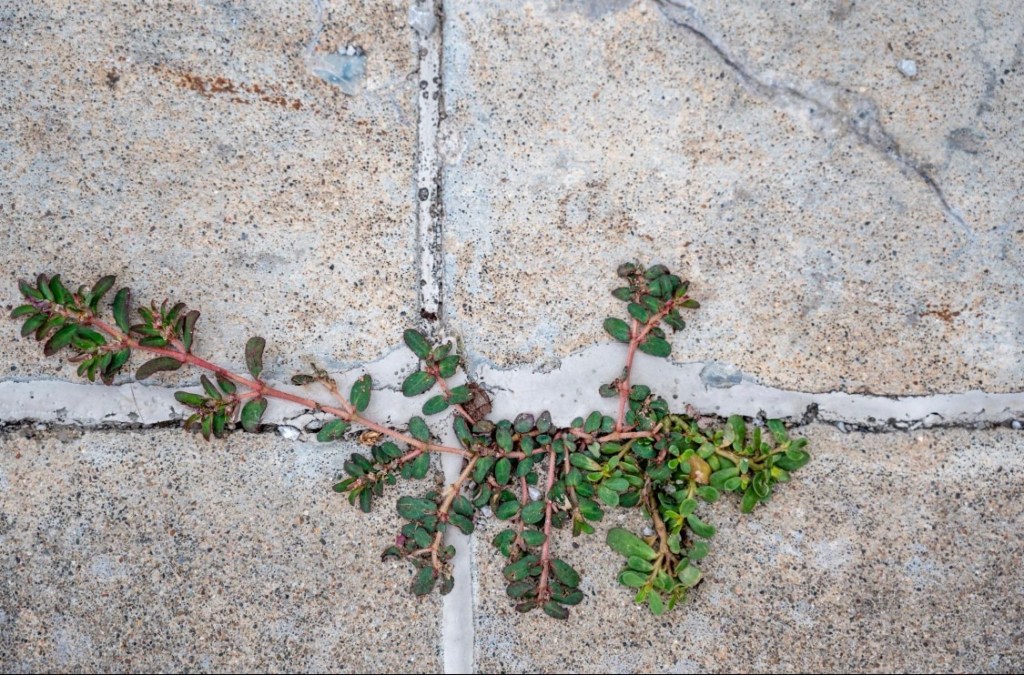
🌿 4. Purslane (Portulaca oleracea)

Purslane is one of the most nutrient-dense wild plants you can find.

How to Identify

  • Thick, succulent leaves
  • Reddish stems
  • Grows low to the ground, often in cracks

Why It’s Valuable

  • Exceptionally high in omega-3 fatty acids
  • Contains antioxidants and magnesium

How to Use

  • Add to salads for a lemony crunch
  • Stir into soups
  • Sauté lightly as a side

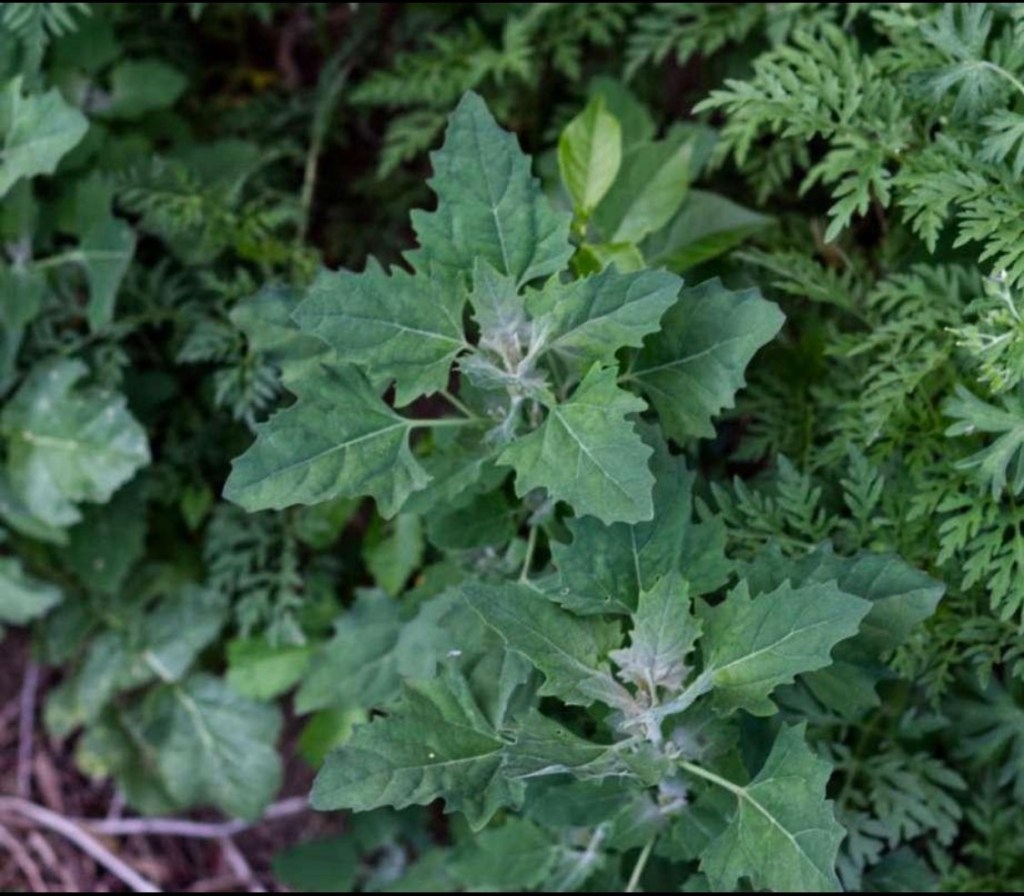
🌾 5. Lamb’s Quarters (Chenopodium album)

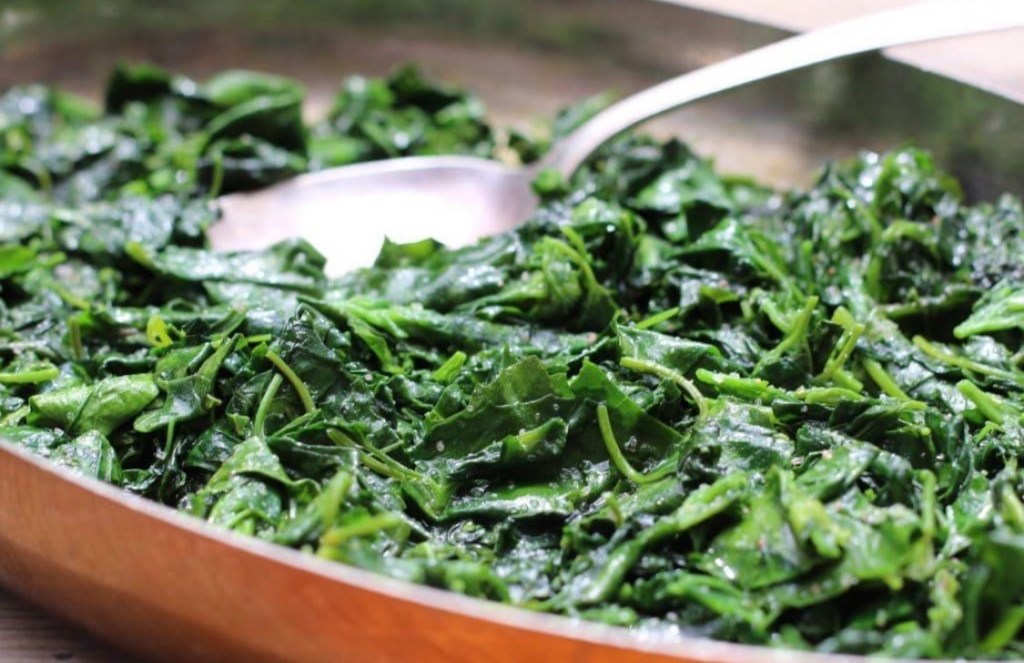
Sometimes called “wild spinach,” this plant is highly nutritious and easy to cook.

How to Identify

  • Diamond-shaped leaves
  • Powdery white coating on new growth
  • Upright growth habit

Why It’s Valuable

  • High in iron, calcium, and protein
  • Mild flavor similar to spinach

How to Use

  • Sauté like spinach
  • Add to soups or stews
  • Steam as a side dish

⚠️ Safety First: Foraging Guidelines

Before you start harvesting, keep these principles in mind:

  • Be 100% certain of identification
  • Avoid areas treated with pesticides or near roads
  • Start with small amounts to test tolerance
  • Use a field guide or app for confirmation

Foraging is as much about patience as it is about knowledge.


🌿 Practical Takeaways

  • Start by identifying just one plant in your yard this week
  • Taste small amounts and notice flavor and texture
  • Replace one store-bought green with a foraged option
  • Keep a simple journal of what you find and when

This practice builds awareness—not just of plants, but of your environment.


🌱 Final Reflection

When you begin to recognize edible weeds, your relationship with the landscape changes. What once looked like chaos becomes nourishment.

There’s something quietly powerful about stepping outside and finding food growing freely—no packaging, no cost, no noise. Just life offering itself.