🌿 5 Edible Weeds You Can Forage for Free Nutrition

Discover 5 common edible weeds you can safely forage for free, nutrient-rich food—plus how to identify and use them in everyday meals.


What if part of your next meal was already growing in your yard—and you’ve been pulling it out as a “weed”?

Many of the plants we ignore or remove are actually some of the most nutrient-dense foods available. Foraging doesn’t require a forest expedition. It can begin right outside your door.

Learning to recognize edible weeds is more than a survival skill—it’s a shift in awareness. You start to see abundance where you once saw inconvenience. This article will introduce five common edible weeds, how to identify them, and simple ways to start using them safely.


🌱 1. Dandelion (Taraxacum officinale)
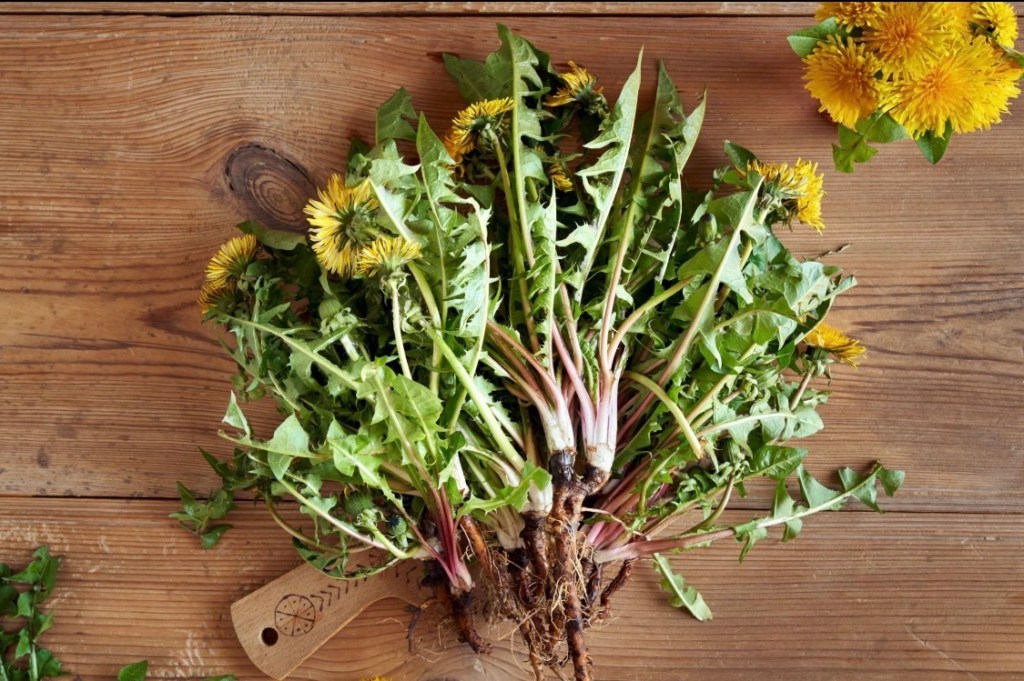
Dandelions are one of the most recognizable—and most overlooked—edible plants.

How to Identify

  • Bright yellow flower
  • Jagged, tooth-like leaves
  • Milky sap when broken

Why It’s Valuable

  • Rich in vitamins A, C, and K
  • Supports liver health
  • Entire plant is edible (roots, leaves, flowers)

How to Use

  • Add young leaves to salads (slightly bitter)
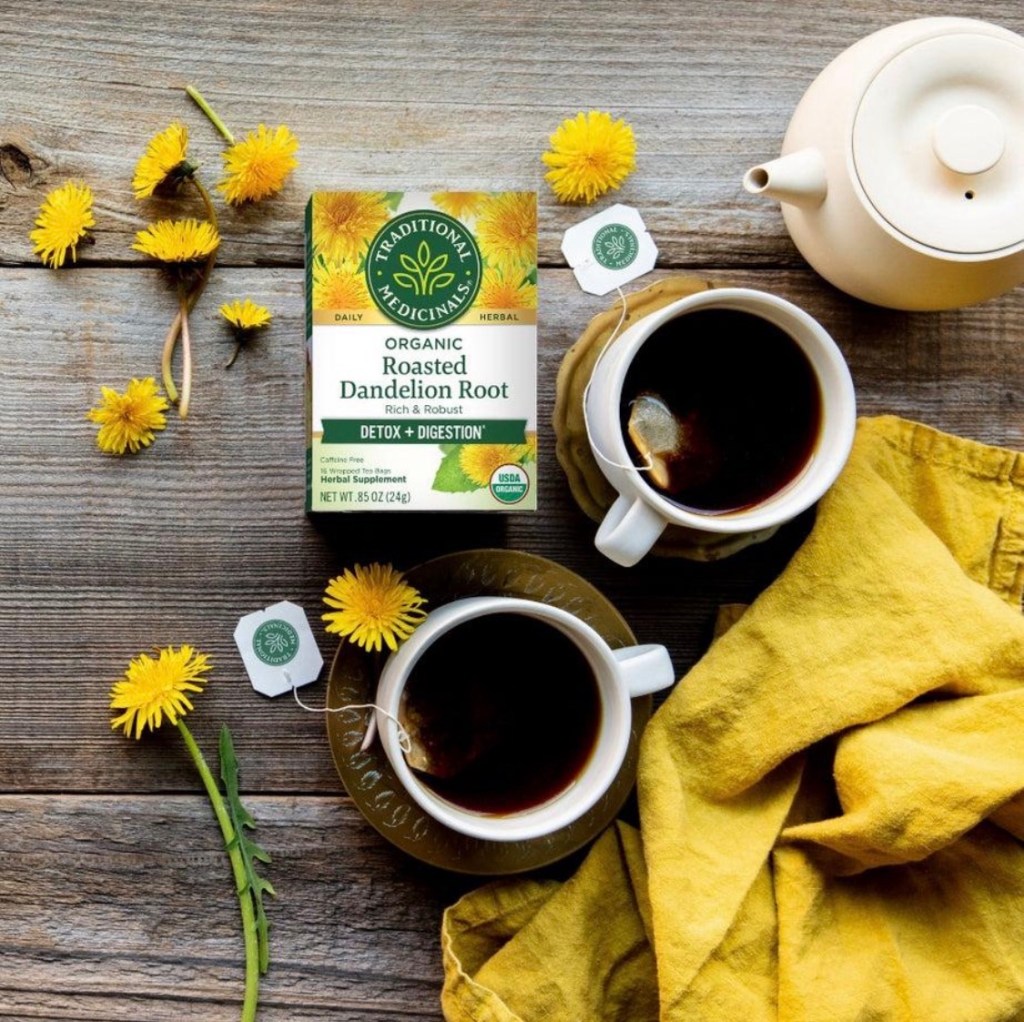
  • Brew roots into tea
  • Fry flowers into fritters

🌿 2. Chickweed (Stellaria media)
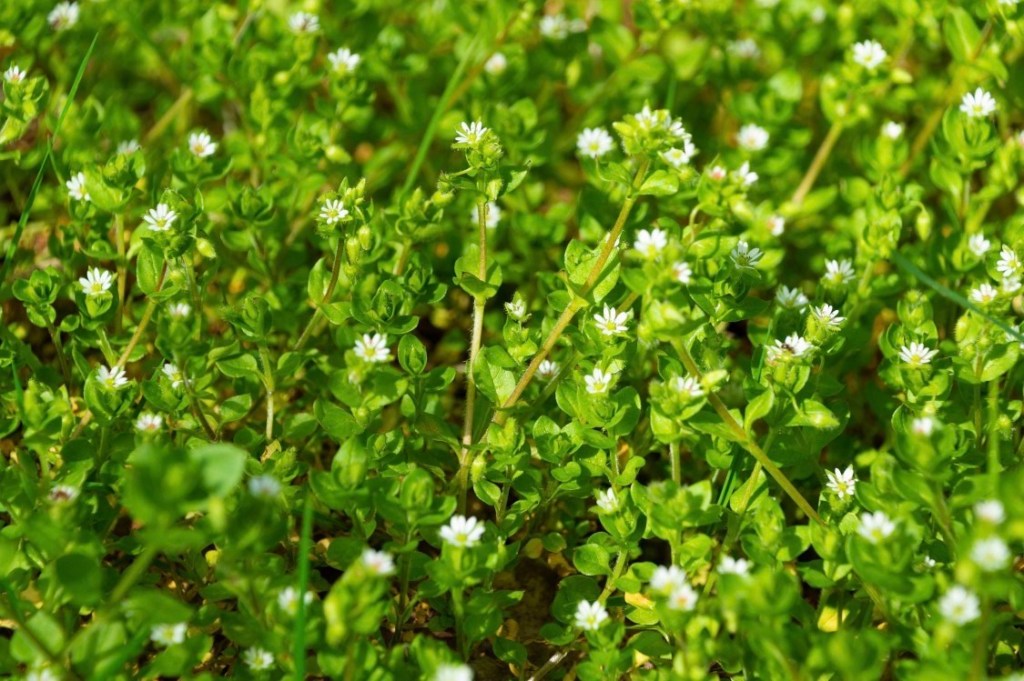
Chickweed is a delicate, mild-tasting green often found in gardens and shady patches.

How to Identify

  • Small white star-shaped flowers
  • Thin stems with a single line of hairs
  • Low-growing, spreading habit

Why It’s Valuable

  • High in vitamin C and minerals
  • Anti-inflammatory properties

How to Use

  • Toss fresh into salads
  • Blend into pesto
  • Add to sandwiches for a mild, fresh taste

🍀 3. Clover (Trifolium species)
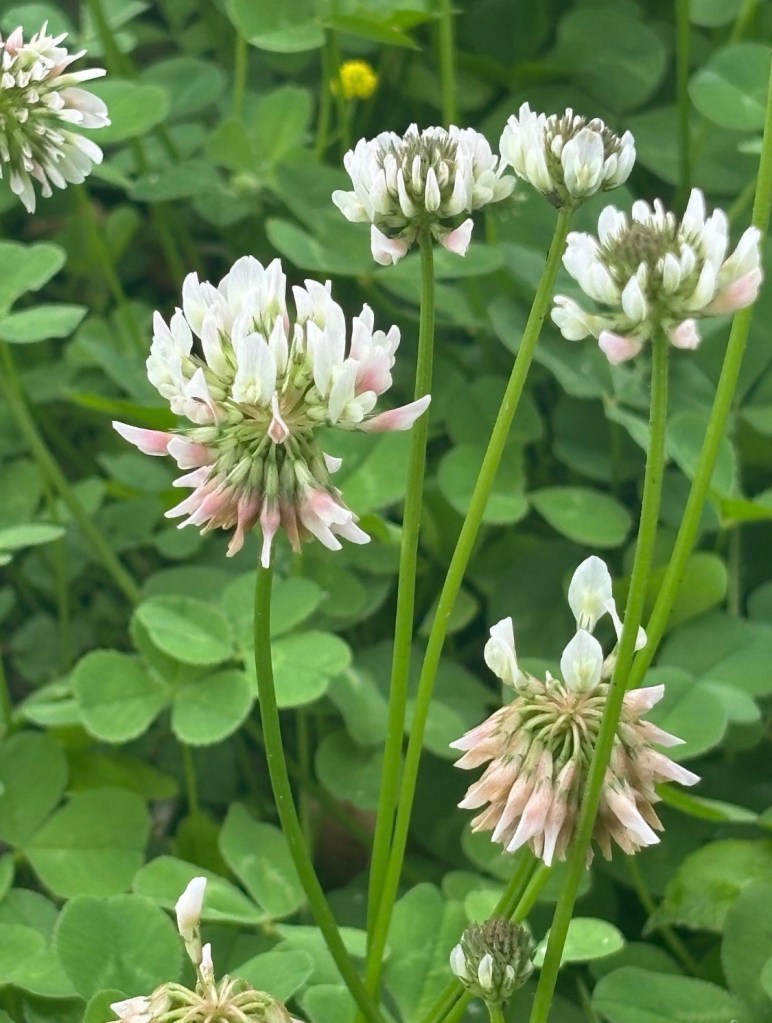
Often seen in lawns, clover is both edible and beneficial for soil health.

How to Identify

  • Three rounded leaflets
  • White or pinkish flower heads

Why It’s Valuable

  • Contains protein and trace minerals
  • Traditionally used for teas

How to Use
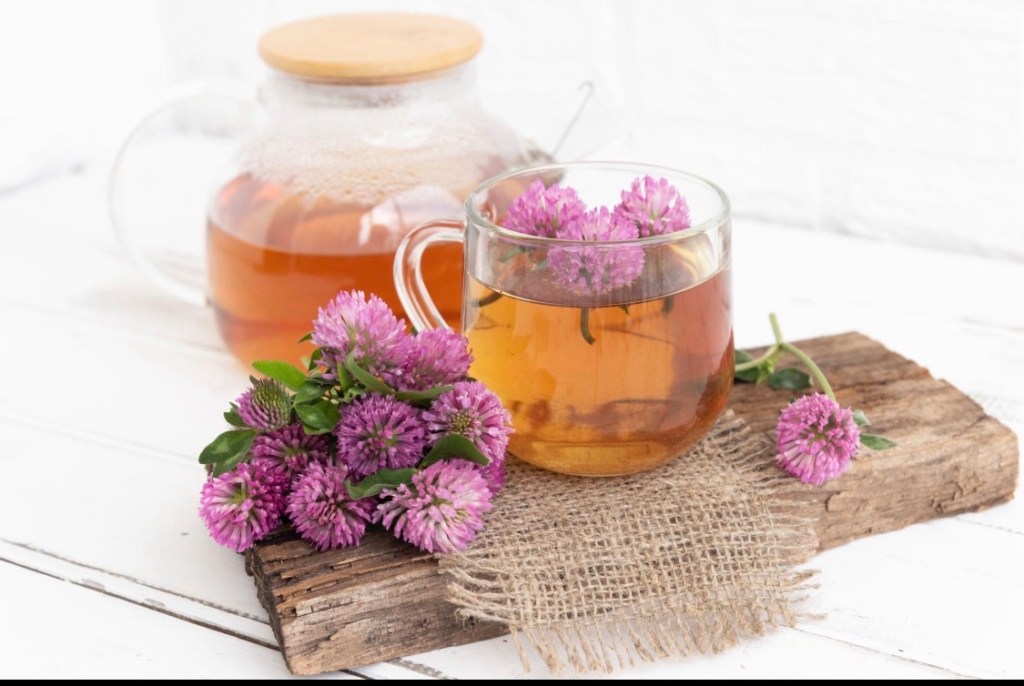
  • Dry flowers for tea
  • Add leaves sparingly to salads
  • Use flowers as garnish

🌿 4. Purslane (Portulaca oleracea)
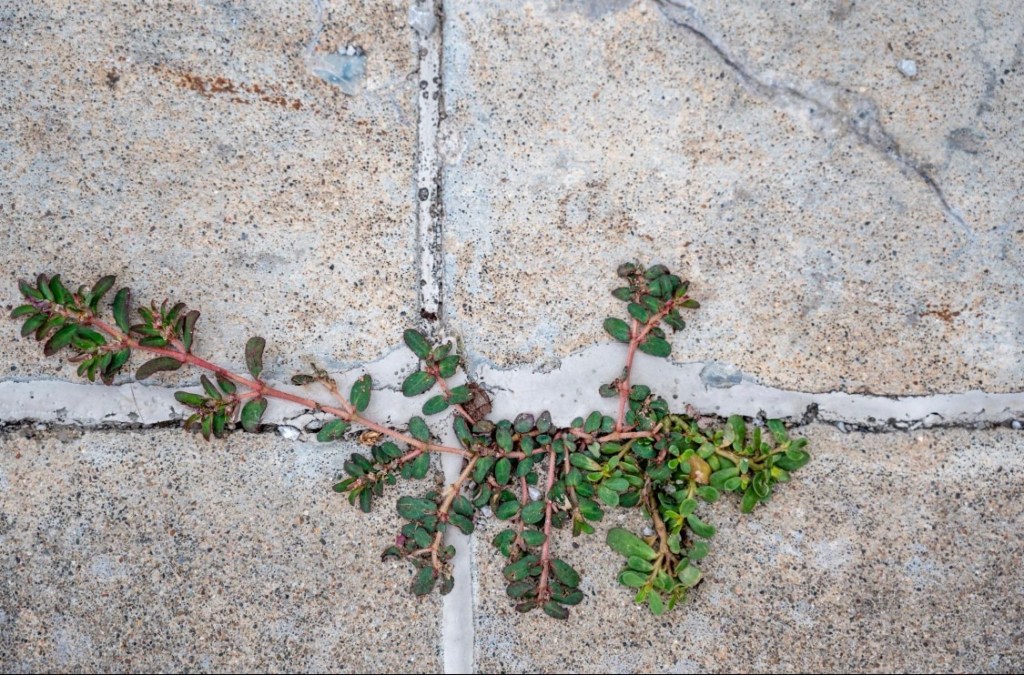
Purslane is one of the most nutrient-dense wild plants you can find.

How to Identify

  • Thick, succulent leaves
  • Reddish stems
  • Grows low to the ground, often in cracks

Why It’s Valuable

  • Exceptionally high in omega-3 fatty acids
  • Contains antioxidants and magnesium

How to Use

  • Add to salads for a lemony crunch
  • Stir into soups
  • Sauté lightly as a side

🌾 5. Lamb’s Quarters (Chenopodium album)
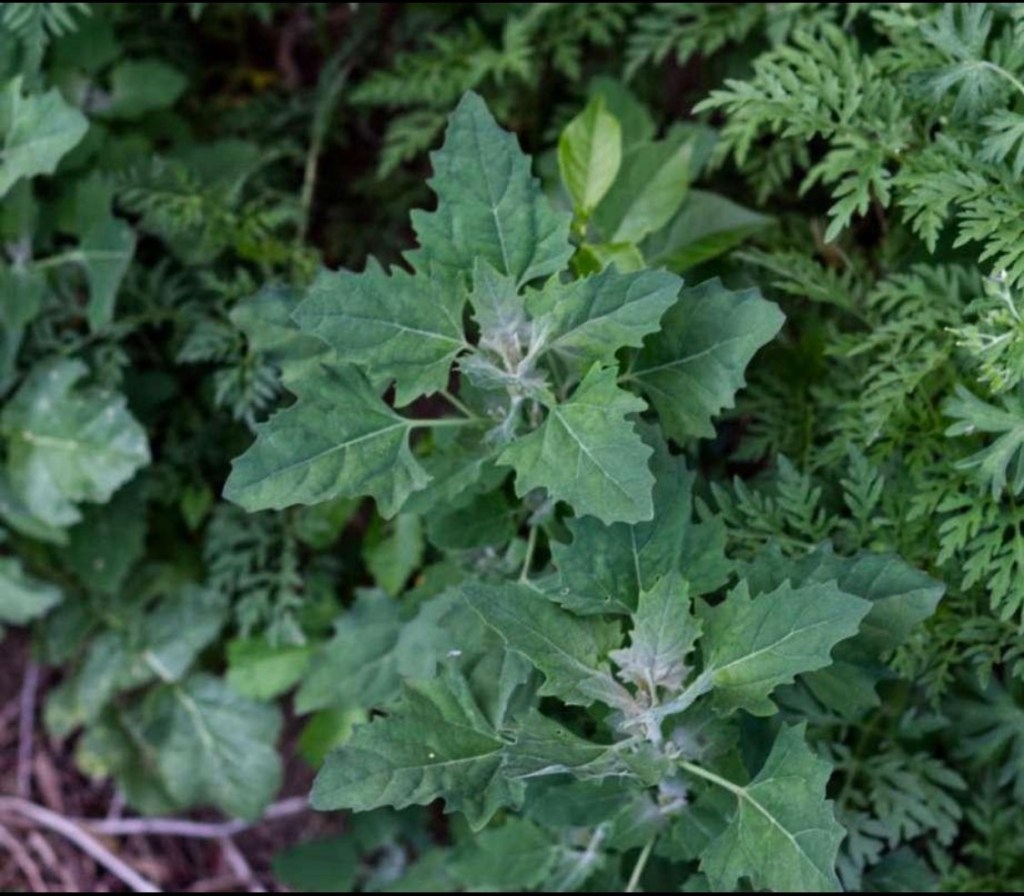
Sometimes called “wild spinach,” this plant is highly nutritious and easy to cook.

How to Identify

  • Diamond-shaped leaves
  • Powdery white coating on new growth
  • Upright growth habit

Why It’s Valuable

  • High in iron, calcium, and protein
  • Mild flavor similar to spinach

How to Use
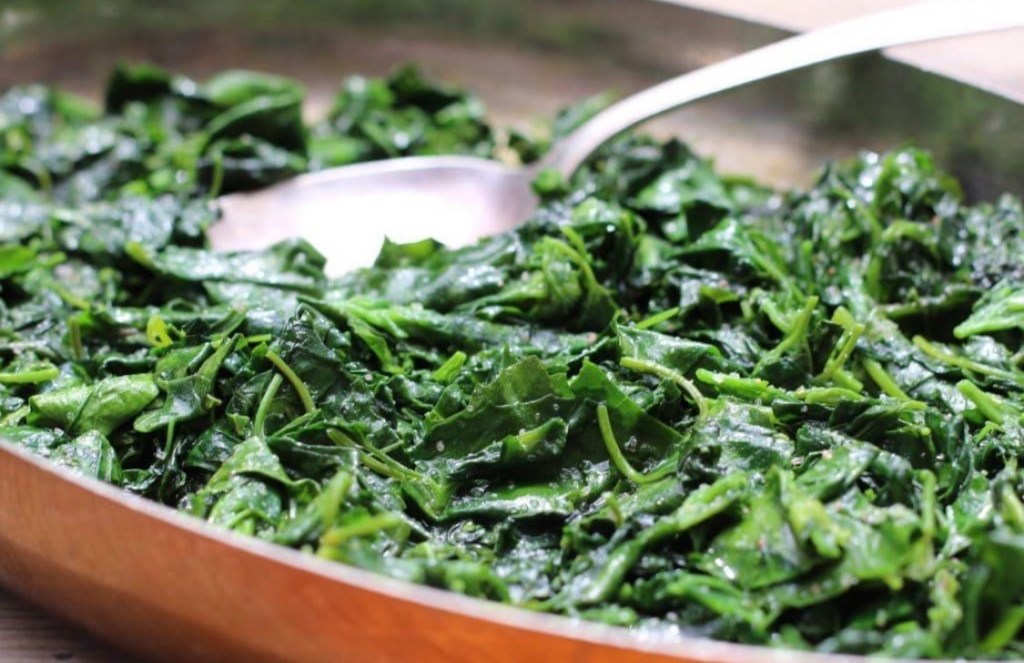
  • Sauté like spinach
  • Add to soups or stews
  • Steam as a side dish

⚠️ Safety First: Foraging Guidelines

Before you start harvesting, keep these principles in mind:

  • Be 100% certain of identification
  • Avoid areas treated with pesticides or near roads
  • Start with small amounts to test tolerance
  • Use a field guide or app for confirmation

Foraging is as much about patience as it is about knowledge.


🌿 Practical Takeaways

  • Start by identifying just one plant in your yard this week
  • Taste small amounts and notice flavor and texture
  • Replace one store-bought green with a foraged option
  • Keep a simple journal of what you find and when

This practice builds awareness—not just of plants, but of your environment.


🌱 Final Reflection

When you begin to recognize edible weeds, your relationship with the landscape changes. What once looked like chaos becomes nourishment.

There’s something quietly powerful about stepping outside and finding food growing freely—no packaging, no cost, no noise. Just life offering itself.

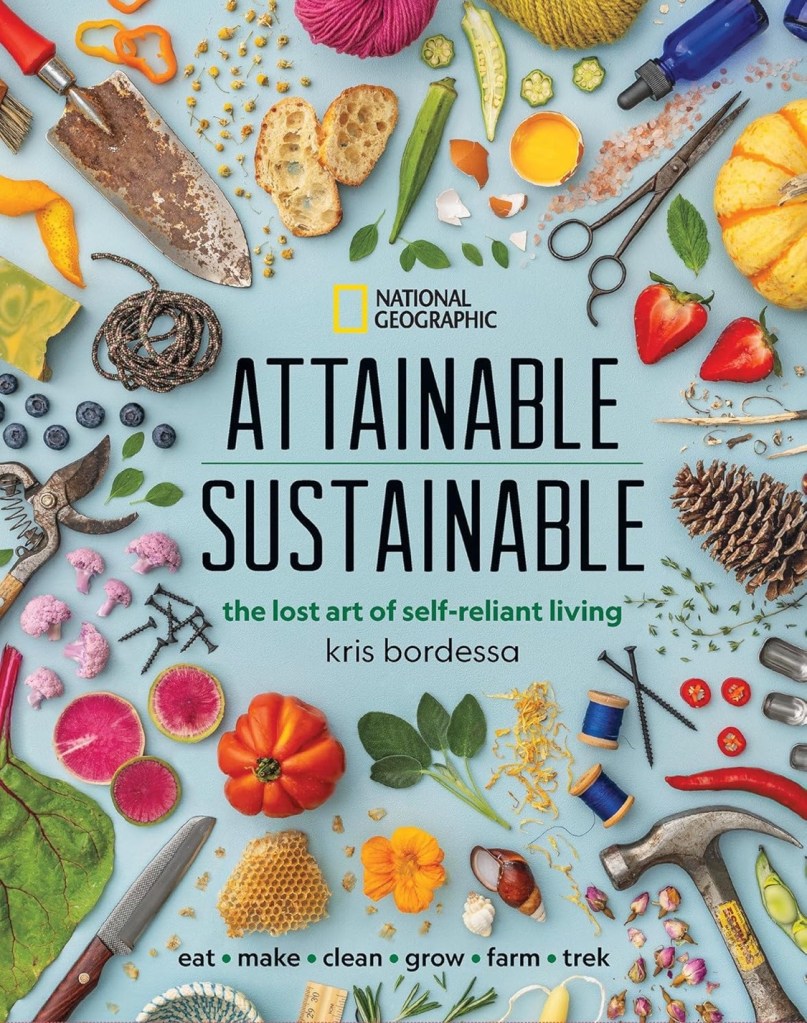
Attainable Sustainable: A Practical Guide to a More Self-Sufficient Life — Book Review

A practical, inspiring review of Attainable Sustainable, the essential guide to modern homesteading, self-sufficiency, and simple living for everyday people.

Amazon Link

Introduction

For anyone curious about homesteading, gardening, or living more intentionally, Attainable Sustainable by Kris Bordessa is one of the most accessible and inspiring guides available today. It blends old-world wisdom with modern practicality, showing that you don’t need acres of land or a full farm setup to build a more self-sufficient life. In this review, we’ll explore why this book has become a staple for aspiring homesteaders, urban gardeners, and anyone striving for a more mindful, sustainable lifestyle.

What the Book Is About

At its core, Attainable Sustainable is a giant, beautifully illustrated handbook focused on realistic ways to produce, preserve, and build more of what you use in daily life. It covers:

Growing your own food Natural home projects DIY household essentials Food preservation Eco-friendly living habits Simple sustainability practices for beginners

The book is structured so you can open to any section and immediately find a project or idea you can try that same day—no need for expensive equipment or large spaces.

Key Themes and Takeaways

1. Self-Reliance Made Simple

One of the biggest strengths of the book is its accessibility. Whether you live in a small apartment or have a big backyard, Bordessa’s approach shows that anyone can start taking steps toward a more independent lifestyle.

2. Food From Garden to Table

The gardening chapters are a highlight, offering clear guidance on:

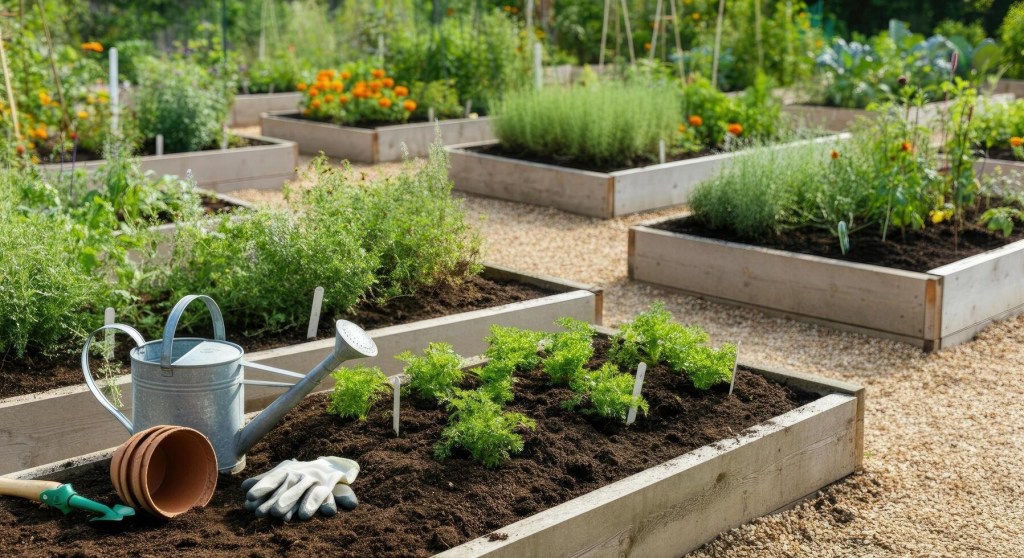
Companion planting Soil health Growing herbs, vegetables, and fruit Small-space garden solutions

Her step-by-step advice makes gardening feel less intimidating, especially for beginners.

3. DIY Projects That Feel Doable

From homemade cleaners to simple woodworking tasks, the DIY sections are both instructive and inspiring. The instructions are easy to follow, and most projects use affordable, common materials.

4. Preservation & Food Storage

This is where the book shines for anyone wanting to reduce waste or rely less on grocery stores. Bordessa includes techniques like:

Canning Dehydrating Fermenting Freezing

It’s a one-stop reference that demystifies food preservation for people of all skill levels.

5. Sustainability as a Mindset

Beyond the practical guidance, Attainable Sustainable encourages readers to shift how they think—choosing reusable over disposable, intentional over impulsive, handmade over mass-produced. It’s sustainability that feels achievable rather than overwhelming.

Who This Book Is For

This book is ideal for:

Urban or suburban gardeners Beginners wanting a clear path into homesteading Eco-conscious households DIY hobbyists Families looking for hands-on projects Anyone pursuing a slower, more connected lifestyle

Even advanced gardeners or homesteaders will likely find new tips or inspiration.

Strengths of the Book

Highly visual with beautiful photography Clear instructions for novices Wide variety of topics covered in one place Encouraging tone that supports trial and error Practical, low-cost strategies

Areas Some Readers May Want More Depth

While the breadth is excellent, some readers may find they want deeper, more technical information in areas like advanced gardening or large-scale preservation. However, this is more a testament to how inspiring the book is—it makes you want to learn more.

Final Verdict

Attainable Sustainable is one of the most useful and beautiful sustainability guides available today. It’s packed with actionable steps, gorgeous visuals, and a warm, encouraging tone that makes homesteading feel possible for everyone—not just those with land or experience.

If you’re trying to live more intentionally, grow more of your own food, or reduce your dependence on store-bought goods, this book deserves a permanent spot on your shelf.

Conclusion

Living sustainably doesn’t require perfection—it just requires starting somewhere. Attainable Sustainable provides countless entry points for that journey. Whether you want to garden, craft, cook, or preserve, this book will give you the confidence and knowledge to begin.

What sustainable skills are you most excited to learn next?

Amazon Link