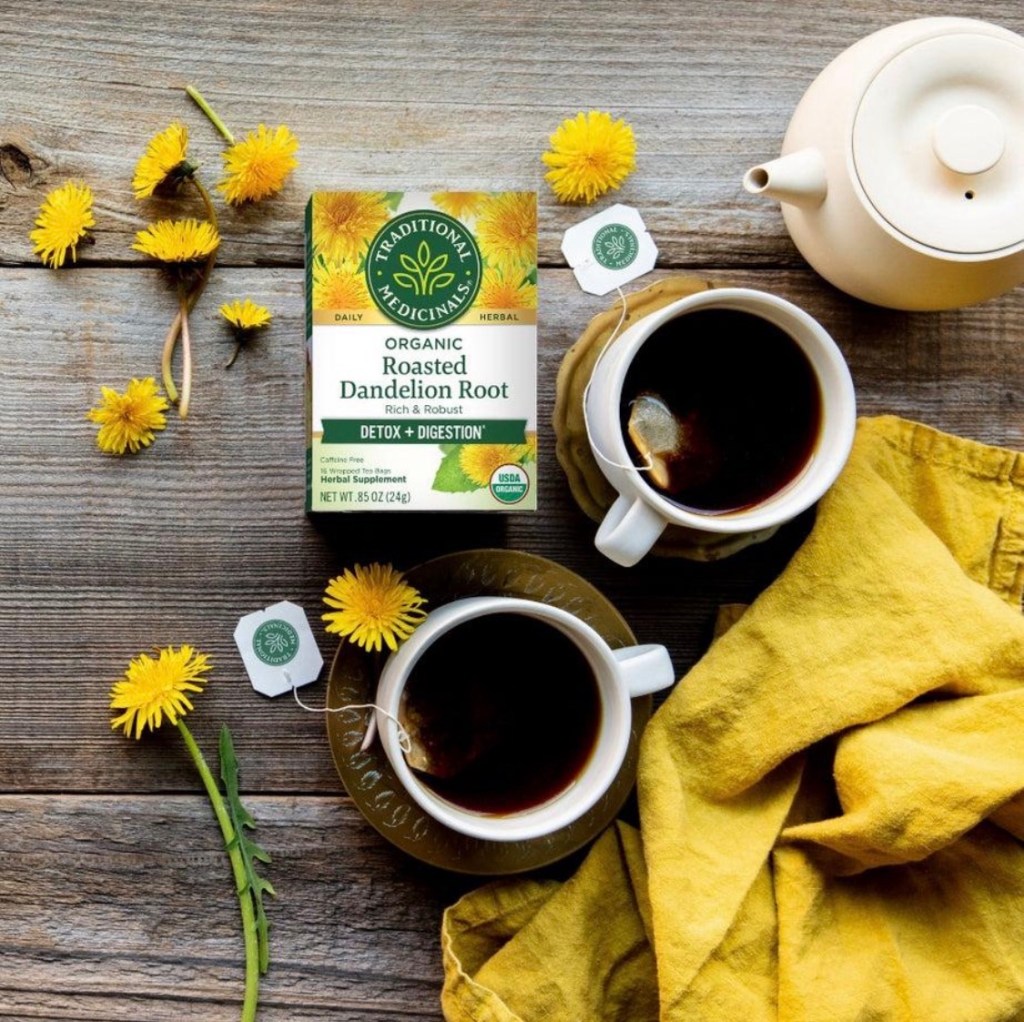
What if part of your next meal was already growing in your yard—and you’ve been pulling it out as a “weed”?
Many of the plants we ignore or remove are actually some of the most nutrient-dense foods available. Foraging doesn’t require a forest expedition. It can begin right outside your door.
Learning to recognize edible weeds is more than a survival skill—it’s a shift in awareness. You start to see abundance where you once saw inconvenience. This article will introduce five common edible weeds, how to identify them, and simple ways to start using them safely.
🌱 1. Dandelion (Taraxacum officinale)
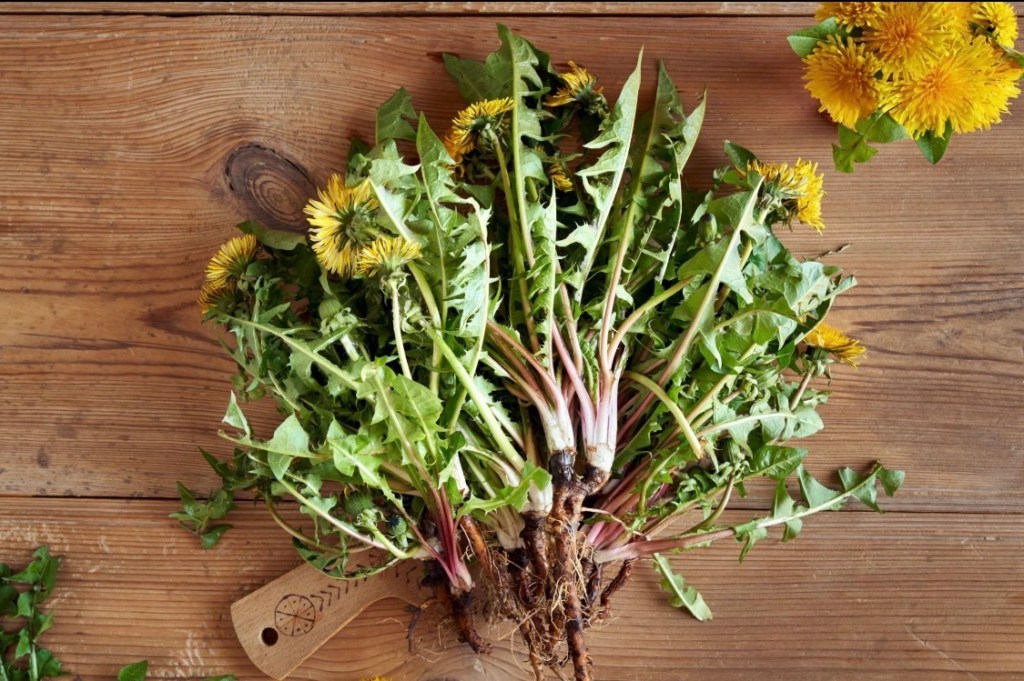
Dandelions are one of the most recognizable—and most overlooked—edible plants.
How to Identify
- Bright yellow flower
- Jagged, tooth-like leaves
- Milky sap when broken
Why It’s Valuable
- Rich in vitamins A, C, and K
- Supports liver health
- Entire plant is edible (roots, leaves, flowers)
How to Use
- Add young leaves to salads (slightly bitter)
- Brew roots into tea
- Fry flowers into fritters
🌿 2. Chickweed (Stellaria media)
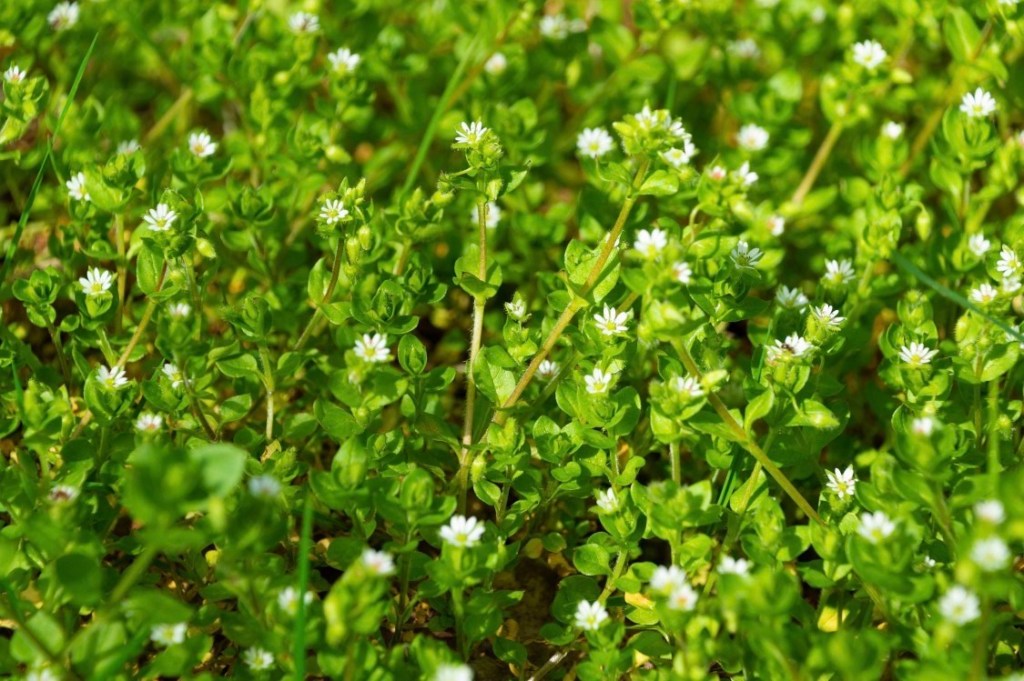
Chickweed is a delicate, mild-tasting green often found in gardens and shady patches.
How to Identify
- Small white star-shaped flowers
- Thin stems with a single line of hairs
- Low-growing, spreading habit
Why It’s Valuable
- High in vitamin C and minerals
- Anti-inflammatory properties
How to Use
- Toss fresh into salads
- Blend into pesto
- Add to sandwiches for a mild, fresh taste
🍀 3. Clover (Trifolium species)
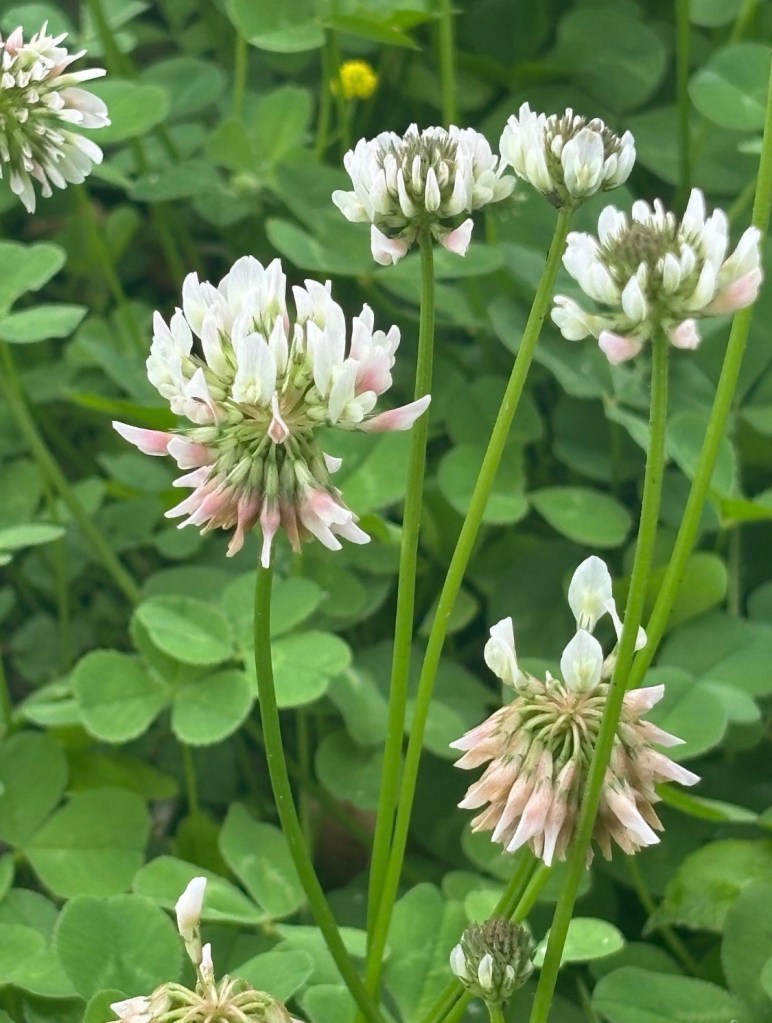
Often seen in lawns, clover is both edible and beneficial for soil health.
How to Identify
- Three rounded leaflets
- White or pinkish flower heads
Why It’s Valuable
- Contains protein and trace minerals
- Traditionally used for teas
How to Use
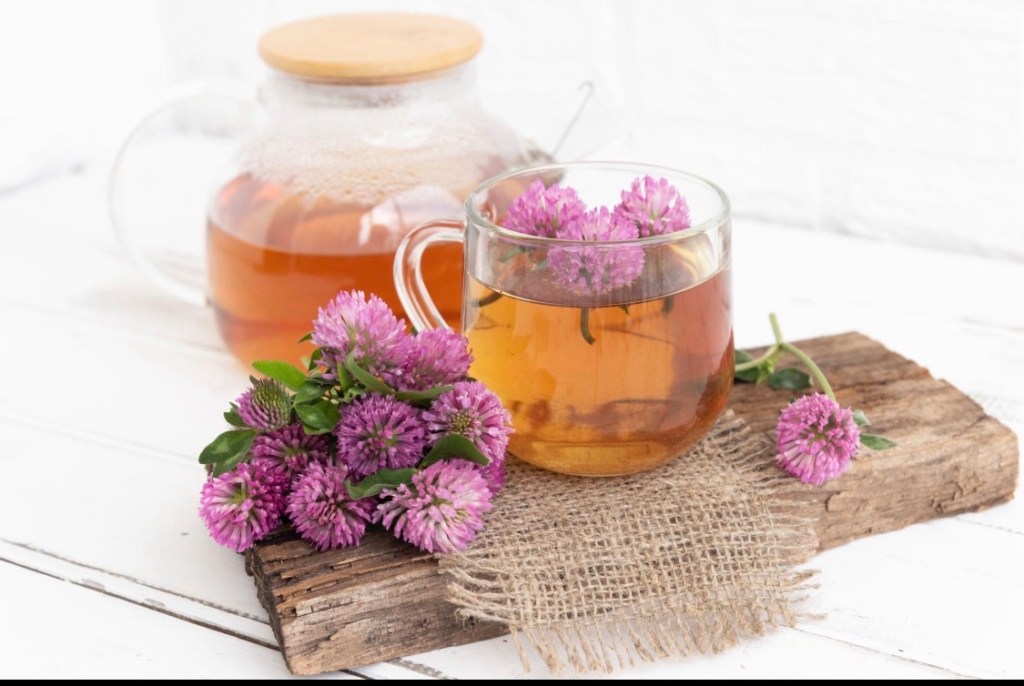
- Dry flowers for tea
- Add leaves sparingly to salads
- Use flowers as garnish
🌿 4. Purslane (Portulaca oleracea)

Purslane is one of the most nutrient-dense wild plants you can find.
How to Identify
- Thick, succulent leaves
- Reddish stems
- Grows low to the ground, often in cracks
Why It’s Valuable
- Exceptionally high in omega-3 fatty acids
- Contains antioxidants and magnesium
How to Use
- Add to salads for a lemony crunch
- Stir into soups
- Sauté lightly as a side
🌾 5. Lamb’s Quarters (Chenopodium album)
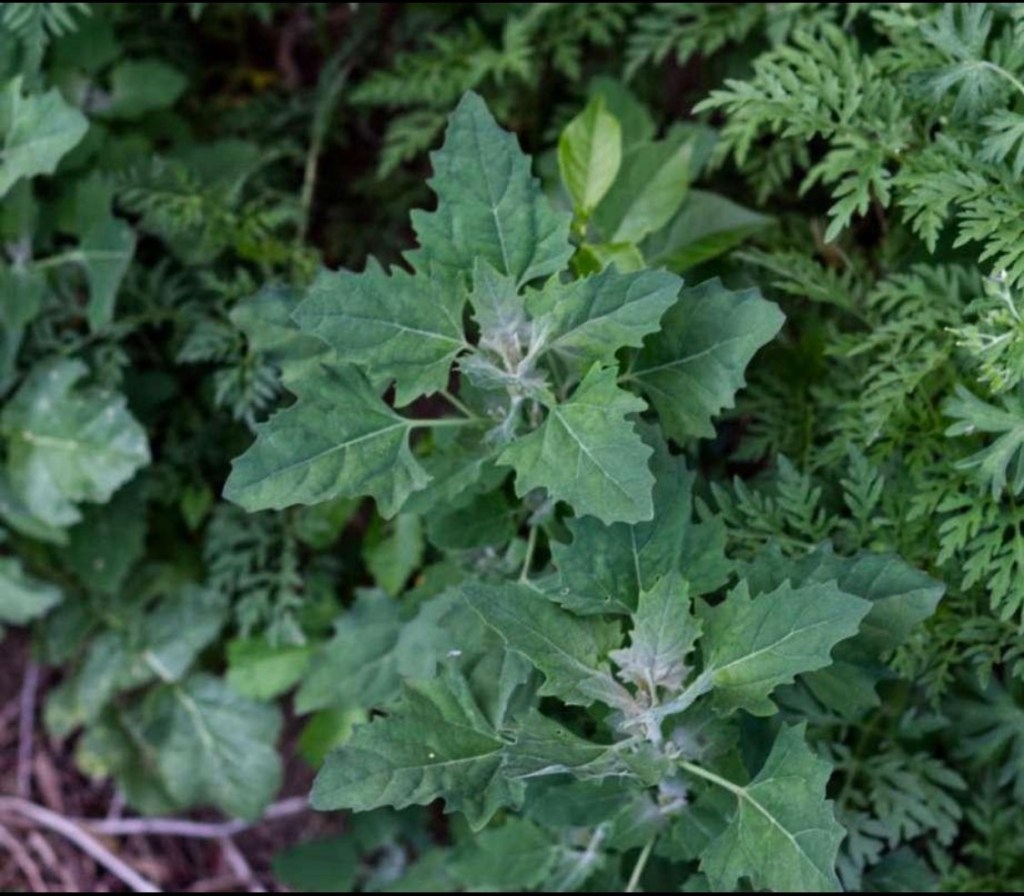
Sometimes called “wild spinach,” this plant is highly nutritious and easy to cook.
How to Identify
- Diamond-shaped leaves
- Powdery white coating on new growth
- Upright growth habit
Why It’s Valuable
- High in iron, calcium, and protein
- Mild flavor similar to spinach
How to Use
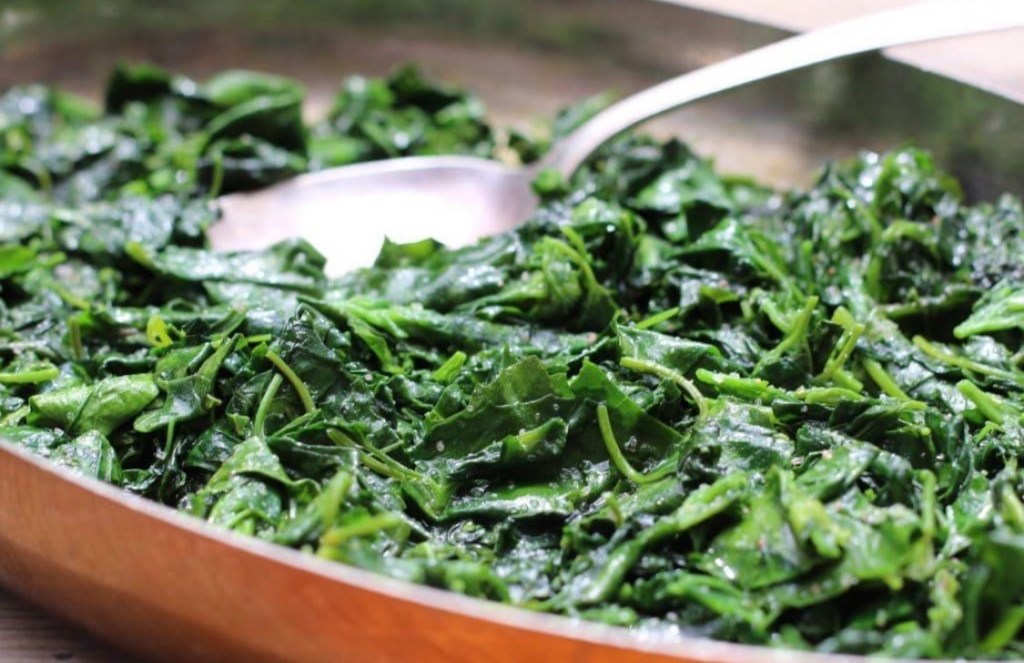
- Sauté like spinach
- Add to soups or stews
- Steam as a side dish
⚠️ Safety First: Foraging Guidelines
Before you start harvesting, keep these principles in mind:
- Be 100% certain of identification
- Avoid areas treated with pesticides or near roads
- Start with small amounts to test tolerance
- Use a field guide or app for confirmation
Foraging is as much about patience as it is about knowledge.
🌿 Practical Takeaways
- Start by identifying just one plant in your yard this week
- Taste small amounts and notice flavor and texture
- Replace one store-bought green with a foraged option
- Keep a simple journal of what you find and when
This practice builds awareness—not just of plants, but of your environment.
🌱 Final Reflection
When you begin to recognize edible weeds, your relationship with the landscape changes. What once looked like chaos becomes nourishment.
There’s something quietly powerful about stepping outside and finding food growing freely—no packaging, no cost, no noise. Just life offering itself.

