What if one of the most powerful tools for improving your mental health, relationships, and daily happiness was already available to you—right now?
Gratitude often sounds simple, even cliché. But beneath that simplicity lies something deeply transformative. In a world wired for stress, comparison, and constant striving, gratitude shifts your attention toward what is already meaningful.
This article matters because gratitude isn’t just a “feel-good” idea—it’s a proven psychological practice that can rewire how you experience life.

What Gratitude Really Is (Beyond Saying “Thank You”)
Gratitude is more than politeness. It’s a way of seeing.
At its core, gratitude is the intentional recognition of value—especially in things we usually overlook.
This can include:
- A conversation that made you feel understood
- Your body carrying you through the day
- A quiet moment without distraction
- Food, shelter, or safety
Gratitude doesn’t ignore hardship. It expands your awareness so that difficulty isn’t the only thing you notice.
The Psychology Behind Gratitude
From a psychological perspective, gratitude works because it reshapes attention.
Your brain has a built-in negativity bias—it naturally scans for problems, threats, and what’s missing. This helped humans survive, but it can also make modern life feel constantly insufficient.
Gratitude interrupts that pattern.
Research in positive psychology shows that practicing gratitude can:
- Increase baseline happiness
- Reduce symptoms of anxiety and depression
- Improve sleep quality
- Strengthen emotional resilience
Why?
Because what you repeatedly focus on becomes your experience. Gratitude gently trains your mind to notice what is working, not just what is broken.

Gratitude and the Nervous System
Gratitude doesn’t just change thoughts—it affects your body.
When you intentionally reflect on something meaningful or appreciated, your nervous system can shift out of stress mode (fight-or-flight) and into a calmer, more regulated state.
This is often associated with:
- Slower heart rate
- Reduced cortisol (stress hormone)
- Increased feelings of safety
In simple terms, gratitude signals: “Right now, there is something okay here.”
That message alone can be powerful.
Why Gratitude Feels Difficult Sometimes
If gratitude is so beneficial, why doesn’t it always come naturally?
Because it can feel forced—especially during stress, loss, or frustration.
Common barriers include:
- Comparison: Focusing on what others have
- Adaptation: Quickly getting used to good things
- Emotional overwhelm: When problems feel too big
Gratitude is not about denying these realities.
Instead, it’s about holding two truths at once:
- Something is difficult
- Something is still meaningful
That balance is where real resilience grows.
Simple Ways to Practice Gratitude (That Actually Work)
You don’t need a complicated routine. What matters is consistency and sincerity.
1. The “Three Noticings” Practice
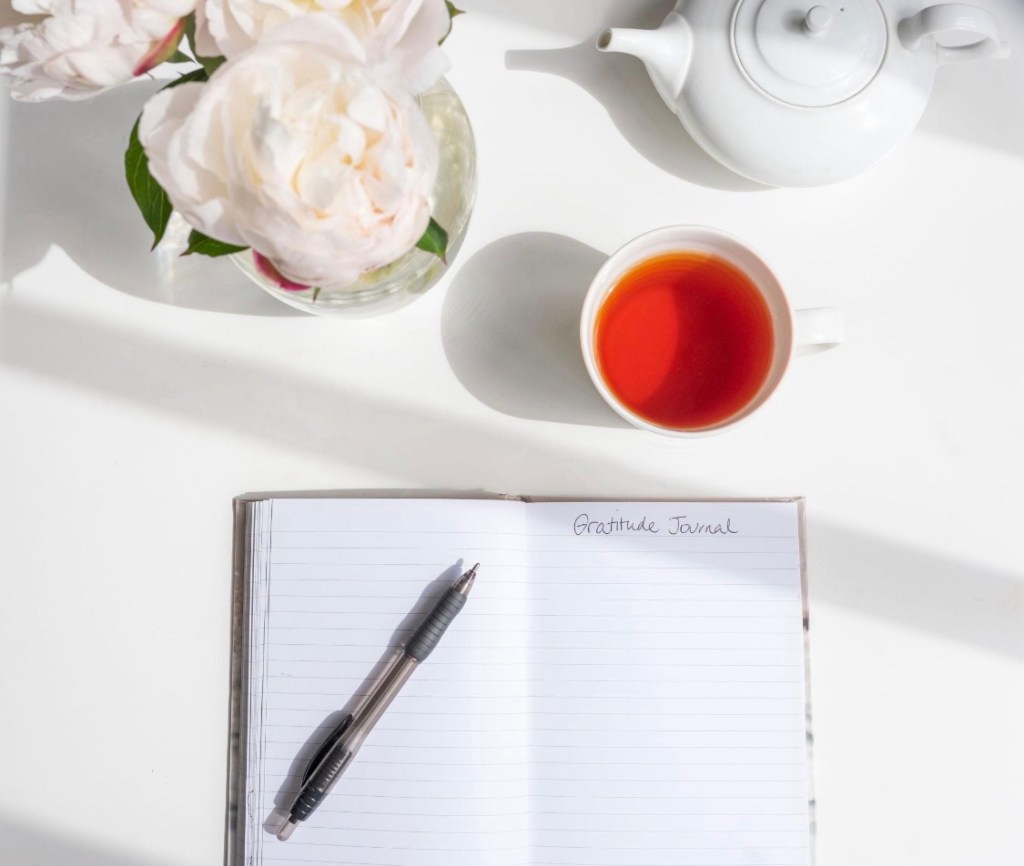
At the end of the day, write or reflect on three things you noticed and appreciated.
They should be specific:
- Not “my family”
- But “the way we laughed at dinner”
Specificity deepens the emotional impact.
2. Gratitude Walks
Take a walk and intentionally notice things you usually ignore:
- The texture of trees
- The rhythm of your steps
- The feeling of fresh air
This combines mindfulness with appreciation.
3. Express It to Someone
Tell someone what you appreciate about them—clearly and directly.
This not only strengthens relationships but reinforces your own sense of connection.
4. Reframing Challenges
Ask yourself:
“Is there anything in this situation that is helping me grow, learn, or pause?”
This isn’t about forcing positivity—it’s about widening perspective.
The Long-Term Impact of Gratitude
Over time, gratitude becomes less of a practice and more of a lens.
You may begin to notice:
- More patience in stressful situations
- Greater satisfaction with everyday life
- Stronger relationships
- A quieter, steadier mind
Life doesn’t suddenly become perfect.
But your relationship to life changes—and that makes all the difference.
Practical Takeaways
- Gratitude is a skill, not a personality trait
- It works by shifting attention, not denying reality
- Small, consistent practices are more effective than big gestures
- Specificity makes gratitude more powerful
- It supports both mental and physical well-being

If this resonated with you, consider building a small daily gratitude practice this week—and notice what changes.
Or explore our deeper guide on mindfulness to strengthen your awareness even further.
 Mindful Explorer