The Hero with a Thousand Faces — Summary & Review

Discover the timeless wisdom of The Hero with a Thousand Faces by Joseph Campbell — a journey through myth, psychology, and the universal path of transformation.

By Joseph Campbell (1949)

Amazon link

Introduction

The Hero with a Thousand Faces by Joseph Campbell is one of the most influential books in mythology, psychology, and storytelling. It explores a universal narrative structure found across cultures — what Campbell famously called “The Hero’s Journey” or the “Monomyth.”

This framework reveals that myths from every era and region share a deep psychological pattern: a hero leaves home, faces trials, gains wisdom, and returns transformed. Campbell uses examples from ancient myths, religious stories, and modern literature to show how this timeless cycle reflects the human search for meaning.

The Structure of the Hero’s Journey

Campbell identifies three main stages of the hero’s journey — Departure, Initiation, and Return — each containing several symbolic steps.

1. Departure

The hero begins in the ordinary world before being called to adventure.

Call to Adventure: Something disrupts the hero’s normal life. Refusal of the Call: Fear or doubt may cause hesitation. Supernatural Aid: A mentor or guide offers wisdom or tools. Crossing the Threshold: The hero leaves the familiar world behind.

2. Initiation

The hero faces trials that lead to inner growth.

Road of Trials: A series of challenges test the hero’s strength and morality. Meeting with the Goddess / Temptation: The hero encounters love or temptation that tests devotion. Atonement with the Father: The hero reconciles inner conflict or authority figures. Apotheosis: The hero achieves enlightenment or transformation. The Ultimate Boon: The hero gains the prize — wisdom, knowledge, or a sacred object.

3. Return

Having transformed, the hero must bring their gift back to the world.

Refusal of the Return: The hero may want to remain in peace or bliss. Magic Flight / Rescue from Without: Obstacles arise on the way back. Crossing the Return Threshold: The hero reintegrates into society. Master of Two Worlds: Balance is found between the spiritual and material. Freedom to Live: The hero accepts life’s impermanence and lives freely.

Themes and Insights

1. Myths as Mirrors of the Mind

Campbell draws on Carl Jung’s idea of archetypes — universal symbols rooted in the collective unconscious. Myths, he argues, are psychological maps showing humanity’s shared inner journey.

2. The Journey Within

The hero’s outer adventure mirrors an inner transformation. Every trial represents a confrontation with fear, desire, or ego. Thus, myth is not only about gods and warriors — it’s about you.

3. Modern Relevance

Campbell believed that modern society’s myths — found in movies, books, and personal stories — continue to express the same ancient truths. His work profoundly influenced creators like George Lucas, who modeled Star Wars directly on the Hero’s Journey.

Why It Matters Today

In a world often fragmented by distractions and doubt, The Hero with a Thousand Faces reminds us that growth comes through struggle and self-discovery. Whether facing career change, grief, or personal evolution, we are each called to adventure — to leave comfort behind, face the unknown, and return wiser.

Campbell’s central message:

“Follow your bliss, and doors will open where there were none before.”

Personal Review

Campbell’s writing is dense but deeply rewarding. The book blends mythology, psychology, and philosophy with poetic language that feels timeless. It’s more than academic—it’s a spiritual guide to living courageously.

Pros:

Profound psychological depth Universal relevance across cultures Inspires creative storytelling and personal reflection

Cons:

Archaic language and complex references Requires patience and rereading for full understanding

Verdict:

⭐️⭐️⭐️⭐️⭐️ (5/5) — A life-changing classic that transforms how you see stories, religion, and yourself.

Conclusion

The Hero with a Thousand Faces teaches that myth is not ancient fantasy but a living roadmap for transformation. Every person who steps beyond fear, pursues meaning, and returns with wisdom becomes the hero — wearing one of the “thousand faces” of humanity.

So the question remains:

What adventure is calling you next?

10 Steps to Level Up and Get that New Job

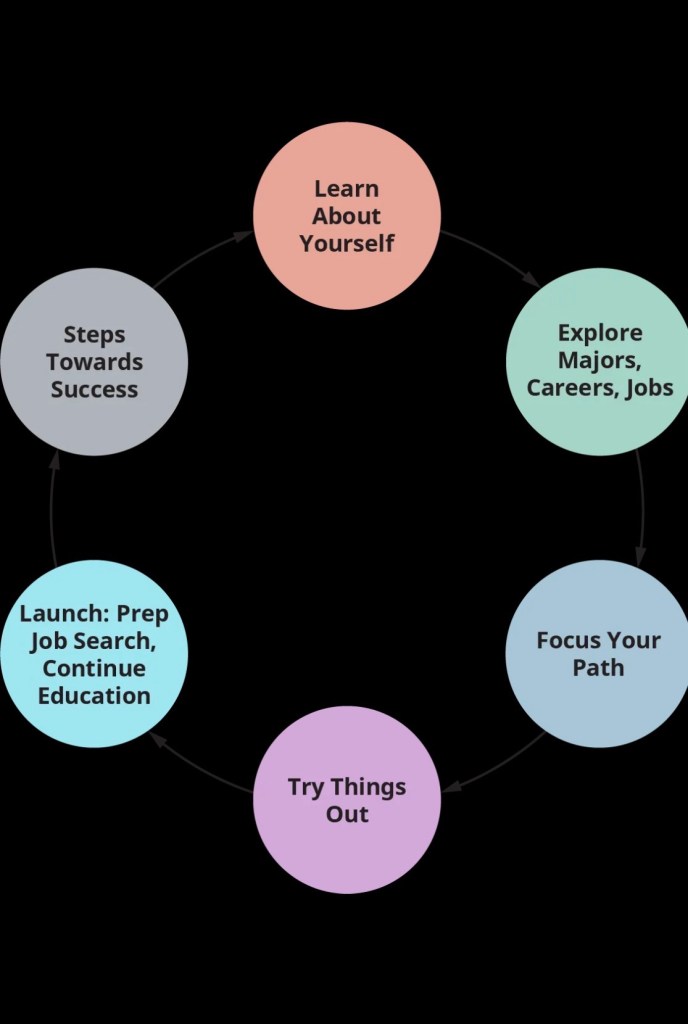
Thinking about a new job usually means something deeper is shifting. Maybe you’ve outgrown your role, lost alignment with your values, or simply feel ready for the next chapter. This article offers a calm, psychology-based approach to leveling up your career—without burnout, hustle culture, or panic applying. You’ll learn how to clarify what you actually want, strengthen your confidence, and move toward a new job with intention and clarity.

If you’re thinking about a new job, chances are something already feels off. Maybe you’ve outgrown your role. Maybe your work no longer matches your values, energy, or curiosity. Or maybe you’re simply ready for the next chapter—but aren’t sure how to move without risking burnout or regret.

This article is for thoughtful people who want to level up intentionally, not impulsively. Instead of vague motivation or hustle culture advice, you’ll find grounded, psychology-based steps to help you clarify your direction, strengthen your positioning, and move toward a new job with confidence.

1. Name the Real Reason You Want a New Job

Before updating your résumé, clarify why you’re leaving.

Ask yourself:

Is it boredom, misalignment, low pay, lack of growth, or values conflict? What would “better” actually feel like day-to-day?

Psychology shows that clarity reduces anxiety. When you name the real reason, your job search becomes focused instead of frantic.

2. Identify the Skills You’re Already Using (Not Just Your Title)

Job titles can be misleading. Skills are portable.

Write down:

Skills you use daily (communication, organization, teaching, analysis) Skills others consistently praise you for Skills you enjoy using even when tired

This list becomes the backbone of your résumé and your confidence.

3. Define Your “Next Job Filter”

Instead of chasing any opening, set clear filters:

Work hours and flexibility Energy level required (fast-paced vs deep focus) Mission or values alignment Growth potential

This step protects you from trading one frustration for another.

4. Update Your Résumé for Humans, Not Algorithms

A strong résumé tells a story:

What problem you were hired to solve How you made things better What you learned along the way

Focus less on duties and more on impact:

“Supported students” → “Improved student engagement through…” “Managed tasks” → “Streamlined systems to save time”

5. Quietly Rebuild Your Confidence

Confidence doesn’t come after the new job—it comes before.

Try:

Tracking small daily wins Re-reading positive feedback or evaluations Talking about your work with trusted people

Self-efficacy research shows confidence grows through evidence, not hype.

6. Learn One Strategic Skill (Not Ten Random Ones)

You don’t need a total reinvention.

Choose one skill that:

Appears repeatedly in job listings you like Builds on what you already know Can be learned in 4–8 weeks

Depth beats overwhelm.

7. Expand Your Network Gently

Networking doesn’t have to feel transactional.

Start with:

Reaching out to former colleagues Asking curiosity-based questions Sharing what you’re exploring (not asking for favors)

Most opportunities come through weak ties, not cold applications.

8. Practice Talking About Yourself Clearly

Many people undersell themselves simply because they haven’t practiced.

Try answering:

“What do you do?”

“What are you moving toward next?”

Out loud. Calmly. Honestly.

Clarity is persuasive.

9. Apply Selectively—and Track Emotion, Not Just Numbers

Instead of mass applying:

Choose roles that genuinely fit your filters Notice how each application makes you feel

If a role drains you before the interview, it’s data—not failure.

10. Give Yourself a Timeline (With Compassion)

Open-ended job searches create stress.

Set a gentle structure:

Example: 8–12 weeks of focused effort Weekly reflection check-ins Built-in rest days

Progress accelerates when your nervous system feels safe.

Practical Takeaways (At a Glance)

Clarity beats urgency Skills matter more than titles Confidence grows from evidence Selectivity reduces burnout Intentional pacing improves outcomes

If this approach resonates, consider subscribing to the Mindful Explorer newsletter—where we explore work, meaning, and growth without the noise.

🐠 The Yellow Boxfish: A Gentle Reminder That Nature Loves the Unusual

Discover the yellow boxfish, a cube-shaped reef fish whose slow movement, toxins, and design reveal surprising lessons about evolution and resilience.

If you’ve ever watched a reef documentary and paused when a bright yellow, cube-shaped fish drifted calmly across the screen, you’re not alone. The yellow boxfish looks like something a child might design with building blocks—simple, cheerful, and oddly out of place in the fast, flowing chaos of the ocean.

But this fish isn’t clumsy or accidental. The yellow boxfish is a quiet evolutionary success story. Its unusual shape, gentle swimming style, and built-in chemical defenses tell us something deeper about how nature solves problems—not always through speed or aggression, but through patience, structure, and balance.

This article explores why the yellow boxfish matters—and what it can teach us about adaptation, protection, and being different in a world that rewards sameness.

4. What Is the Yellow Boxfish?

The yellow boxfish (Ostracion cubicus) is a tropical reef fish found throughout the Indo-Pacific, including coral reefs near Southeast Asia, Australia, and parts of the Indian Ocean.

Key characteristics:

Bright yellow body (especially vivid in juveniles) Distinct cube-like shape Small fins used for slow, precise movement Dark spots scattered across the body Calm, deliberate swimming behavior

Unlike streamlined fish designed for speed, the yellow boxfish looks rigid and boxy—yet it thrives.

5. Why Is the Yellow Boxfish Cube-Shaped?

At first glance, the boxfish’s shape seems like a design flaw. But biologically, it’s a brilliant solution.

The bony exoskeleton

Instead of flexible scales, the yellow boxfish has a hard, interlocking bony armor called a carapace. This structure:

Protects against predators Prevents crushing bites Maintains a stable internal shape

This rigid armor limits flexibility—but dramatically increases survival.

🧠 Psychology of nature insight:

Not all resilience comes from flexibility. Sometimes strength comes from boundaries.

6. How Does the Yellow Boxfish Move?

Despite its stiff body, the yellow boxfish is surprisingly agile.

Rather than using its tail for propulsion like most fish, it relies on:

Pectoral fins (sides) Dorsal fin (top) Anal fin (bottom)

This style of motion—called ostraciiform swimming—allows precise hovering and maneuvering around coral.

Why slow works

Coral reefs are complex, not open highways Precision matters more than speed. Slow movement conserves energy

The yellow boxfish doesn’t chase—it navigates.

7. A Hidden Defense: Toxic Protection

One of the yellow boxfish’s most remarkable traits is invisible.

When threatened or stressed, it can release a toxin called ostracitoxin into the surrounding water. This toxin:

Can paralyze or kill nearby fish Makes predators think twice Is effective even without a chase

Importantly, the toxin is a last resort, not a constant weapon.

🌿 Nature principle:

True power doesn’t need constant display. It works quietly, only when necessary.

8. Juvenile vs Adult Yellow Boxfish

Juvenile yellow boxfish are iconic—bright yellow with bold black spots. Adults, however, often change:

Colors may dull or shift Patterns become less pronounced Body shape remains box-like

This change reflects a broader pattern in nature: early life stages often rely on visual warning signals, while adults depend more on size, toxins, or experience.

9. What the Yellow Boxfish Teaches Us About Adaptation

From a mindful perspective, the yellow boxfish offers several quiet lessons:

1. There is more than one way to survive

Speed, aggression, and dominance aren’t the only successful strategies.

2. Protection can look gentle

The fish appears calm and harmless—but carries strong defenses.

3. Constraints can create elegance

Its rigid body forces creative movement, not limitation.

In psychology, we often talk about adaptive strategies—ways individuals learn to work with their traits instead of against them. The yellow boxfish embodies this idea perfectly.

10. Conservation and Reef Health

Like many reef species, the yellow boxfish depends on healthy coral ecosystems. Threats include:

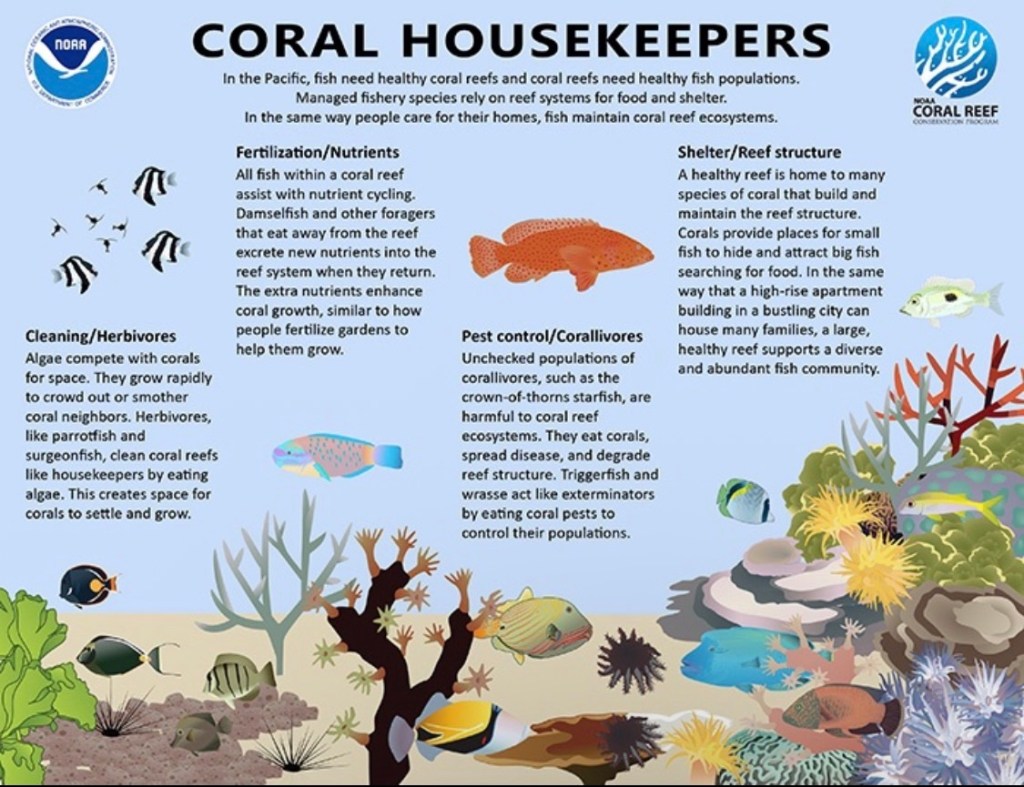
Coral bleaching Pollution Climate-driven temperature changes Reef habitat destruction

Protecting reefs doesn’t just preserve biodiversity—it protects entire networks of slow, subtle creatures whose value isn’t immediately obvious.

🪸 When reefs collapse, the quiet specialists disappear first.

11. Practical Takeaways (Mindful Living Meets Nature)

Here’s how the yellow boxfish’s story can translate into daily life:

Work with your structure, not against it Some people thrive on flexibility; others on routine and boundaries. You don’t need to rush to be effective Precision and consistency often outperform speed. Gentleness and strength can coexist Calm presence doesn’t mean lack of power.

These lessons align closely with research on sustainable performance, burnout prevention, and psychological well-being.

If you enjoy thoughtful explorations of nature, psychology, and mindful living, consider subscribing to the Mindful Explorer newsletter for calm, curiosity-driven insights each week.

🌍 New Year’s Traditions From Around the World: Meaningful Ways Cultures Welcome a Fresh Start

Discover meaningful New Year’s traditions from around the world, from eating grapes in Spain to ringing bells in Japan, and explore how cultures welcome renewal, luck, and fresh beginnings.

Explore meaningful New Year’s traditions from around the world and discover how different cultures welcome renewal, luck, and reflection.

Why This Matters

When the calendar turns, nearly every culture pauses to mark the moment — but not everyone does it with fireworks and countdowns. Across the world, New Year’s traditions are deeply symbolic acts of letting go, welcoming abundance, and setting intentions for the future.

Some people eat grapes. Others clean their homes. Some ring bells, jump waves, or even smash plates. These rituals may look different, but they point to the same human instinct: the desire to begin again with clarity and hope.

In a noisy, productivity-driven world, learning how other cultures approach renewal can gently remind us that fresh starts are as much about meaning as momentum.

🎆 Europe: Letting Go, Inviting Luck

🇪🇸 Spain – Twelve Grapes at Midnight

In Spain, people eat 12 grapes, one with each chime of the clock at midnight. Each grape represents luck for one month of the coming year.

Why it matters psychologically:

Encourages mindful pacing in a moment of excitement Turns the future into something bite-sized and manageable Reinforces the idea that luck is cultivated, not rushed

This ritual has spread to parts of Latin America, becoming a shared language of hope.

🇩🇰 Denmark – Smashing Plates for Friendship

Danes save old plates all year — then smash them against friends’ doors on New Year’s Eve.

More broken dishes = more love and community It reframes destruction as affection Mess becomes a symbol of belonging

This tradition subtly teaches that strong social bonds matter more than material perfection.

🇬🇷 Greece – Hanging an Onion for Growth

In Greece, families hang an onion on their door as a symbol of rebirth and resilience.

Onions grow even when neglected They represent persistence and renewal Children are sometimes gently tapped with the onion on New Year’s Day to “wake up” growth

A humble vegetable becomes a living metaphor for human resilience.

🌅 Asia: Renewal Through Ritual and Order

🇯🇵 Japan – 108 Temple Bells

In Japan, Buddhist temples ring bells 108 times, symbolizing the release of earthly desires believed to cause suffering.

This tradition reflects:

Reflection over celebration Inner clarity over external excitement A belief that peace comes from subtraction, not accumulation

Many Japanese families also clean their homes thoroughly before the New Year — a ritual of mental and physical decluttering.

🇨🇳 China – Lunar New Year (Spring Festival)

Although celebrated later than January 1, Lunar New Year is one of the world’s most intentional renewal rituals.

Key elements include:

Red decorations for luck Family reunions and shared meals Settling debts and conflicts before the new cycle

Psychologically, this reinforces closure before continuation — a powerful habit many of us skip.

🇰🇷 South Korea – Aging Together

In South Korea, everyone traditionally becomes one year older on New Year’s Day.

Aging is communal, not individual Time is experienced collectively Elders are honored through food and ceremony

This contrasts sharply with Western age anxiety and reframes aging as shared progress.

🌊 The Americas: Action, Energy, and Intention

🇧🇷 Brazil – Jumping Waves for Luck

On Brazilian beaches, people dressed in white jump seven ocean waves, making a wish with each jump.

The ocean represents uncertainty and power Jumping waves symbolizes courage and trust White clothing signifies peace and openness

It’s a physical ritual that turns intention into embodied action.

🇨🇴 Colombia – Walking With Empty Suitcases

Some Colombians walk around the block carrying empty suitcases at midnight to invite travel in the coming year.

This playful ritual:

Turns desire into motion Reinforces visualization through movement Reminds us that goals often begin with symbolic steps

🌍 Africa & Middle East: Cycles and Continuity

🌍 West Africa – Yoruba New Year

Among the Yoruba people, the New Year is marked by spiritual cleansing, drumming, and honoring ancestors.

The future is entered with respect for the past Renewal is collective, not individual Music and rhythm anchor memory and intention

This highlights something modern culture often forgets: continuity matters as much as change.

🧠 What These Traditions Teach Us (Psychology of Renewal)

Across cultures, New Year’s rituals tend to share a few core principles:

Release before renewal (bells, cleaning, forgiveness) Embodied intention (jumping, eating, walking) Community reinforcement (family, neighbors, ancestors) Symbolic clarity (simple objects carrying meaning)

Psychologically, rituals work because they:

Reduce uncertainty Create emotional closure Mark transitions clearly Anchor abstract goals in physical action

This is why even small personal rituals can feel powerful.

🌱 Practical Takeaways: Create Your Own Meaningful New Year Ritual

You don’t need to copy a tradition exactly. Instead, borrow its structure.

Try this:

Choose one letting-go action (write and discard, clean, forgive) Choose one intention-setting action (eat mindfully, walk, light a candle) Share it with one other person, even briefly

Keep it simple. Meaning grows from repetition, not complexity.

🌙

If you enjoy thoughtful explorations like this, consider subscribing to the Mindful Explorer newsletter for calm, psychology-grounded insights to start your weeks with clarity.

🎄 Fun Christmas Traditions That Bring Joy Without the Stress

Discover fun Christmas traditions that create warmth, meaning, and connection—without pressure. Simple ideas for mindful, joyful holidays.

Christmas traditions can either ground us—or quietly exhaust us. Many adults feel torn between recreating nostalgic magic and managing modern schedules, budgets, and emotional bandwidth. The good news? Traditions don’t have to be elaborate, expensive, or inherited to be meaningful.

The most memorable Christmas rituals often share one quality: they slow us down just enough to feel connected—to each other, to nature, and to ourselves. This article explores fun, low-pressure Christmas traditions that spark joy while honoring simplicity, presence, and real human warmth.

Why Traditions Matter (Psychology & Well-Being)

Research in psychology suggests rituals help regulate emotion, increase belonging, and create a sense of continuity—especially during seasonal transitions. Traditions act as anchors in time. They don’t need perfection; they need repetition and intention.

Well-chosen traditions:

Reduce decision fatigue during busy seasons Create shared meaning without forcing conversation Offer comfort during grief or change Build memory “markers” we carry into adulthood

The key is choosing traditions that serve your energy, not drain it.

Fun Christmas Traditions That Feel Warm (Not Performative)

1. 🎁 One-Gift Rule Night

Instead of spreading gifts across the entire day, choose one meaningful gift to open together in the evening.

Why it works:

Shifts focus from consumption to presence Builds anticipation Encourages gratitude and storytelling

Variation: Pair the gift with a handwritten note explaining why it was chosen.

2. 🕯️ Candlelight December Evenings

Pick one or two evenings in December to turn off overhead lights and use only candles or soft lamps.

Instrumental music or acoustic guitar Tea, cocoa, or mulled cider Quiet reading or conversation

This simple sensory shift signals calm to the nervous system.

3. 🌲 Nature Walk on Christmas Morning

Before screens or social obligations, take a short walk outside—alone or together.

Psychological benefits:

Movement reduces cortisol Nature restores attention Quiet reflection balances stimulation

Even urban environments count. The point is not rushing.

4. 🎶 Soundtrack of the Season

Instead of constant Christmas music, curate one intentional playlist and play it only during specific moments:

Decorating Baking Evening wind-down

This turns music into a cue for presence rather than background noise.

Creative & Lighthearted Traditions

5. 🎄 Ornament With a Story

Each year, add one ornament tied to a real event:

A place you visited A challenge you overcame A new skill or idea

Over time, your tree becomes a visual timeline of lived experience.

6. 📖 Christmas Eve Reading Ritual

Choose a short story, poem, or reflective passage to read aloud each year.

Ideas:

Nature writing Folktales Seasonal essays

This tradition works beautifully for adults—especially those who’ve outgrown Santa but still crave ritual.

Food-Centered Traditions That Stay Simple

7. 🍲 One Signature Dish Only

Instead of a full spread, commit to one dish that defines the holiday for you.

Benefits:

Less overwhelm Strong sensory memory Easy continuity year to year

Everything else becomes optional.

8. ☕ Morning Beverage Ritual

Designate a special Christmas morning drink:

Spiced coffee Herbal tea blend Hot cocoa with one specific topping

Drink it slowly, intentionally, without multitasking.

Quiet Traditions for Solo or Small Celebrations

Not everyone celebrates in large groups—and that’s okay.

9. ✍️ Year-End Reflection Letter

Write yourself a short letter answering:

What did this year teach me? What do I want to carry forward? What can I release?

Seal it and read it next Christmas.

10. 🔥 Letting-Go Ritual

Write one thing you’re ready to release—stress, habits, expectations—and safely burn or tear the paper.

This creates emotional closure without forced positivity.

Practical Takeaways (Mindful & Actionable)

Choose fewer traditions, repeat them consistently Let traditions match your current life stage Build rituals around senses (light, sound, taste, movement) Release traditions that feel obligatory Remember: meaning comes from attention, not scale

Related Mindful Explorer Reads

[Internal link: Mindful holiday routines for adults] [Internal link: How rituals reduce stress and increase meaning] [Internal link: Nature-based seasonal living practices]

Soft Call-to-Action

If you enjoy reflections like this, consider subscribing to the Mindful Explorer newsletter—quiet insights for thoughtful living, delivered gently.

The Origin of the Christmas Tree Tradition

Discovery the ancient pagan, medieval, and Christian roots of the Christmas tree tradition and how it evolved into a global holiday symbol.

How ancient nature worship evolved into one of the most beloved symbols of Christmas

Introduction

The Christmas tree is one of the most recognizable and cherished symbols of the holiday season—but its roots stretch far deeper than Christianity. Long before ornaments and electric lights, evergreen trees carried powerful meanings tied to survival, rebirth, and hope during the darkest days of winter. This article explores how ancient traditions gradually evolved into the modern Christmas tree we know today.

Ancient Origins: Evergreens and the Winter Solstice

Long before Christmas existed, ancient cultures revered evergreen plants for their ability to stay green during winter—a powerful symbol of life enduring through darkness.

Early Pagan Traditions

Ancient Egyptians used green palm fronds to symbolize eternal life. Romans, during the festival of Saturnalia, decorated homes with greenery to honor Saturn, the god of agriculture. Celtic and Norse cultures viewed evergreens as sacred, believing they warded off evil spirits and brought protection during winter.

These traditions were closely tied to the winter solstice, the moment when days begin to grow longer—symbolizing the return of light.

Medieval Europe: The Paradise Tree

In medieval Germany, evergreen trees appeared in “Paradise Plays”, religious dramas performed on December 24th (Adam and Eve’s feast day).

A fir tree called a Paradise Tree was decorated with apples (symbolizing the Tree of Knowledge). Wafer cookies were later added, representing redemption. These trees were often brought into homes, becoming a precursor to the Christmas tree.

This blend of Christian symbolism and earlier nature traditions laid the groundwork for the modern custom.

Martin Luther and the First Candle-Lit Tree

According to legend, Martin Luther was inspired by stars shining through evergreen branches on a winter night.

He reportedly added candles to a tree to recreate that vision for his family. Whether myth or fact, this story helped popularize decorated trees among Protestant households in Germany during the 16th century.

The Victorian Era: Christmas Trees Go Global

The Christmas tree remained mostly a German tradition until the 19th century.

Its rise in popularity across Europe and North America is often credited to:

Prince Albert, husband of Queen Victoria

An 1848 illustration of the royal family around a decorated tree captured the public imagination, and the tradition quickly spread.

By the late 1800s:

Trees appeared in homes across England and the United States Ornaments became commercially produced Candles eventually gave way to electric lights

The Modern Christmas Tree

Today’s Christmas trees come in many forms:

Real or artificial Minimalist or heavily decorated Traditional or themed

Yet at its core, the Christmas tree still represents:

Life in the midst of winter Hope, renewal, and light Connection to both nature and tradition

From pagan solstice rituals to medieval plays to modern living rooms, the Christmas tree is a powerful example of how traditions evolve while retaining their original meaning.

Conclusion

The Christmas tree is far more than a decorative object—it’s a living symbol shaped by thousands of years of human history. Rooted in ancient reverence for nature and transformed by religious and cultural shifts, it stands today as a reminder of endurance, hope, and shared tradition during the darkest season of the year.

What does the Christmas tree symbolize to you—faith, family, nature, or something else entirely?

Published by Mindful Explorer · Mindfulexplorer.blog

The Two Best Books for the Gigging Pop Guitarist

1. The Real Pop Book (Hal Leonard)

Best for:

Cocktail hours Jazz-influenced pop Singers who need lead sheets Gigging guitarists who want maximum flexibility

What you get:

Lead sheets: melody line + chords + lyrics Hundreds of iconic pop tunes from the 1960s–present Perfect for building a large, versatile setlist Easy to transpose on the fly Works well for: jazz-pop, chord-melody improvisation, rhythm guitar, solo gigs where you fill out harmony yourself

Why it’s essential:

The Real Pop Book functions like the jazz Real Book but for pop music. For a gigging guitarist, this means one thing: instant access to a massive repertoire, ready to adapt to any audience. That makes it priceless for weddings, wineries, restaurants, bar gigs, and corporate events.

2. Hal Leonard – 100 Most Popular Songs for Fingerpicking Guitar

Best for:

Solo wedding guitar Background music Classical-leaning fingerstyle arrangements Guitarists who DO NOT want to sing

What you get:

Full fingerstyle arrangements written out Standard notation + TAB Songs arranged to sound complete solo Consistent difficulty range (easy to intermediate) Uses stylistically accurate patterns, not “pattern-formula” filler

Why it’s essential:

This book gives you finished, polished solo arrangements. You don’t have to improvise chord-melodies or fill space. Every tune is ready to perform, which is perfect for ceremonies, dinner sets, and cocktail hours where singing isn’t required.

Which Is Better?

Neither—because they serve completely different purposes.

If you want fast repertoire and flexibility, go with:

➡️ The Real Pop Book

If you want beautiful, finished solo arrangements, go with:

➡️ 100 Most Popular Songs for Fingerpicking Guitar

Most working guitarists find the combination perfect:

Real Pop Book = build huge setlists quickly Fingerpicking 100 = polished solo guitar pieces for high-end gigs

Together, these two books will cover almost everything you need for wineries, weddings, bars, restaurants, and small events.

Collectivist vs. Individualistic Cultures: What’s the Real Difference?

Discover the key differences between collectivist and individualistic cultures, how they shape behavior, and what they teach us about human connection and identity.

Introduction

Culture shapes how we view the world—how we communicate, make decisions, build relationships, and define success. Two of the most important cultural frameworks are collectivism and individualism. While neither is superior, understanding the differences helps us connect more meaningfully with others.

In this Mindful Explorer guide, let’s break down what sets these two worldviews apart and what we can learn from each.

What Is an Individualistic Culture?

Individualistic cultures focus on personal freedom, self-expression, and individual achievement. People are encouraged to follow their own path—even when it differs from the group.

Key Values

Independence and autonomy Personal rights and freedom Competition and individual success Direct communication and self-expression

How Individualism Shows Up

People in individualistic societies often:

Make decisions based on personal preference Prioritize personal goals over group goals Communicate directly, even during disagreements Define success through personal accomplishments

Where Individualism Is Common

United States Canada United Kingdom Germany Australia and New Zealand

What Is a Collectivist Culture?

Collectivist cultures value the group over the individual. Identity comes from community, family, and social roles, and social harmony is prioritized over standing out.

Key Values

Loyalty to family or group Cooperation and interdependence Social harmony Respect for hierarchy and tradition

How Collectivism Shows Up

People in collectivist societies often:

Make decisions that benefit the group or family Avoid open conflict to preserve harmony Feel responsible for the wellbeing of others Identify themselves through relationships and roles

Where Collectivism Is Common

Japan, China, South Korea Philippines India and much of South Asia Latin America Many regions in Africa and the Middle East

Collectivism vs. Individualism: The Core Differences

Here are the key distinctions explained clearly, without a table:

Identity

Individualistic cultures: identity comes from personal traits and uniqueness. Collectivist cultures: identity comes from group membership and social roles.

Decision-Making

Individualistic: “What do I want?” Collectivist: “What’s best for us?”

Communication Style

Individualistic: direct, assertive, open about disagreements. Collectivist: indirect, harmony-focused, avoids conflict.

Definition of Success

Individualistic: success is measured through personal achievements. Collectivist: success is measured by group wellbeing.

Responsibility

Individualistic: personal responsibility and self-reliance. Collectivist: shared responsibility and community support.

Strengths of Each Cultural Style

Strengths of Individualistic Cultures

Encourages innovation and creativity Protects individual rights and freedoms Builds independence and self-reliance

Strengths of Collectivist Cultures

Fosters cooperation and unity Creates strong, supportive communities Helps reduce social isolation

What We Can Learn From Both

Understanding these cultural mindsets helps us:

Communicate more effectively Build stronger relationships Navigate diverse workplaces Develop greater self-awareness

Many of the world’s most adaptable societies blend both approaches—valuing personal freedom while nurturing collective wellbeing.

Conclusion

Collectivist and individualistic cultures each offer valuable insights into how humans thrive. By embracing the strengths of both, we can cultivate deeper understanding, stronger communities, and a more connected world.

Which cultural values resonate most with you? Let’s explore together in the comments.

Attainable Sustainable: A Practical Guide to a More Self-Sufficient Life — Book Review

A practical, inspiring review of Attainable Sustainable, the essential guide to modern homesteading, self-sufficiency, and simple living for everyday people.

Amazon Link

Introduction

For anyone curious about homesteading, gardening, or living more intentionally, Attainable Sustainable by Kris Bordessa is one of the most accessible and inspiring guides available today. It blends old-world wisdom with modern practicality, showing that you don’t need acres of land or a full farm setup to build a more self-sufficient life. In this review, we’ll explore why this book has become a staple for aspiring homesteaders, urban gardeners, and anyone striving for a more mindful, sustainable lifestyle.

What the Book Is About

At its core, Attainable Sustainable is a giant, beautifully illustrated handbook focused on realistic ways to produce, preserve, and build more of what you use in daily life. It covers:

Growing your own food Natural home projects DIY household essentials Food preservation Eco-friendly living habits Simple sustainability practices for beginners

The book is structured so you can open to any section and immediately find a project or idea you can try that same day—no need for expensive equipment or large spaces.

Key Themes and Takeaways

1. Self-Reliance Made Simple

One of the biggest strengths of the book is its accessibility. Whether you live in a small apartment or have a big backyard, Bordessa’s approach shows that anyone can start taking steps toward a more independent lifestyle.

2. Food From Garden to Table

The gardening chapters are a highlight, offering clear guidance on:

Companion planting Soil health Growing herbs, vegetables, and fruit Small-space garden solutions

Her step-by-step advice makes gardening feel less intimidating, especially for beginners.

3. DIY Projects That Feel Doable

From homemade cleaners to simple woodworking tasks, the DIY sections are both instructive and inspiring. The instructions are easy to follow, and most projects use affordable, common materials.

4. Preservation & Food Storage

This is where the book shines for anyone wanting to reduce waste or rely less on grocery stores. Bordessa includes techniques like:

Canning Dehydrating Fermenting Freezing

It’s a one-stop reference that demystifies food preservation for people of all skill levels.

5. Sustainability as a Mindset

Beyond the practical guidance, Attainable Sustainable encourages readers to shift how they think—choosing reusable over disposable, intentional over impulsive, handmade over mass-produced. It’s sustainability that feels achievable rather than overwhelming.

Who This Book Is For

This book is ideal for:

Urban or suburban gardeners Beginners wanting a clear path into homesteading Eco-conscious households DIY hobbyists Families looking for hands-on projects Anyone pursuing a slower, more connected lifestyle

Even advanced gardeners or homesteaders will likely find new tips or inspiration.

Strengths of the Book

Highly visual with beautiful photography Clear instructions for novices Wide variety of topics covered in one place Encouraging tone that supports trial and error Practical, low-cost strategies

Areas Some Readers May Want More Depth

While the breadth is excellent, some readers may find they want deeper, more technical information in areas like advanced gardening or large-scale preservation. However, this is more a testament to how inspiring the book is—it makes you want to learn more.

Final Verdict

Attainable Sustainable is one of the most useful and beautiful sustainability guides available today. It’s packed with actionable steps, gorgeous visuals, and a warm, encouraging tone that makes homesteading feel possible for everyone—not just those with land or experience.

If you’re trying to live more intentionally, grow more of your own food, or reduce your dependence on store-bought goods, this book deserves a permanent spot on your shelf.

Conclusion

Living sustainably doesn’t require perfection—it just requires starting somewhere. Attainable Sustainable provides countless entry points for that journey. Whether you want to garden, craft, cook, or preserve, this book will give you the confidence and knowledge to begin.

What sustainable skills are you most excited to learn next?

Amazon Link

10 Mindful and Meaningful Things to Do on Thanksgiving Morning

Start your Thanksgiving with calm, joy, and intention. Here are 10 meaningful Thanksgiving morning activities to set the tone for a peaceful, gratitude-filled day.

Thanksgiving morning sets the tone for the entire holiday. Instead of rushing straight into cooking or travel, carve out intentional moments to ground yourself, enjoy loved ones, and step into the day with gratitude. Here are some of the best ways to start your Thanksgiving morning mindfully.

1. Watch the Sunrise

There’s no better way to welcome a day of gratitude than by watching the world wake up. It’s calm, reflective, and offers a rare moment of stillness before the day gets busy.

2. Brew a Slow, Cozy Cup of Coffee or Tea

Make it a ritual: grind fresh beans, warm a mug, and sip slowly. Enjoy the aroma and warmth. Let this be your grounding moment. Get some Starbucks delivered to your door. Or try some organic matcha.

3. Journal Three Things You’re Grateful For

Gratitude journaling sets an intentional tone for the rest of the day. Even writing a single sentence can shift your mindset. Grab a journal here!

4. Go for a Thanksgiving Morning Walk

A brisk walk boosts energy and boosts mood—perfect before a big meal. Bring a friend or family member along for quality time.

5. Watch the Macy’s Thanksgiving Day Parade

A nostalgic tradition for many families, the parade is a light, joyful way to ease into the festivities.

6. Prep Your Favorite Holiday Dish Early

Starting early removes stress later. Put on music or a podcast and enjoy the process rather than rushing.

7. Do a Mini Workout or Stretching Routine

A short yoga flow, stretching, or bodyweight routine gets your blood flowing and helps balance out the heavier foods later.

8. Call or Text Someone You’re Thankful For

Reconnect with someone you love—family, a mentor, or a friend you haven’t spoken to in a while.

9. Create a Fall Playlist for the Day

Curate songs that feel warm, cozy, and nostalgic. Play it throughout the day to set the holiday mood.

10. Spend a Few Minutes in Nature

Even if it’s just stepping outside to breathe in the crisp air, nature has a way of grounding us in gratitude and presence.

Conclusion

Thanksgiving morning doesn’t have to be hectic. A few intentional rituals—slow coffee, a quiet walk, a moment of gratitude—can transform the entire day. Choose one or two activities from this list to help you begin with peace, clarity, and meaning.

Which Thanksgiving morning ritual will you try this year? Share your thoughts!