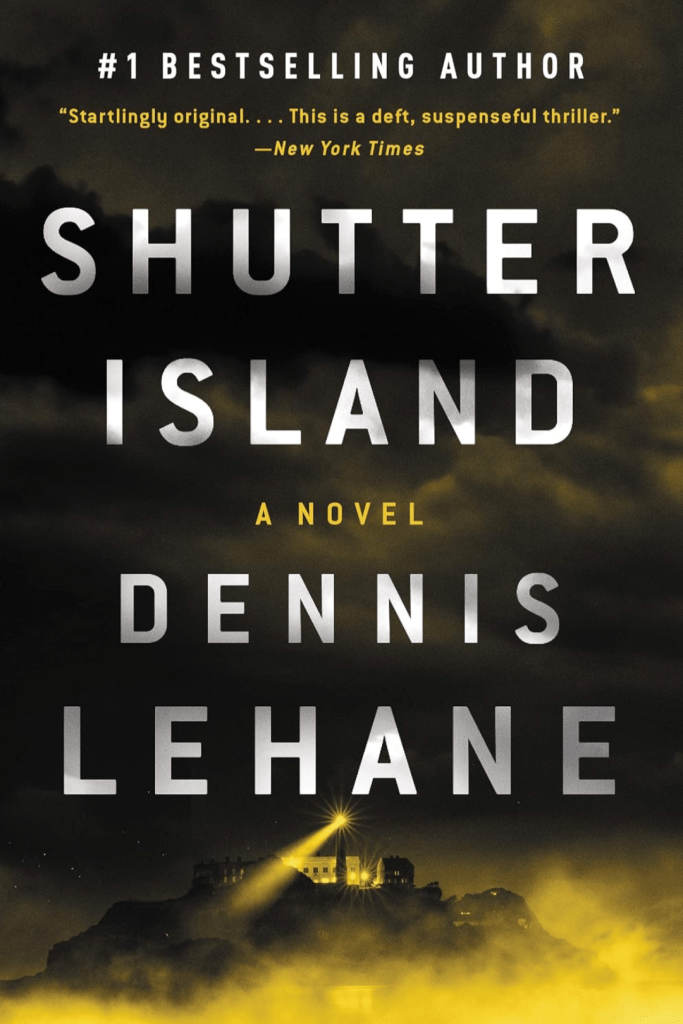
Shutter Island Book Review: A Mind-Bending Psychological Thriller That Stays With You

Discover why Shutter Island by Dennis Lehane remains one of the greatest psychological thrillers ever written. A spoiler-light review exploring its themes, atmosphere, and unforgettable ending.

Shutter Island


Why Shutter Island Still Captivates Readers

Some books entertain you while you’re reading them. Others continue to occupy your thoughts long after you’ve closed the final page. Shutter Island by Dennis Lehane belongs firmly in the second category.

At first glance, it appears to be a classic detective mystery. A U.S. Marshal travels to a remote psychiatric hospital to investigate the disappearance of a dangerous patient. Yet as the story unfolds, what begins as a straightforward investigation transforms into an unforgettable psychological journey that challenges our understanding of memory, trauma, and reality itself.

Whether you’re a fan of mystery novels or fascinated by the psychology of the human mind, Shutter Island offers far more than a suspenseful plot. It invites readers to question how much we can truly trust our own perceptions.


A Story Built on Suspense

Set in 1954, the novel follows U.S. Marshal Teddy Daniels and his partner Chuck Aule as they arrive at Ashecliffe Hospital, an institution for the criminally insane located on an isolated island.

The setting immediately establishes an atmosphere of unease. Dense fog, violent storms, towering cliffs, and locked wards create a feeling that escape—both physical and psychological—is impossible.

Unlike many modern thrillers that rely on constant action, Lehane patiently builds suspense. Every conversation, every clue, and every unanswered question increases the tension while encouraging readers to form—and repeatedly revise—their theories.


More Than a Mystery

One of the novel’s greatest strengths is that it refuses to remain just a detective story.

Beneath the mystery lies an exploration of several profound psychological themes:

Trauma and Memory

The novel illustrates how traumatic experiences can shape the way we interpret reality. Memories are not always objective recordings of events; they are influenced by emotion, grief, and our need to protect ourselves from unbearable pain.

Identity

Who are we when our memories become uncertain?

This question lies at the heart of Shutter Island. The novel explores how identity is built through the stories we tell ourselves and what happens when those stories begin to unravel.

Perception vs. Reality

Readers quickly discover that appearances can be deceptive.

Lehane masterfully demonstrates how assumptions influence our understanding of events, encouraging us to question not only the narrator but also our own conclusions as readers.


A Jungian Perspective

For readers interested in psychology, Shutter Island can also be viewed through the lens of Carl Jung’s concept of the Shadow.

Jung believed that every person carries aspects of themselves they struggle to acknowledge. Rather than integrating these painful emotions, people often repress them.

Throughout the novel, hidden fears, guilt, and unresolved trauma emerge in increasingly unsettling ways. Without revealing spoilers, many of the book’s most memorable moments can be interpreted as symbolic confrontations with the parts of ourselves we would rather avoid.

This psychological depth is one reason the novel remains so rewarding upon a second reading.


Dennis Lehane’s Writing Style

Lehane writes with remarkable clarity while maintaining an atmosphere of uncertainty.

His prose is neither overly elaborate nor simplistic. Instead, it quietly builds tension through carefully chosen details and believable dialogue.

The pacing deserves particular praise. Although the opening chapters progress deliberately, each revelation feels earned, making the final act exceptionally satisfying.

Readers who enjoy slowly unfolding mysteries will likely appreciate this approach.


What Makes Shutter Island Exceptional?

Several qualities distinguish the novel from other psychological thrillers:

  • An unforgettable atmosphere that feels almost cinematic.
  • Complex characters with believable motivations.
  • Psychological depth beyond a typical mystery.
  • Excellent pacing that rewards patient readers.
  • One of the most memorable endings in modern fiction.

Perhaps most impressive is Lehane’s careful foreshadowing. Many seemingly insignificant moments become remarkably meaningful after finishing the novel, making it ideal for rereading.


Are There Any Weaknesses?

Very few.

Readers expecting nonstop action may find the opening chapters slower than contemporary thrillers.

However, this deliberate pace allows the psychological tension to build naturally, making the eventual payoff far more effective.


Should You Read the Book Before Watching the Film?

If possible, yes.

The film adaptation captures much of the novel’s atmosphere remarkably well, but the book provides greater insight into Teddy’s thoughts and emotional struggles.

Reading the novel first allows the psychological themes to unfold more gradually and makes the experience even more rewarding.


Final Verdict

Shutter Island is far more than an entertaining mystery. It is an intelligent exploration of grief, trauma, identity, and the fragile relationship between memory and reality.

Its haunting atmosphere, layered storytelling, and psychological depth make it one of the finest thrillers of the modern era. Even readers who believe they have solved the mystery may discover, upon reflection, that the novel still has more to reveal.

It is rare to find a book that becomes even better after the final chapter. Shutter Island accomplishes exactly that.

Mindful Explorer Rating: ★★★★★ (5/5)

If you enjoy stories that challenge your assumptions while exploring the complexities of the human mind, this novel deserves a place at the top of your reading list.


Practical Takeaways

Although Shutter Island is fiction, it offers meaningful insights:

  • Our perception of reality is shaped by experience.
  • Unresolved trauma can profoundly influence our thinking.
  • Identity is closely connected to memory and personal narrative.
  • Facing painful truths is often more difficult—but ultimately healthier—than avoiding them.

Related Mindful Explorer Articles


Continue the Journey

If you enjoyed this review, subscribe to the Mindful Explorer newsletter for thoughtful book reviews, psychology articles, and explorations into the science of meaning, creativity, and mindful living.
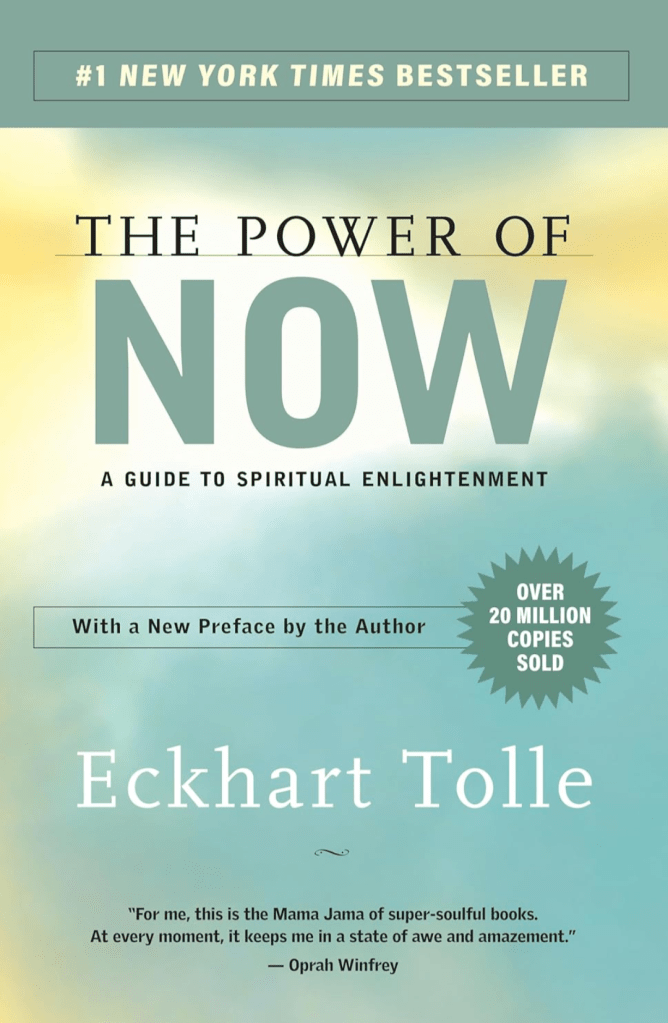
The Power of Now Book Review: A Guide to Living in the Present

A thoughtful review of The Power of Now by Eckhart Tolle, exploring its core ideas, practical value, and how it can transform your daily awareness.

Amazon Link

Have you ever noticed how much of your life is spent either replaying the past or worrying about the future? It’s a quiet habit most of us carry—one that often fuels stress, anxiety, and a sense of disconnection. The Power of Now by Eckhart Tolle offers a simple but profound idea: peace is only found in the present moment. This book isn’t just philosophy—it’s an invitation to experience life differently, right now. If you’ve ever felt mentally overwhelmed or stuck in overthinking, this book aims to show you another way.


What The Power of Now Is Really About

At its core, The Power of Now is about shifting your identity away from constant thinking and into awareness.

Tolle argues that:

  • Most human suffering is created by the mind
  • We are not our thoughts—we are the observer of them
  • The present moment is the only place where life actually happens

Rather than presenting a traditional narrative, the book is structured as a series of questions and answers. This makes it feel less like a lecture and more like a guided conversation.


Key Concepts Explained Simply

1. You Are Not Your Mind

One of the book’s most powerful ideas is that your thoughts are not your identity.

Tolle suggests that constantly identifying with your thoughts creates:

  • Anxiety (future-focused thinking)
  • Regret (past-focused thinking)
  • A loss of presence

Instead, he encourages observing thoughts without attaching to them.

This aligns with modern psychology concepts like cognitive defusion—the ability to step back from thoughts rather than be controlled by them.


2. The Present Moment Is All You Ever Have

Tolle emphasizes that:

  • The past only exists as memory
  • The future only exists as imagination
  • The present is the only reality

This isn’t just philosophical—it’s practical.

When you bring attention to the present moment, you often notice:

  • Reduced stress
  • Increased clarity
  • A sense of calm

3. The “Pain-Body” Concept

Tolle introduces the idea of the “pain-body”—a buildup of emotional pain from the past that lives inside you.

It can be triggered by:

  • Conflict
  • Stress
  • Certain relationships

When activated, it can feel like:

  • Sudden anger
  • Emotional overwhelm
  • Irrational reactions

The key, according to Tolle, is awareness. When you notice it, you weaken its control.


4. Acceptance vs Resistance

A major theme in the book is the idea that resistance creates suffering.

Tolle doesn’t mean passive acceptance of everything—but rather:

  • Accept the present moment as it is
  • Then act from clarity, not resistance

This subtle shift can dramatically change how you respond to challenges.


What Makes This Book Different

Unlike many self-help books, The Power of Now:

  • Doesn’t focus on productivity or goals
  • Doesn’t offer step-by-step systems
  • Focuses entirely on awareness and consciousness

It’s closer to a spiritual guide than a traditional self-improvement manual.

For some readers, this is deeply transformative. For others, it can feel abstract or repetitive.


Strengths of The Power of Now

  • Simple but profound ideas that stick with you
  • Encourages real inner awareness, not just behavior change
  • Can reduce anxiety when applied consistently
  • Timeless message that doesn’t rely on trends

Potential Criticisms

To keep things grounded, it’s worth noting:

  • The writing can feel repetitive
  • Some concepts are abstract or hard to apply immediately
  • It leans heavily into spiritual language, which may not resonate with everyone

If you prefer structured, science-based frameworks, this book may feel less concrete.


Practical Takeaways You Can Use Today

You don’t need to fully “master presence” to benefit from this book. Try these simple practices:

1. Pause and Observe

Several times a day, ask:

  • “What am I thinking right now?”

Just noticing creates distance from the thought.


2. Focus on Sensation

Bring attention to:

  • Your breath
  • Your hands
  • The feeling of walking

This anchors you in the present moment.


3. Accept the Moment (Then Act)

Instead of immediately reacting, try:

  • “Can I allow this moment to be as it is?”

Then decide what to do next.


4. Reduce Mental Noise

Limit:

  • Constant phone checking
  • Multitasking
  • Background distractions

Silence helps awareness grow.


Who This Book Is Best For

The Power of Now is especially helpful if you:

  • Struggle with overthinking or anxiety
  • Feel mentally overwhelmed
  • Are interested in mindfulness or personal growth
  • Want a deeper sense of calm and clarity

It may be less appealing if you prefer highly structured, action-based self-help books.


Check out more book reviews here!


Final Thoughts

The Power of Now isn’t a quick fix—it’s a perspective shift.

Some readers experience immediate clarity, while others need time to fully grasp its ideas. But at its best, this book gently reveals something most of us overlook: peace isn’t found by fixing your entire life—it’s found by stepping fully into this moment.

And that’s a skill worth practicing.


Call to Action

If this idea resonates with you, explore your own awareness more deeply by reading our [Beginner’s Guide to Mindfulness] or consider starting a simple daily presence practice.


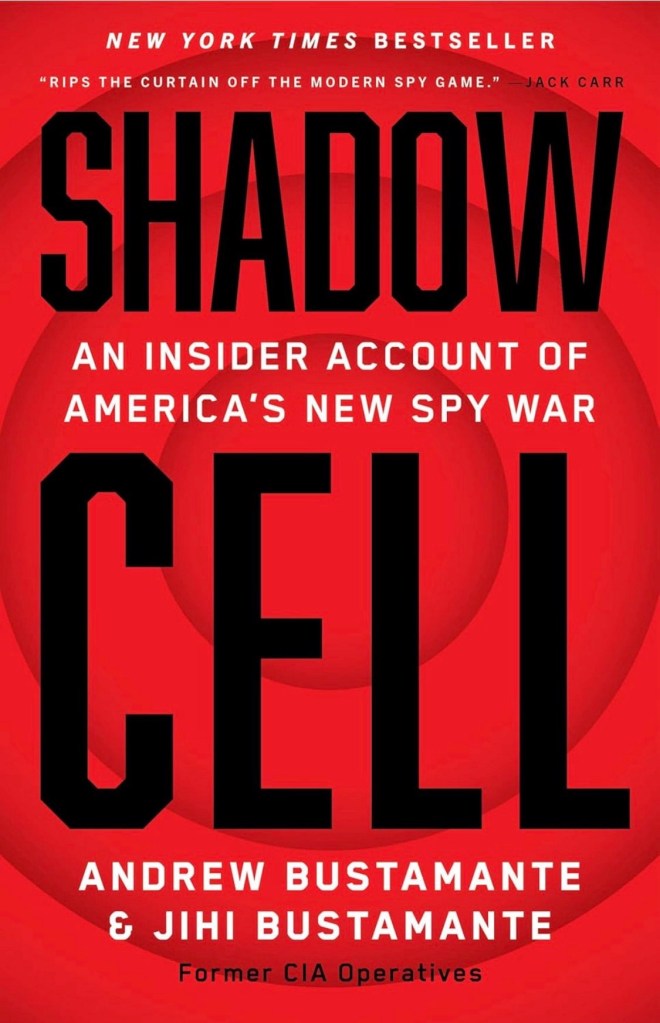
Shadow Cell by Andrew Bustamante: A Deep Dive Into the Psychology of Espionage and Influence

A thoughtful review of Shadow Cell by Andrew Bustamante, exploring CIA psychology, influence, emotional control, and ethical gray areas.

Book Review for Mindful Explorer

Get it on Amazon here!

Andrew Bustamante’s Shadow Cell pulls readers behind the curtain of modern intelligence work—far beyond the glamorized spy tropes of Hollywood. Written by a former CIA intelligence officer, the book blends memoir, psychology, and practical insight into how power, influence, and perception truly operate in high-stakes environments.

This is not just a spy book. It’s a study of human behavior under pressure—and that’s what makes it especially compelling for readers interested in psychology, leadership, and mindful self-mastery.

Overview of the Book

Shadow Cell explores Bustamante’s experiences working in covert operations, focusing on how intelligence agencies recruit, assess, and manipulate human assets. Rather than revealing classified tactics, the book emphasizes:

Psychological profiling Trust-building and deception Decision-making under uncertainty Emotional regulation in dangerous environments

Bustamante frames intelligence work as a human system, not a technological one—where understanding motivations, fears, and incentives matters more than gadgets or brute force.

Key Themes and Takeaways

1. Espionage Is About People, Not Secrets

One of the strongest themes in Shadow Cell is that intelligence work revolves around relationships. Information flows through people, and people are driven by emotions—fear, pride, loyalty, desperation.

Bustamante makes it clear that mastering interpersonal dynamics is far more powerful than memorizing tactics.

2. Influence Is a Teachable Skill

The book repeatedly reinforces that influence isn’t manipulation—it’s understanding incentives. Intelligence officers don’t force people to act; they align opportunities with existing motivations.

This insight applies directly to:

Leadership Teaching Negotiation Personal relationships

For readers of Mindful Explorer, this connects strongly to psychological awareness and intentional living.

3. Emotional Control Under Pressure

Bustamante highlights the importance of self-regulation—remaining calm, observant, and deliberate when stress is high. Emotional reactions are liabilities in intelligence work.

This mirrors principles found in:

Stoicism Mindfulness practices High-performance psychology

The book subtly argues that emotional mastery is a form of freedom.

4. Ethics in the Gray Zone

Shadow Cell doesn’t shy away from moral ambiguity. Bustamante reflects on the ethical complexity of intelligence work—where choices are rarely clean and consequences ripple outward.

Rather than offering simple answers, the book invites readers to sit with discomfort and think critically about:

National security Personal responsibility The cost of secrecy

Writing Style and Accessibility

Bustamante writes in a clear, conversational, and confident tone. The book is accessible to general readers—no prior knowledge of intelligence agencies is required.

Strengths of the writing:

Engaging real-world anecdotes Clear explanations of complex ideas Practical lessons without jargon

At times, readers looking for explosive revelations may find the book more reflective than sensational—but that restraint adds credibility.

Who Should Read Shadow Cell?

This book is especially well-suited for readers interested in:

Psychology and human behavior Leadership and influence Mindfulness and emotional intelligence Ethics and decision-making Realistic depictions of intelligence work

If you enjoy books that challenge how you see power, trust, and perception, Shadow Cell delivers.

Final Verdict

Shadow Cell is a thoughtful, grounded, and psychologically rich look at espionage—not as fantasy, but as a disciplined practice of understanding people. Andrew Bustamante succeeds in turning intelligence work into a mirror for everyday life: how we influence others, manage ourselves, and navigate moral gray areas.

For Mindful Explorer readers, this book fits squarely at the intersection of psychology, self-awareness, and strategic thinking.

What would change in your life if you approached conversations and decisions with the same calm awareness described in Shadow Cell?

— Mindful Explorer (mindfulexplorer.blog)

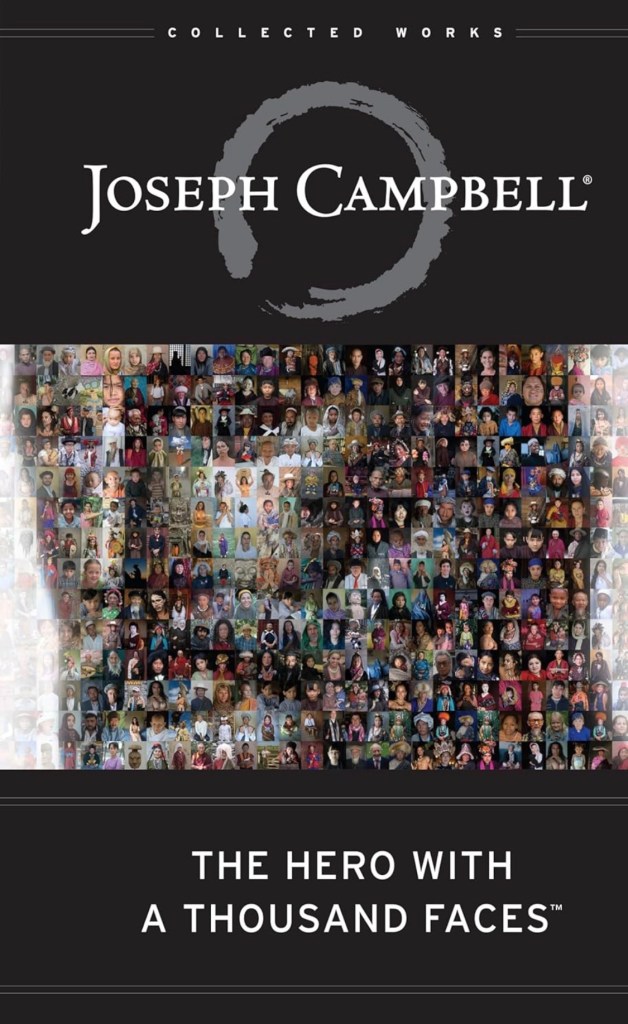
The Hero with a Thousand Faces — Summary & Review

Discover the timeless wisdom of The Hero with a Thousand Faces by Joseph Campbell — a journey through myth, psychology, and the universal path of transformation.

By Joseph Campbell (1949)

Amazon link

Introduction

The Hero with a Thousand Faces by Joseph Campbell is one of the most influential books in mythology, psychology, and storytelling. It explores a universal narrative structure found across cultures — what Campbell famously called “The Hero’s Journey” or the “Monomyth.”

This framework reveals that myths from every era and region share a deep psychological pattern: a hero leaves home, faces trials, gains wisdom, and returns transformed. Campbell uses examples from ancient myths, religious stories, and modern literature to show how this timeless cycle reflects the human search for meaning.

The Structure of the Hero’s Journey

Campbell identifies three main stages of the hero’s journey — Departure, Initiation, and Return — each containing several symbolic steps.

1. Departure

The hero begins in the ordinary world before being called to adventure.

Call to Adventure: Something disrupts the hero’s normal life. Refusal of the Call: Fear or doubt may cause hesitation. Supernatural Aid: A mentor or guide offers wisdom or tools. Crossing the Threshold: The hero leaves the familiar world behind.

2. Initiation

The hero faces trials that lead to inner growth.

Road of Trials: A series of challenges test the hero’s strength and morality. Meeting with the Goddess / Temptation: The hero encounters love or temptation that tests devotion. Atonement with the Father: The hero reconciles inner conflict or authority figures. Apotheosis: The hero achieves enlightenment or transformation. The Ultimate Boon: The hero gains the prize — wisdom, knowledge, or a sacred object.

3. Return

Having transformed, the hero must bring their gift back to the world.

Refusal of the Return: The hero may want to remain in peace or bliss. Magic Flight / Rescue from Without: Obstacles arise on the way back. Crossing the Return Threshold: The hero reintegrates into society. Master of Two Worlds: Balance is found between the spiritual and material. Freedom to Live: The hero accepts life’s impermanence and lives freely.

Themes and Insights

1. Myths as Mirrors of the Mind

Campbell draws on Carl Jung’s idea of archetypes — universal symbols rooted in the collective unconscious. Myths, he argues, are psychological maps showing humanity’s shared inner journey.

2. The Journey Within

The hero’s outer adventure mirrors an inner transformation. Every trial represents a confrontation with fear, desire, or ego. Thus, myth is not only about gods and warriors — it’s about you.

3. Modern Relevance

Campbell believed that modern society’s myths — found in movies, books, and personal stories — continue to express the same ancient truths. His work profoundly influenced creators like George Lucas, who modeled Star Wars directly on the Hero’s Journey.

Why It Matters Today

In a world often fragmented by distractions and doubt, The Hero with a Thousand Faces reminds us that growth comes through struggle and self-discovery. Whether facing career change, grief, or personal evolution, we are each called to adventure — to leave comfort behind, face the unknown, and return wiser.

Campbell’s central message:

“Follow your bliss, and doors will open where there were none before.”

Personal Review

Campbell’s writing is dense but deeply rewarding. The book blends mythology, psychology, and philosophy with poetic language that feels timeless. It’s more than academic—it’s a spiritual guide to living courageously.

Pros:

Profound psychological depth Universal relevance across cultures Inspires creative storytelling and personal reflection

Cons:

Archaic language and complex references Requires patience and rereading for full understanding

Verdict:

⭐️⭐️⭐️⭐️⭐️ (5/5) — A life-changing classic that transforms how you see stories, religion, and yourself.

Conclusion

The Hero with a Thousand Faces teaches that myth is not ancient fantasy but a living roadmap for transformation. Every person who steps beyond fear, pursues meaning, and returns with wisdom becomes the hero — wearing one of the “thousand faces” of humanity.

So the question remains:

What adventure is calling you next?

The Two Best Books for the Gigging Pop Guitarist

1. The Real Pop Book (Hal Leonard)

Best for:

Cocktail hours Jazz-influenced pop Singers who need lead sheets Gigging guitarists who want maximum flexibility

What you get:

Lead sheets: melody line + chords + lyrics Hundreds of iconic pop tunes from the 1960s–present Perfect for building a large, versatile setlist Easy to transpose on the fly Works well for: jazz-pop, chord-melody improvisation, rhythm guitar, solo gigs where you fill out harmony yourself

Why it’s essential:

The Real Pop Book functions like the jazz Real Book but for pop music. For a gigging guitarist, this means one thing: instant access to a massive repertoire, ready to adapt to any audience. That makes it priceless for weddings, wineries, restaurants, bar gigs, and corporate events.

2. Hal Leonard – 100 Most Popular Songs for Fingerpicking Guitar

Best for:

Solo wedding guitar Background music Classical-leaning fingerstyle arrangements Guitarists who DO NOT want to sing

What you get:

Full fingerstyle arrangements written out Standard notation + TAB Songs arranged to sound complete solo Consistent difficulty range (easy to intermediate) Uses stylistically accurate patterns, not “pattern-formula” filler

Why it’s essential:

This book gives you finished, polished solo arrangements. You don’t have to improvise chord-melodies or fill space. Every tune is ready to perform, which is perfect for ceremonies, dinner sets, and cocktail hours where singing isn’t required.

Which Is Better?

Neither—because they serve completely different purposes.

If you want fast repertoire and flexibility, go with:

➡️ The Real Pop Book

If you want beautiful, finished solo arrangements, go with:

➡️ 100 Most Popular Songs for Fingerpicking Guitar

Most working guitarists find the combination perfect:

Real Pop Book = build huge setlists quickly Fingerpicking 100 = polished solo guitar pieces for high-end gigs

Together, these two books will cover almost everything you need for wineries, weddings, bars, restaurants, and small events.

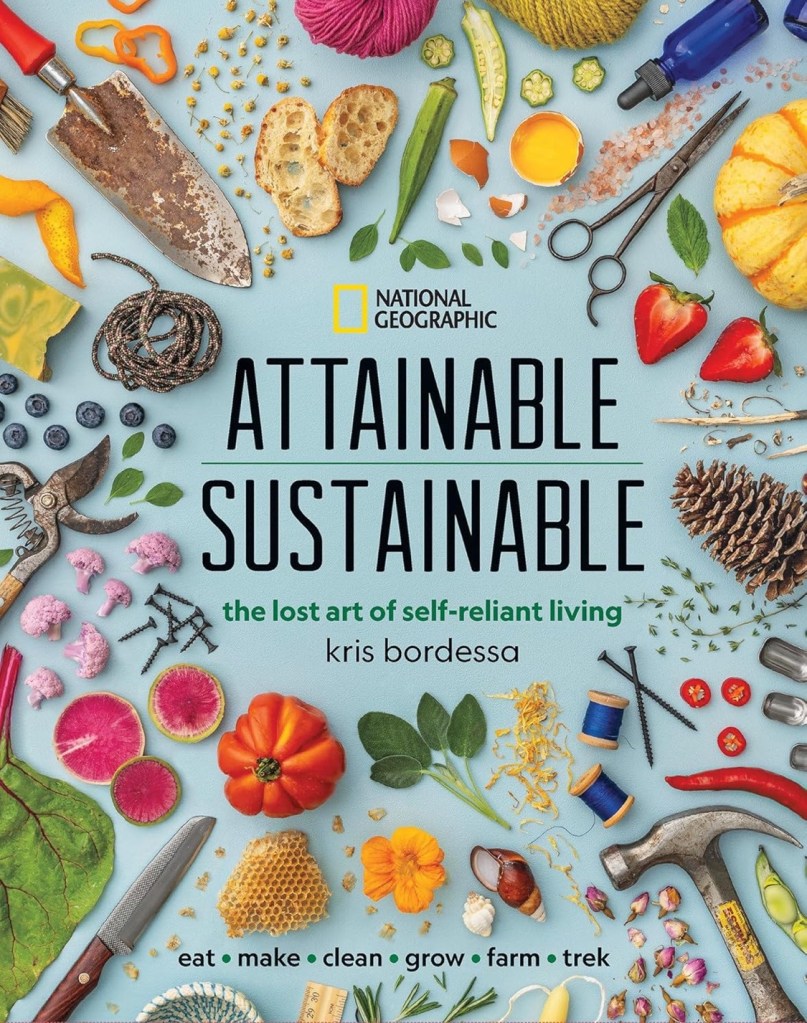
Attainable Sustainable: A Practical Guide to a More Self-Sufficient Life — Book Review

A practical, inspiring review of Attainable Sustainable, the essential guide to modern homesteading, self-sufficiency, and simple living for everyday people.

Amazon Link

Introduction

For anyone curious about homesteading, gardening, or living more intentionally, Attainable Sustainable by Kris Bordessa is one of the most accessible and inspiring guides available today. It blends old-world wisdom with modern practicality, showing that you don’t need acres of land or a full farm setup to build a more self-sufficient life. In this review, we’ll explore why this book has become a staple for aspiring homesteaders, urban gardeners, and anyone striving for a more mindful, sustainable lifestyle.

What the Book Is About

At its core, Attainable Sustainable is a giant, beautifully illustrated handbook focused on realistic ways to produce, preserve, and build more of what you use in daily life. It covers:

Growing your own food Natural home projects DIY household essentials Food preservation Eco-friendly living habits Simple sustainability practices for beginners

The book is structured so you can open to any section and immediately find a project or idea you can try that same day—no need for expensive equipment or large spaces.

Key Themes and Takeaways

1. Self-Reliance Made Simple

One of the biggest strengths of the book is its accessibility. Whether you live in a small apartment or have a big backyard, Bordessa’s approach shows that anyone can start taking steps toward a more independent lifestyle.

2. Food From Garden to Table

The gardening chapters are a highlight, offering clear guidance on:

Companion planting Soil health Growing herbs, vegetables, and fruit Small-space garden solutions

Her step-by-step advice makes gardening feel less intimidating, especially for beginners.

3. DIY Projects That Feel Doable

From homemade cleaners to simple woodworking tasks, the DIY sections are both instructive and inspiring. The instructions are easy to follow, and most projects use affordable, common materials.

4. Preservation & Food Storage

This is where the book shines for anyone wanting to reduce waste or rely less on grocery stores. Bordessa includes techniques like:

Canning Dehydrating Fermenting Freezing

It’s a one-stop reference that demystifies food preservation for people of all skill levels.

5. Sustainability as a Mindset

Beyond the practical guidance, Attainable Sustainable encourages readers to shift how they think—choosing reusable over disposable, intentional over impulsive, handmade over mass-produced. It’s sustainability that feels achievable rather than overwhelming.

Who This Book Is For

This book is ideal for:

Urban or suburban gardeners Beginners wanting a clear path into homesteading Eco-conscious households DIY hobbyists Families looking for hands-on projects Anyone pursuing a slower, more connected lifestyle

Even advanced gardeners or homesteaders will likely find new tips or inspiration.

Strengths of the Book

Highly visual with beautiful photography Clear instructions for novices Wide variety of topics covered in one place Encouraging tone that supports trial and error Practical, low-cost strategies

Areas Some Readers May Want More Depth

While the breadth is excellent, some readers may find they want deeper, more technical information in areas like advanced gardening or large-scale preservation. However, this is more a testament to how inspiring the book is—it makes you want to learn more.

Final Verdict

Attainable Sustainable is one of the most useful and beautiful sustainability guides available today. It’s packed with actionable steps, gorgeous visuals, and a warm, encouraging tone that makes homesteading feel possible for everyone—not just those with land or experience.

If you’re trying to live more intentionally, grow more of your own food, or reduce your dependence on store-bought goods, this book deserves a permanent spot on your shelf.

Conclusion

Living sustainably doesn’t require perfection—it just requires starting somewhere. Attainable Sustainable provides countless entry points for that journey. Whether you want to garden, craft, cook, or preserve, this book will give you the confidence and knowledge to begin.

What sustainable skills are you most excited to learn next?

Amazon Link

🔍 1984 by George Orwell: Summary, Meaning, and Why It Still Matters Today

Discover the timeless power of George Orwell’s 1984 — a chilling vision of a world ruled by surveillance, censorship, and lost freedom. This summary and analysis explore the novel’s plot, key themes, and why Orwell’s warning about truth and control still matters in today’s digital age.

Amazon link: 1984

If you’ve ever heard phrases like “Big Brother is watching you” or “doublethink,” you already know a little bit about George Orwell’s 1984 — even if you haven’t read it. Published in 1949, this dystopian novel imagines a future where truth, privacy, and individuality have been crushed by total government control. And more than 70 years later, its message still hits home.

📖 Quick Summary of 1984

Orwell sets 1984 in Oceania, one of three massive superstates locked in endless war. Society is ruled by the Party, led by the ever-present but possibly fictional Big Brother. Citizens are watched day and night through telescreens and microphones. Even thinking rebellious thoughts — called “thoughtcrime” — can get you killed.

Our main character, Winston Smith, works at the Ministry of Truth, where his job is to rewrite history to match whatever the Party claims is true. Deep down, Winston secretly despises the regime and dreams of finding real freedom.

💔 Love, Betrayal, and the Fight for Truth

Winston begins a secret love affair with Julia, a young woman who also hates the Party. Together, they rent a small apartment and believe they’ve found a place beyond Big Brother’s reach. But their happiness is short-lived — they’re betrayed, arrested by the Thought Police, and taken to the Ministry of Love.

There, Winston is tortured by O’Brien, a Party official who breaks his spirit, forcing him to betray Julia and accept the Party’s control. By the novel’s heartbreaking end, Winston is completely brainwashed and confesses that he “loves Big Brother.”

⚙️ Major Themes in 1984

🧠 1. Surveillance and Power

Orwell warns how surveillance can destroy personal freedom. In 1984, every action and emotion is monitored — a chilling reflection of modern concerns about technology and privacy.

🗣️ 2. Truth and Language

Through Newspeak — a simplified, restricted form of English — the Party controls how people think. If the language of rebellion doesn’t exist, rebellion itself becomes impossible.

🔓 3. Freedom and Resistance

Winston’s desire for truth and love shows the human spirit’s natural resistance to oppression. His failure reminds us how fragile freedom can be when fear and propaganda take over.

🌍 Why 1984 Still Matters Today

1984 isn’t just an old novel — it’s a timeless warning. In a world where misinformation spreads online, governments track data, and truth is constantly debated, Orwell’s story feels more relevant than ever.

Phrases like Big Brother, thoughtcrime, and doublethink have become part of everyday language because they reflect real dangers we still face today.

🕯️ Final Thoughts

Orwell didn’t write 1984 to predict the future — he wrote it to prevent it. The novel challenges us to stay alert, think critically, and protect truth in a world that often distorts it.

As long as we remember the lessons of 1984, there’s hope that Big Brother will remain fiction — not reality.

Amazon link: 1984

🧠 The Psychology of Money by Morgan Housel — Complete Chapter-by-Chapter Summary

Discover the key lessons from Morgan Housel’s The Psychology of Money, summarized chapter by chapter. Learn how mindset, behavior, and emotion shape financial success more than intelligence ever could.

Amazon Link

Introduction

Money is not purely mathematical — it’s emotional. In The Psychology of Money, Morgan Housel explains how our beliefs, experiences, and habits influence financial decisions far more than logic or formulas ever do.

In this summary, you’ll find a clear, chapter-by-chapter breakdown of the book’s key lessons — perfect for anyone who wants to understand wealth, success, and the psychology behind money.

💡 “Doing well with money has little to do with how smart you are and a lot to do with how you behave.” — Morgan Housel

📖 Chapter-by-Chapter Summary

Chapter 1: No One’s Crazy

Everyone has a personal money story shaped by their background. What seems “crazy” to one person can feel completely reasonable to another. Understanding this helps us judge less and empathize more.

Takeaway: Our financial behaviors are products of our experiences — not universal logic.

Chapter 2: Luck & Risk

Success often depends on both skill and luck. Bill Gates’ access to one of the only computers in the 1970s was pure chance. Others, equally skilled, never had that opportunity.

Takeaway: Don’t judge outcomes without considering the invisible role of luck and risk.

Chapter 3: Never Enough

When is enough truly enough? Housel shows how greed leads even the wealthy to lose everything chasing “more.”

Takeaway: Define your own version of “enough.” Wealth without contentment is poverty in disguise.

Chapter 4: Confounding Compounding

Compounding looks slow — until it explodes. Warren Buffett made over 90% of his fortune after age 60.

Takeaway: Time is the most powerful force in finance. Be patient and let compounding work.

Chapter 5: Getting Wealthy vs. Staying Wealthy

Getting rich takes risk. Staying rich takes humility and fear of loss.

Takeaway: The key to long-term wealth is survival. Avoid ruin at all costs.

Chapter 6: Tails, You Win

A few big successes drive most financial results. You don’t have to be right often — just occasionally, and by a lot.

Takeaway: Most outcomes come from rare “tail events.” Stay in the game long enough to catch one.

Chapter 7: Freedom

True wealth is the freedom to control your time. It’s the power to choose how you spend your days.

Takeaway: Money buys happiness only when it buys independence.

Chapter 8: Man in the Car Paradox

People admire the car, not the driver. Expensive purchases rarely earn admiration — only attention.

Takeaway: The more you try to impress others with money, the less they actually admire you.

Chapter 9: Wealth Is What You Don’t See

Visible wealth (cars, houses, vacations) is often just spending. Real wealth is hidden — savings, investments, and financial security.

Takeaway: The richest people are often the least flashy.

Chapter 10: Save Money

You don’t need a specific reason to save. Savings equal flexibility, freedom, and resilience.

Takeaway: Save because the future is uncertain — not because you know what’s coming.

Chapter 11: Reasonable > Rational

Perfectly rational decisions often fail because humans aren’t robots. Be reasonable instead — choose strategies you can actually stick with.

Takeaway: A good plan you follow beats a perfect plan you abandon.

Chapter 12: Surprise!

Most big financial events are surprises — wars, recessions, pandemics, crashes. Since prediction fails, prepare instead.

Takeaway: Build a plan that can survive being wrong.

Chapter 13: Room for Error

A margin of safety keeps you alive during downturns. Overconfidence destroys more wealth than bad luck ever will.

Takeaway: Always leave room for mistakes.

Chapter 14: You’ll Change

What you want now may not be what you’ll want in ten years. Be flexible.

Takeaway: Don’t lock yourself into long-term goals that your future self might not want.

Chapter 15: Nothing’s Free

Every investment has a cost — stress, volatility, patience. Those are the real “fees” of success.

Takeaway: You can’t avoid risk; you can only choose which risks you’re willing to pay for.

Chapter 16: You & Me

Investors play different games. Day traders, retirees, and long-term investors have different goals — so their strategies should differ too.

Takeaway: Know which financial game you’re playing — and ignore advice meant for others.

Chapter 17: The Seduction of Pessimism

Pessimism sounds smart, optimism sounds naive — but history favors optimists.

Takeaway: Believe in progress. Problems get solved more often than not.

Chapter 18: When You’ll Believe Anything

During fear or greed, people believe anything that justifies their feelings. Crashes and bubbles happen when stories replace logic.

Takeaway: Be skeptical of “can’t lose” narratives.

Chapter 19: All Together Now

Housel summarizes key lessons:

Save more than you think you should. Plan for surprises. Be patient. Respect luck. Stay humble.

Takeaway: Wealth is built on consistency, humility, and endurance.

Chapter 20: Confessions

Housel ends with his personal money philosophy — he values independence over luxury and peace of mind over prestige.

Takeaway: Money is a tool for freedom, not for status.

💰 Final Thoughts

The Psychology of Money isn’t about getting rich fast — it’s about understanding why we behave the way we do with money. The most important skill in finance isn’t intelligence; it’s emotional control.

“The highest form of wealth is the ability to wake up and say, ‘I can do whatever I want today.’”

If you remember one thing from this book, let it be this: financial success is not about being brilliant — it’s about being consistent, patient, and self-aware.

🌀 The Tao Te Ching: History and Analysis of an Ancient Masterpiece

Explore the Tao Te Ching by Laozi — an ancient guide to harmony, balance, and effortless living through Taoist philosophy.

Published on Substratum

Known as the wisest book ever written. It is said that you could read it in an afternoon, but you could study it for a lifetime.

🌿 Introduction

Few works of philosophy have influenced as many people for as long as the Tao Te Ching. Written over 2,500 years ago, this brief yet profound text continues to shape Eastern and Western thought alike. Its poetic reflections on balance, humility, and harmony have inspired leaders, artists, spiritual seekers, and scholars across centuries.

In this article, we’ll explore the history, authorship, and key ideas of the Tao Te Ching — and why its wisdom remains timeless.

📜 Origins and Authorship

The Tao Te Ching (道德經) — translated roughly as “The Classic of the Way and Virtue” — is traditionally attributed to Laozi (Lao Tzu), a semi-mythical philosopher thought to have lived in the 6th century BCE.

According to legend, Laozi served as a record keeper in the Zhou Dynasty court. Disillusioned by corruption and social decline, he decided to leave China, but before departing, a border guard named Yinxi recognized him and asked for his wisdom. Laozi then composed the Tao Te Ching — about 5,000 Chinese characters — and disappeared into the west.

While this story is likely apocryphal, the text itself emerged from early Daoist (Taoist) traditions that sought to align human life with the natural order of the universe. Scholars now believe the Tao Te Ching was compiled gradually between the 4th and 3rd centuries BCE, reflecting layers of oral wisdom and poetic thought.

📚 The Meaning of “Tao” and “Te”

Tao (道) means the Way — not just a path, but the fundamental order and flow of the universe. It is the source of all things, yet it cannot be defined or named. Te (德) means virtue or power — the manifestation of the Tao in the world through one’s actions, character, and alignment with nature.

Together, “Tao Te Ching” can be translated as “The Book of the Way and Its Virtue.”

🧘‍♂️ Key Themes and Philosophical Ideas

1. Wu Wei (無為): Effortless Action

One of the central ideas of the Tao Te Ching is wu wei, or “non-action.” This doesn’t mean doing nothing, but rather acting in harmony with the natural flow of things. True wisdom and effectiveness arise when one stops forcing outcomes and allows life to unfold naturally.

“The Tao never does anything, yet through it all things are done.” — Chapter 37

2. Simplicity and Humility

The text emphasizes simplicity, humility, and modesty as paths to peace and strength. The sage leads not through dominance, but by serving others and staying connected to the natural rhythm of life.

“The highest good is like water. Water benefits all things and does not compete.” — Chapter 8

3. Relativity and Paradox

The Tao Te Ching often uses paradox to challenge rigid thinking. Good and bad, strong and weak, high and low — these opposites define each other and cannot exist independently.

“When people see some things as beautiful, other things become ugly. When people see some things as good, other things become bad.” — Chapter 2

4. Return to the Source

A recurring theme is the return to one’s original nature — simplicity, stillness, and unity with the Tao. In this return, one finds peace beyond the turmoil of desire and ambition.

🪶 Structure and Style

The Tao Te Ching contains 81 short chapters, written in rhythmic, poetic form. The text blends mysticism, political philosophy, and personal ethics. Because classical Chinese is highly compact and ambiguous, translations vary widely — each revealing new shades of meaning.

Notable translators include Stephen Mitchell, D.C. Lau, Gia-Fu Feng & Jane English, and Jonathan Star, among others. Some emphasize poetic flow, while others focus on linguistic accuracy or philosophical clarity.

🌏 Influence Across Cultures

The Tao Te Ching has profoundly shaped Daoism, Confucianism, Chinese Buddhism, and even modern psychology and leadership theory.

Its ideas influenced Zen Buddhism in Japan, transcendentalism in the West, and even contemporary mindfulness movements. Thinkers like Alan Watts, Carl Jung, and Thomas Merton all drew on its insights into balance, paradox, and the nature of being.

💡 Modern Relevance

In an age of overwork, information overload, and environmental crisis, the Tao Te Ching offers a refreshing antidote. Its wisdom reminds us that strength lies in gentleness, and clarity in stillness.

Learning to flow with life rather than fight against it can lead to greater peace, creativity, and harmony — both within ourselves and with the world around us.

✨ Conclusion

The Tao Te Ching is more than a book — it’s a mirror for the mind. Each time you read it, its meaning changes, reflecting your state of being.

Its message is subtle yet universal: when we let go of control and return to simplicity, we rediscover the profound order of the Tao — the Way that flows through all things.

📖 Recommended Reading

Tao Te Ching — translated by Stephen Mitchell

The Tao of Pooh — by Benjamin Hoff

The Wisdom of Insecurity — by Alan Watts

Living the Wisdom of the Tao — Dr. Wayne Dyer

Sapiens: A Brief History of Human Kind (Book Summary)

Amazon link: Sapiens

Part I: The Cognitive Revolution

(c. 70,000 – 30,000 years ago)

Chapter 1 – An Animal of No Significance

About 13.5 billion years after the Big Bang, humans appear — one species among many. 100,000 years ago, at least six human species (including Neanderthals) existed. Homo sapiens were not the strongest, but they became the most successful due to intelligence and social cooperation.

Chapter 2 – The Tree of Knowledge

Around 70,000 years ago, the Cognitive Revolution began. Humans developed complex language, myths, and imagination. This allowed large-scale cooperation — a key advantage over other species.

Chapter 3 – A Day in the Life of Adam and Eve

Examines hunter-gatherer societies before agriculture. They lived healthier and often more balanced lives than later farmers. Early humans had intimate knowledge of nature and flexible social structures.

Chapter 4 – The Flood

Humans spread worldwide and caused mass extinctions of megafauna. This chapter highlights our early ecological impact and adaptability.

🌾 Part II: The Agricultural Revolution

(c. 10,000 years ago)

Chapter 5 – History’s Biggest Fraud

Agriculture changed human life drastically — more food, but worse individual lives. People became tied to land and repetitive labor. Harari calls it a “luxury trap” — food surpluses led to population booms but not more happiness.

Chapter 6 – Building Pyramids

Agriculture led to permanent settlements and complex social hierarchies. Shared myths (religion, kingship, laws) united large groups of strangers. Harari introduces the idea of “imagined orders” — belief systems that exist only because people believe in them.

Chapter 7 – Memory Overload

Writing was invented to manage growing administrative complexity. Early scripts tracked crops, taxes, and debts — not literature. Writing made collective memory possible and enabled bureaucracies.

Chapter 8 – There Is No Justice in History

Hierarchies (class, gender, race, caste) developed to maintain order. These systems persist through imagined legitimacy rather than biological necessity.

🌍 Part III: The Unification of Humankind

(last few thousand years)

Chapter 9 – The Arrow of History

Human societies gradually unified under larger political and economic systems. Three main forces drive unification: money, empires, and religion.

Chapter 10 – The Scent of Money

Money is the purest form of mutual trust — it allows cooperation without personal relationships. Unlike religion or politics, money crosses all cultures.

Chapter 11 – Imperial Visions

Empires spread ideas, technologies, and trade — often violently, but also by blending cultures. Harari treats empires as both destructive and creative forces.

Chapter 12 – The Law of Religion

Religions evolved to justify social and political orders. Polytheism gave way to monotheism, and later to humanism and secular ideologies.

Chapter 13 – The Secret of Success

Cultural evolution favors systems that increase cooperation and adaptability. Shared myths that promote unity — not truth — tend to survive.

⚙️ Part IV: The Scientific Revolution

(since 1500 CE)

Chapter 14 – The Discovery of Ignorance

Around 1500, people began admitting ignorance and seeking knowledge. Science flourished because humans valued what they didn’t know. Harari links science with empire and capitalism — exploration funded by conquest and profit.

Chapter 15 – The Marriage of Science and Empire

Scientific exploration served imperial expansion (e.g., navigation, mapping). Empires, in turn, funded scientific discovery — a self-reinforcing cycle.

Chapter 16 – The Capitalist Creed

Capitalism relies on credit and trust in future growth. Entrepreneurs and investors became new world builders. Capitalism and science accelerated global transformation.

Chapter 17 – The Wheels of Industry

The Industrial Revolution reshaped everything — production, energy, transportation. Harari calls it an ecological and social upheaval. Consumerism replaced religion as a source of meaning for many.

Chapter 18 – A Permanent Revolution

Modernity is defined by constant change and restlessness. Traditional values erode as economies and technologies evolve rapidly.

Chapter 19 – And They Lived Happily Ever After

Explores whether humans are happier today. Despite comfort and longevity, happiness has not improved proportionally. Mental distress and alienation remain widespread.

Chapter 20 – The End of Homo Sapiens

Humanity is on the brink of biological redesign — through genetic engineering, AI, and biotechnology. We may evolve into post-human beings. Harari ends with a profound question: “What do we want to want?”

🧭 Final Takeaway

Harari’s overarching message:

Human history is the story of how shared fictions — religion, money, nations, human rights — allowed us to cooperate, dominate, and now potentially transcend our biology.

But whether that makes us happier or wiser remains uncertain.

Amazon link: Sapiens