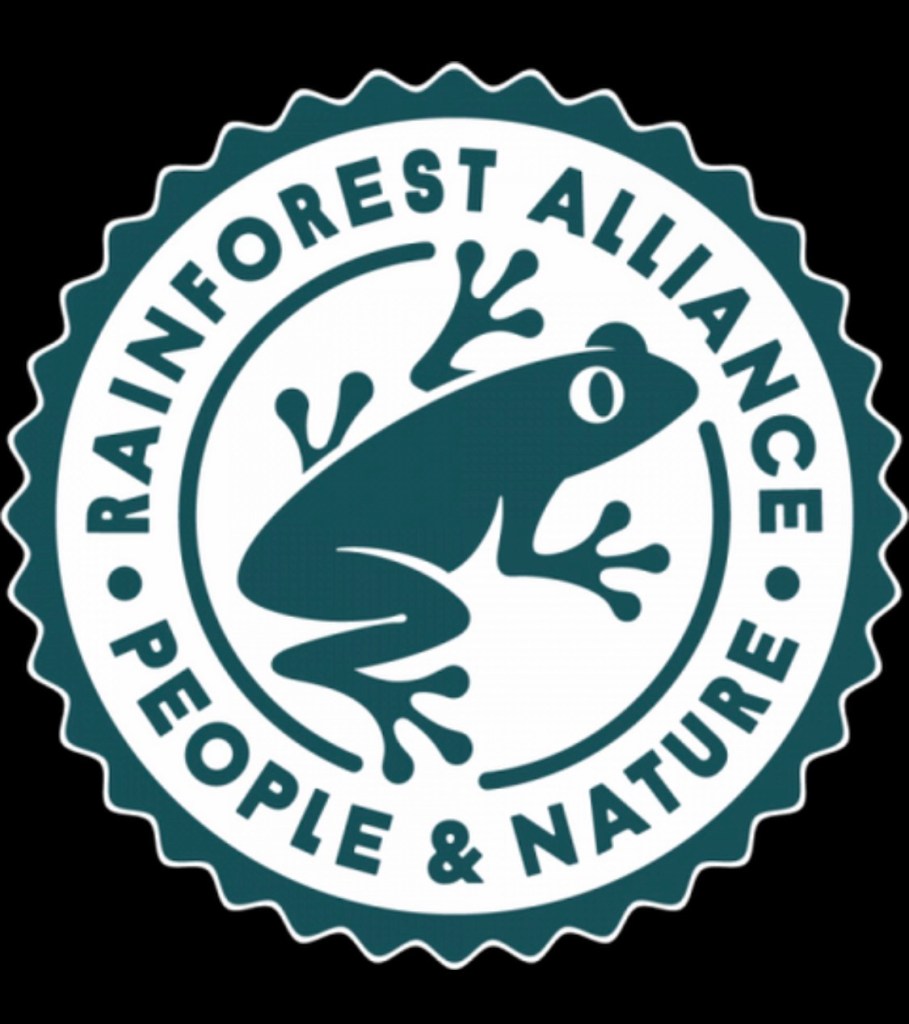
You’ve probably seen the little green frog on coffee, chocolate, or bananas—but what does it actually mean? In a world where “eco-friendly” labels are everywhere and greenwashing is common, understanding which certifications genuinely matter has become a form of modern mindfulness. The Rainforest Alliance is one of the most visible sustainability organizations in the world, but its importance goes far beyond a logo. This article explores what the Rainforest Alliance is, how it works, and why it plays a meaningful—if imperfect—role in protecting ecosystems, workers, and the long-term health of our food systems.
What Is the Rainforest Alliance?
The Rainforest Alliance is an international nonprofit organization founded in 1987 with a mission to protect forests, improve rural livelihoods, and promote sustainable land use.
Rather than focusing only on conservation in isolation, the Rainforest Alliance works at the intersection of:
Environmental protection Social justice for workers and farmers Economic sustainability for producers
Their core belief is practical: forests won’t survive unless the people who depend on them can also survive.
How the Rainforest Alliance Works
Certification as a Tool, Not a Goal
The Rainforest Alliance is best known for its certification program, which applies to farms, forests, and supply chains. Certification is not about perfection—it’s about continuous improvement.
To earn certification, producers must meet standards related to:
Environmental protection Preventing deforestation Protecting biodiversity and wildlife habitat Conserving water and soil health Social responsibility Prohibiting child labor and forced labor Improving workplace safety Respecting workers’ rights Economic resilience Improving farm productivity Reducing long-term climate risk Supporting farmer training and knowledge
Independent auditors verify compliance, and standards are updated regularly based on new science and feedback.
The Frog Seal Explained
The Rainforest Alliance’s green frog seal is intentionally symbolic. Frogs are considered indicator species—their health reflects the health of entire ecosystems.
When you see the frog seal, it means:
Ingredients were sourced from certified farms or forests Environmental and labor standards were applied The supply chain met traceability requirements
It does not mean the product is carbon-neutral, perfectly ethical, or immune from global market pressures—but it does indicate a higher baseline of responsibility than conventional production.
Why the Rainforest Alliance Is Important
1. It Protects Forests Where It Counts
Agriculture is the leading driver of global deforestation. Rainforest Alliance certification directly targets this problem by:
Requiring zero deforestation in certified areas Encouraging shade-grown and agroforestry systems Supporting land-use planning that preserves ecosystems
Instead of separating “nature” and “food,” the model integrates them.
2. It Improves Conditions for Farmers and Workers
Many smallholder farmers live in poverty despite producing global commodities. The Rainforest Alliance:
Provides training in sustainable farming practices Improves safety standards and labor protections Helps farmers adapt to climate change
While it doesn’t guarantee wealth, it reduces vulnerability—and that matters in a warming world.
3. It Addresses Climate Change Practically
Rather than abstract climate pledges, the Rainforest Alliance focuses on:
Climate-smart agriculture Soil carbon retention Reduced chemical dependency Resilient crop systems
These are quiet, unglamorous changes—but they scale.
4. It Creates Accountability in Supply Chains
Large corporations dominate global food systems. Rainforest Alliance certification:
Forces transparency Applies third-party verification Makes sustainability measurable rather than symbolic
It’s not anti-capitalist—but it does apply pressure where consumers alone cannot.
Common Criticisms (and Why They Matter)
Mindful consumption means understanding limitations, not ignoring them.
“Certification Doesn’t Fix Everything”
True. Certification cannot solve:
Global inequality Commodity price volatility Structural poverty
But it can improve conditions within those constraints.
“Standards Aren’t Enforced Everywhere”
Enforcement quality varies by region. This is a valid concern—and one the organization openly acknowledges by revising audit systems and grievance mechanisms.
“Farmers Don’t Always Earn More”
Rainforest Alliance certification focuses on conditions and resilience, not guaranteed price premiums (unlike Fair Trade). This makes it more scalable, but also more incremental.
Rainforest Alliance vs Other Labels
USDA Organic → Focuses on chemical inputs, not labor Fair Trade → Focuses on pricing and premiums, less on ecosystems Rainforest Alliance → Focuses on whole systems: land, labor, climate
No single label is sufficient. Together, they form a partial map—not a destination.
Practical Takeaways for Everyday Life
If you’re trying to live more intentionally without becoming overwhelmed:
Use Rainforest Alliance as a baseline, not a badge of moral purity Prioritize it for high-impact products: Coffee Chocolate Tea Bananas Combine certification awareness with: Reduced consumption Local sourcing when possible Curiosity about supply chains
Mindfulness isn’t about buying the “right” thing—it’s about paying attention.
If this kind of clarity helps you navigate everyday decisions with less noise and more intention, consider subscribing to the Mindful Explorer newsletter—quiet insights for curious minds.















 Mindful Explorer