7 Stress Relieving Activities That Actually Calm Your Mind

Discover 7 science-backed stress relieving activities that calm your nervous system, improve focus, and help you feel grounded in daily life.

You don’t need another productivity hack.

You need your nervous system to settle.

Stress isn’t just a feeling—it’s a biological state. Your heart rate shifts. Your breathing tightens. Your attention narrows. Over time, chronic stress quietly reshapes your mood, focus, digestion, sleep, and even decision-making.

The good news? Your body already knows how to calm itself.

In this article, we’ll explore stress relieving activities that actually work, why they work, and how to integrate them into real life—whether you’re teaching, working, parenting, or juggling too many tabs in your mind.

1. Slow Breathing (The 4–6 Reset)

When stress rises, breathing becomes shallow and fast.

If you slow your breath, your nervous system follows.

Try this:

Inhale for 4 seconds Exhale for 6 seconds Repeat for 3–5 minutes

Longer exhales activate the parasympathetic nervous system—the “rest and digest” mode.

Research consistently shows that slow breathing:

Lowers heart rate Reduces cortisol Improves emotional regulation

This is one of the simplest tools you can use between classes, before a meeting, or before sleep.

2. Walking in Nature (Even 15 Minutes Counts)

Nature is not just “nice.” It is neurologically restorative.

Studies on attention restoration theory show that natural environments:

Reduce mental fatigue Improve working memory Lower rumination

Even 15–20 minutes in a park can reduce stress markers.

If you’re balancing teaching, music work, or job searching, try:

A short walk after lunch Grading papers outside Practicing guitar near an open window with natural light

For more on this, see:

[Internal link: How Nature Improves Mental Health]

3. Strength Training (Regulated Stress)

This might surprise you.

Exercise doesn’t eliminate stress—it teaches your body to handle it better.

Strength training:

Improves stress resilience Enhances mood via endorphins Builds long-term metabolic stability

If your goals include mobility, strength, and general health (as many of ours do), this is not just fitness—it’s nervous system training.

Start simple:

2–3 sessions per week Compound movements (squats, pushups, rows) Moderate intensity

The key is consistency, not exhaustion.

4. Creative Flow (Music, Writing, Art)

When you enter creative flow, the stress loop quiets.

Flow states:

Reduce self-referential thinking Improve dopamine balance Increase meaning and motivation

For musicians, this might be:

Playing repertoire slowly and intentionally Improvising without judgment Writing a short musical idea daily

For non-musicians:

Journaling Sketching Cooking something new

If creativity feels “unproductive,” remember: restoration is productive.

Related read:

[Internal link: Why Creative Practice Improves Mental Health]

5. Reducing Digital Overload

Not all stress comes from workload.

Some comes from fragmentation.

Excessive scrolling and constant notifications:

Disrupt dopamine regulation Increase anxiety Decrease sustained attention

Try:

Phone in another room during deep work No scrolling 30 minutes before bed One tech-free evening per week

If you’ve ever wondered about the cognitive effects of constant scrolling, we explore that here:

[Internal link: Does Excessive Smartphone Use Affect Your Brain?]

6. Social Connection Without Alcohol

Many social spaces revolve around drinking. But alcohol often increases next-day anxiety.

Alternative stress-relieving social ideas:

Board game nights Group hikes Open mic nights Book clubs Volunteer events

Connection regulates the nervous system. Isolation amplifies stress.

The key isn’t more people. It’s safe, meaningful interaction.

7. Sleep Protection (The Quiet Foundation)

No strategy works if sleep collapses.

Chronic stress and poor sleep reinforce each other. Protecting sleep means:

Consistent bedtime Dark, cool room No intense news or emails late at night A 10-minute wind-down ritual

Think of sleep not as leftover time—but as neurological maintenance.

For more on sleep, read our article on Lucid Dreaming

Practical Weekly Stress Reset Plan

If you prefer structure, try this simple rhythm:

Daily

3–5 minutes slow breathing 10–20 minutes movement Reduce evening scrolling

Weekly

2 strength sessions 1 longer nature walk 1 creative session purely for enjoyment

Nothing extreme. Just steady.

The Deeper Truth About Stress

Stress isn’t always the enemy.

It becomes harmful when:

It’s constant It lacks recovery It feels meaningless

The goal isn’t to eliminate stress.

It’s to build recovery into your life.

That’s how resilience forms—not from intensity, but from rhythm.

The Healing Power of Tai Chi: How Slow Movement Transforms Health

Tai Chi is a gentle, mindful practice that strengthens the body, calms the mind, and improves balance, flexibility, and overall well-being. Discover how this ancient art can enhance your health at any age.

What Is Tai Chi?

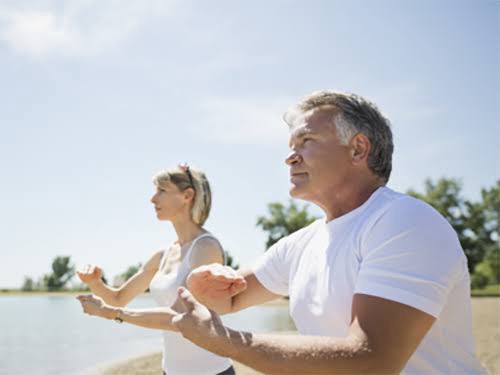
Tai Chi (also spelled Taiji or Tai Chi Chuan) is an ancient Chinese martial art rooted in Taoist philosophy. Known for its graceful, flowing movements, Tai Chi combines meditation, balance, and breath control to harmonize the mind and body.

Often described as “meditation in motion,” it emphasizes inner awareness rather than outward strength. Though it began as a martial discipline, Tai Chi is now practiced worldwide as a gentle form of exercise and mindfulness suitable for all ages.

1. Improves Balance and Coordination

One of Tai Chi’s most celebrated benefits is its ability to enhance balance. By shifting weight slowly and intentionally through controlled postures, practitioners develop:

Stronger leg muscles and core stability Improved coordination and body awareness Reduced risk of falls, especially in older adults

Research shows that consistent Tai Chi practice can significantly lower fall rates among seniors, making it a cornerstone of healthy aging.

2. Reduces Stress and Anxiety

Tai Chi’s rhythmic, mindful movements promote a state of calm focus, similar to meditation. Controlled breathing lowers cortisol levels, while the emphasis on present-moment awareness helps release mental tension.

Many practitioners report:

Better mood regulation Reduced anxiety and depression Deeper emotional resilience

Practicing Tai Chi even 10–15 minutes daily can bring noticeable changes in mental clarity and peace.

3. Enhances Cardiovascular and Respiratory Health

Although it appears gentle, Tai Chi engages nearly every muscle group and encourages deep, controlled breathing, improving oxygen flow and circulation. Over time, this can:

Strengthen the heart and lungs Lower blood pressure Improve endurance and energy levels

Studies have found Tai Chi beneficial for people managing hypertension, heart disease, and chronic respiratory issues.

4. Builds Strength Without Strain

Unlike high-impact workouts, Tai Chi develops functional strength through fluid resistance rather than force. Movements engage the legs, hips, arms, and core, enhancing muscle tone without overexertion or joint stress.

This makes it ideal for:

Older adults Individuals recovering from injuries People with arthritis or chronic pain

5. Improves Flexibility and Joint Health

The gentle, circular motions of Tai Chi encourage joint mobility and connective tissue flexibility. With regular practice, stiffness decreases, and range of motion improves.

It’s particularly effective for those managing conditions like fibromyalgia or osteoarthritis, helping reduce pain and inflammation naturally.

6. Strengthens the Immune System

Tai Chi may boost immune response by lowering stress hormones and improving circulation of white blood cells. One study found that older adults who practiced Tai Chi regularly showed higher antibody levels and fewer respiratory infections compared to non-practitioners.

7. Supports Cognitive and Emotional Health

Tai Chi requires focus, memory, and coordination — all of which stimulate neural plasticity and brain health. Regular practitioners often experience:

Sharper attention and memory Slower age-related cognitive decline A deeper sense of mindfulness and self-awareness

8. Encourages Mind-Body Harmony

Perhaps Tai Chi’s greatest gift is inner balance — the harmony between physical movement, breath, and thought. It embodies the Taoist principle of yin and yang, reminding us to move through life with both strength and softness.

Practicing Tai Chi nurtures not only the body, but also the spirit of patience, presence, and peace.

Getting Started with Tai Chi

You don’t need special equipment or a gym — just comfortable clothing and an open mind. Start with:

Local classes or community park groups Online tutorials for beginners A simple daily goal of 10 minutes of mindful movement

Remember: Tai Chi is less about perfection and more about consistency and awareness.

Final Thoughts

Tai Chi is more than an exercise — it’s a way of life that promotes health, longevity, and inner tranquility. Whether you seek physical vitality, emotional healing, or mental clarity, its slow, flowing movements offer a timeless path to well-being.

So the next time you step outside, pause, breathe deeply, and let the world move in harmony with you.

Have you tried it yet?