7 Stress Relieving Activities That Actually Calm Your Mind

Discover 7 science-backed stress relieving activities that calm your nervous system, improve focus, and help you feel grounded in daily life.

You don’t need another productivity hack.

You need your nervous system to settle.

Stress isn’t just a feeling—it’s a biological state. Your heart rate shifts. Your breathing tightens. Your attention narrows. Over time, chronic stress quietly reshapes your mood, focus, digestion, sleep, and even decision-making.

The good news? Your body already knows how to calm itself.

In this article, we’ll explore stress relieving activities that actually work, why they work, and how to integrate them into real life—whether you’re teaching, working, parenting, or juggling too many tabs in your mind.

1. Slow Breathing (The 4–6 Reset)

When stress rises, breathing becomes shallow and fast.

If you slow your breath, your nervous system follows.

Try this:

Inhale for 4 seconds Exhale for 6 seconds Repeat for 3–5 minutes

Longer exhales activate the parasympathetic nervous system—the “rest and digest” mode.

Research consistently shows that slow breathing:

Lowers heart rate Reduces cortisol Improves emotional regulation

This is one of the simplest tools you can use between classes, before a meeting, or before sleep.

2. Walking in Nature (Even 15 Minutes Counts)

Nature is not just “nice.” It is neurologically restorative.

Studies on attention restoration theory show that natural environments:

Reduce mental fatigue Improve working memory Lower rumination

Even 15–20 minutes in a park can reduce stress markers.

If you’re balancing teaching, music work, or job searching, try:

A short walk after lunch Grading papers outside Practicing guitar near an open window with natural light

For more on this, see:

[Internal link: How Nature Improves Mental Health]

3. Strength Training (Regulated Stress)

This might surprise you.

Exercise doesn’t eliminate stress—it teaches your body to handle it better.

Strength training:

Improves stress resilience Enhances mood via endorphins Builds long-term metabolic stability

If your goals include mobility, strength, and general health (as many of ours do), this is not just fitness—it’s nervous system training.

Start simple:

2–3 sessions per week Compound movements (squats, pushups, rows) Moderate intensity

The key is consistency, not exhaustion.

4. Creative Flow (Music, Writing, Art)

When you enter creative flow, the stress loop quiets.

Flow states:

Reduce self-referential thinking Improve dopamine balance Increase meaning and motivation

For musicians, this might be:

Playing repertoire slowly and intentionally Improvising without judgment Writing a short musical idea daily

For non-musicians:

Journaling Sketching Cooking something new

If creativity feels “unproductive,” remember: restoration is productive.

Related read:

[Internal link: Why Creative Practice Improves Mental Health]

5. Reducing Digital Overload

Not all stress comes from workload.

Some comes from fragmentation.

Excessive scrolling and constant notifications:

Disrupt dopamine regulation Increase anxiety Decrease sustained attention

Try:

Phone in another room during deep work No scrolling 30 minutes before bed One tech-free evening per week

If you’ve ever wondered about the cognitive effects of constant scrolling, we explore that here:

[Internal link: Does Excessive Smartphone Use Affect Your Brain?]

6. Social Connection Without Alcohol

Many social spaces revolve around drinking. But alcohol often increases next-day anxiety.

Alternative stress-relieving social ideas:

Board game nights Group hikes Open mic nights Book clubs Volunteer events

Connection regulates the nervous system. Isolation amplifies stress.

The key isn’t more people. It’s safe, meaningful interaction.

7. Sleep Protection (The Quiet Foundation)

No strategy works if sleep collapses.

Chronic stress and poor sleep reinforce each other. Protecting sleep means:

Consistent bedtime Dark, cool room No intense news or emails late at night A 10-minute wind-down ritual

Think of sleep not as leftover time—but as neurological maintenance.

For more on sleep, read our article on Lucid Dreaming

Practical Weekly Stress Reset Plan

If you prefer structure, try this simple rhythm:

Daily

3–5 minutes slow breathing 10–20 minutes movement Reduce evening scrolling

Weekly

2 strength sessions 1 longer nature walk 1 creative session purely for enjoyment

Nothing extreme. Just steady.

The Deeper Truth About Stress

Stress isn’t always the enemy.

It becomes harmful when:

It’s constant It lacks recovery It feels meaningless

The goal isn’t to eliminate stress.

It’s to build recovery into your life.

That’s how resilience forms—not from intensity, but from rhythm.
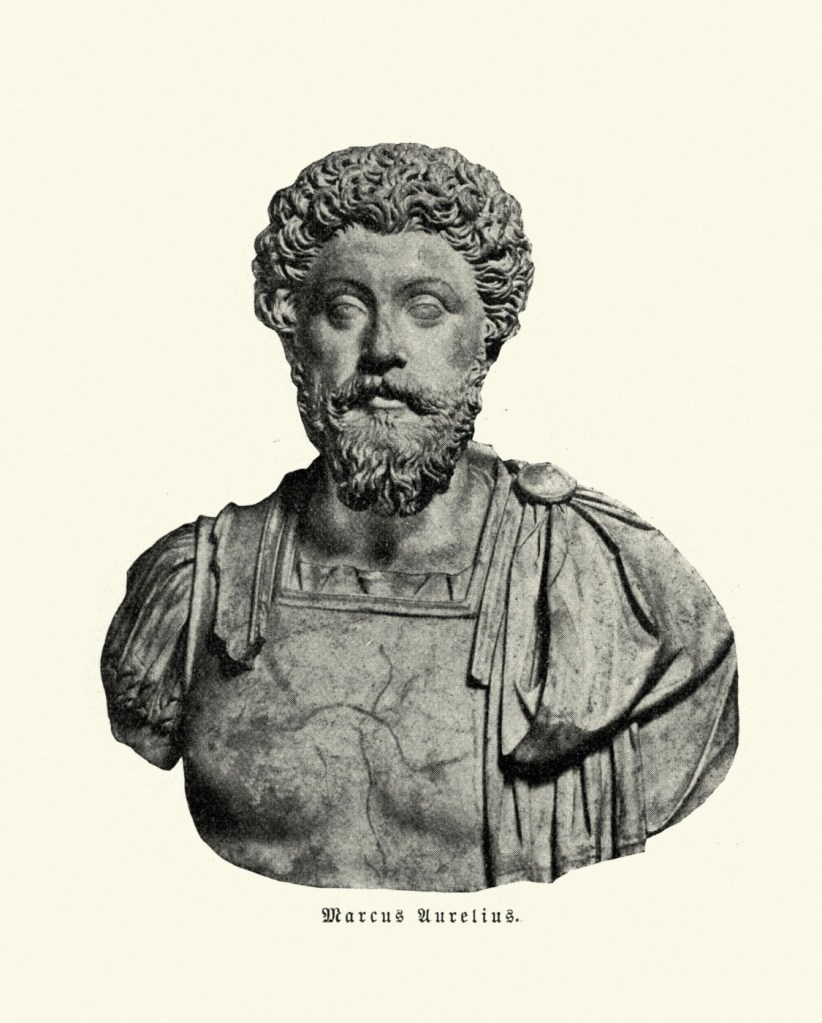
Marcus Aurelius: Stoic Wisdom for a Noisy Modern World

Explore Marcus Aurelius’ Stoic philosophy and how his quiet wisdom helps modern readers build resilience, clarity, and inner peace.

If you’ve ever felt overwhelmed by noise—notifications, opinions, constant urgency—you’re not alone. Two thousand years ago, a Roman emperor faced war, plague, betrayal, and political pressure on a scale most of us can’t imagine. And yet, he wrote reminders to himself about patience, humility, and inner calm.

That man was Marcus Aurelius.

What makes Marcus Aurelius extraordinary isn’t just that he ruled an empire. It’s that he used philosophy not to escape responsibility, but to meet it with steadiness. His private journal, later published as Meditations, has become one of the most enduring guides to mindful living—precisely because it was never meant to impress anyone.

This article explores who Marcus Aurelius was, what he believed, and why his Stoic wisdom still matters in the modern world.

Who Was Marcus Aurelius?

Marcus Aurelius Antoninus (121–180 CE) was the last of Rome’s “Five Good Emperors.” He ruled during a turbulent period marked by military conflict, economic strain, and the Antonine Plague.

Despite his power, Marcus never saw himself as exceptional.

He was:

A reluctant ruler rather than a glory-seeker A student of philosophy before a politician A deeply reflective person living in an unreflective world

Unlike many philosophers, Marcus did not write abstract treatises. Meditations is a collection of personal notes—self-reminders written during military campaigns, often at night, in tents near the front lines.

That intimacy is what gives the text its power.

Stoicism in Plain Language

Stoicism is often misunderstood as emotional suppression. In reality, it’s about emotional clarity.

At its core, Stoicism teaches:

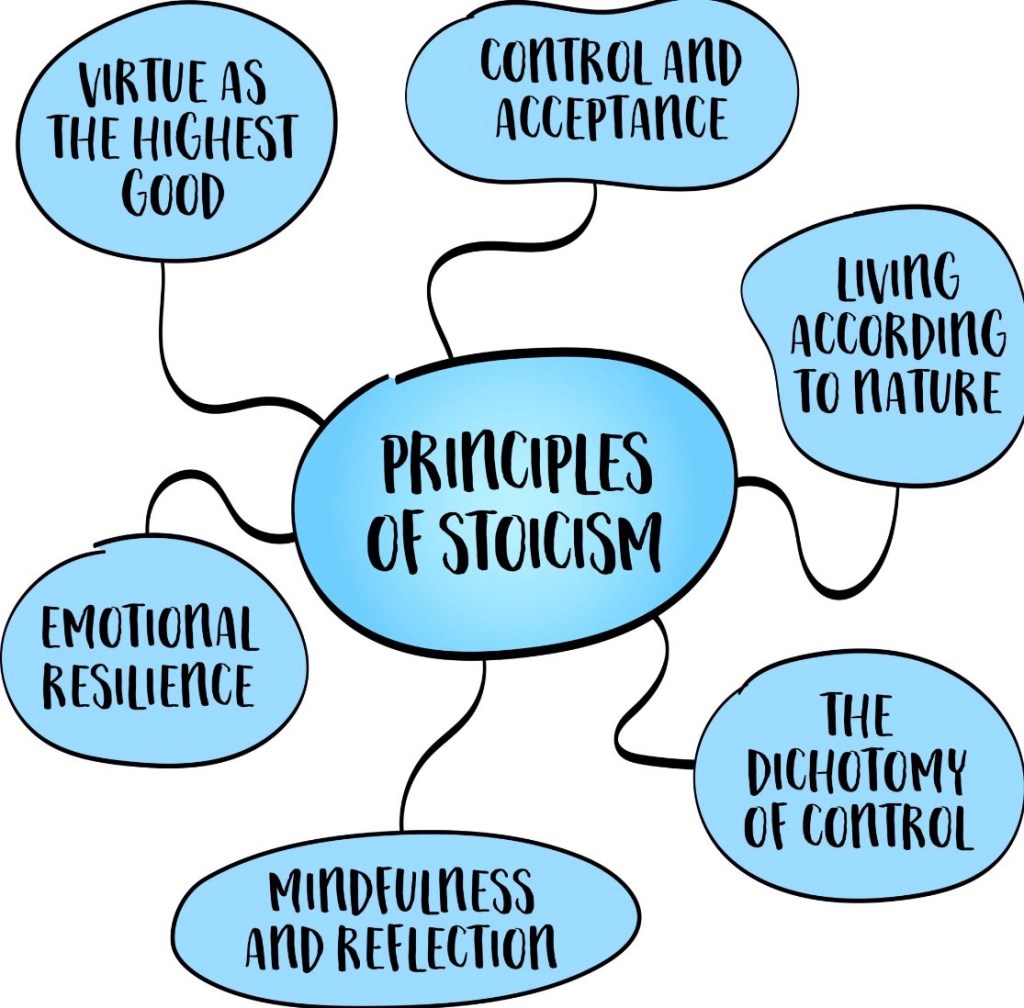
Focus on what you can control Accept what you cannot Act with virtue regardless of circumstance

Marcus returned to these ideas repeatedly—not because he mastered them, but because he struggled with them like anyone else.

The Dichotomy of Control

One of Marcus’ most practical insights is simple:

Some things are up to us. Some things are not.

He reminds himself that:

Other people’s opinions are not under his control The past and future are not under his control His judgments, intentions, and actions are

This distinction becomes a powerful antidote to anxiety. Much of our stress comes from trying to manage outcomes instead of responses.

Power Without Ego

What’s remarkable about Marcus Aurelius is how often he warns himself against arrogance.

He writes reminders like:

You are temporary You are no more important than others Praise and blame vanish quickly

This is not false humility—it’s realism.

Marcus understood that power amplifies character. Without inner discipline, authority leads to cruelty or excess. With discipline, it becomes service.

In a modern context—leadership roles, teaching, parenting, community work—this mindset remains deeply relevant.

Nature as a Moral Teacher

Marcus frequently uses nature as a grounding reference.

He observes:

Everything follows natural processes Decay and death are not failures but transitions Resistance to reality causes suffering

Rather than romanticizing nature, he treats it as a teacher of impermanence and cooperation.

This perspective aligns closely with modern ideas in mindfulness and ecological psychology: when we see ourselves as part of a larger system, our anxieties shrink to scale.

Why Meditations Still Resonates Today

Marcus Aurelius never intended Meditations to be published. That’s why it feels honest.

He writes about:

Anger he’s trying to restrain Fatigue from dealing with difficult people The temptation to avoid responsibility

These struggles feel strikingly modern.

In an age of personal branding and public performance, Marcus offers something rare: philosophy without an audience.

Practical Takeaways for Modern Life

Marcus Aurelius doesn’t offer hacks. He offers habits of thought.

Here are a few ways his wisdom translates today:

1. Start the Day with Mental Framing

Marcus reminded himself each morning that he would encounter difficult people—and that this was normal.

Try this: Before checking your phone, name three likely challenges of the day and how you intend to meet them calmly.

2. Shorten the Feedback Loop

He often notes how quickly fame, insult, and praise disappear.

Try this: When you feel reactive, ask: Will this matter in a year? A month? A week?

3. Practice Quiet Virtue

Marcus believed right action didn’t require recognition.

Try this: Do one helpful act each day without telling anyone.

4. Remember Impermanence—Gently

Rather than fearing death, Marcus used mortality to sharpen gratitude.

Try this: Notice one ordinary moment—walking, cooking, listening—and fully inhabit it.

Internal Links (Related Reading)

[Internal link: Stoicism and modern mental health] [Internal link: Mindfulness practices for everyday stress] [Internal link: Nature, impermanence, and meaning]

A Quiet Legacy

Marcus Aurelius never claimed enlightenment. He simply tried—again and again—to live with integrity under pressure.

That’s why his work endures.

In a culture obsessed with speed, outrage, and certainty, Marcus offers something slower and sturdier: attention, restraint, and responsibility.

You don’t need to be an emperor to benefit from that.

Soft Call-to-Action

If this kind of reflective philosophy resonates with you, consider subscribing to the Mindful Explorer newsletter for thoughtful essays on psychology, nature, and meaning—delivered calmly, not constantly.

For an easy yet thought provoking read on Stoic philosophy check out The Daily Stoic.

If you’re looking for something more in depth, pick up a copy of Meditations written by Marcus Aurelius himself.