Collectivist vs. Individualistic Cultures: What’s the Real Difference?

Discover the key differences between collectivist and individualistic cultures, how they shape behavior, and what they teach us about human connection and identity.

Introduction

Culture shapes how we view the world—how we communicate, make decisions, build relationships, and define success. Two of the most important cultural frameworks are collectivism and individualism. While neither is superior, understanding the differences helps us connect more meaningfully with others.

In this Mindful Explorer guide, let’s break down what sets these two worldviews apart and what we can learn from each.

What Is an Individualistic Culture?

Individualistic cultures focus on personal freedom, self-expression, and individual achievement. People are encouraged to follow their own path—even when it differs from the group.

Key Values

Independence and autonomy Personal rights and freedom Competition and individual success Direct communication and self-expression

How Individualism Shows Up

People in individualistic societies often:

Make decisions based on personal preference Prioritize personal goals over group goals Communicate directly, even during disagreements Define success through personal accomplishments

Where Individualism Is Common

United States Canada United Kingdom Germany Australia and New Zealand

What Is a Collectivist Culture?

Collectivist cultures value the group over the individual. Identity comes from community, family, and social roles, and social harmony is prioritized over standing out.

Key Values

Loyalty to family or group Cooperation and interdependence Social harmony Respect for hierarchy and tradition

How Collectivism Shows Up

People in collectivist societies often:

Make decisions that benefit the group or family Avoid open conflict to preserve harmony Feel responsible for the wellbeing of others Identify themselves through relationships and roles

Where Collectivism Is Common

Japan, China, South Korea Philippines India and much of South Asia Latin America Many regions in Africa and the Middle East

Collectivism vs. Individualism: The Core Differences

Here are the key distinctions explained clearly, without a table:

Identity

Individualistic cultures: identity comes from personal traits and uniqueness. Collectivist cultures: identity comes from group membership and social roles.

Decision-Making

Individualistic: “What do I want?” Collectivist: “What’s best for us?”

Communication Style

Individualistic: direct, assertive, open about disagreements. Collectivist: indirect, harmony-focused, avoids conflict.

Definition of Success

Individualistic: success is measured through personal achievements. Collectivist: success is measured by group wellbeing.

Responsibility

Individualistic: personal responsibility and self-reliance. Collectivist: shared responsibility and community support.

Strengths of Each Cultural Style

Strengths of Individualistic Cultures

Encourages innovation and creativity Protects individual rights and freedoms Builds independence and self-reliance

Strengths of Collectivist Cultures

Fosters cooperation and unity Creates strong, supportive communities Helps reduce social isolation

What We Can Learn From Both

Understanding these cultural mindsets helps us:

Communicate more effectively Build stronger relationships Navigate diverse workplaces Develop greater self-awareness

Many of the world’s most adaptable societies blend both approaches—valuing personal freedom while nurturing collective wellbeing.

Conclusion

Collectivist and individualistic cultures each offer valuable insights into how humans thrive. By embracing the strengths of both, we can cultivate deeper understanding, stronger communities, and a more connected world.

Which cultural values resonate most with you? Let’s explore together in the comments.

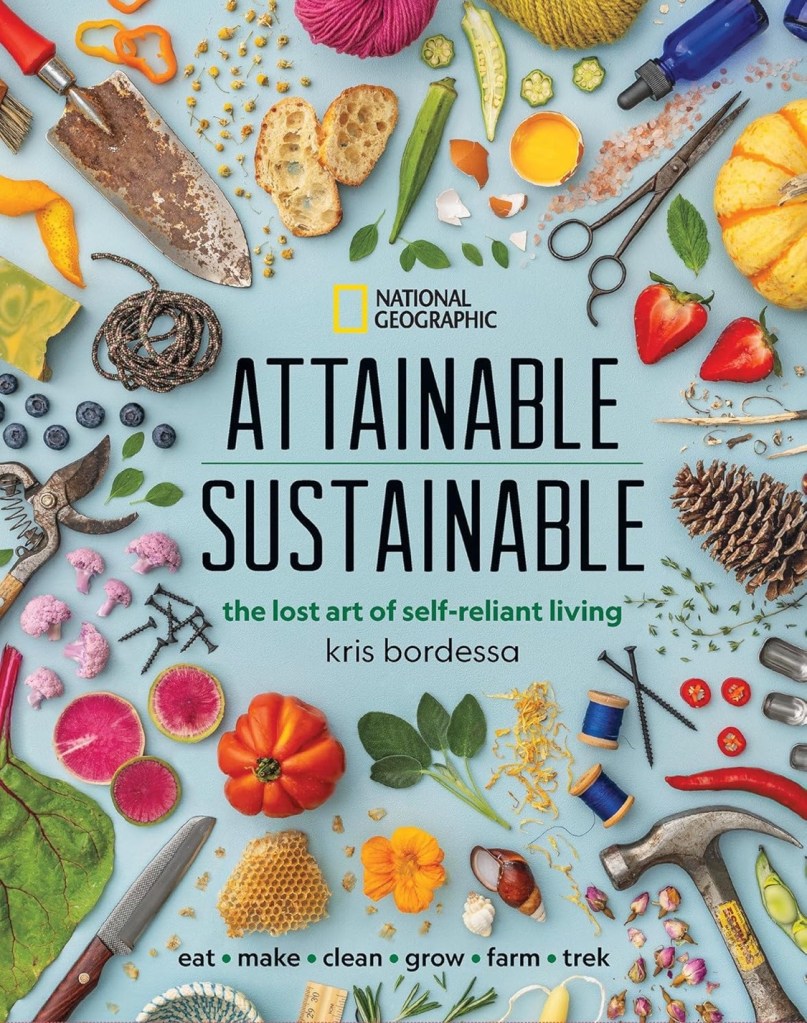
Attainable Sustainable: A Practical Guide to a More Self-Sufficient Life — Book Review

A practical, inspiring review of Attainable Sustainable, the essential guide to modern homesteading, self-sufficiency, and simple living for everyday people.

Amazon Link

Introduction

For anyone curious about homesteading, gardening, or living more intentionally, Attainable Sustainable by Kris Bordessa is one of the most accessible and inspiring guides available today. It blends old-world wisdom with modern practicality, showing that you don’t need acres of land or a full farm setup to build a more self-sufficient life. In this review, we’ll explore why this book has become a staple for aspiring homesteaders, urban gardeners, and anyone striving for a more mindful, sustainable lifestyle.

What the Book Is About

At its core, Attainable Sustainable is a giant, beautifully illustrated handbook focused on realistic ways to produce, preserve, and build more of what you use in daily life. It covers:

Growing your own food Natural home projects DIY household essentials Food preservation Eco-friendly living habits Simple sustainability practices for beginners

The book is structured so you can open to any section and immediately find a project or idea you can try that same day—no need for expensive equipment or large spaces.

Key Themes and Takeaways

1. Self-Reliance Made Simple

One of the biggest strengths of the book is its accessibility. Whether you live in a small apartment or have a big backyard, Bordessa’s approach shows that anyone can start taking steps toward a more independent lifestyle.

2. Food From Garden to Table

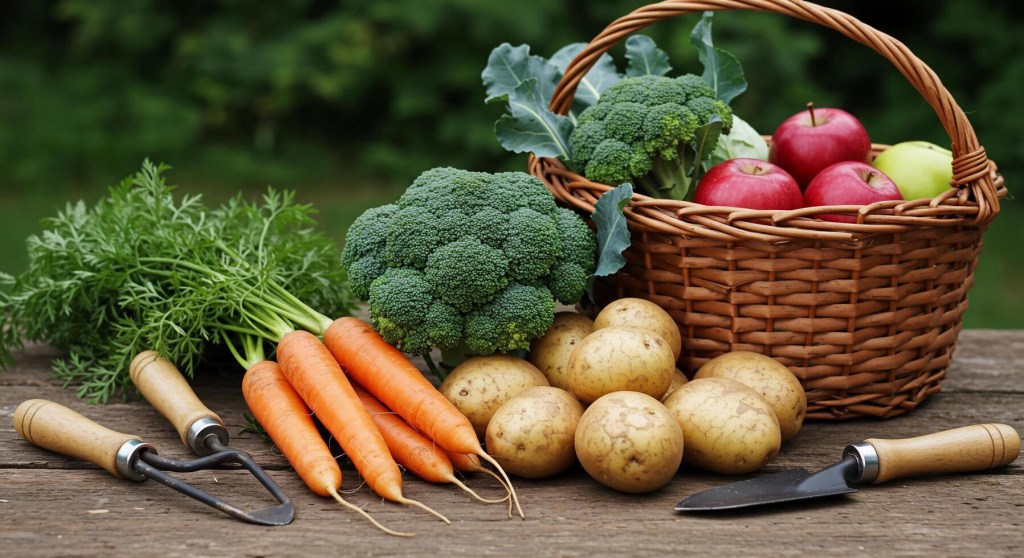
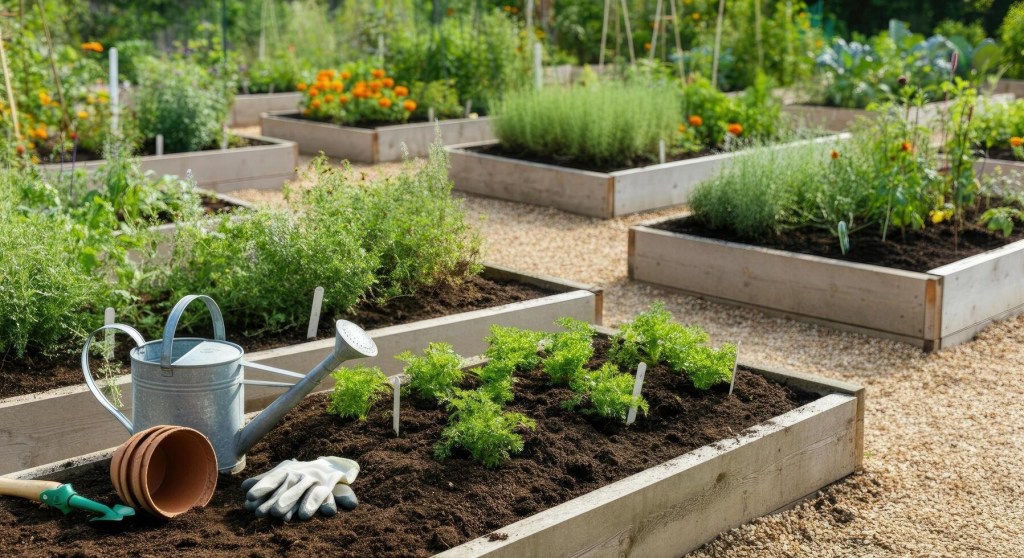
The gardening chapters are a highlight, offering clear guidance on:

Companion planting Soil health Growing herbs, vegetables, and fruit Small-space garden solutions

Her step-by-step advice makes gardening feel less intimidating, especially for beginners.

3. DIY Projects That Feel Doable

From homemade cleaners to simple woodworking tasks, the DIY sections are both instructive and inspiring. The instructions are easy to follow, and most projects use affordable, common materials.

4. Preservation & Food Storage

This is where the book shines for anyone wanting to reduce waste or rely less on grocery stores. Bordessa includes techniques like:

Canning Dehydrating Fermenting Freezing

It’s a one-stop reference that demystifies food preservation for people of all skill levels.

5. Sustainability as a Mindset

Beyond the practical guidance, Attainable Sustainable encourages readers to shift how they think—choosing reusable over disposable, intentional over impulsive, handmade over mass-produced. It’s sustainability that feels achievable rather than overwhelming.

Who This Book Is For

This book is ideal for:

Urban or suburban gardeners Beginners wanting a clear path into homesteading Eco-conscious households DIY hobbyists Families looking for hands-on projects Anyone pursuing a slower, more connected lifestyle

Even advanced gardeners or homesteaders will likely find new tips or inspiration.

Strengths of the Book

Highly visual with beautiful photography Clear instructions for novices Wide variety of topics covered in one place Encouraging tone that supports trial and error Practical, low-cost strategies

Areas Some Readers May Want More Depth

While the breadth is excellent, some readers may find they want deeper, more technical information in areas like advanced gardening or large-scale preservation. However, this is more a testament to how inspiring the book is—it makes you want to learn more.

Final Verdict

Attainable Sustainable is one of the most useful and beautiful sustainability guides available today. It’s packed with actionable steps, gorgeous visuals, and a warm, encouraging tone that makes homesteading feel possible for everyone—not just those with land or experience.

If you’re trying to live more intentionally, grow more of your own food, or reduce your dependence on store-bought goods, this book deserves a permanent spot on your shelf.

Conclusion

Living sustainably doesn’t require perfection—it just requires starting somewhere. Attainable Sustainable provides countless entry points for that journey. Whether you want to garden, craft, cook, or preserve, this book will give you the confidence and knowledge to begin.

What sustainable skills are you most excited to learn next?

Amazon Link