You’ve probably heard of cold plunges, ice baths, or breathing techniques that claim to unlock something deeper in the body. Maybe you’ve even wondered: Is this real science—or just another wellness trend?
The Wim Hof Method sits right at that intersection.
In this article, we’ll break down what the method actually is, what the book teaches, and whether it’s worth your time—especially if you’re interested in performance, recovery, or mental resilience.
What Is The Wim Hof Method?
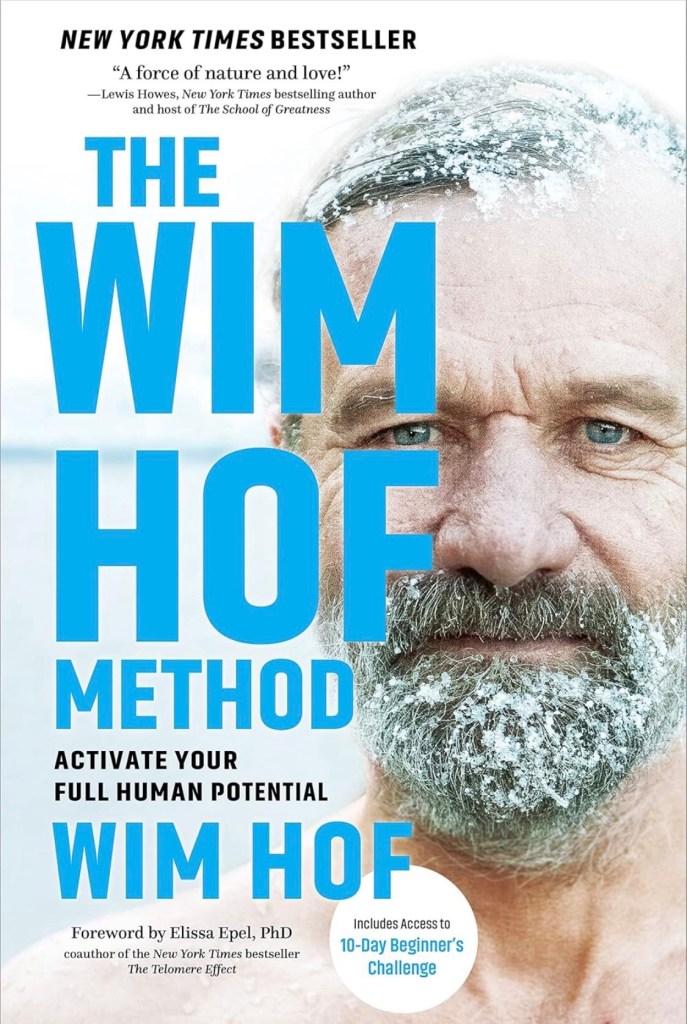
The Wim Hof Method by Wim Hof introduces a system built on three core pillars:
1. Breathing
A controlled breathing technique involving:
Deep inhalations Passive exhalations Breath retention
This is designed to influence oxygen and CO₂ levels, creating a temporary stress response that can strengthen the nervous system.
2. Cold Exposure
Gradual exposure to cold through:
Cold showers Ice baths Outdoor exposure
The idea is that controlled cold stress:
Improves circulation Builds resilience Reduces inflammation
3. Mindset & Commitment
This is the often-overlooked piece:
Focus Consistency Willingness to embrace discomfort
The method emphasizes that transformation happens when you intentionally step outside your comfort zone.
Key Ideas from the Book
Stress Can Be Trained—Not Just Managed
The book reframes stress as something useful.
Instead of avoiding stress, Hof suggests:
Controlled stress (like cold or breath holds) Leads to better emotional regulation over time
This aligns with modern psychology around hormetic stress—small doses of challenge that make you stronger.
You Have More Control Than You Think
One of the bold claims:
You can influence your:
Immune system Inflammation Energy levels
Some research cited in the book suggests trained practitioners can alter physiological responses typically considered automatic.
The Body and Mind Are Not Separate
The method bridges:
Physical practices (cold, breathing) Mental outcomes (clarity, calm, focus)
This holistic approach resonates with both ancient practices and modern neuroscience.
What the Science Says (In Plain Terms)
The book references studies showing that practitioners can:
Activate the sympathetic nervous system voluntarily Reduce inflammatory markers
In simpler terms:
You may be able to train your body to handle stress better.
However:
Not all claims are universally accepted More long-term research is still needed
Benefits People Commonly Report
From both the book and broader user experiences:
Increased energy Improved mood Better stress tolerance Faster recovery after workouts Stronger mental discipline

Criticisms & Limitations
A grounded review wouldn’t skip these:
1. Some Claims Are Overstated
While impressive, certain benefits may be:
Individual-dependent Not guaranteed
2. Risk If Done Improperly
Breathwork can cause dizziness Cold exposure can be dangerous if rushed
The book does emphasize gradual progression—but readers sometimes skip that part.
3. Repetition in the Book
The content could be shorter:
Some sections repeat ideas It leans motivational at times
Who This Book Is Best For
This book is a strong fit if you:
Are interested in mental toughness Want natural ways to improve recovery Are open to cold exposure and breathwork Enjoy hands-on practices, not just theory
Less ideal if you prefer:
Purely scientific, data-heavy books Passive or low-effort lifestyle changes
Practical Takeaways (You Can Try Today)
1. Start with Breathing (Safely)
30 deep breaths Hold on exhale Repeat 2–3 rounds
👉 Always seated or lying down
2. End Your Shower Cold
Start with 15–30 seconds Build gradually over weeks
3. Reframe Discomfort
Instead of avoiding it, try:
Viewing discomfort as training Not punishment
This mental shift alone is powerful.
Final Verdict
The Wim Hof Method is not just a book—it’s a practice.
At its core, it teaches something simple but powerful:
You can train your response to stress—physically and mentally.
It’s not magic. It’s not effortless.
But if you’re willing to engage with it, the method offers a direct, experiential way to build resilience in both body and mind.
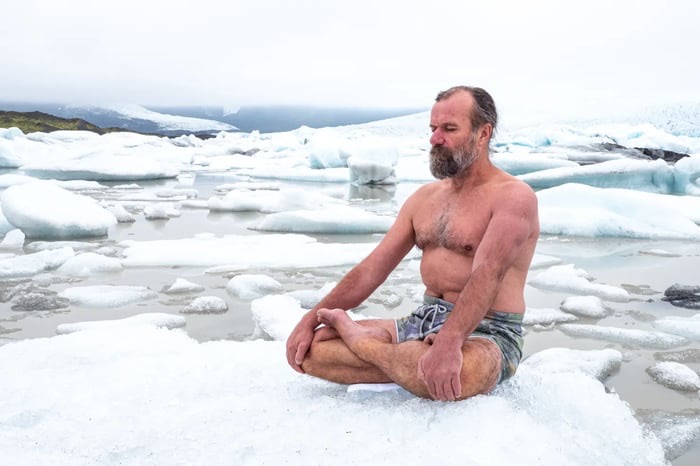
Grab the book here and embrace the benefits of the cold! The Wim Hof Method
 Mindful Explorer