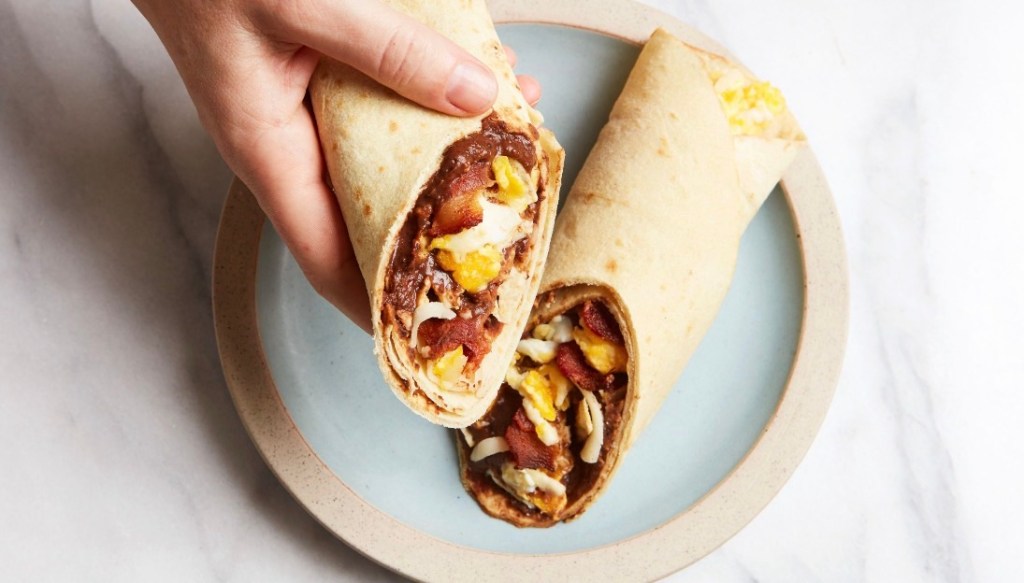
You don’t need to skip breakfast—or settle for something rushed
If your mornings feel chaotic, breakfast is often the first thing sacrificed. But what you eat early in the day directly affects your energy, focus, and mood.
A well-made breakfast burrito solves this problem.
It’s portable, balanced, and—when prepped ahead—requires almost no effort during the week. The key is building one that supports your body, not just fills you up.
This guide will show you how to create nutrient-dense, freezer-friendly breakfast burritos that actually improve your mornings.
Why breakfast burritos are ideal for meal prep
Breakfast burritos work because they combine everything your body needs into one simple format:
Protein → keeps you full and supports muscle repair Healthy fats → stabilize energy and reduce cravings Complex carbs → provide steady fuel for your brain Fiber → supports digestion and gut health
Unlike sugary breakfasts, they prevent the mid-morning crash.
The anatomy of a healthy breakfast burrito
Think of your burrito like a system, not a recipe.
1. Protein (foundation)
Aim for 20–30g per burrito:
Eggs or egg whites Turkey sausage or chicken Black beans (plant-based option) Greek yogurt (on the side or as a sauce)
2. Vegetables (volume + nutrients)
Spinach Bell peppers Onions Mushrooms Zucchini
These add fiber and micronutrients without excess calories.
3. Smart carbs (energy source)
Whole wheat tortillas Low-carb/high-fiber wraps Roasted potatoes or sweet potatoes
4. Healthy fats (satiety + brain function)
Avocado Cheese (moderate) Olive oil (used in cooking)
A simple, high-performance meal prep recipe
Ingredients (makes 6 burritos)
10 eggs 1 lb turkey sausage (or plant-based alternative) 1 cup diced bell peppers 1 cup spinach 1 cup roasted potatoes 1/2 cup shredded cheese 6 whole wheat tortillas
Instructions
Cook protein Brown the turkey sausage in a pan Add vegetables Toss in peppers and spinach until softened Scramble eggs separately Cook until just set (don’t overcook—they’ll reheat later) Assemble burritos Layer eggs, sausage mix, potatoes, and cheese Wrap tightly Fold sides in, roll, and wrap in foil or parchment Store Refrigerate (3–4 days) or freeze (up to 2 months)
How to reheat (without ruining texture)
Microwave (fast): Wrap in paper towel → 1–2 minutes Oven (best texture): 350°F for 15–20 minutes Air fryer (crisp option): 350°F for 8–10 minutes
Psychology of meal prep: why this actually works
Meal prep isn’t just about food—it’s about reducing decision fatigue.
When your morning requires fewer decisions:
You conserve mental energy You’re more consistent You avoid impulsive, low-quality food choices
This aligns with habit research: make the good choice the easy choice.
Variations to keep things interesting
High-protein athlete version
Add extra egg whites Include quinoa or extra beans Use low-fat cheese
Low-carb version
Use egg wraps or low-carb tortillas Skip potatoes, add more veggies
Vegetarian version
Black beans + sautéed mushrooms Add avocado after reheating
Gourmet version (for weekends or guests)
Add salsa verde or chimichurri Use roasted sweet potatoes Finish with fresh herbs
Common mistakes to avoid
Overfilling → leads to tearing and messy reheating Watery vegetables → cook off moisture first Overcooking eggs → they become rubbery later Not wrapping tightly → causes freezer burn
Practical takeaways
Prep once or twice per week, not daily Aim for protein-first construction Keep ingredients simple and repeatable Store burritos individually for grab-and-go ease Rotate flavors weekly to avoid burnout
Internal links
Build a full routine with [Internal link: morning habits for energy and focus] Pair with [Internal link: healthiest high-protein foods for daily nutrition] Explore [Internal link: simple meal prep strategies for busy professionals]
Final thought
A good breakfast doesn’t need to be complicated—it needs to be intentional.
When you prepare food ahead of time, you’re not just saving time.
You’re shaping your day before it begins.
If you found this helpful, explore more practical strategies with the Mindful Explorer
 Mindful Explorer