🌿 Top 10 House Plants and Why They’re Perfect for Your Home

Top 10 House Plants That Purify Air and Boost Mood
Meta Description: Discover the best indoor plants to freshen your air, reduce stress, and beautify your home. Perfect for beginners and plant lovers alike.
SEO Tags: house plants, indoor plants, air-purifying plants, snake plant, pothos, aloe vera, ZZ plant, home décor, plant care, beginner house plants

House plants do more than make your home beautiful—they can help you breathe easier, focus better, and feel more relaxed.

From air-purifying powerhouses to mood-boosting greenery, these ten indoor plants are perfect for any lifestyle or level of gardening experience.

1. Snake Plant (Sansevieria)

Why it’s great: Known as “Mother-in-law’s Tongue,” this hardy plant is one of the most forgiving housemates you can have. It thrives on neglect and survives in low light, making it perfect for bedrooms or offices. Snake plants also release oxygen at night, improving sleep quality.

Care tip: Water only when the soil is completely dry—about every 2–3 weeks. It prefers indirect light but can tolerate darker corners.

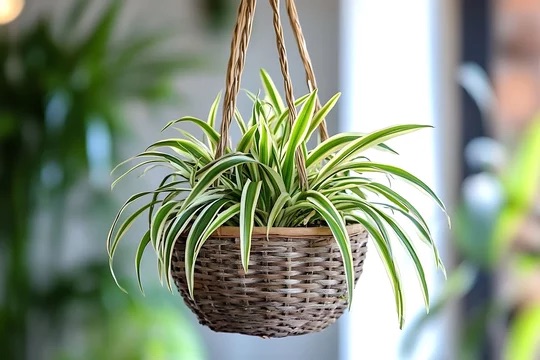
2. Spider Plant (Chlorophytum comosum)

Why it’s great: A cheerful, fast-growing plant that helps remove formaldehyde and carbon monoxide from the air. Spider plants also produce little “pups” that dangle from the parent, which you can snip and propagate easily.

Care tip: Keep soil slightly moist but never soggy. Bright, indirect light is ideal, and a little morning sun makes the leaves more vibrant.

3. Peace Lily (Spathiphyllum)

Why it’s great: Famous for its glossy green leaves and elegant white flowers, the peace lily is a natural air filter that removes ammonia, benzene, and formaldehyde. It’s also said to bring tranquility and harmony to a home.

Care tip: Water once a week and keep in a bright spot away from direct sunlight. It will droop slightly when it needs water—a helpful reminder!

4. Pothos (Epipremnum aureum)

Why it’s great: The ultimate beginner plant, pothos tolerates low light, irregular watering, and a wide range of conditions. Its heart-shaped leaves trail beautifully from shelves or hanging baskets and come in many varieties, from golden to marble queen.

Care tip: Let soil dry between waterings. Trim occasionally to encourage fuller growth. Can be grown in soil or even just a jar of water.

5. Aloe Vera

Why it’s great: Beyond its sleek, sculptural look, aloe vera doubles as a handy natural remedy. The gel inside its leaves can soothe sunburns and minor cuts, while the plant quietly filters toxins from the air.

Care tip: Water deeply but infrequently, allowing soil to dry completely between waterings. Place in bright, indirect sunlight such as a kitchen window.

6. Rubber Plant (Ficus elastica)

Why it’s great: With its bold, shiny leaves and tree-like growth, the rubber plant makes a striking statement indoors. It also removes harmful airborne chemicals, helping you maintain cleaner air.

Care tip: Likes bright, indirect light and moderate watering. Wipe leaves occasionally to remove dust and keep them glossy.

7. ZZ Plant (Zamioculcas zamiifolia)

Why it’s great: Practically indestructible, the ZZ plant is ideal for anyone who forgets to water or has limited natural light. Its waxy leaves reflect sunlight beautifully and can survive weeks of neglect.

Care tip: Water only when soil is dry to the touch. Too much water is the only real danger for this resilient plant.

8. Boston Fern (Nephrolepis exaltata)

Why it’s great: Lush, feathery fronds give this fern a tropical charm while it quietly improves humidity and filters pollutants. Perfect for bathrooms or kitchens where the air is naturally more moist.

Care tip: Keep soil consistently damp and mist the leaves occasionally to prevent them from drying out. Indirect light is best.

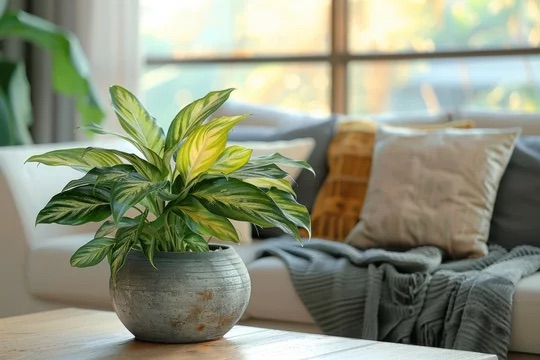
9. Chinese Evergreen (Aglaonema)

Why it’s great: This colorful, patterned plant adds brightness to shaded corners. It tolerates low light better than most house plants and is known to purify the air of harmful toxins.

Care tip: Water when the top inch of soil is dry. It prefers moderate humidity and stable temperatures. Wipe the leaves occasionally to keep them vibrant.

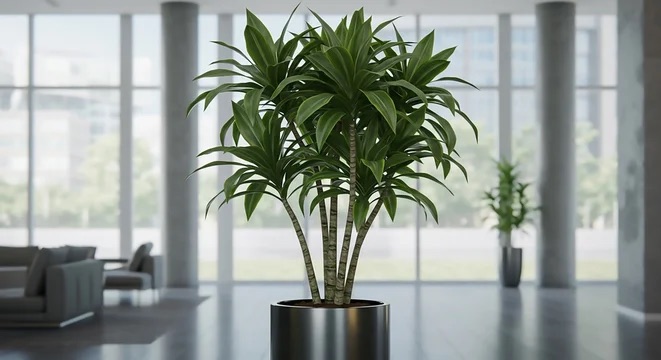
10. Dracaena

Why it’s great: With long, sword-like leaves and a striking shape, dracaena instantly elevates a room. It filters pollutants such as xylene and trichloroethylene, improving indoor air quality while adding drama to your dĂ©cor.

Care tip: Keep the soil slightly moist but not soggy, and give it bright, indirect light. Too little light may dull its colorful foliage.

đŸŒ± Conclusion

Adding plants to your home is a simple, rewarding way to bring nature indoors. They improve air quality, reduce stress, and create a calming atmosphere. Even a single plant can make a difference in how your space feels.

Which of these plants do you already have—or which one are you excited to try next? Share your favorite in the comments!

đŸŸ 10 Fascinating Facts About the Elusive Snow Leopard

The snow leopard, often called the “ghost of the mountains,” is one of the most mysterious and captivating big cats in the world. Native to the rugged mountains of Central and South Asia, these elusive felines are perfectly adapted to survive in some of the harshest climates on Earth. Here are 10 fascinating facts that make snow leopards truly remarkable.

1. Masters of Camouflage

Fact: Their thick, smoky-gray fur is patterned with rosettes and spots that help them blend seamlessly into rocky terrain.

Fun Fact: This camouflage is so effective, photographers often spend days trying to spot one in the wild!

2. High-Altitude Specialists

Fact: Snow leopards thrive at elevations between 9,800 and 17,000 feet, breathing easily in thin mountain air.

Did You Know? Their lungs are 30% larger than other cats, helping them survive at high altitudes.

3. Incredible Jumpers

Fact: They can leap up to 50 feet in a single bound, ideal for hunting in steep terrain.

Fun Fact: That’s about 5 cars lined up bumper to bumper!

4. Long, Thick Tail

Fact: Their tails can reach up to 40 inches, helping with balance, communication, and warmth.

Fun Fact: They use their tails like blankets in freezing weather!

5. Solitary by Nature

Fact: Snow leopards live mostly alone, meeting only to mate.

Did You Know? A single snow leopard’s territory can cover hundreds of square miles!

6. Adapted Paws

Fact: Their large, furry paws act like snowshoes and protect their feet from ice-cold ground.

Fun Fact: Their paw pads are furry underneath to grip slippery rocks and snow.

7. Silent Predators

Fact: Snow leopards cannot roar. They communicate through growls, hisses, and mews.

Did You Know? This makes them some of the stealthiest hunters in the wild.

8. Wide Diet

Fact: They mainly hunt blue sheep and ibex but will eat birds, hares, and even livestock if necessary.

Fun Fact: Snow leopards can survive on a single large meal for several days!

9. Endangered but Protected

Fact: Only 4,000–6,500 snow leopards remain in the wild.

Did You Know? International efforts in 12 countries are helping protect these cats.

10. Cultural Significance

Fact: Snow leopards are revered in folklore, often symbolizing strength and agility.

Fun Fact: In some cultures, seeing a snow leopard is considered extremely lucky.

đŸŸ Conclusion:

Snow leopards are more than just beautiful creatures—they are incredible survivors, perfectly adapted to some of the planet’s harshest environments. Protecting them preserves not only a species but the delicate ecosystems of the world’s highest mountains.