7 Stress Relieving Activities That Actually Calm Your Mind

Discover 7 science-backed stress relieving activities that calm your nervous system, improve focus, and help you feel grounded in daily life.

You don’t need another productivity hack.

You need your nervous system to settle.

Stress isn’t just a feeling—it’s a biological state. Your heart rate shifts. Your breathing tightens. Your attention narrows. Over time, chronic stress quietly reshapes your mood, focus, digestion, sleep, and even decision-making.

The good news? Your body already knows how to calm itself.

In this article, we’ll explore stress relieving activities that actually work, why they work, and how to integrate them into real life—whether you’re teaching, working, parenting, or juggling too many tabs in your mind.

1. Slow Breathing (The 4–6 Reset)

When stress rises, breathing becomes shallow and fast.

If you slow your breath, your nervous system follows.

Try this:

Inhale for 4 seconds Exhale for 6 seconds Repeat for 3–5 minutes

Longer exhales activate the parasympathetic nervous system—the “rest and digest” mode.

Research consistently shows that slow breathing:

Lowers heart rate Reduces cortisol Improves emotional regulation

This is one of the simplest tools you can use between classes, before a meeting, or before sleep.

2. Walking in Nature (Even 15 Minutes Counts)

Nature is not just “nice.” It is neurologically restorative.

Studies on attention restoration theory show that natural environments:

Reduce mental fatigue Improve working memory Lower rumination

Even 15–20 minutes in a park can reduce stress markers.

If you’re balancing teaching, music work, or job searching, try:

A short walk after lunch Grading papers outside Practicing guitar near an open window with natural light

For more on this, see:

[Internal link: How Nature Improves Mental Health]

3. Strength Training (Regulated Stress)

This might surprise you.

Exercise doesn’t eliminate stress—it teaches your body to handle it better.

Strength training:

Improves stress resilience Enhances mood via endorphins Builds long-term metabolic stability

If your goals include mobility, strength, and general health (as many of ours do), this is not just fitness—it’s nervous system training.

Start simple:

2–3 sessions per week Compound movements (squats, pushups, rows) Moderate intensity

The key is consistency, not exhaustion.

4. Creative Flow (Music, Writing, Art)

When you enter creative flow, the stress loop quiets.

Flow states:

Reduce self-referential thinking Improve dopamine balance Increase meaning and motivation

For musicians, this might be:

Playing repertoire slowly and intentionally Improvising without judgment Writing a short musical idea daily

For non-musicians:

Journaling Sketching Cooking something new

If creativity feels “unproductive,” remember: restoration is productive.

Related read:

[Internal link: Why Creative Practice Improves Mental Health]

5. Reducing Digital Overload

Not all stress comes from workload.

Some comes from fragmentation.

Excessive scrolling and constant notifications:

Disrupt dopamine regulation Increase anxiety Decrease sustained attention

Try:

Phone in another room during deep work No scrolling 30 minutes before bed One tech-free evening per week

If you’ve ever wondered about the cognitive effects of constant scrolling, we explore that here:

[Internal link: Does Excessive Smartphone Use Affect Your Brain?]

6. Social Connection Without Alcohol

Many social spaces revolve around drinking. But alcohol often increases next-day anxiety.

Alternative stress-relieving social ideas:

Board game nights Group hikes Open mic nights Book clubs Volunteer events

Connection regulates the nervous system. Isolation amplifies stress.

The key isn’t more people. It’s safe, meaningful interaction.

7. Sleep Protection (The Quiet Foundation)

No strategy works if sleep collapses.

Chronic stress and poor sleep reinforce each other. Protecting sleep means:

Consistent bedtime Dark, cool room No intense news or emails late at night A 10-minute wind-down ritual

Think of sleep not as leftover time—but as neurological maintenance.

For more on sleep, read our article on Lucid Dreaming

Practical Weekly Stress Reset Plan

If you prefer structure, try this simple rhythm:

Daily

3–5 minutes slow breathing 10–20 minutes movement Reduce evening scrolling

Weekly

2 strength sessions 1 longer nature walk 1 creative session purely for enjoyment

Nothing extreme. Just steady.

The Deeper Truth About Stress

Stress isn’t always the enemy.

It becomes harmful when:

It’s constant It lacks recovery It feels meaningless

The goal isn’t to eliminate stress.

It’s to build recovery into your life.

That’s how resilience forms—not from intensity, but from rhythm.

Marcus Aurelius: Stoic Wisdom for a Noisy Modern World

Explore Marcus Aurelius’ Stoic philosophy and how his quiet wisdom helps modern readers build resilience, clarity, and inner peace.

If you’ve ever felt overwhelmed by noise—notifications, opinions, constant urgency—you’re not alone. Two thousand years ago, a Roman emperor faced war, plague, betrayal, and political pressure on a scale most of us can’t imagine. And yet, he wrote reminders to himself about patience, humility, and inner calm.

That man was Marcus Aurelius.

What makes Marcus Aurelius extraordinary isn’t just that he ruled an empire. It’s that he used philosophy not to escape responsibility, but to meet it with steadiness. His private journal, later published as Meditations, has become one of the most enduring guides to mindful living—precisely because it was never meant to impress anyone.

This article explores who Marcus Aurelius was, what he believed, and why his Stoic wisdom still matters in the modern world.

Who Was Marcus Aurelius?

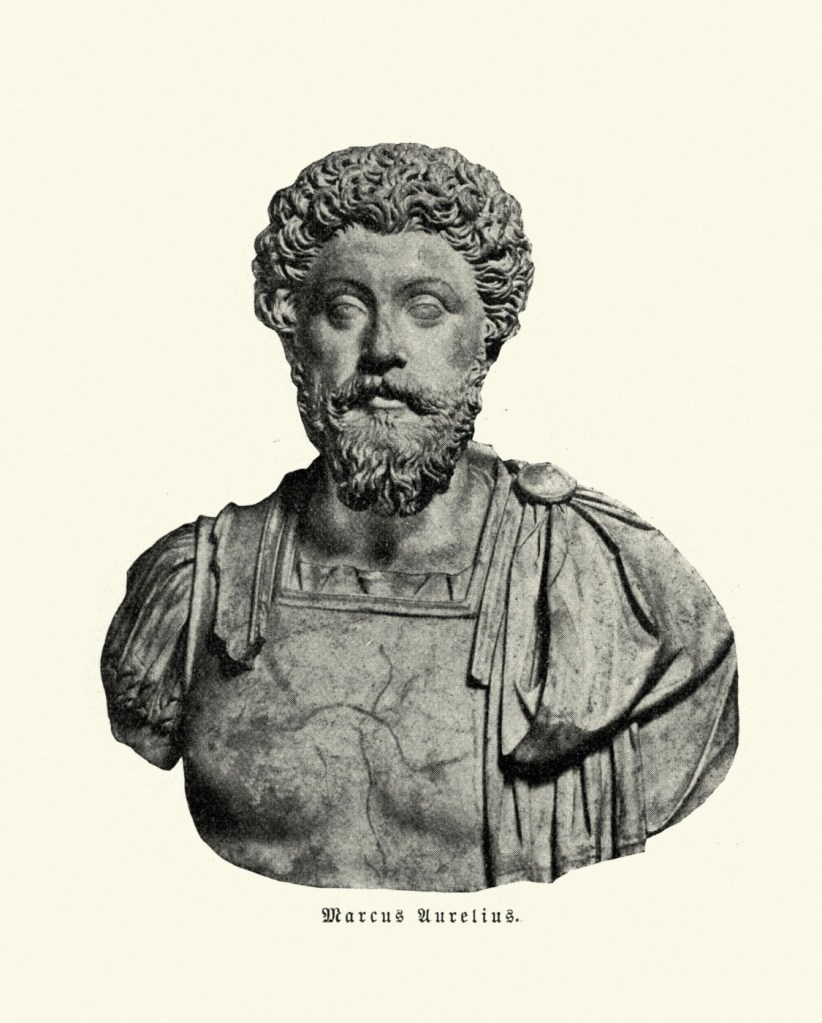
Marcus Aurelius Antoninus (121–180 CE) was the last of Rome’s “Five Good Emperors.” He ruled during a turbulent period marked by military conflict, economic strain, and the Antonine Plague.

Despite his power, Marcus never saw himself as exceptional.

He was:

A reluctant ruler rather than a glory-seeker A student of philosophy before a politician A deeply reflective person living in an unreflective world

Unlike many philosophers, Marcus did not write abstract treatises. Meditations is a collection of personal notes—self-reminders written during military campaigns, often at night, in tents near the front lines.

That intimacy is what gives the text its power.

Stoicism in Plain Language

Stoicism is often misunderstood as emotional suppression. In reality, it’s about emotional clarity.

At its core, Stoicism teaches:

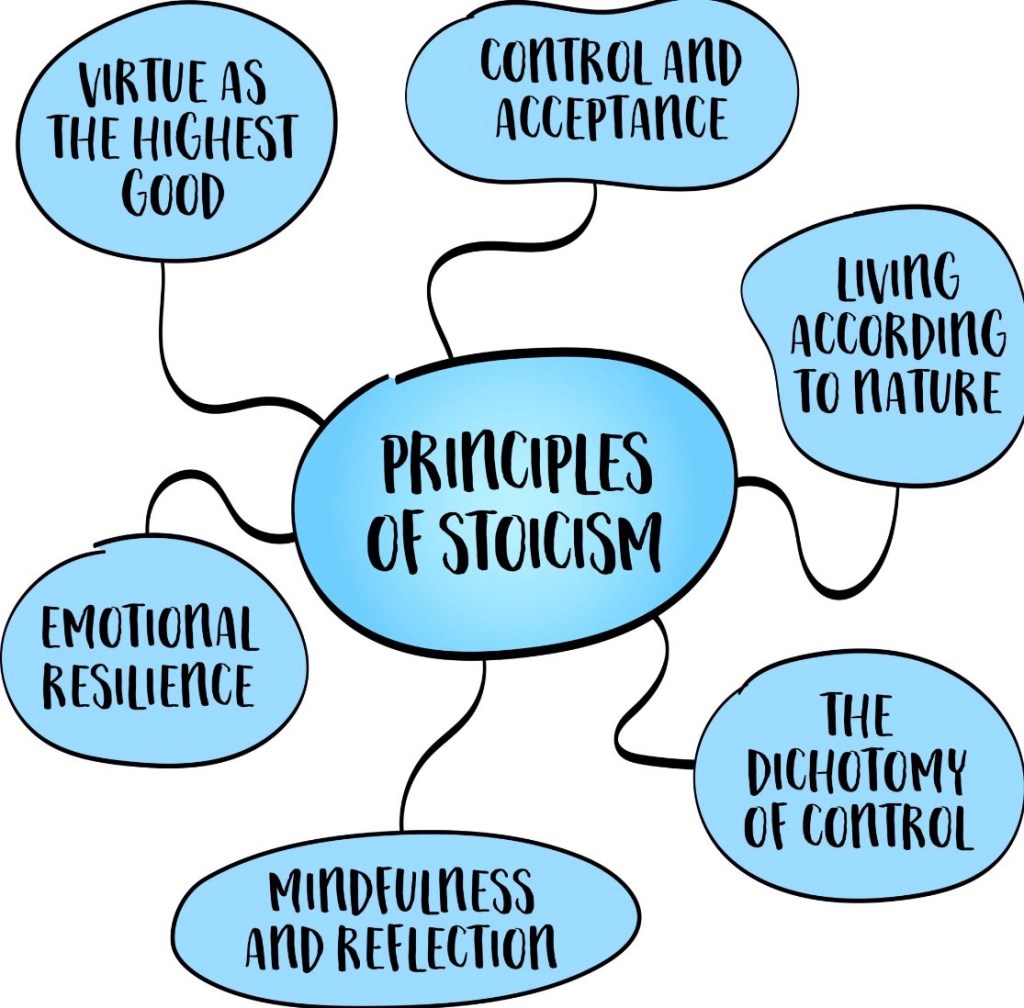
Focus on what you can control Accept what you cannot Act with virtue regardless of circumstance

Marcus returned to these ideas repeatedly—not because he mastered them, but because he struggled with them like anyone else.

The Dichotomy of Control

One of Marcus’ most practical insights is simple:

Some things are up to us. Some things are not.

He reminds himself that:

Other people’s opinions are not under his control The past and future are not under his control His judgments, intentions, and actions are

This distinction becomes a powerful antidote to anxiety. Much of our stress comes from trying to manage outcomes instead of responses.

Power Without Ego

What’s remarkable about Marcus Aurelius is how often he warns himself against arrogance.

He writes reminders like:

You are temporary You are no more important than others Praise and blame vanish quickly

This is not false humility—it’s realism.

Marcus understood that power amplifies character. Without inner discipline, authority leads to cruelty or excess. With discipline, it becomes service.

In a modern context—leadership roles, teaching, parenting, community work—this mindset remains deeply relevant.

Nature as a Moral Teacher

Marcus frequently uses nature as a grounding reference.

He observes:

Everything follows natural processes Decay and death are not failures but transitions Resistance to reality causes suffering

Rather than romanticizing nature, he treats it as a teacher of impermanence and cooperation.

This perspective aligns closely with modern ideas in mindfulness and ecological psychology: when we see ourselves as part of a larger system, our anxieties shrink to scale.

Why Meditations Still Resonates Today

Marcus Aurelius never intended Meditations to be published. That’s why it feels honest.

He writes about:

Anger he’s trying to restrain Fatigue from dealing with difficult people The temptation to avoid responsibility

These struggles feel strikingly modern.

In an age of personal branding and public performance, Marcus offers something rare: philosophy without an audience.

Practical Takeaways for Modern Life

Marcus Aurelius doesn’t offer hacks. He offers habits of thought.

Here are a few ways his wisdom translates today:

1. Start the Day with Mental Framing

Marcus reminded himself each morning that he would encounter difficult people—and that this was normal.

Try this: Before checking your phone, name three likely challenges of the day and how you intend to meet them calmly.

2. Shorten the Feedback Loop

He often notes how quickly fame, insult, and praise disappear.

Try this: When you feel reactive, ask: Will this matter in a year? A month? A week?

3. Practice Quiet Virtue

Marcus believed right action didn’t require recognition.

Try this: Do one helpful act each day without telling anyone.

4. Remember Impermanence—Gently

Rather than fearing death, Marcus used mortality to sharpen gratitude.

Try this: Notice one ordinary moment—walking, cooking, listening—and fully inhabit it.

Internal Links (Related Reading)

[Internal link: Stoicism and modern mental health] [Internal link: Mindfulness practices for everyday stress] [Internal link: Nature, impermanence, and meaning]

A Quiet Legacy

Marcus Aurelius never claimed enlightenment. He simply tried—again and again—to live with integrity under pressure.

That’s why his work endures.

In a culture obsessed with speed, outrage, and certainty, Marcus offers something slower and sturdier: attention, restraint, and responsibility.

You don’t need to be an emperor to benefit from that.

Soft Call-to-Action

If this kind of reflective philosophy resonates with you, consider subscribing to the Mindful Explorer newsletter for thoughtful essays on psychology, nature, and meaning—delivered calmly, not constantly.

For an easy yet thought provoking read on Stoic philosophy check out The Daily Stoic.

If you’re looking for something more in depth, pick up a copy of Meditations written by Marcus Aurelius himself.

📱 Why Smartphone Boundaries Are an Act of Self-Respect

Why smartphone boundaries are essential for attention, creativity, and mental clarity. A mindful approach to technology that restores agency and depth.

We don’t lack discipline—we lack boundaries

The modern smartphone is a marvel: a map, a library, a studio, a marketplace, and a social space all in one. But without boundaries, it quietly becomes something else—a habitat instead of a tool.

And when we live inside our phones, we slowly abandon the places where meaning actually forms: silence, boredom, nature, deep focus, and unbroken thought.

Smartphone boundaries aren’t about rejection or technophobia.

They’re about self-respect.

Attention is a finite natural resource

We talk about time management, but time isn’t the real currency—attention is.

Attention fuels:

creativity emotional regulation learning memory long-term life design

Smartphones fragment attention by design. Notifications, infinite scroll, and variable rewards train the brain toward constant novelty and reactivity.

The result isn’t laziness.

It’s shallowness without intention.

Creativity doesn’t disappear from lack of effort—it disappears from interruption.

The nervous system cost of constant connection

Even “neutral” phone use keeps the nervous system lightly activated:

shallow breathing background anxiety impatience reduced tolerance for stillness

This low-grade stimulation prevents the mental exhale required for insight, reflection, and emotional depth.

Boundaries restore rhythm.

Boredom is not the enemy

Boredom has been unfairly maligned.

In reality, boredom is the threshold state where:

melodies emerge essays begin forming clarity about life decisions appears

Smartphones eliminate boredom instantly—and with it, the quiet conditions that generate original thought.

When boredom disappears, creativity follows.

Boundaries are not restriction—they’re alignment

Healthy smartphone boundaries aren’t about using your phone less.

They’re about using it in alignment with your values.

Instead of asking:

“Should I be on my phone right now?”

Try asking:

“Is my phone helping me become the person I’m trying to be?”

Boundaries shift the phone from default behavior to intentional choice.

Simple boundaries with outsized impact

You don’t need a digital detox or a monk’s discipline.

A few structural shifts create disproportionate benefits.

High-leverage boundaries:

No phone for the first hour after waking Phone-free deep work blocks Designated check-in windows for email and social media No scrolling during nature time Phone charging outside the bedroom

These are not rules—they’re protective containers for attention.

Nature is the ultimate counterbalance

Time outdoors without a phone recalibrates perception.

Colors sharpen.

Thoughts slow.

Perspective widens.

This is not accidental—humans evolved to regulate attention through landscape, not screens. Protecting phone-free nature time is one of the most powerful mental health practices available.

A quiet truth

Most people aren’t addicted to their phones.

They’re disconnected from meaning, and phones offer a constant substitute.

Boundaries don’t remove technology—they restore agency.

A mindful closing practice

Before unlocking your phone, pause and ask:

“What am I hoping this will give me?”

If the answer is unclear, don’t unlock it.

That single pause is the beginning of intentional living.

Final reflection

Smartphone boundaries are not about control.

They are about care.

Care for attention.

Care for creativity.

Care for the inner landscape where a meaningful life is shaped.

Shinrin-Yoku: How Forest Bathing Improves Mental Health

Shinrin-yoku, or forest bathing, is a Japanese practice shown to reduce stress, improve mood, and support immune health—no hiking required.

Modern life keeps your nervous system on high alert—screens, schedules, noise, and constant decision-making. Many people try to “relax” by staying busy in different ways, yet still feel tense and scattered. Shinrin-yoku, often translated as forest bathing, offers a radically simple alternative: slow down and immerse your senses in a natural environment. No fitness goal. No destination. Just presence.

This article explores what shinrin-yoku actually is, what science suggests about its benefits, and how you can practice it—whether you live near deep woods or a small city park.

What Is Shinrin-Yoku?

Shinrin-yoku (森林浴) literally means “taking in the forest atmosphere.” The term was coined in the early 1980s in Japan as a public-health response to rising stress, burnout, and lifestyle-related illness.

Unlike hiking or outdoor exercise, shinrin-yoku emphasizes:

Slow movement Sensory awareness Non-goal-oriented time in nature

You are not trying to reach a viewpoint, track steps, or improve performance. You are simply being with the forest.

The Psychology Behind Forest Bathing

Stress Reduction and the Nervous System

One of the most consistent findings in shinrin-yoku research is its effect on the stress response. Time spent in forests is associated with:

Lower cortisol (the primary stress hormone) Reduced heart rate Lower blood pressure

From a psychological standpoint, this reflects a shift from sympathetic nervous system dominance (fight-or-flight) toward parasympathetic activation (rest-and-digest).

In practical terms: your body gets the signal that it is safe to relax.

Attention Restoration Theory

Psychologists describe something called Attention Restoration Theory (ART). The idea is simple:

Urban life demands directed attention (focus, inhibition, constant choice) Nature engages soft fascination (gentle, effortless attention)

When you walk through a forest, your attention is held by:

Leaves moving in the wind Variations of light and shadow Birdsong and natural textures

This allows the brain’s executive systems to rest, often leading to:

Improved concentration afterward Reduced mental fatigue A calmer, clearer mental state

Physical Health Benefits (Beyond Relaxation)

Immune Support and Phytoncides

Trees release natural compounds called phytoncides—aromatic oils that help protect plants from insects and pathogens. When humans inhale these compounds, studies suggest they may:

Increase activity of natural killer (NK) cells Support immune regulation Reduce inflammation markers

While shinrin-yoku is not a medical treatment, it appears to support the body’s baseline resilience.

Sleep and Mood

Regular exposure to natural environments is linked to:

Better sleep quality Reduced symptoms of anxiety and depression Improved overall mood stability

Importantly, these effects often persist for days after a forest-bathing session—especially when practiced consistently.

How to Practice Shinrin-Yoku (Step by Step)

1. Choose the Right Setting

Ideal locations include:

Forest preserves Nature reserves Botanical gardens Quiet parks with dense trees

The space does not need to be remote or wild. What matters most is relative quiet and greenery.

2. Slow Down—A Lot

Move at about half your normal walking speed. If you feel impatient, that’s a sign it’s working.

Pause often. Sit if you feel drawn to it.

3. Engage the Senses

Instead of thinking about nature, experience it directly:

Sight: textures, colors, depth Sound: wind, birds, leaves Smell: soil, bark, greenery Touch: tree bark, stones, air temperature

There is no need to label or analyze what you notice.

4. Leave the Phone Behind

Photos and tracking apps shift attention outward again. If safety requires a phone, keep it on silent and out of reach.

5. Aim for 20–40 Minutes

Research suggests benefits begin around 20 minutes, with deeper effects as sessions approach 40–60 minutes.

Common Misconceptions

“It Only Works in Wild Forests”

False. Even modest green spaces can provide benefits—especially if visited regularly.

“It’s Just a Walk”

Not quite. The intention and attentional quality are what distinguish shinrin-yoku from exercise.

“You Have to Believe in It”

No belief required. Many effects occur at the physiological level, regardless of expectations.

Practical Takeaways

Schedule one forest-bathing session per week if possible Pair it with journaling or quiet reflection afterward Treat it as mental hygiene, not a productivity tool Think of nature as a regulator, not an escape

Small, consistent exposure often matters more than occasional long trips.

If this approach resonates with you, consider subscribing to the Mindful Explorer newsletter for calm, research-grounded reflections on psychology, nature, and intentional living.

Bone Broth Breakfast Soup: A Simple, Anti-Inflammatory Morning Ritual

This nourishing bone broth breakfast with eggs, kale, and mushrooms supports joints, digestion, and energy—an easy savory ritual for mindful mornings.

A Better Way to Start the Day

If you’ve ever felt that breakfast choices swing between too heavy and not enough, you’re not alone. Many people start their day with sugar spikes, rushed meals, or habits that don’t truly support long-term health.

This bone broth breakfast soup offers a different approach. It’s warm, savory, grounding, and deeply nourishing—without being complicated. Built from bone broth, eggs, leafy greens, mushrooms, herbs, and healthy fats, this meal supports digestion, joint health, steady energy, and inflammation control. Most importantly, it’s realistic enough to eat almost every day.

This isn’t a trendy recipe. It’s a practical morning ritual.

The Default Bone Broth Breakfast Recipe

This is your base version—simple, flexible, and fast.

Ingredients (1 serving)

1½–2 cups low-sodium bone broth 1–2 eggs 1 cup chopped kale ½–¾ cup sliced mushrooms (cremini or shiitake work best) 1 teaspoon olive oil Black pepper, to taste Chili powder or chili flakes (optional) Dried oregano or basil Optional additions: fresh ginger, turmeric, sauerkraut (added at the end)

Simple Cooking Method

Bring the bone broth to a gentle simmer. Add sliced mushrooms and simmer for 4–6 minutes. Add kale and cook for 1–2 minutes until wilted. Crack eggs directly into the broth and poach for 2½–4 minutes, depending on how runny you like them. Remove from heat, drizzle with olive oil, season to taste, and enjoy.

Total time: about 10 minutes.

Why This Breakfast Works

Bone Broth as a Morning Foundation

Bone broth provides collagen, glycine, and minerals that support joint health, gut lining integrity, and hydration. Starting the day with a warm liquid also gently activates digestion, especially compared to cold or sugary breakfasts.

From a psychological perspective, warm savory foods tend to promote calm and focus rather than stimulation and crashes.

Eggs for Steady Energy

Eggs provide complete protein, choline for brain function, and fat-soluble vitamins that help you feel satisfied longer. Starting the day with protein has been shown to reduce mid-morning cravings and support better blood sugar regulation.

Mushrooms for Gut and Immune Support

Mushrooms contain beta-glucans that support immune balance and gut health. They also add natural umami flavor, making the meal satisfying without relying on excess salt or fat.

Cremini and shiitake mushrooms strike the best balance between nutrition, flavor, and cook time.

Kale Without the Digestive Stress

Lightly cooked kale delivers vitamins A, C, and K, along with minerals like calcium and magnesium. Cooking it briefly makes it easier to digest than raw greens while preserving most of its nutritional value.

Olive Oil: The Quiet Upgrade

Adding a small amount of olive oil improves nutrient absorption, supports cardiovascular health, and increases satiety. Just one teaspoon makes the meal feel complete without becoming heavy.

Mushroom Cook Times (Sliced, in Broth)

Cremini: 4–5 minutes Shiitake: 5–6 minutes Button: 3–4 minutes Oyster: 3–5 minutes Maitake: 5–7 minutes

Thin slices cook more evenly and integrate better into the soup.

Smart Variations That Keep the Habit Alive

To avoid boredom, rotate one element at a time.

Flavor Variations

Add ginger and turmeric for anti-inflammatory support Stir in a small amount of miso for depth and probiotics Finish with lemon zest for brightness

Protein Adjustments

Add a second egg on active days Occasionally include shredded chicken or tofu

Fermented Add-Ons

Add sauerkraut only after cooking to preserve probiotics Start with 1–2 tablespoons to avoid digestive discomfort

Practical Takeaways for Long-Term Use

Use low-sodium broth so you control seasoning Eat this 4–6 days per week rather than every single day Pair with fruit if you need extra carbohydrates Keep portions consistent to reinforce habit formation Focus on repeatability, not perfection

This works best as a default breakfast, not a rigid rule.

A Gentle Invitation

If you enjoy practical, grounded approaches to everyday health, consider subscribing to the Mindful Explorer newsletter for thoughtful insights you can actually apply.

🎄 Fun Christmas Traditions That Bring Joy Without the Stress

Discover fun Christmas traditions that create warmth, meaning, and connection—without pressure. Simple ideas for mindful, joyful holidays.

Christmas traditions can either ground us—or quietly exhaust us. Many adults feel torn between recreating nostalgic magic and managing modern schedules, budgets, and emotional bandwidth. The good news? Traditions don’t have to be elaborate, expensive, or inherited to be meaningful.

The most memorable Christmas rituals often share one quality: they slow us down just enough to feel connected—to each other, to nature, and to ourselves. This article explores fun, low-pressure Christmas traditions that spark joy while honoring simplicity, presence, and real human warmth.

Why Traditions Matter (Psychology & Well-Being)

Research in psychology suggests rituals help regulate emotion, increase belonging, and create a sense of continuity—especially during seasonal transitions. Traditions act as anchors in time. They don’t need perfection; they need repetition and intention.

Well-chosen traditions:

Reduce decision fatigue during busy seasons Create shared meaning without forcing conversation Offer comfort during grief or change Build memory “markers” we carry into adulthood

The key is choosing traditions that serve your energy, not drain it.

Fun Christmas Traditions That Feel Warm (Not Performative)

1. 🎁 One-Gift Rule Night

Instead of spreading gifts across the entire day, choose one meaningful gift to open together in the evening.

Why it works:

Shifts focus from consumption to presence Builds anticipation Encourages gratitude and storytelling

Variation: Pair the gift with a handwritten note explaining why it was chosen.

2. 🕯️ Candlelight December Evenings

Pick one or two evenings in December to turn off overhead lights and use only candles or soft lamps.

Instrumental music or acoustic guitar Tea, cocoa, or mulled cider Quiet reading or conversation

This simple sensory shift signals calm to the nervous system.

3. 🌲 Nature Walk on Christmas Morning

Before screens or social obligations, take a short walk outside—alone or together.

Psychological benefits:

Movement reduces cortisol Nature restores attention Quiet reflection balances stimulation

Even urban environments count. The point is not rushing.

4. 🎶 Soundtrack of the Season

Instead of constant Christmas music, curate one intentional playlist and play it only during specific moments:

Decorating Baking Evening wind-down

This turns music into a cue for presence rather than background noise.

Creative & Lighthearted Traditions

5. 🎄 Ornament With a Story

Each year, add one ornament tied to a real event:

A place you visited A challenge you overcame A new skill or idea

Over time, your tree becomes a visual timeline of lived experience.

6. 📖 Christmas Eve Reading Ritual

Choose a short story, poem, or reflective passage to read aloud each year.

Ideas:

Nature writing Folktales Seasonal essays

This tradition works beautifully for adults—especially those who’ve outgrown Santa but still crave ritual.

Food-Centered Traditions That Stay Simple

7. 🍲 One Signature Dish Only

Instead of a full spread, commit to one dish that defines the holiday for you.

Benefits:

Less overwhelm Strong sensory memory Easy continuity year to year

Everything else becomes optional.

8. ☕ Morning Beverage Ritual

Designate a special Christmas morning drink:

Spiced coffee Herbal tea blend Hot cocoa with one specific topping

Drink it slowly, intentionally, without multitasking.

Quiet Traditions for Solo or Small Celebrations

Not everyone celebrates in large groups—and that’s okay.

9. ✍️ Year-End Reflection Letter

Write yourself a short letter answering:

What did this year teach me? What do I want to carry forward? What can I release?

Seal it and read it next Christmas.

10. 🔥 Letting-Go Ritual

Write one thing you’re ready to release—stress, habits, expectations—and safely burn or tear the paper.

This creates emotional closure without forced positivity.

Practical Takeaways (Mindful & Actionable)

Choose fewer traditions, repeat them consistently Let traditions match your current life stage Build rituals around senses (light, sound, taste, movement) Release traditions that feel obligatory Remember: meaning comes from attention, not scale

Related Mindful Explorer Reads

[Internal link: Mindful holiday routines for adults] [Internal link: How rituals reduce stress and increase meaning] [Internal link: Nature-based seasonal living practices]

Soft Call-to-Action

If you enjoy reflections like this, consider subscribing to the Mindful Explorer newsletter—quiet insights for thoughtful living, delivered gently.

Why Life Begins at 40: Carl Jung’s Surprising Take on the Second Half of Life

Discover why psychologist Carl Jung believed life truly begins at 40—and how his insights can help you embrace purpose, growth, and self-actualization in midlife.

Entering your 40s can feel like standing at the threshold between two worlds: the ambitions and expectations that drove your younger years, and a growing desire for authenticity, meaning, and inner peace. According to pioneering Swiss psychologist Carl Jung, this shift isn’t an accident—it’s a necessary turning point in your psychological and spiritual development.

In Jung’s eyes, “life really does begin at 40.” Not because youth is unimportant, but because the second half of life asks us to grow in ways we’ve never been asked to grow before.

The Two Halves of Life: Jung’s Core Idea

Jung believed that human life unfolds in two distinct psychological stages:

1. The First Half: Building the Outer World

Throughout our teens, 20s, and 30s, we focus on:

Establishing identity Building careers Creating relationships and families Achieving social success Meeting cultural expectations

This stage is driven by what Jung called the ego—the part of ourselves concerned with roles, accomplishments, and survival.

We’re busy constructing a life that looks stable from the outside.

2. The Second Half: Turning Inward

Around age 40, Jung argued, a shift naturally occurs. The outer achievements that once defined us feel less fulfilling. We begin to sense a deeper inner calling.

This turning point is the beginning of individuation—Jung’s term for becoming your true, whole self.

Why Life Begins at 40

Because You Stop Living Only for the Expectations of Others

By 40, you have enough life experience to see through the roles you were taught to play. Jung believed that the second half of life is when you finally have the courage to release old personas and explore who you truly are.

This is where authenticity begins.

Because You’re Ready to Integrate the Shadow

Jung emphasized the importance of acknowledging your “shadow”—the hidden or repressed parts of yourself. In younger years, you often push these aside to fit in. At 40 and beyond, you’re finally ready to:

Accept your imperfections Own your strengths Heal wounds you’ve avoided

This integration leads to profound psychological freedom.

Because You Begin Seeking Meaning Instead of Success

In youth, goals are external—money, status, achievement.

At midlife, Jung believed the psyche starts craving purpose.

People in their 40s often ask:

What truly matters? Who am I without my job or roles? How can I live in alignment with my deeper values?

These questions don’t signal crisis—they signal transformation.

Because Wisdom Starts Replacing Ambition

Jung argued that wisdom is impossible without lived experience. At 40, you’ve gained:

Emotional resilience Perspective Pattern recognition Compassion for yourself and others

These qualities make the second half of life richer and more grounded than the first.

Because You Can Finally Meet the Self

The “Self,” in Jungian psychology, is the complete, balanced, integrated you—beyond ego, fear, or societal conditioning. The journey toward this deeper Self becomes accessible only when the ego’s youthful ambitions loosen their grip.

Midlife is the doorway.

The Midlife Transition Isn’t a Crisis—It’s a Calling

Modern culture often frames midlife as decline. Jung disagreed.

He believed midlife is the beginning of true psychological adulthood.

Rather than falling apart, you’re being invited to grow:

To release illusions To find purpose To reconnect with meaning To awaken spiritually To live more intentionally

In Jung’s words, the second half of life demands a new kind of task—one rooted not in survival but in becoming whole.

How to Embrace the Jungian Midlife Shift

1. Listen to Your Inner Voice

Jung believed dreams, intuition, and recurring desires reveal what the psyche wants next.

2. Let Go of Outgrown Identities

You are not limited to the roles you played in your 20s and 30s.

3. Do Shadow Work

Exploring the parts of yourself you’ve ignored leads to healing and authenticity.

4. Seek Meaningful Work and Relationships

Align your outer life with your inner truth.

5. Explore Spirituality or Inner Practices

Meditation, journaling, or therapy can support individuation.

Conclusion: The Real Beginning Is Internal

For Jung, life begins at 40 because this is when you finally start living from the inside out, instead of the outside in.

It’s when you begin asking deeper questions, embracing your whole self, and walking a path toward meaning rather than mere achievement.

The second half of life isn’t about decline—it’s about awakening.

Are you ready to step into the version of yourself you were always meant to become?

Ew to Jung’s work? Grab one of his books here: Modern Mann in Search of a Soul

10 Mindful and Meaningful Things to Do on Thanksgiving Morning

Start your Thanksgiving with calm, joy, and intention. Here are 10 meaningful Thanksgiving morning activities to set the tone for a peaceful, gratitude-filled day.

Thanksgiving morning sets the tone for the entire holiday. Instead of rushing straight into cooking or travel, carve out intentional moments to ground yourself, enjoy loved ones, and step into the day with gratitude. Here are some of the best ways to start your Thanksgiving morning mindfully.

1. Watch the Sunrise

There’s no better way to welcome a day of gratitude than by watching the world wake up. It’s calm, reflective, and offers a rare moment of stillness before the day gets busy.

2. Brew a Slow, Cozy Cup of Coffee or Tea

Make it a ritual: grind fresh beans, warm a mug, and sip slowly. Enjoy the aroma and warmth. Let this be your grounding moment. Get some Starbucks delivered to your door. Or try some organic matcha.

3. Journal Three Things You’re Grateful For

Gratitude journaling sets an intentional tone for the rest of the day. Even writing a single sentence can shift your mindset. Grab a journal here!

4. Go for a Thanksgiving Morning Walk

A brisk walk boosts energy and boosts mood—perfect before a big meal. Bring a friend or family member along for quality time.

5. Watch the Macy’s Thanksgiving Day Parade

A nostalgic tradition for many families, the parade is a light, joyful way to ease into the festivities.

6. Prep Your Favorite Holiday Dish Early

Starting early removes stress later. Put on music or a podcast and enjoy the process rather than rushing.

7. Do a Mini Workout or Stretching Routine

A short yoga flow, stretching, or bodyweight routine gets your blood flowing and helps balance out the heavier foods later.

8. Call or Text Someone You’re Thankful For

Reconnect with someone you love—family, a mentor, or a friend you haven’t spoken to in a while.

9. Create a Fall Playlist for the Day

Curate songs that feel warm, cozy, and nostalgic. Play it throughout the day to set the holiday mood.

10. Spend a Few Minutes in Nature

Even if it’s just stepping outside to breathe in the crisp air, nature has a way of grounding us in gratitude and presence.

Conclusion

Thanksgiving morning doesn’t have to be hectic. A few intentional rituals—slow coffee, a quiet walk, a moment of gratitude—can transform the entire day. Choose one or two activities from this list to help you begin with peace, clarity, and meaning.

Which Thanksgiving morning ritual will you try this year? Share your thoughts!