You don’t need a retreat—just a nearby park
You might think improving your mental health requires big changes: therapy, travel, or a full lifestyle overhaul. But what if one of the most powerful tools is already close to you?
Local parks—those simple green spaces you pass every day—quietly offer something profound. They regulate stress, restore attention, and reconnect you with a slower, more grounded rhythm of life.
This isn’t just poetic thinking. It’s backed by psychology, neuroscience, and decades of research. Let’s explore how something as ordinary as a park can reshape your mental well-being.
🌿 The Science of Nature and the Mind
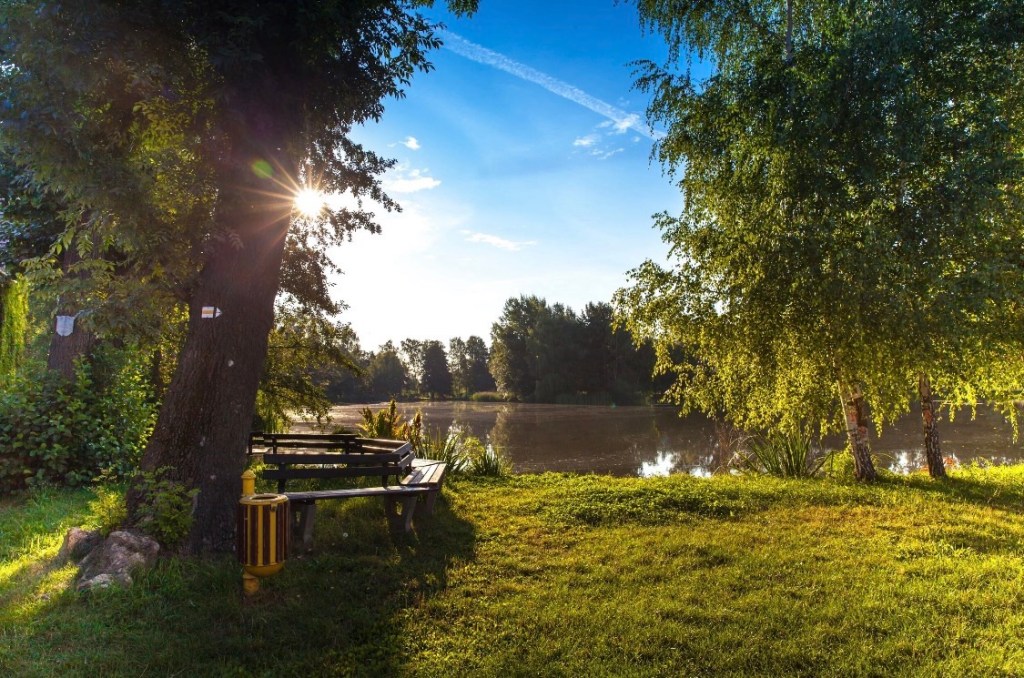
Psychologists often refer to two key theories when explaining why nature helps us:
1. Attention Restoration Theory (ART)
Modern life demands constant focus—notifications, screens, deadlines.
Nature, by contrast:
Gently captures your attention (rustling leaves, birds, wind) Requires no effort to process Allows your brain to “reset”
This restores your ability to concentrate and think clearly.
2. Stress Reduction Theory
Natural environments signal safety to the brain.
This leads to:
Lower cortisol (stress hormone) Reduced heart rate Improved emotional regulation
Even 10–20 minutes in a park can produce measurable effects.
🧠 5 Mental Health Benefits of Local Parks
1. Reduced Anxiety and Stress
Walking through a park shifts your nervous system from “fight-or-flight” to “rest-and-digest.”
You may notice:
Slower breathing Less mental tension A feeling of spaciousness in your thoughts
2. Improved Mood and Emotional Balance

Exposure to greenery has been linked to:
Increased serotonin activity Reduced rumination (overthinking)
In simple terms: parks help interrupt negative thought loops.
3. Better Focus and Cognitive Function
If you feel mentally drained, a park visit can act like a reset button.
Studies show:
Improved memory after nature walks Better task performance Increased creativity
This is especially useful if your work involves thinking, teaching, or creating.
4. Increased Physical Activity (Without Pressure)
Unlike gyms, parks invite movement without structure.
You might:
Walk longer without noticing Stretch or sit freely Engage in light, natural exercise
This lowers resistance to staying active—which indirectly boosts mental health.
5. Social Connection and Belonging
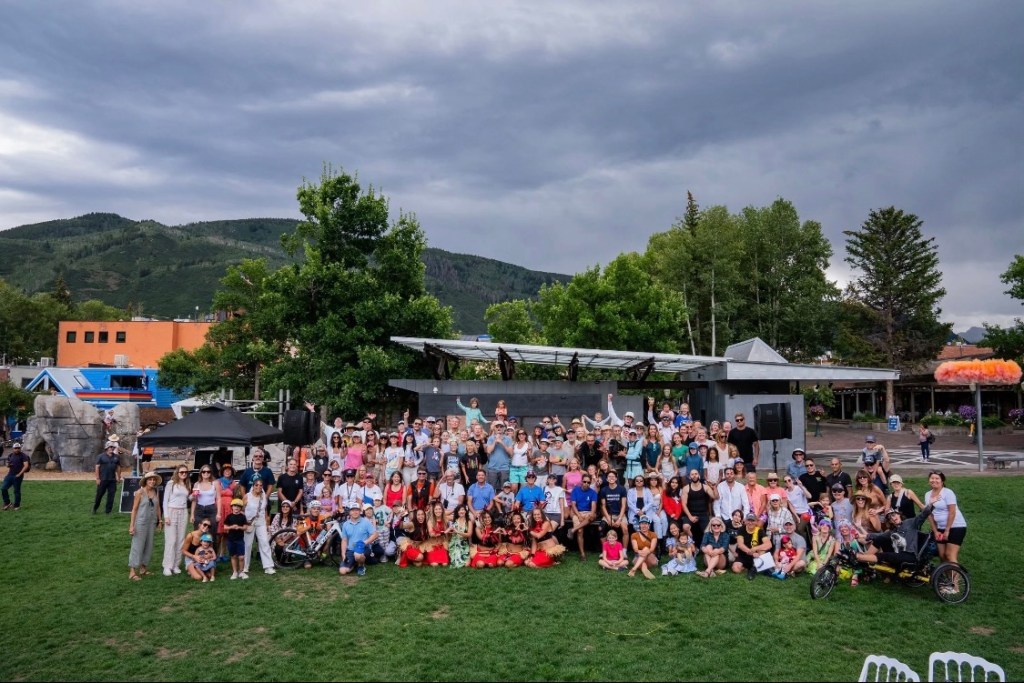
Parks are subtle social spaces.
Even without direct interaction:
Seeing others reduces feelings of isolation Shared public space builds a sense of community Casual conversations happen more naturally
🌎 Why Local Parks Matter More Than You Think
You don’t need a national park or remote wilderness.
In fact, nearby, accessible nature is often more impactful because:
You can visit consistently It becomes part of your routine Familiarity builds emotional attachment
This concept is sometimes called “everyday nature”—and it’s one of the most powerful forms of mental health support.
🧭 How to Use Parks for Mental Health (Practical Guide)
You don’t need to “optimize” your park visit. But a few intentional habits can deepen the benefits:
Simple Practices to Try
10-Minute Reset Walk No phone. Just walk and observe. Sit Spot Practice Return to the same bench or tree regularly. Notice subtle changes. Sensory Awareness Ask yourself: What do I hear? What do I feel? What’s moving? Journaling Outdoors Even 5 minutes of writing in nature can clarify thoughts. Stack It With Habits Pair park time with: Morning coffee Post-work decompression Light stretching
⚠️ A Realistic Note: Parks Aren’t a Cure-All
Nature helps—but it’s not a replacement for deeper support when needed.
Think of parks as:
A daily stabilizer A mental reset tool A foundation habit
Not a substitute for therapy, but a powerful complement.
🌱 Final Thought
Local parks don’t demand anything from you.
They don’t track your progress. They don’t ask you to perform.
They simply offer space—mental, emotional, and physical.
And in a world that constantly pulls your attention outward, that quiet space might be exactly what your mind needs.
If this resonated with you, consider building a simple weekly ritual around your nearest park—and explore more ideas on mindful living here on Mindful Explorer.
 Mindful Explorer