How ancient nature worship evolved into one of the most beloved symbols of Christmas
Introduction
The Christmas tree is one of the most recognizable and cherished symbols of the holiday season—but its roots stretch far deeper than Christianity. Long before ornaments and electric lights, evergreen trees carried powerful meanings tied to survival, rebirth, and hope during the darkest days of winter. This article explores how ancient traditions gradually evolved into the modern Christmas tree we know today.
Ancient Origins: Evergreens and the Winter Solstice
Long before Christmas existed, ancient cultures revered evergreen plants for their ability to stay green during winter—a powerful symbol of life enduring through darkness.
Early Pagan Traditions
Ancient Egyptians used green palm fronds to symbolize eternal life. Romans, during the festival of Saturnalia, decorated homes with greenery to honor Saturn, the god of agriculture. Celtic and Norse cultures viewed evergreens as sacred, believing they warded off evil spirits and brought protection during winter.
These traditions were closely tied to the winter solstice, the moment when days begin to grow longer—symbolizing the return of light.
Medieval Europe: The Paradise Tree
In medieval Germany, evergreen trees appeared in “Paradise Plays”, religious dramas performed on December 24th (Adam and Eve’s feast day).
A fir tree called a Paradise Tree was decorated with apples (symbolizing the Tree of Knowledge). Wafer cookies were later added, representing redemption. These trees were often brought into homes, becoming a precursor to the Christmas tree.
This blend of Christian symbolism and earlier nature traditions laid the groundwork for the modern custom.
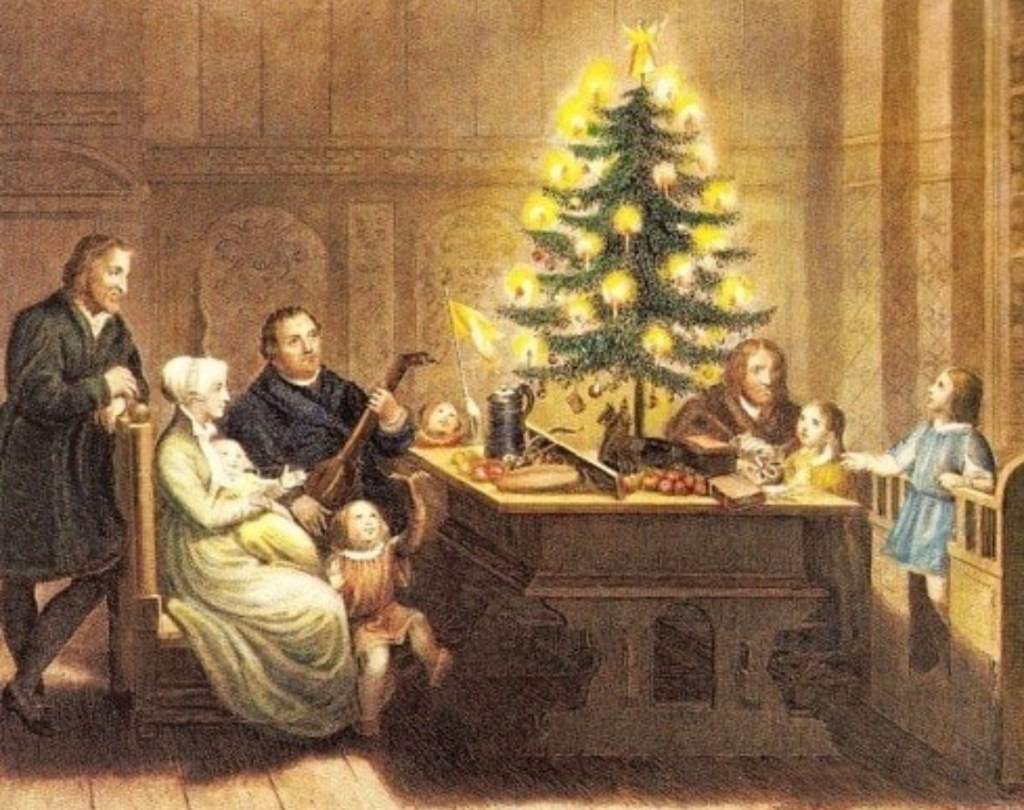
Martin Luther and the First Candle-Lit Tree
According to legend, Martin Luther was inspired by stars shining through evergreen branches on a winter night.
He reportedly added candles to a tree to recreate that vision for his family. Whether myth or fact, this story helped popularize decorated trees among Protestant households in Germany during the 16th century.
The Victorian Era: Christmas Trees Go Global
The Christmas tree remained mostly a German tradition until the 19th century.
Its rise in popularity across Europe and North America is often credited to:
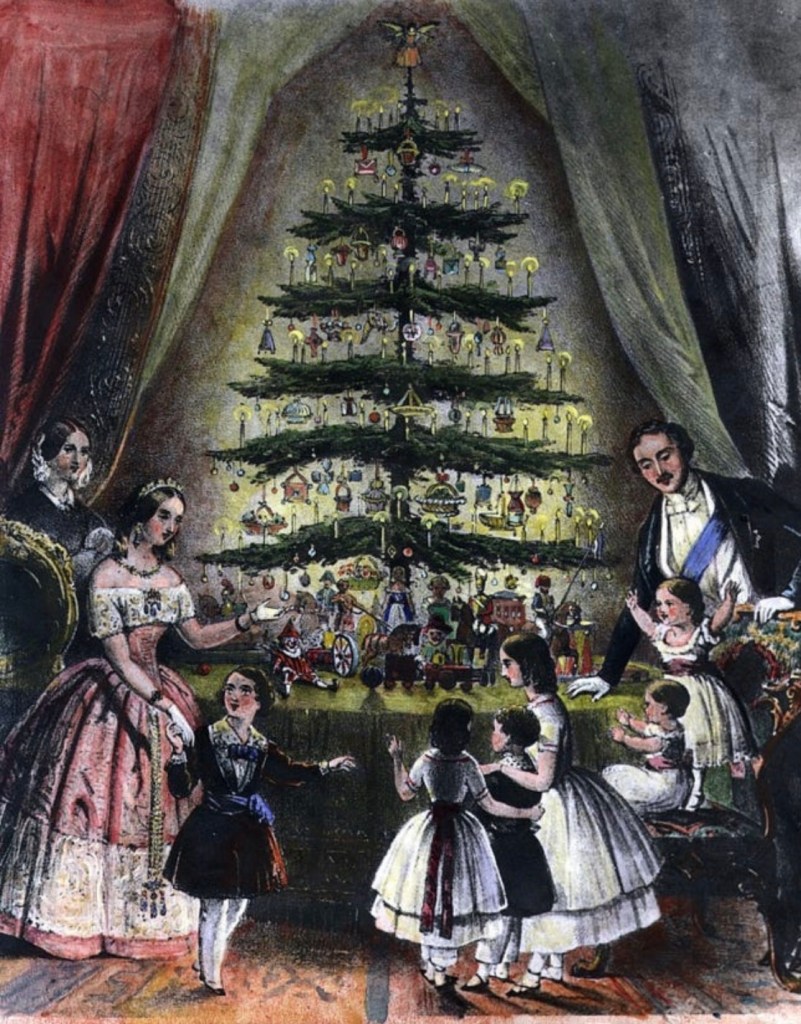
Prince Albert, husband of Queen Victoria
An 1848 illustration of the royal family around a decorated tree captured the public imagination, and the tradition quickly spread.
By the late 1800s:
Trees appeared in homes across England and the United States Ornaments became commercially produced Candles eventually gave way to electric lights
The Modern Christmas Tree
Today’s Christmas trees come in many forms:
Real or artificial Minimalist or heavily decorated Traditional or themed
Yet at its core, the Christmas tree still represents:
Life in the midst of winter Hope, renewal, and light Connection to both nature and tradition
From pagan solstice rituals to medieval plays to modern living rooms, the Christmas tree is a powerful example of how traditions evolve while retaining their original meaning.
Conclusion
The Christmas tree is far more than a decorative object—it’s a living symbol shaped by thousands of years of human history. Rooted in ancient reverence for nature and transformed by religious and cultural shifts, it stands today as a reminder of endurance, hope, and shared tradition during the darkest season of the year.
What does the Christmas tree symbolize to you—faith, family, nature, or something else entirely?
Published by Mindful Explorer · Mindfulexplorer.blog
 Mindful Explorer