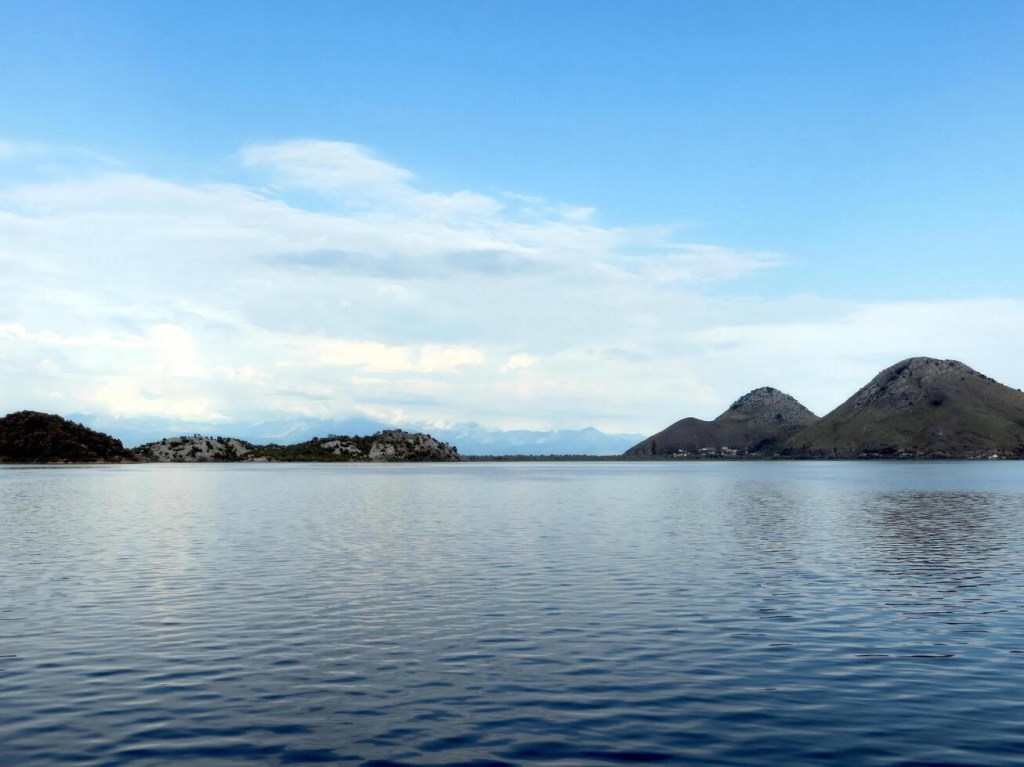
Lake Titicaca is one of those places that feels like it exists between worlds — part ancient legend, part natural wonder, and part living culture. Straddling the border of Peru and Bolivia, this high-altitude lake has inspired civilizations for thousands of years, offering breathtaking beauty, unique wildlife, and a window into Indigenous Andean traditions.
In this Mindful Explorer guide, we take you on a journey across the shimmering blue waters of Lake Titicaca to uncover its stories, science, and deep spiritual significance.
What Makes Lake Titicaca Special?
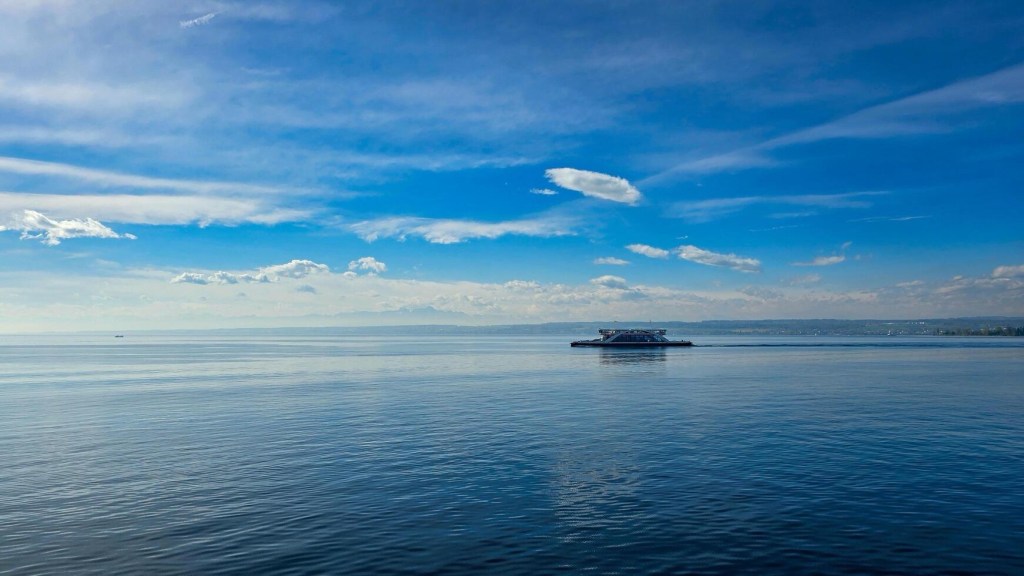
At 12,500 feet (3,810 meters) above sea level, Lake Titicaca holds the title of the world’s highest navigable lake. But altitude is only part of its legend:
It’s the birthplace of the Inca civilization, according to Andean mythology. It’s home to the floating Uros Islands, hand-woven from totora reeds. Its waters support unique wildlife found nowhere else on Earth. It holds a cultural and spiritual importance that continues today.
A Landscape of Blue and Gold
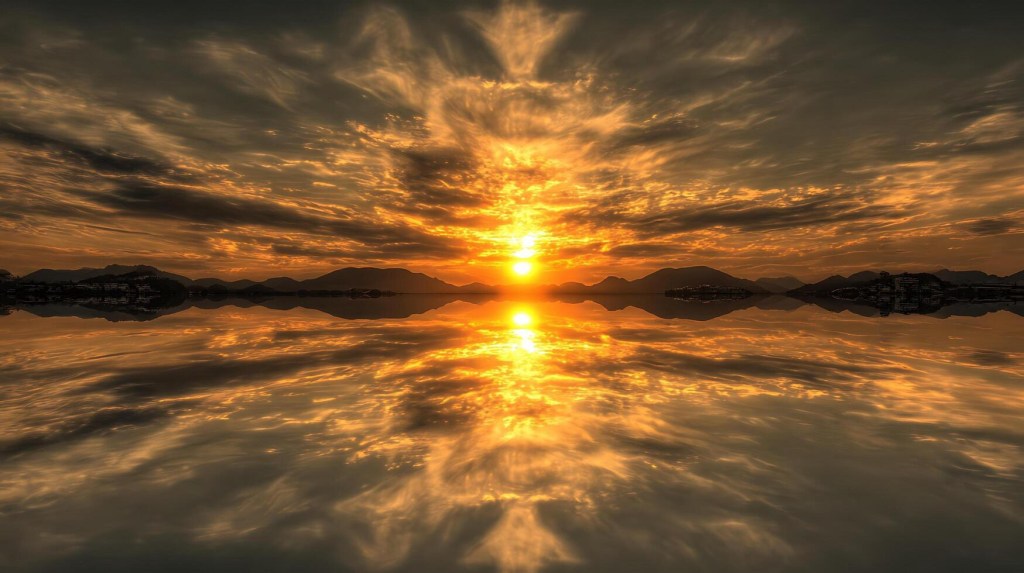
The lake stretches across 3,200 square miles of deep blue water framed by golden reed beds and the snow-capped Andes. The high elevation creates crisp, clear air, making every color feel more intense.
Visitors often remark that the horizon looks unreal, as if sky and water blur together.
The Uros Floating Islands
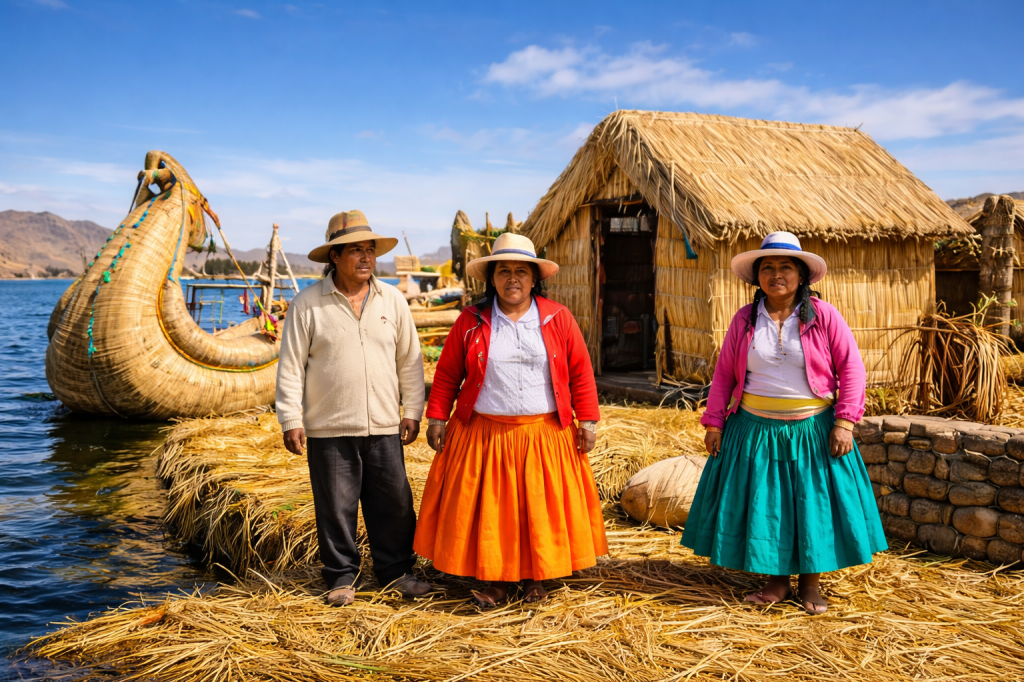
One of Lake Titicaca’s most fascinating features is the Uros Islands, made entirely from woven reeds that naturally grow in the lake.
How are the islands built?
Layers of totora reeds are woven and stacked. As the bottom layers rot, new reeds are added on top. Islands must be rebuilt or reinforced roughly every 3–6 months.
The Uros people have lived this way for centuries, originally building the islands as a defensive strategy. Today, the islands remain a thriving, culturally rich community that shares its traditions with visitors.
Taquile: A UNESCO-Recognized Textile Culture
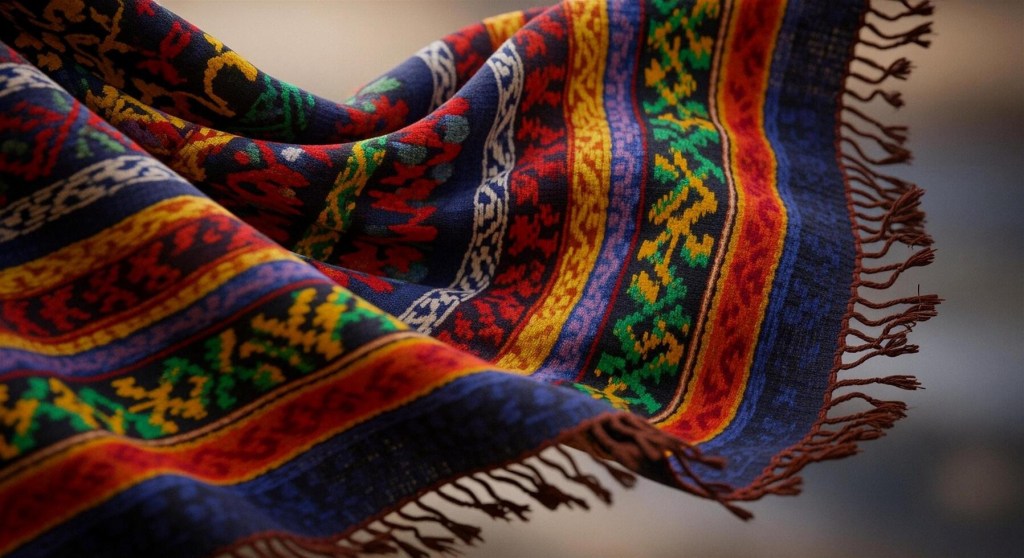
Taquile Island is known for its peaceful landscapes and its people’s extraordinary weaving skills. In fact, UNESCO recognizes Taquile’s textile art as part of the world’s intangible cultural heritage.
Here, clothing is not just clothing — it communicates:
Marital status Community role Social identity
This island experience is slower, quieter, and deeply connected to tradition.
Wildlife of Lake Titicaca
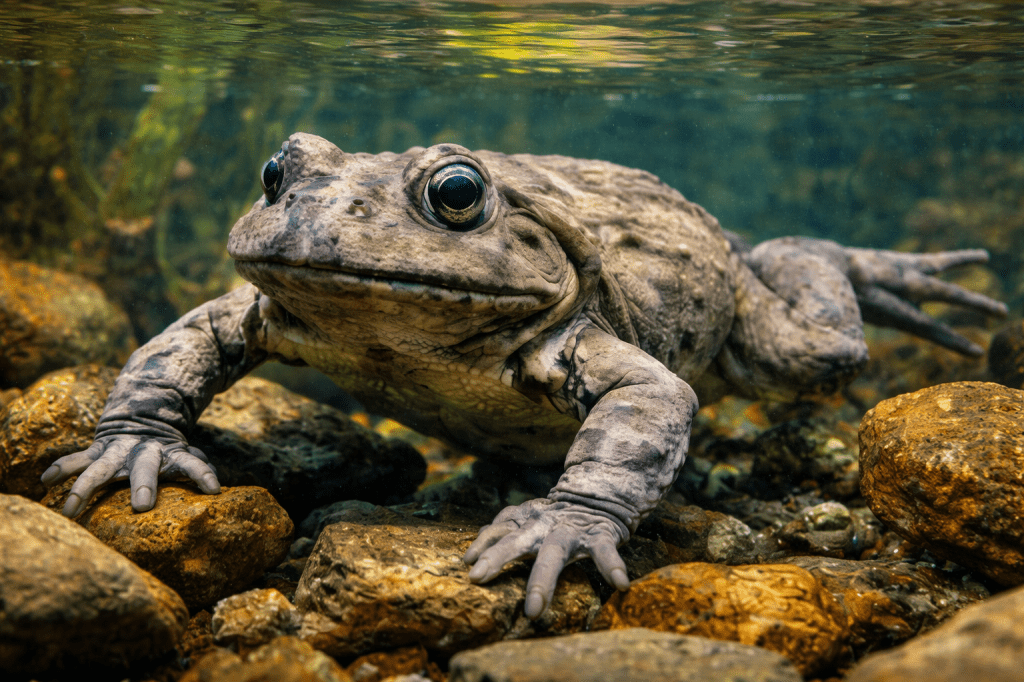
Because of its isolation and altitude, Lake Titicaca hosts species found nowhere else, including:
The Titicaca water frog — one of the world’s largest aquatic frogs The Titicaca grebe, a flightless bird Native killifish and catfish Diverse waterbirds and migratory species
Sadly, many are now endangered, making conservation efforts vital.
The Spiritual Heart of the Andes
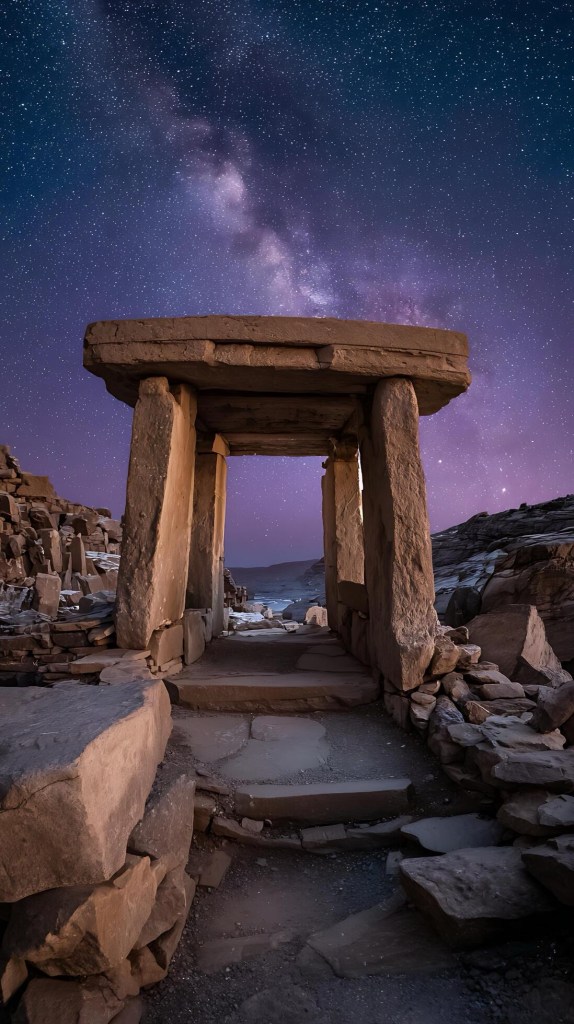
For Andean cultures, Lake Titicaca isn’t just water — it’s sacred.
In Inca tradition, the lake is believed to be:
The birthplace of Manco Cápac and Mama Ocllo, founders of the Inca Empire A gateway between the earthly world and the spiritual realm A symbol of life, fertility, and cosmic balance
Isla del Sol (Island of the Sun) and Isla de la Luna (Island of the Moon) still host ancient temples dedicated to these myths.
Travel Tips for Visiting Lake Titicaca
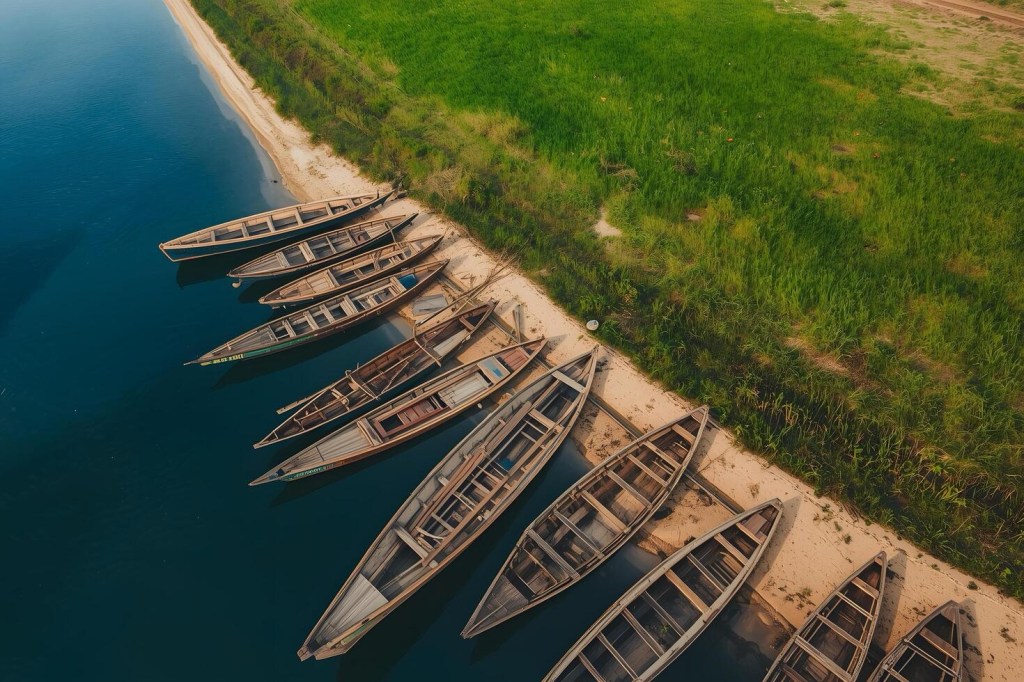
If you plan to explore this high-altitude wonder:
1. Prepare for Altitude
The air is thin — stay hydrated and acclimate slowly.
2. Spend Time on Multiple Islands
Each offers a different cultural experience.
3. Support Local Communities
Choose Indigenous-run tours and buy handmade crafts directly from artisans.
4. Visit from Both Countries
Peru offers easy access from Puno; Bolivia offers more traditional, less crowded island life.
Conclusion: A Lake of Legends and Living Culture
Lake Titicaca is more than a scenic destination — it’s a living story. From floating islands to ancient myths, from unique wildlife to stunning landscapes, the lake captures the spirit of the Andes in one breathtaking place.
If you ever needed a reminder that the world still holds magic, Lake Titicaca is waiting.
What part of its story fascinated you most?
 Mindful Explorer