
What Is Tai Chi?
Tai Chi (also spelled Taiji or Tai Chi Chuan) is an ancient Chinese martial art rooted in Taoist philosophy. Known for its graceful, flowing movements, Tai Chi combines meditation, balance, and breath control to harmonize the mind and body.
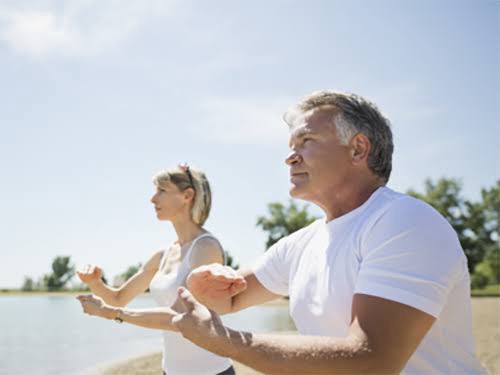
Often described as “meditation in motion,” it emphasizes inner awareness rather than outward strength. Though it began as a martial discipline, Tai Chi is now practiced worldwide as a gentle form of exercise and mindfulness suitable for all ages.
1. Improves Balance and Coordination
One of Tai Chi’s most celebrated benefits is its ability to enhance balance. By shifting weight slowly and intentionally through controlled postures, practitioners develop:
Stronger leg muscles and core stability Improved coordination and body awareness Reduced risk of falls, especially in older adults
Research shows that consistent Tai Chi practice can significantly lower fall rates among seniors, making it a cornerstone of healthy aging.
2. Reduces Stress and Anxiety
Tai Chi’s rhythmic, mindful movements promote a state of calm focus, similar to meditation. Controlled breathing lowers cortisol levels, while the emphasis on present-moment awareness helps release mental tension.
Many practitioners report:
Better mood regulation Reduced anxiety and depression Deeper emotional resilience
Practicing Tai Chi even 10–15 minutes daily can bring noticeable changes in mental clarity and peace.
3. Enhances Cardiovascular and Respiratory Health
Although it appears gentle, Tai Chi engages nearly every muscle group and encourages deep, controlled breathing, improving oxygen flow and circulation. Over time, this can:
Strengthen the heart and lungs Lower blood pressure Improve endurance and energy levels
Studies have found Tai Chi beneficial for people managing hypertension, heart disease, and chronic respiratory issues.
4. Builds Strength Without Strain
Unlike high-impact workouts, Tai Chi develops functional strength through fluid resistance rather than force. Movements engage the legs, hips, arms, and core, enhancing muscle tone without overexertion or joint stress.
This makes it ideal for:
Older adults Individuals recovering from injuries People with arthritis or chronic pain
5. Improves Flexibility and Joint Health
The gentle, circular motions of Tai Chi encourage joint mobility and connective tissue flexibility. With regular practice, stiffness decreases, and range of motion improves.
It’s particularly effective for those managing conditions like fibromyalgia or osteoarthritis, helping reduce pain and inflammation naturally.
6. Strengthens the Immune System
Tai Chi may boost immune response by lowering stress hormones and improving circulation of white blood cells. One study found that older adults who practiced Tai Chi regularly showed higher antibody levels and fewer respiratory infections compared to non-practitioners.
7. Supports Cognitive and Emotional Health
Tai Chi requires focus, memory, and coordination — all of which stimulate neural plasticity and brain health. Regular practitioners often experience:
Sharper attention and memory Slower age-related cognitive decline A deeper sense of mindfulness and self-awareness
8. Encourages Mind-Body Harmony
Perhaps Tai Chi’s greatest gift is inner balance — the harmony between physical movement, breath, and thought. It embodies the Taoist principle of yin and yang, reminding us to move through life with both strength and softness.
Practicing Tai Chi nurtures not only the body, but also the spirit of patience, presence, and peace.
Getting Started with Tai Chi
You don’t need special equipment or a gym — just comfortable clothing and an open mind. Start with:
Local classes or community park groups Online tutorials for beginners A simple daily goal of 10 minutes of mindful movement
Remember: Tai Chi is less about perfection and more about consistency and awareness.
Final Thoughts
Tai Chi is more than an exercise — it’s a way of life that promotes health, longevity, and inner tranquility. Whether you seek physical vitality, emotional healing, or mental clarity, its slow, flowing movements offer a timeless path to well-being.
So the next time you step outside, pause, breathe deeply, and let the world move in harmony with you.
Have you tried it yet?
 Mindful Explorer