Book Review for Mindful Explorer
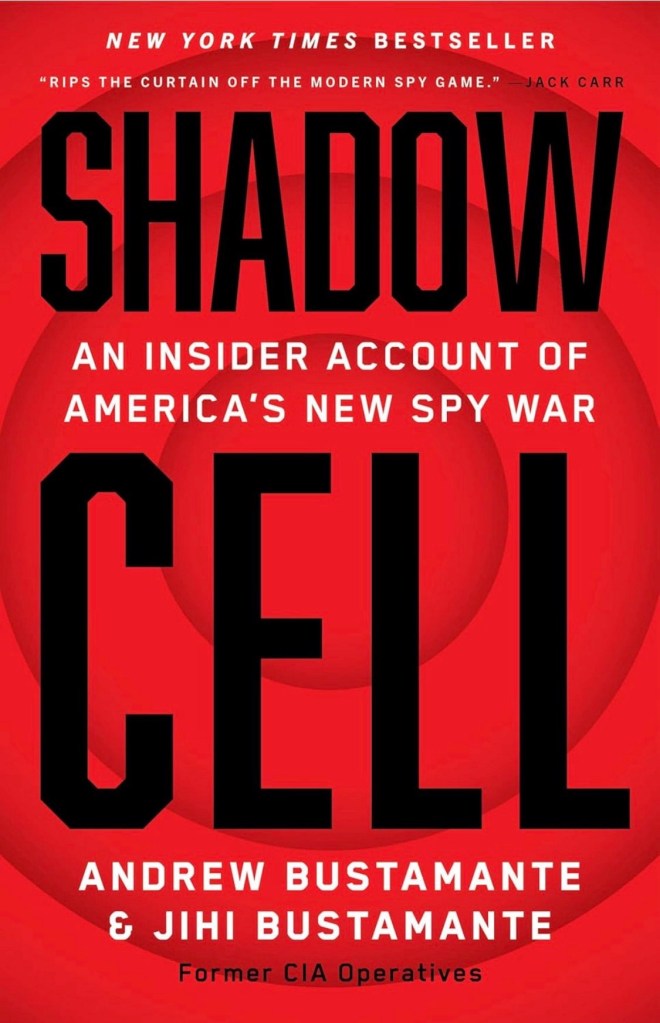
Andrew Bustamante’s Shadow Cell pulls readers behind the curtain of modern intelligence work—far beyond the glamorized spy tropes of Hollywood. Written by a former CIA intelligence officer, the book blends memoir, psychology, and practical insight into how power, influence, and perception truly operate in high-stakes environments.
This is not just a spy book. It’s a study of human behavior under pressure—and that’s what makes it especially compelling for readers interested in psychology, leadership, and mindful self-mastery.
Overview of the Book
Shadow Cell explores Bustamante’s experiences working in covert operations, focusing on how intelligence agencies recruit, assess, and manipulate human assets. Rather than revealing classified tactics, the book emphasizes:
Psychological profiling Trust-building and deception Decision-making under uncertainty Emotional regulation in dangerous environments
Bustamante frames intelligence work as a human system, not a technological one—where understanding motivations, fears, and incentives matters more than gadgets or brute force.
Key Themes and Takeaways
1. Espionage Is About People, Not Secrets
One of the strongest themes in Shadow Cell is that intelligence work revolves around relationships. Information flows through people, and people are driven by emotions—fear, pride, loyalty, desperation.
Bustamante makes it clear that mastering interpersonal dynamics is far more powerful than memorizing tactics.
2. Influence Is a Teachable Skill
The book repeatedly reinforces that influence isn’t manipulation—it’s understanding incentives. Intelligence officers don’t force people to act; they align opportunities with existing motivations.
This insight applies directly to:
Leadership Teaching Negotiation Personal relationships
For readers of Mindful Explorer, this connects strongly to psychological awareness and intentional living.
3. Emotional Control Under Pressure
Bustamante highlights the importance of self-regulation—remaining calm, observant, and deliberate when stress is high. Emotional reactions are liabilities in intelligence work.
This mirrors principles found in:
Stoicism Mindfulness practices High-performance psychology
The book subtly argues that emotional mastery is a form of freedom.
4. Ethics in the Gray Zone
Shadow Cell doesn’t shy away from moral ambiguity. Bustamante reflects on the ethical complexity of intelligence work—where choices are rarely clean and consequences ripple outward.
Rather than offering simple answers, the book invites readers to sit with discomfort and think critically about:
National security Personal responsibility The cost of secrecy
Writing Style and Accessibility
Bustamante writes in a clear, conversational, and confident tone. The book is accessible to general readers—no prior knowledge of intelligence agencies is required.
Strengths of the writing:
Engaging real-world anecdotes Clear explanations of complex ideas Practical lessons without jargon
At times, readers looking for explosive revelations may find the book more reflective than sensational—but that restraint adds credibility.
Who Should Read Shadow Cell?
This book is especially well-suited for readers interested in:
Psychology and human behavior Leadership and influence Mindfulness and emotional intelligence Ethics and decision-making Realistic depictions of intelligence work
If you enjoy books that challenge how you see power, trust, and perception, Shadow Cell delivers.
Final Verdict
Shadow Cell is a thoughtful, grounded, and psychologically rich look at espionage—not as fantasy, but as a disciplined practice of understanding people. Andrew Bustamante succeeds in turning intelligence work into a mirror for everyday life: how we influence others, manage ourselves, and navigate moral gray areas.
For Mindful Explorer readers, this book fits squarely at the intersection of psychology, self-awareness, and strategic thinking.
What would change in your life if you approached conversations and decisions with the same calm awareness described in Shadow Cell?
— Mindful Explorer (mindfulexplorer.blog)
 Mindful Explorer