Explore meaningful New Year’s traditions from around the world and discover how different cultures welcome renewal, luck, and reflection.
Why This Matters
When the calendar turns, nearly every culture pauses to mark the moment — but not everyone does it with fireworks and countdowns. Across the world, New Year’s traditions are deeply symbolic acts of letting go, welcoming abundance, and setting intentions for the future.
Some people eat grapes. Others clean their homes. Some ring bells, jump waves, or even smash plates. These rituals may look different, but they point to the same human instinct: the desire to begin again with clarity and hope.
In a noisy, productivity-driven world, learning how other cultures approach renewal can gently remind us that fresh starts are as much about meaning as momentum.
🎆 Europe: Letting Go, Inviting Luck
🇪🇸 Spain – Twelve Grapes at Midnight
In Spain, people eat 12 grapes, one with each chime of the clock at midnight. Each grape represents luck for one month of the coming year.
Why it matters psychologically:
Encourages mindful pacing in a moment of excitement Turns the future into something bite-sized and manageable Reinforces the idea that luck is cultivated, not rushed
This ritual has spread to parts of Latin America, becoming a shared language of hope.
🇩🇰 Denmark – Smashing Plates for Friendship
Danes save old plates all year — then smash them against friends’ doors on New Year’s Eve.
More broken dishes = more love and community It reframes destruction as affection Mess becomes a symbol of belonging
This tradition subtly teaches that strong social bonds matter more than material perfection.
🇬🇷 Greece – Hanging an Onion for Growth
In Greece, families hang an onion on their door as a symbol of rebirth and resilience.
Onions grow even when neglected They represent persistence and renewal Children are sometimes gently tapped with the onion on New Year’s Day to “wake up” growth
A humble vegetable becomes a living metaphor for human resilience.
🌅 Asia: Renewal Through Ritual and Order
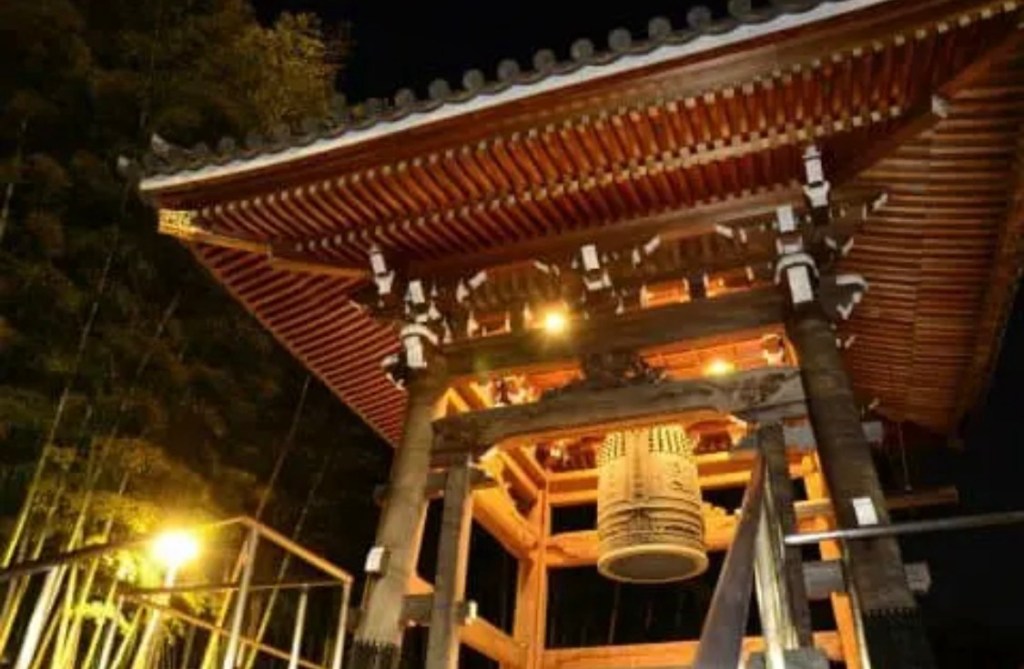
🇯🇵 Japan – 108 Temple Bells
In Japan, Buddhist temples ring bells 108 times, symbolizing the release of earthly desires believed to cause suffering.
This tradition reflects:
Reflection over celebration Inner clarity over external excitement A belief that peace comes from subtraction, not accumulation
Many Japanese families also clean their homes thoroughly before the New Year — a ritual of mental and physical decluttering.
🇨🇳 China – Lunar New Year (Spring Festival)
Although celebrated later than January 1, Lunar New Year is one of the world’s most intentional renewal rituals.
Key elements include:
Red decorations for luck Family reunions and shared meals Settling debts and conflicts before the new cycle
Psychologically, this reinforces closure before continuation — a powerful habit many of us skip.
🇰🇷 South Korea – Aging Together
In South Korea, everyone traditionally becomes one year older on New Year’s Day.
Aging is communal, not individual Time is experienced collectively Elders are honored through food and ceremony
This contrasts sharply with Western age anxiety and reframes aging as shared progress.
🌊 The Americas: Action, Energy, and Intention
🇧🇷 Brazil – Jumping Waves for Luck
On Brazilian beaches, people dressed in white jump seven ocean waves, making a wish with each jump.
The ocean represents uncertainty and power Jumping waves symbolizes courage and trust White clothing signifies peace and openness
It’s a physical ritual that turns intention into embodied action.
🇨🇴 Colombia – Walking With Empty Suitcases
Some Colombians walk around the block carrying empty suitcases at midnight to invite travel in the coming year.
This playful ritual:
Turns desire into motion Reinforces visualization through movement Reminds us that goals often begin with symbolic steps
🌍 Africa & Middle East: Cycles and Continuity
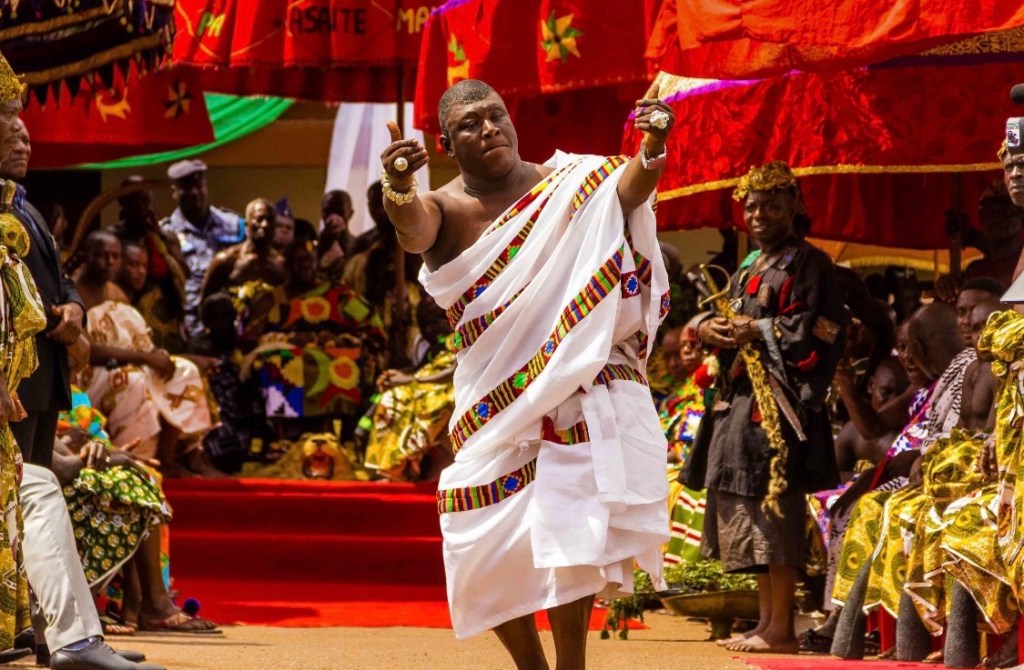
🌍 West Africa – Yoruba New Year
Among the Yoruba people, the New Year is marked by spiritual cleansing, drumming, and honoring ancestors.
The future is entered with respect for the past Renewal is collective, not individual Music and rhythm anchor memory and intention
This highlights something modern culture often forgets: continuity matters as much as change.
🧠 What These Traditions Teach Us (Psychology of Renewal)
Across cultures, New Year’s rituals tend to share a few core principles:
Release before renewal (bells, cleaning, forgiveness) Embodied intention (jumping, eating, walking) Community reinforcement (family, neighbors, ancestors) Symbolic clarity (simple objects carrying meaning)
Psychologically, rituals work because they:
Reduce uncertainty Create emotional closure Mark transitions clearly Anchor abstract goals in physical action
This is why even small personal rituals can feel powerful.
🌱 Practical Takeaways: Create Your Own Meaningful New Year Ritual
You don’t need to copy a tradition exactly. Instead, borrow its structure.
Try this:
Choose one letting-go action (write and discard, clean, forgive) Choose one intention-setting action (eat mindfully, walk, light a candle) Share it with one other person, even briefly
Keep it simple. Meaning grows from repetition, not complexity.
🌙
If you enjoy thoughtful explorations like this, consider subscribing to the Mindful Explorer newsletter for calm, psychology-grounded insights to start your weeks with clarity.
 Mindful Explorer