
Entering your 40s can feel like standing at the threshold between two worlds: the ambitions and expectations that drove your younger years, and a growing desire for authenticity, meaning, and inner peace. According to pioneering Swiss psychologist Carl Jung, this shift isn’t an accident—it’s a necessary turning point in your psychological and spiritual development.
In Jung’s eyes, “life really does begin at 40.” Not because youth is unimportant, but because the second half of life asks us to grow in ways we’ve never been asked to grow before.
The Two Halves of Life: Jung’s Core Idea
Jung believed that human life unfolds in two distinct psychological stages:
1. The First Half: Building the Outer World
Throughout our teens, 20s, and 30s, we focus on:
Establishing identity Building careers Creating relationships and families Achieving social success Meeting cultural expectations
This stage is driven by what Jung called the ego—the part of ourselves concerned with roles, accomplishments, and survival.
We’re busy constructing a life that looks stable from the outside.
2. The Second Half: Turning Inward
Around age 40, Jung argued, a shift naturally occurs. The outer achievements that once defined us feel less fulfilling. We begin to sense a deeper inner calling.
This turning point is the beginning of individuation—Jung’s term for becoming your true, whole self.
Why Life Begins at 40
Because You Stop Living Only for the Expectations of Others
By 40, you have enough life experience to see through the roles you were taught to play. Jung believed that the second half of life is when you finally have the courage to release old personas and explore who you truly are.
This is where authenticity begins.
Because You’re Ready to Integrate the Shadow
Jung emphasized the importance of acknowledging your “shadow”—the hidden or repressed parts of yourself. In younger years, you often push these aside to fit in. At 40 and beyond, you’re finally ready to:
Accept your imperfections Own your strengths Heal wounds you’ve avoided
This integration leads to profound psychological freedom.
Because You Begin Seeking Meaning Instead of Success
In youth, goals are external—money, status, achievement.
At midlife, Jung believed the psyche starts craving purpose.
People in their 40s often ask:
What truly matters? Who am I without my job or roles? How can I live in alignment with my deeper values?
These questions don’t signal crisis—they signal transformation.
Because Wisdom Starts Replacing Ambition
Jung argued that wisdom is impossible without lived experience. At 40, you’ve gained:
Emotional resilience Perspective Pattern recognition Compassion for yourself and others
These qualities make the second half of life richer and more grounded than the first.
Because You Can Finally Meet the Self
The “Self,” in Jungian psychology, is the complete, balanced, integrated you—beyond ego, fear, or societal conditioning. The journey toward this deeper Self becomes accessible only when the ego’s youthful ambitions loosen their grip.
Midlife is the doorway.
The Midlife Transition Isn’t a Crisis—It’s a Calling
Modern culture often frames midlife as decline. Jung disagreed.
He believed midlife is the beginning of true psychological adulthood.
Rather than falling apart, you’re being invited to grow:
To release illusions To find purpose To reconnect with meaning To awaken spiritually To live more intentionally
In Jung’s words, the second half of life demands a new kind of task—one rooted not in survival but in becoming whole.
How to Embrace the Jungian Midlife Shift
1. Listen to Your Inner Voice
Jung believed dreams, intuition, and recurring desires reveal what the psyche wants next.
2. Let Go of Outgrown Identities
You are not limited to the roles you played in your 20s and 30s.
3. Do Shadow Work
Exploring the parts of yourself you’ve ignored leads to healing and authenticity.
4. Seek Meaningful Work and Relationships
Align your outer life with your inner truth.
5. Explore Spirituality or Inner Practices
Meditation, journaling, or therapy can support individuation.
Conclusion: The Real Beginning Is Internal
For Jung, life begins at 40 because this is when you finally start living from the inside out, instead of the outside in.
It’s when you begin asking deeper questions, embracing your whole self, and walking a path toward meaning rather than mere achievement.
The second half of life isn’t about decline—it’s about awakening.
Are you ready to step into the version of yourself you were always meant to become?
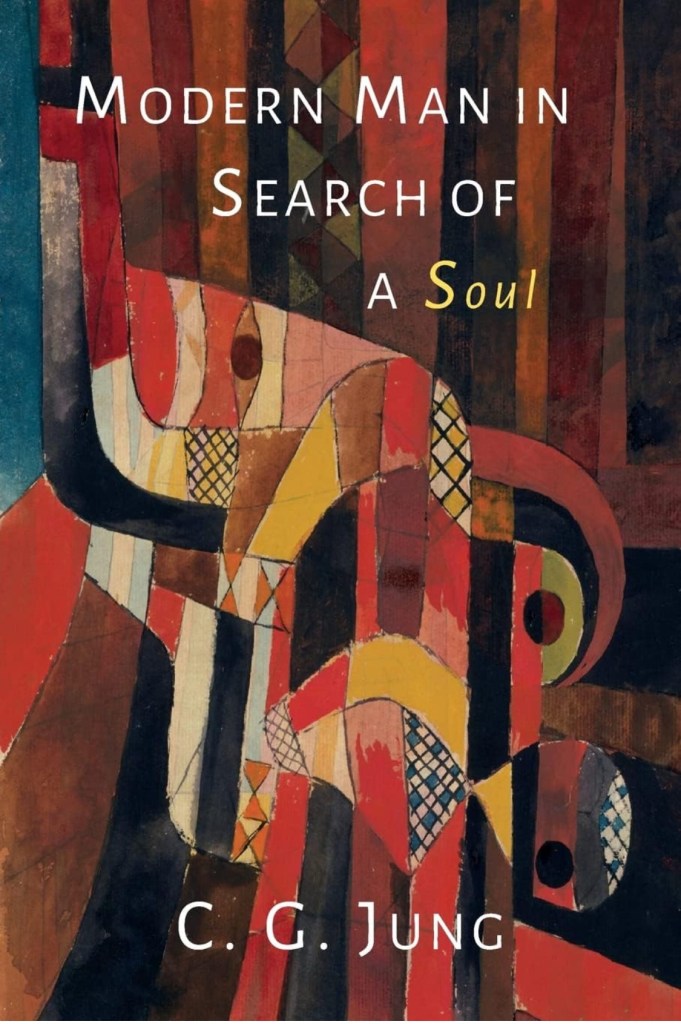
Ew to Jung’s work? Grab one of his books here: Modern Mann in Search of a Soul
 Mindful Explorer