Introduction: Why Iran’s History Still Matters
When most people hear “Iran,” they think of modern politics. But Iran’s story stretches back thousands of years — to some of the world’s first empires, philosophical traditions, and cultural achievements.
Understanding the history of Iran is not just about kings and revolutions. It’s about identity, religion, empire, reform, and resilience. It’s about how geography shaped destiny, and how ideas outlasted armies.
To understand today’s Iran, we have to begin long before the headlines — on the ancient Persian plateau.
The Ancient Foundations: Persia Emerges
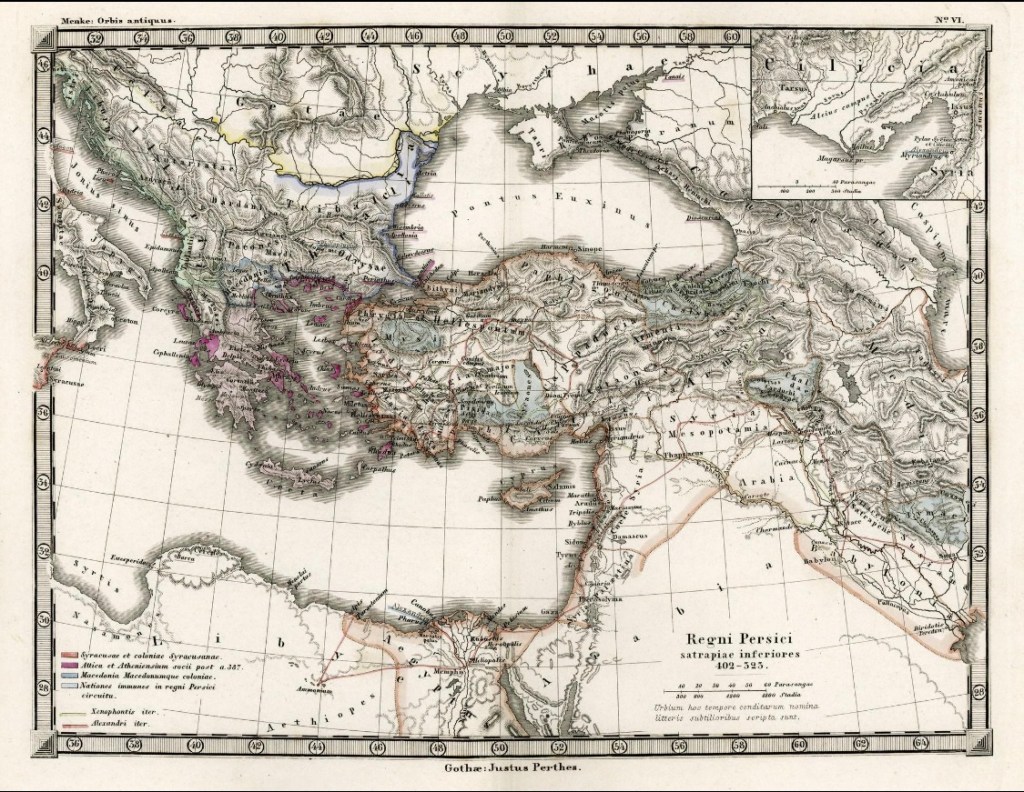
Long before it was called Iran, the region was known as Persia, named after the province of Pars (modern Fars).
Early Civilizations
By 4000 BC, advanced settlements like Susa had already formed. These early societies developed irrigation, trade networks, and administrative systems — foundations of civilization itself.
The Achaemenid Empire (c. 550–330 BC)
Founded by Cyrus the Great, the Achaemenid Empire became the largest empire the world had yet seen.
It stretched from modern-day Turkey and Egypt to India.
What made it remarkable wasn’t just size — it was governance:
Local autonomy for conquered regions Infrastructure like the Royal Road Early models of human rights (often associated with the Cyrus Cylinder)
Later rulers like Darius I expanded administrative sophistication and monumental architecture, including Persepolis.
Zoroastrianism
Before Islam, the dominant religion was Zoroastrianism — a faith centered on moral dualism: good vs. evil, truth vs. chaos.
Its ethical framework influenced later Abrahamic religions and deeply shaped Persian culture.
Conquest and Transformation: The Islamic Era
In 651 AD, Arab Muslim forces defeated the last Sasanian ruler, ending the Sasanian Empire.
This marked a major transformation.
Islam and Persian Identity
Although Islam spread rapidly, Persian culture did not disappear. Instead, it adapted.
Persian scholars, poets, and scientists became central figures in the Islamic Golden Age. The Persian language re-emerged in new literary forms.
Figures like Rumi and Ferdowsi preserved cultural identity through poetry and storytelling.
The Mongol invasions of the 13th century brought devastation, but Iran once again rebuilt — culturally and politically.
The Safavid Revolution: Shi’a Iran
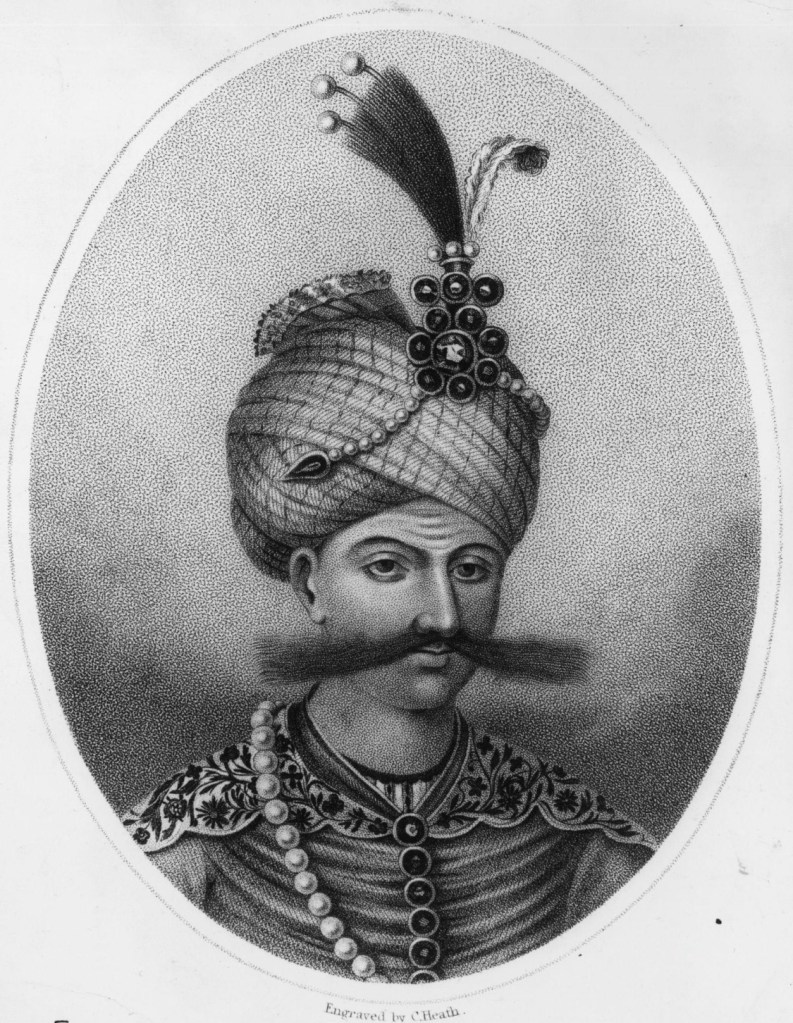
In 1501, the Safavid dynasty transformed Iran permanently.
Under Shah Abbas I, Iran became a centralized state — and Shi’a Islam became the official religion.
This decision still defines Iran today.
Isfahan flourished as a center of architecture, art, and trade. The famous Naqsh-e Jahan Square remains one of the architectural masterpieces of the Islamic world.
The Qajar and Pahlavi Periods: Modernization and Tension
By the 19th century, Iran faced growing pressure from Russia and Britain.
The Qajar Dynasty (1789–1925)
Territorial losses and foreign influence weakened the state. Public frustration led to the Constitutional Revolution (1905–1911), which established a parliament — one of the first in the region.
The Pahlavi Era (1925–1979)
The Pahlavi dynasty pursued rapid modernization.
Reza Shah and later Mohammad Reza Pahlavi promoted:
Secular education Industrialization Western-style reforms
But modernization came with political repression. Economic inequality and authoritarian control led to widespread unrest.
The 1979 Islamic Revolution
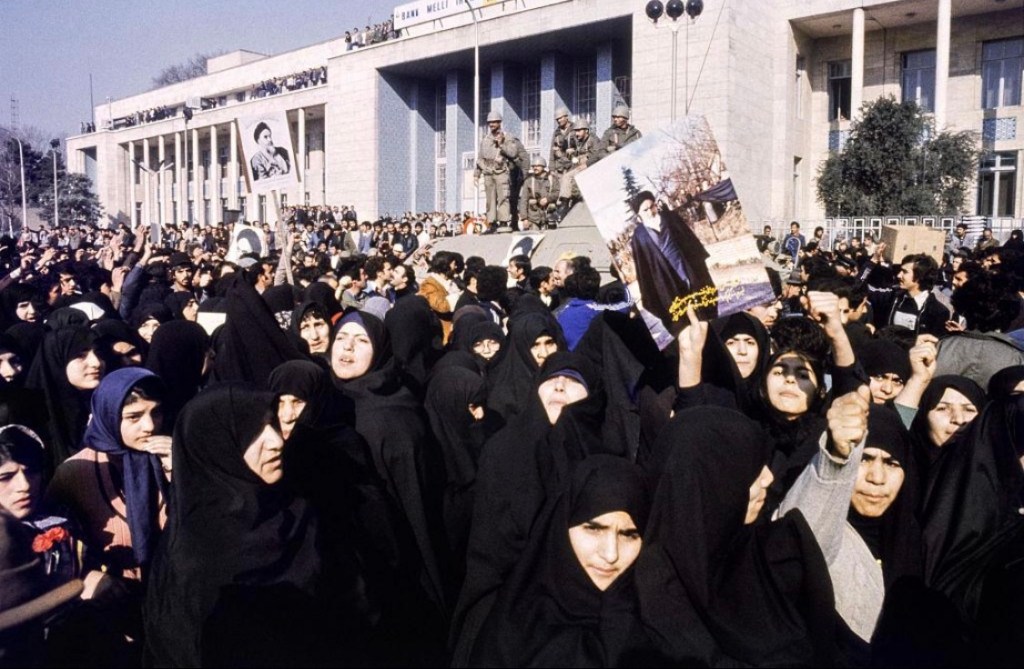
In 1979, mass protests culminated in the overthrow of the monarchy.
Led by Ruhollah Khomeini, Iran became an Islamic Republic.
This new system combined elected institutions with religious authority under a Supreme Leader.
Since then, Iran has navigated:
The Iran–Iraq War (1980–1988) Economic sanctions Internal reform movements Ongoing tensions with Western nations
Themes That Define Iranian History
Across millennia, several patterns emerge:
1. Resilience
Iran has endured conquest after conquest — yet its language, poetry, and identity persist.
2. Religion and State
From Zoroastrianism to Shi’a Islam, religion has repeatedly shaped governance.
3. Reform and Reaction
Moments of modernization are often followed by backlash. Iran’s history is cyclical in this sense.
4. Cultural Depth
Persian art, architecture, and literature remain globally influential.
Conclusion: A Civilization Beyond Headlines
Iran is not just a modern political story. It is one of the world’s oldest continuous civilizations.
From Cyrus the Great to the Islamic Republic, Iran’s history reveals a society constantly negotiating identity, faith, power, and modernity.
To understand Iran today, we must see it not as a single moment — but as a 2,500-year continuum.
 Mindful Explorer